
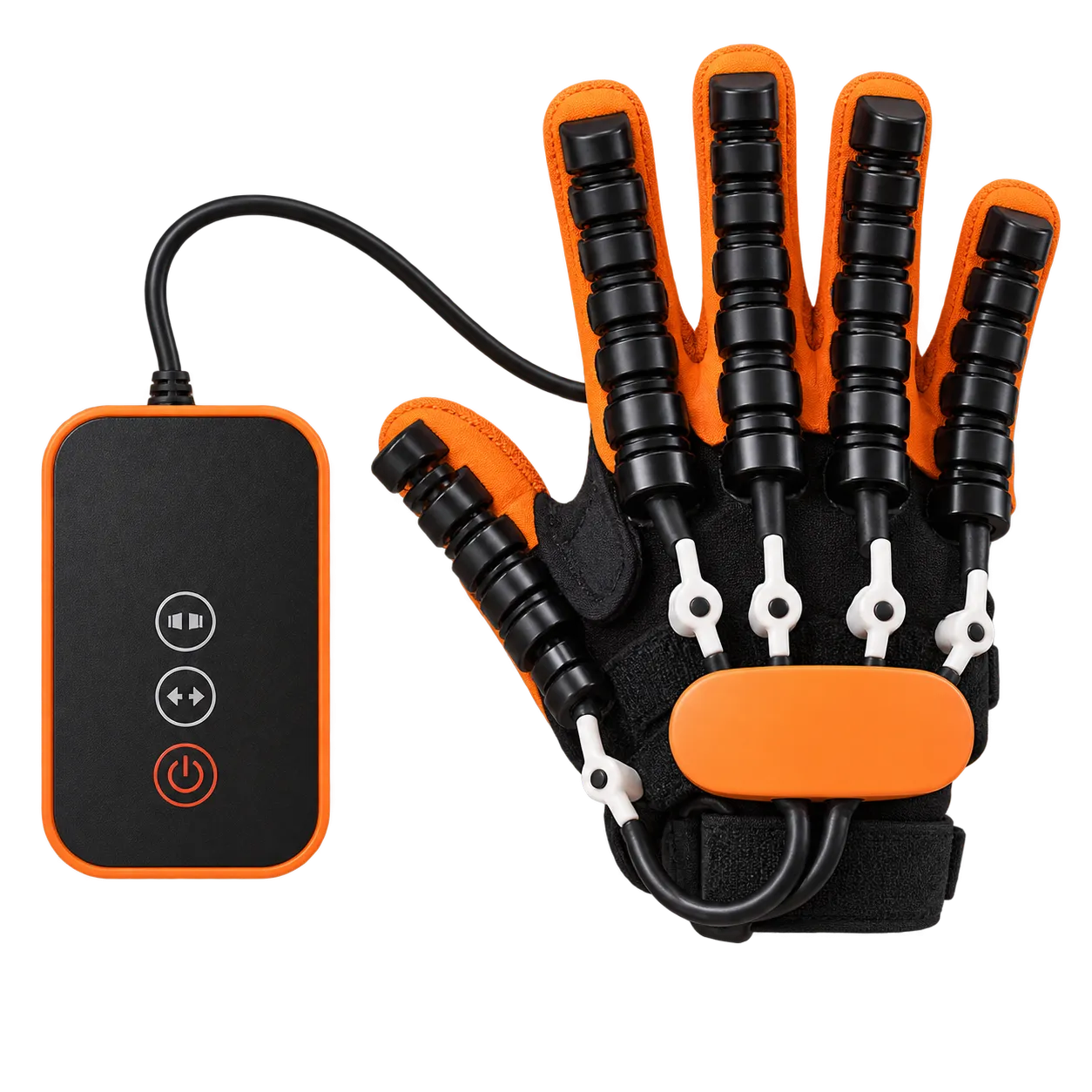
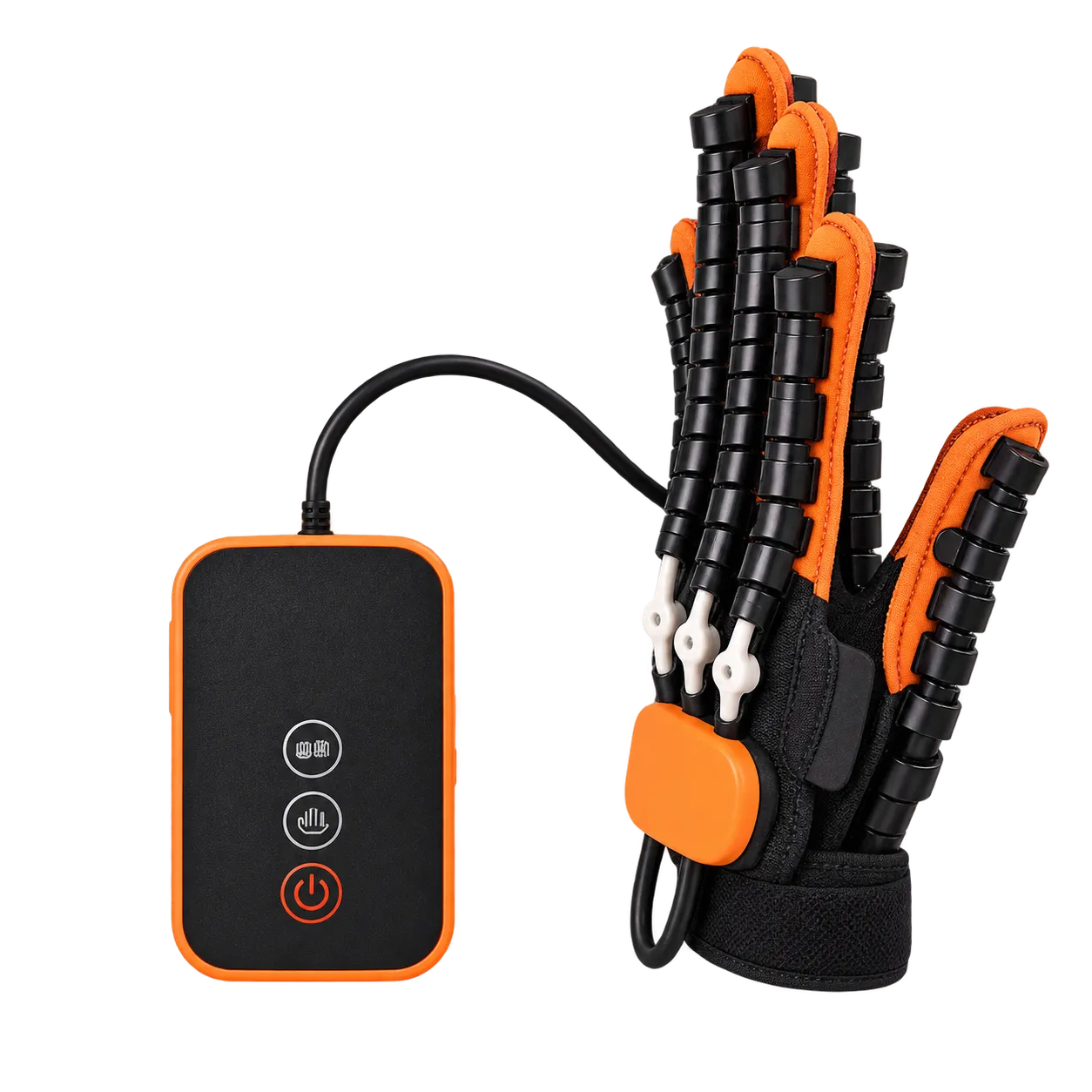
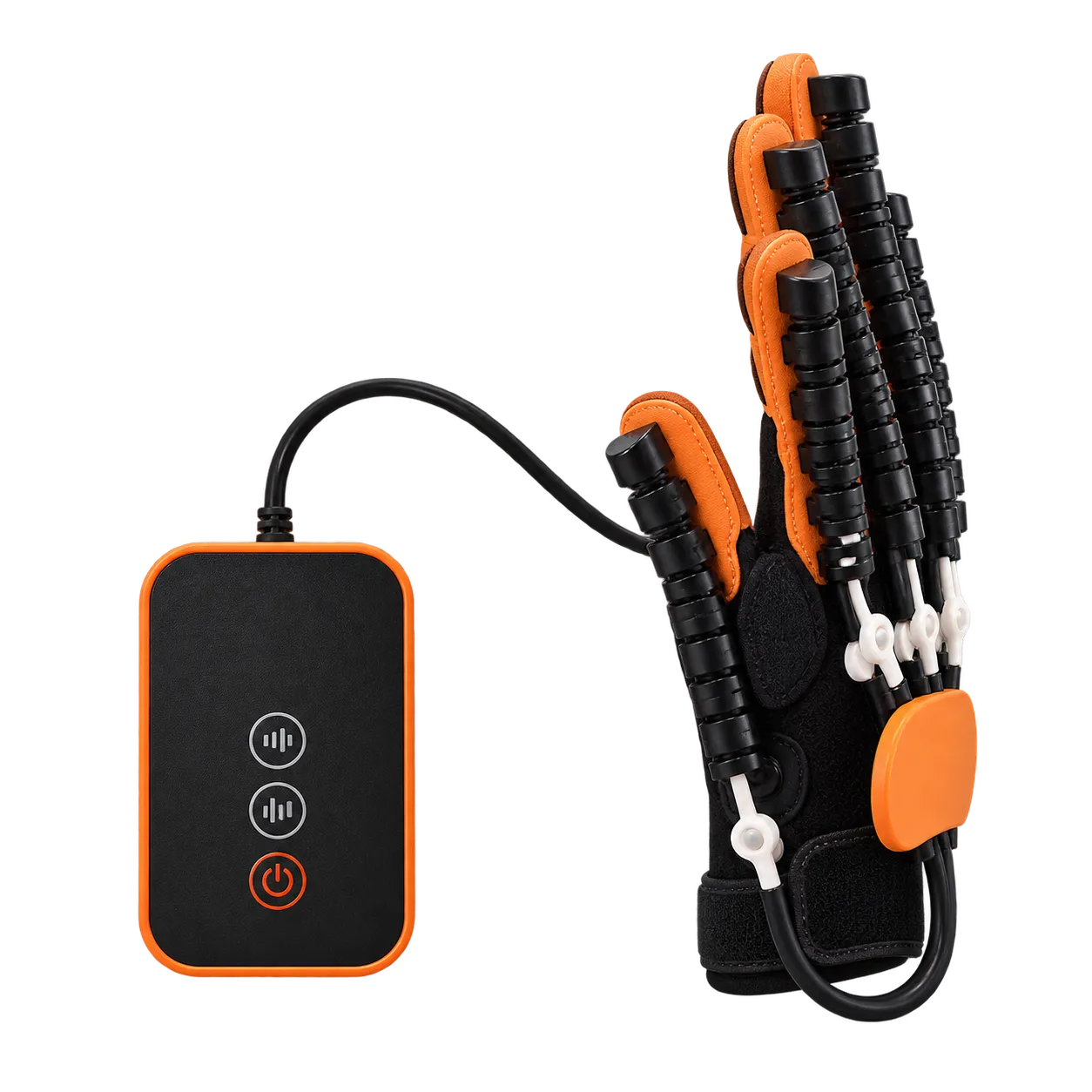
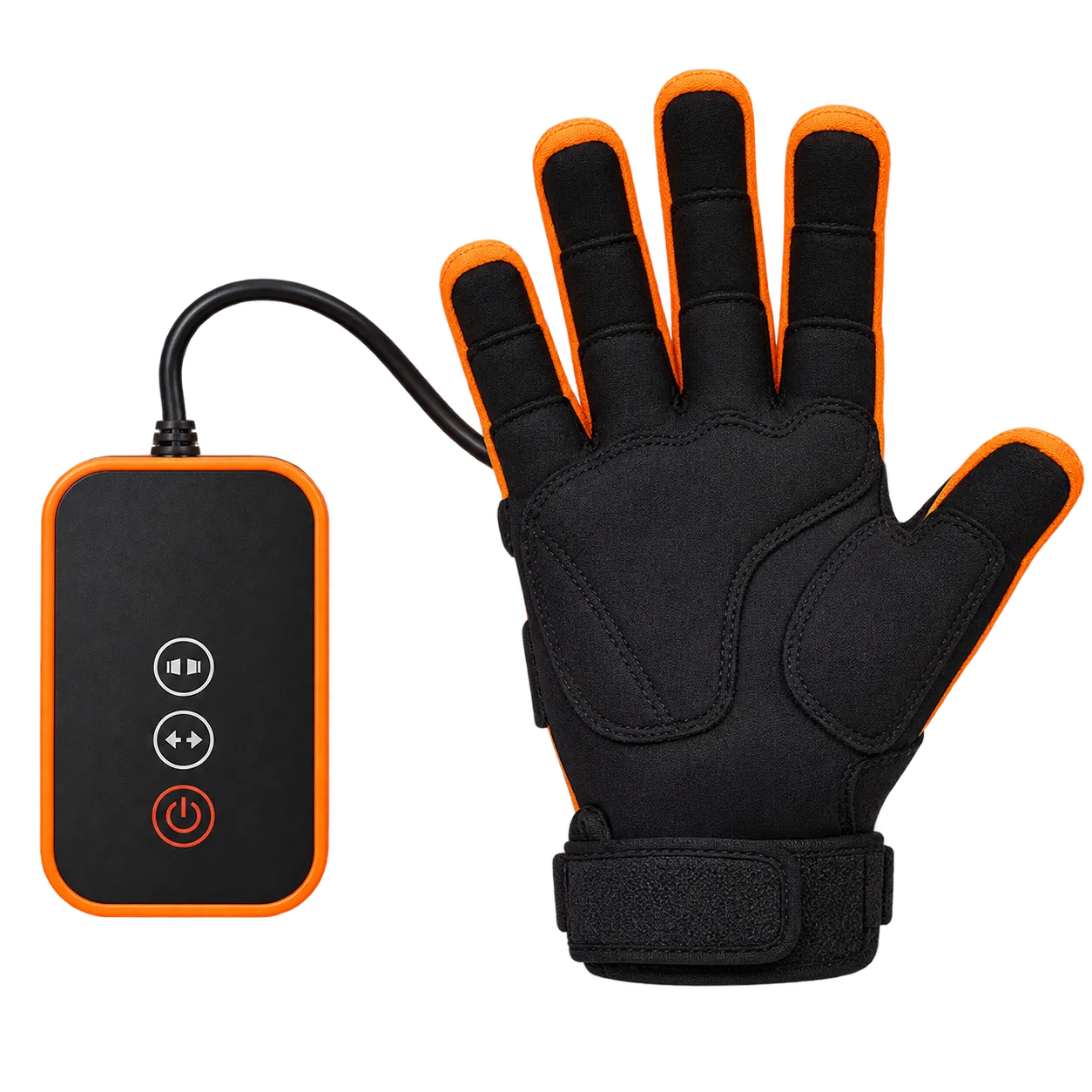
Hand therapy and community rehabilitation services can issue the BL-115 for home programmes between appointments, since the belt-mounted controller and one-button start keep set-up simple once the therapist has chosen the mode. Neurological rehabilitation teams can use it to add finger practice within a supervised programme. Orthopaedic and hand surgery services can use it in later rehabilitation where the protocol allows powered movement, and rheumatology and sports medicine services can include it in exercise plans for degenerative, inflammatory and sports-related hand problems. Day rehabilitation units can use it in group sessions, issuing a glove of the right size and side to each patient.
Simplicity does not remove the need for oversight. NICE does not recommend robot-assisted arm training for routine stroke care, so the trainer adds practice and does not replace therapy, and post-surgical use stays within protocol. Patients or carers must be able to fit the glove, start and stop sessions, and spot warning signs before using it alone, and anyone with reduced sensation or fragile skin needs closer checks. As a powered device, it belongs in the organisation's medical device management system, with electrical safety checks before issue and WEEE handling at end of life. A loan record should note the size, side and mode issued to each patient.
Purchasing teams in NHS trusts, independent providers, and overseas public systems use procurement routes that require a device's conformity status and registration. The conformity documentation those procurement routes require is issued by the manufacturer and shared by the enquiry team.