
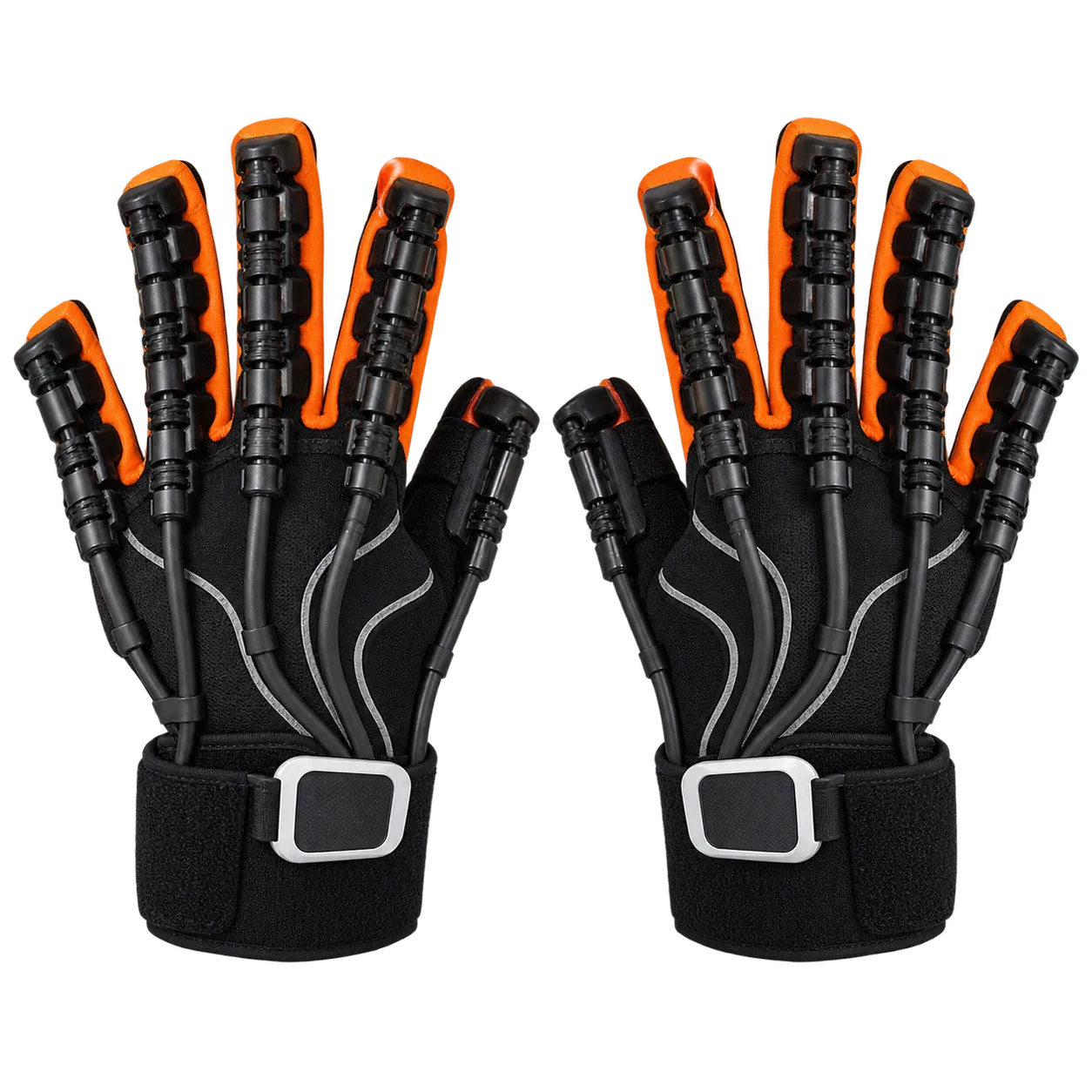
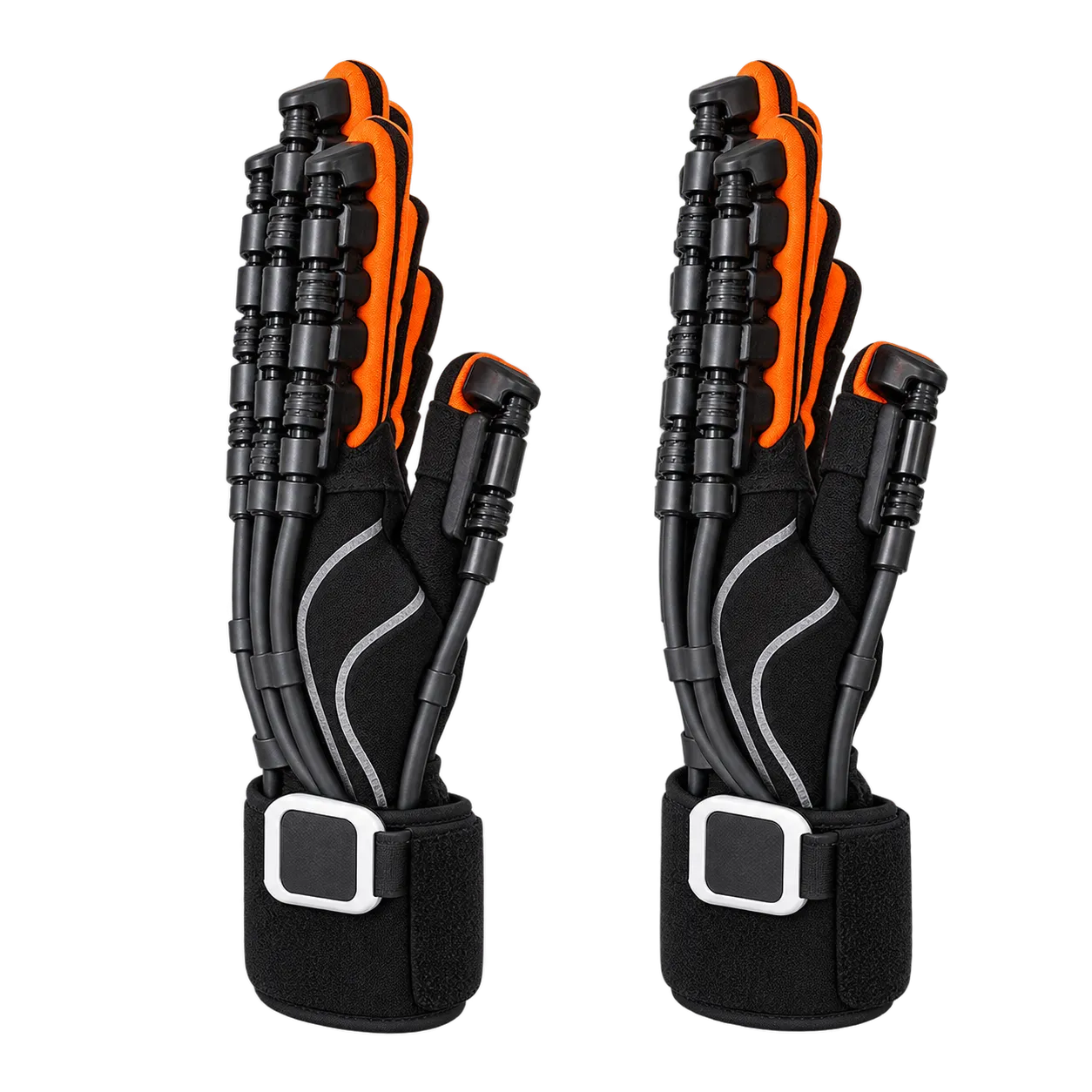
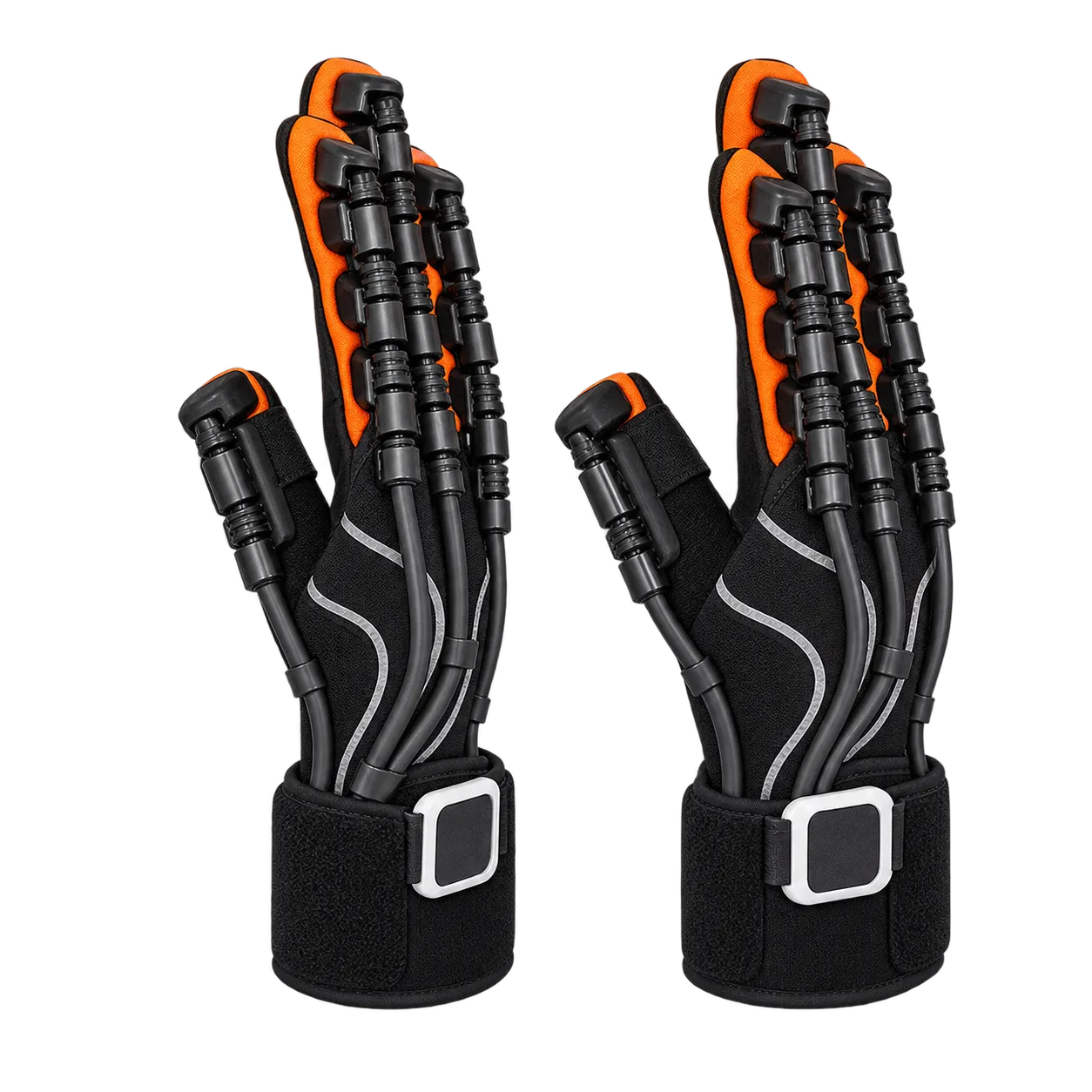
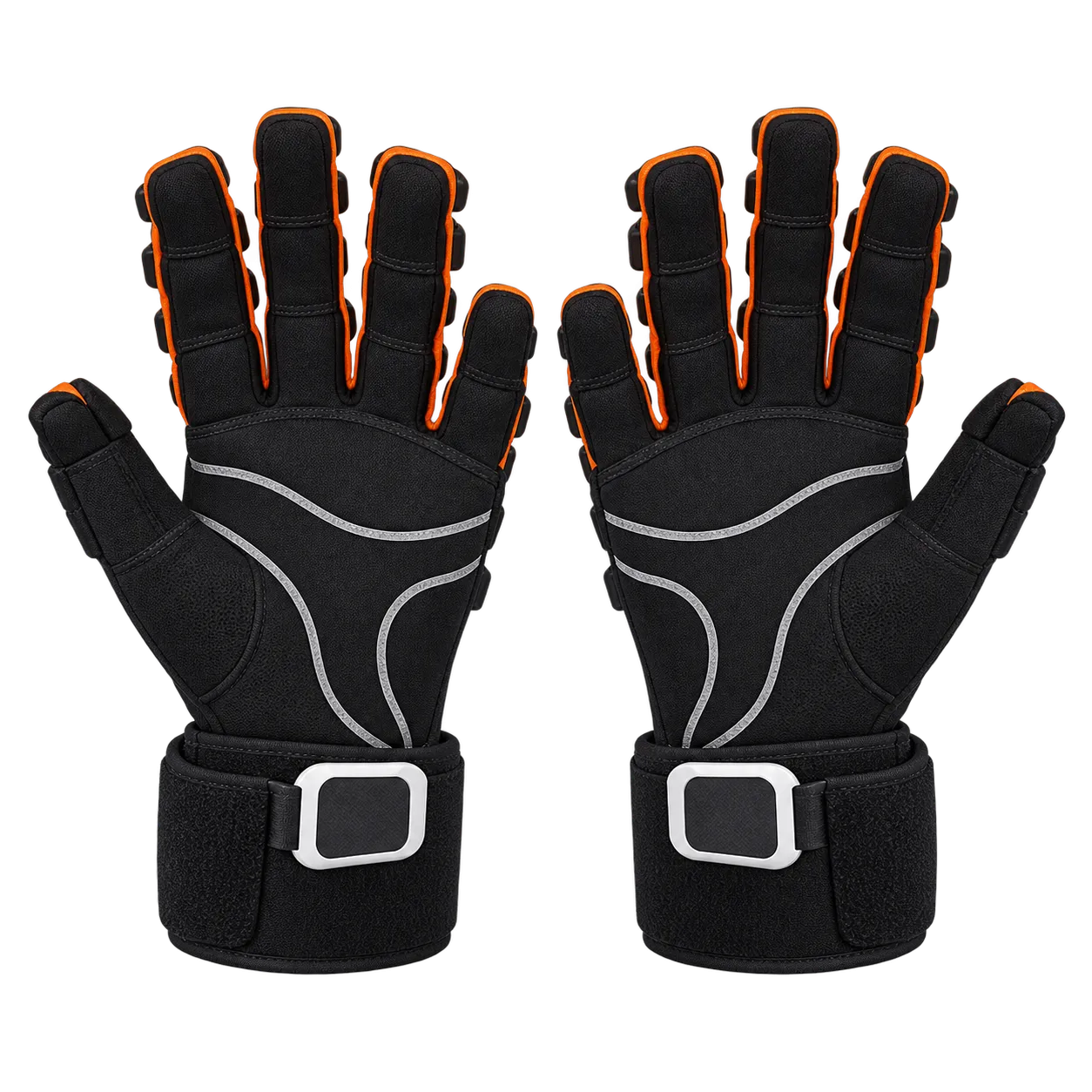
Stroke and neurological rehabilitation units can use the BL-113 to add supervised repetitions of finger and grip movement to a therapy programme, with the therapist setting speed, strength and session length. Hand therapy services can use it for stiffness and weakness in degenerative hand conditions alongside exercise, and after surgery only where the surgeon's protocol allows passive movement at the forces the glove applies. Community and early supported discharge teams can consider it for home programmes once a therapist has set it up and the patient or carer can run it safely. Research and teaching settings can use it to study or demonstrate robotic hand training.
The evidence shapes the role. NICE's 2023 guideline does not recommend robot-assisted arm training for routine use after stroke. The RATULS trial found no gain in arm function from an arm robot over usual care, so the glove adds practice within a therapist's plan and does not replace therapy. Mirror mode is not the mirror therapy NICE assessed. Children should use it only under paediatric specialists, and skin, sensation, and muscle tone need checking at every session. As a powered device, it should enter the organisation's medical device management system, with electrical safety checks before first use. Sessions should be logged with the settings used and the patient's response.
Purchasing teams in NHS trusts, independent rehabilitation providers, and public systems abroad use procurement routes that require a device's conformity status and registration. The conformity documentation those procurement routes require is issued by the manufacturer and shared by the enquiry team.