
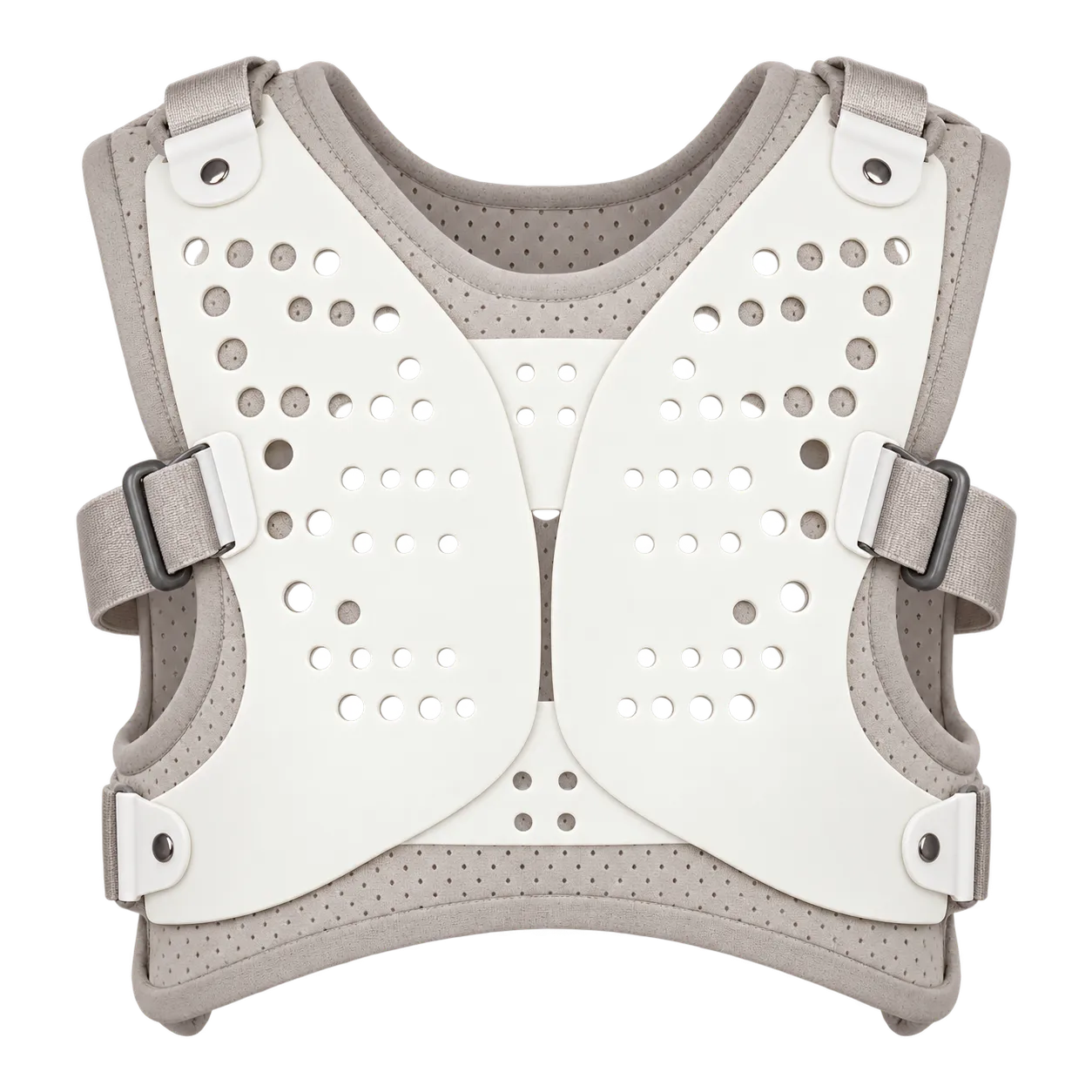
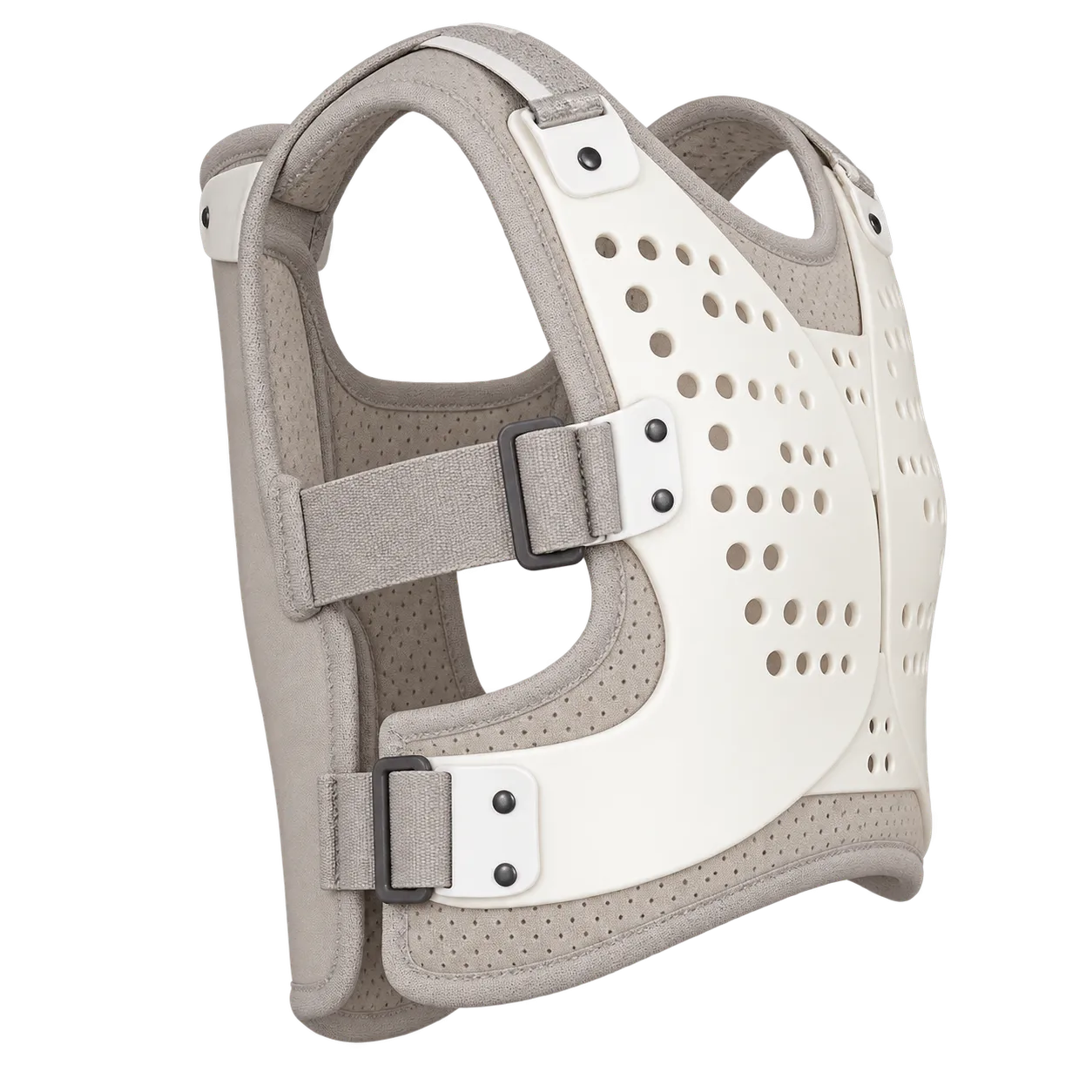
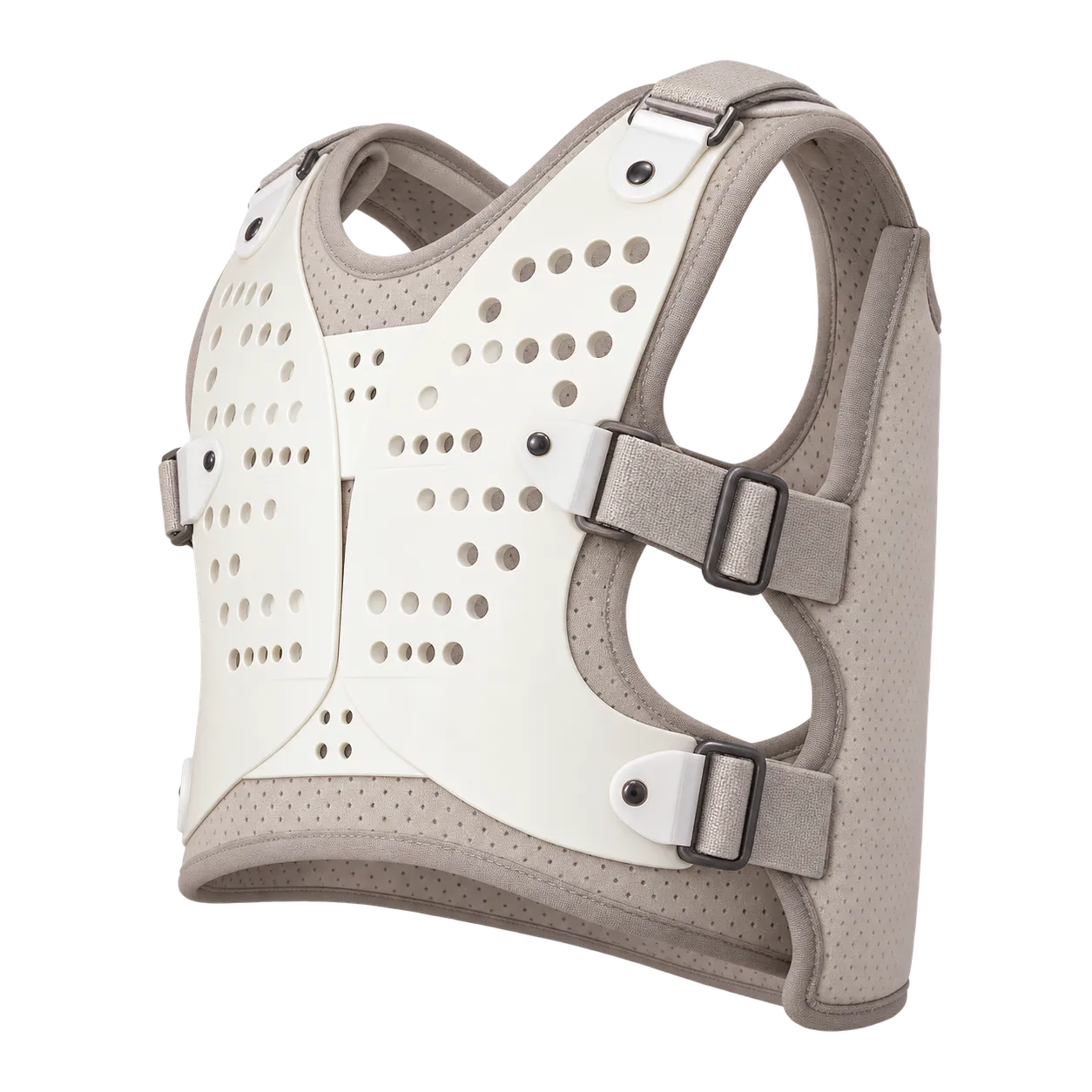
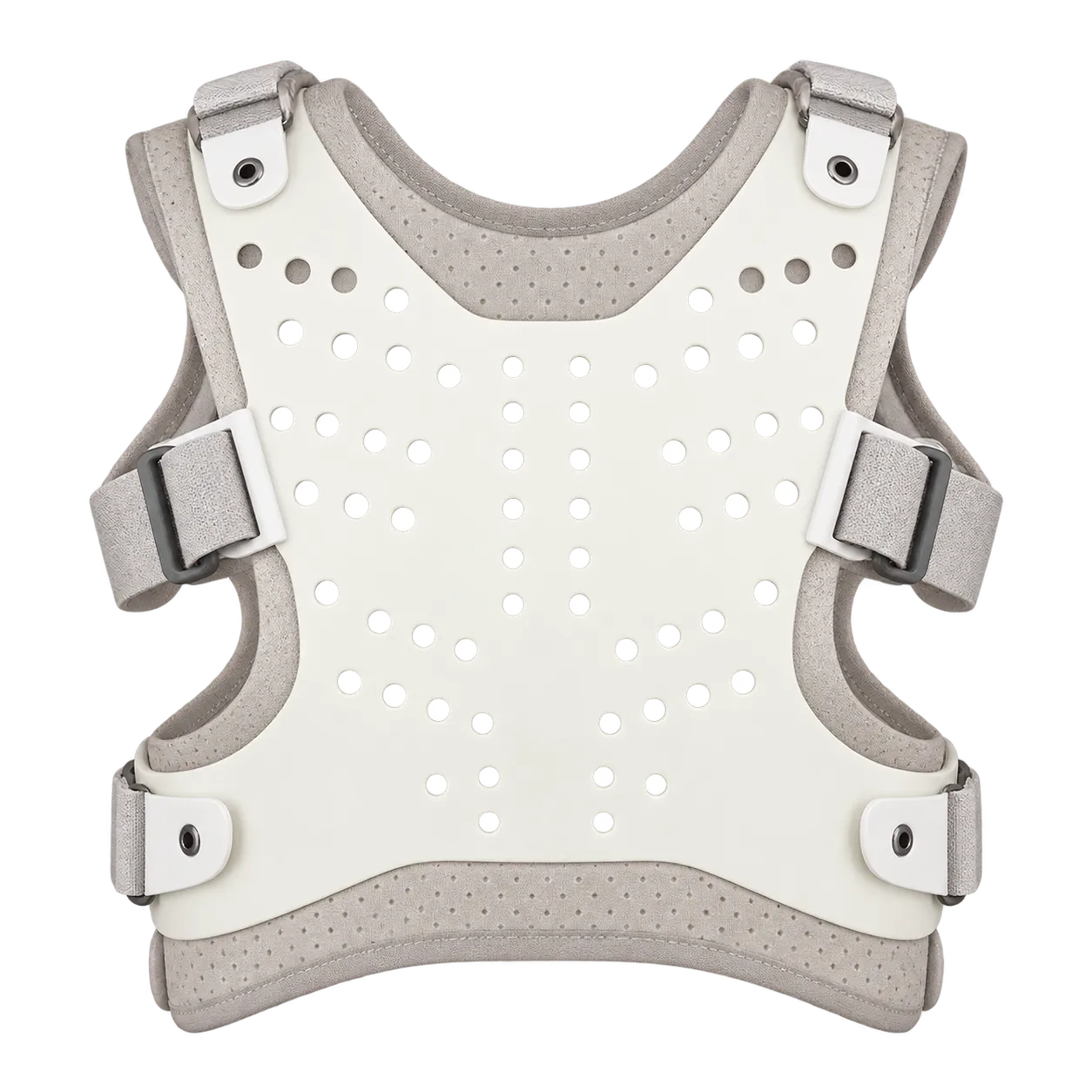
Hospital spinal and orthopaedic trauma units can stock the BL-10076 for adults with stable injuries from T12 to L1 when the surgeon has chosen bracing, and orthotics departments can fit it where a one-size design with height adjustment suits the patient. Spinal surgery wards can use it within a surgeon's postoperative protocol. Emergency departments that discharge stable spinal fractures to orthopaedic follow-up can hold it where local protocols specify a thoracolumbar brace. Fracture clinics and fracture liaison services that see osteoporotic vertebral fractures can hold it for patients whose clinician judges that a brace may help with pain, with bone health treatment running alongside.
Fit and safety define who it suits. Patients with neurological symptoms, an unstable injury pattern or uncertain imaging belong with the spinal team before any brace is considered. Chest coverage can restrict breathing in people with lung disease, a front shell can mark fragile skin, and patients who cannot report pressure need daily staff skin checks. Marked kyphosis, pregnancy and trunk sizes outside the brace's adjustment range may rule out a one-size design altogether. Patients and carers need to know how to put the brace on and take it off as the team instructs, since some protocols restrict bending and lifting during wear. Older patients may need help with the straps and the height knob.
Procurement routes for NHS trusts and for public hospitals in other countries ask for a device's conformity status and registration. The conformity documentation those procurement routes require is issued by the manufacturer and shared by the enquiry team.