
Medical equipment plays a critical role in patient care, clinical efficiency, and healthcare operations. Even the most advanced technology can create challenges if it is supplied without proper documentation, technical support, logistics planning, or after-sales service.
For healthcare facility buyers services decision-makers, selecting a reliable supplier is often just as important as selecting the equipment itself. A dependable supplier helps healthcare organisations reduce procurement risks, maintain compliance, and ensure equipment remains operational throughout its lifecycle.
Healthcare facilities that establish strong supplier relationships frequently experience fewer delays, better service support, and improved long-term value from their investments.
Product Quality Should Always Be the First Evaluation Criterion
Reliable suppliers consistently prioritise product quality and performance.
Access to Reputable Manufacturers- Experienced procurement professionals typically favour suppliers that work with recognised manufacturers and established healthcare technology brands.
This helps ensure equipment is supported by documented quality processes and proven clinical performance.
Consistent Product Standards- Reliable suppliers maintain quality standards across their product portfolios rather than focusing solely on individual products.
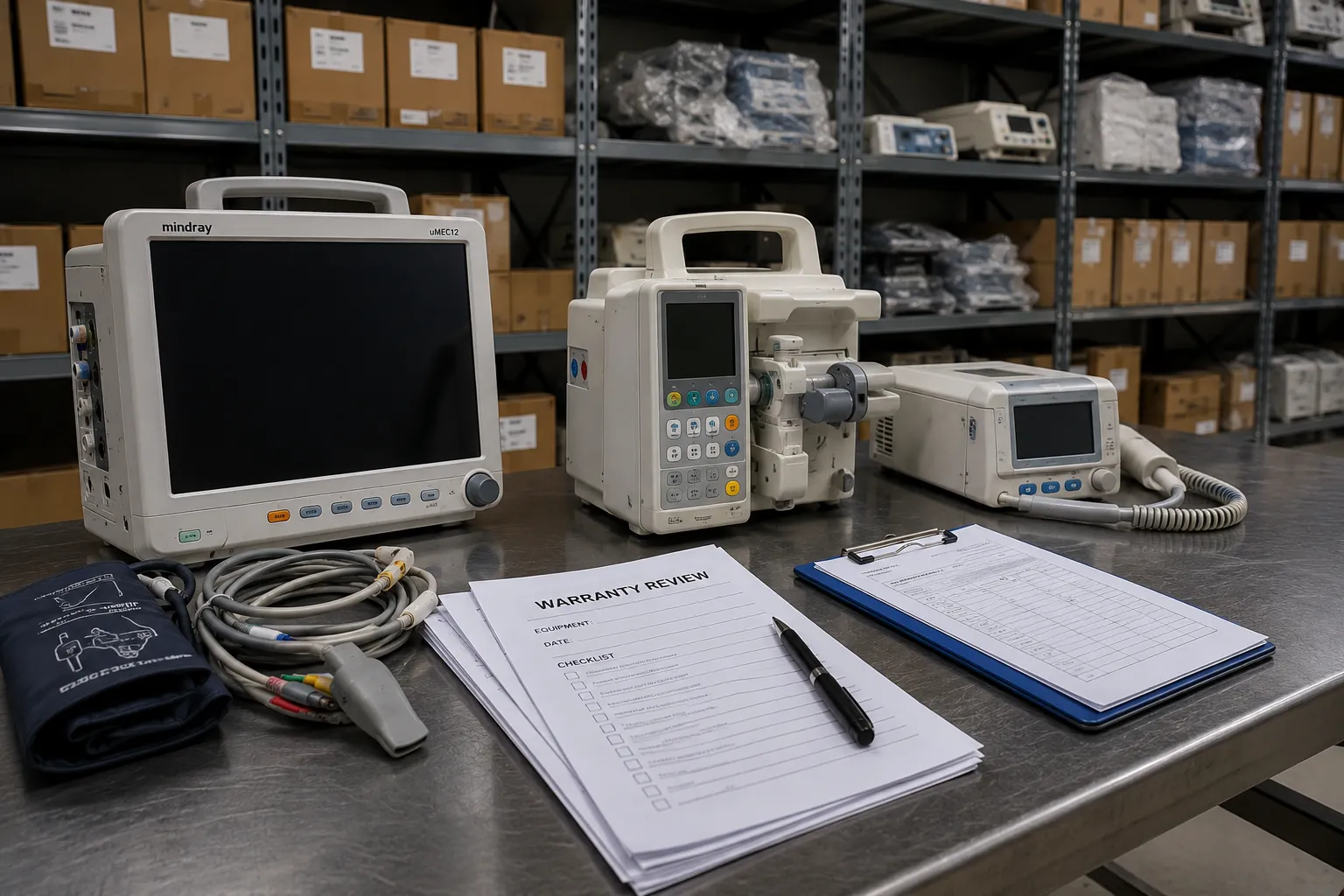
Documented Equipment History- Healthcare buyers increasingly request product documentation, testing records, calibration certificates, and performance verification reports before making purchasing decisions.
Facilities sourcing through regulated and certified equipment suppliers worldwide often benefit from greater transparency and traceability.
Regulatory Compliance Demonstrates Supplier Credibility
Compliance is one of the strongest indicators of supplier reliability.
Certification Support - Reliable suppliers provide documentation relevant to applicable healthcare markets, including CE, FDA, or regional regulatory equivalents, where appropriate.
Import and Export Expertise- International healthcare procurement frequently involves customs procedures, import regulations, and product registration requirements.
Suppliers with global experience can help healthcare organisations navigate these processes more effectively.
Traceability and Documentation: One aspect that surprises first-time buyers is the amount of documentation required to procure healthcare equipment.
Reliable suppliers maintain organised records that support audits, inspections, and compliance reviews.
Strong Technical Knowledge Creates Long-Term Value
A supplier should contribute expertise rather than simply process orders.
Product Selection Guidance- Experienced suppliers help healthcare facilities identify equipment that matches clinical requirements, infrastructure limitations, and budget objectives.
Clinical Application Understanding- Reliable suppliers understand how equipment is used within real healthcare environments.
This enables them to provide more meaningful recommendations during procurement planning.
Technology Comparison Support- Healthcare organisations often evaluate multiple equipment options before making decisions.
Suppliers that provide objective comparisons and technical insights can help reduce procurement risks.
Global Sourcing Capabilities Strengthen Supply Reliability
Healthcare facilities increasingly source equipment from international markets.
Access to Multiple Manufacturers- Suppliers with broad sourcing networks can provide greater flexibility when specific products face shortages or extended lead times.
Supply Chain Stability- Diversified sourcing reduces dependence on a single manufacturer or region.
Logistics Coordination- Reliable suppliers manage transportation, customs documentation, export procedures, and delivery planning effectively.
Healthcare organisations frequently evaluate suppliers of specialist medical equipment because supply chain resilience has become an important consideration in procurement.
After-Sales Support Is a Critical Differentiator
Support after delivery often determines the true value of a supplier relationship.
Installation Assistance- Many healthcare facilities require guidance during equipment installation and commissioning.
Technical Support Availability- Reliable suppliers provide access to technical expertise when operational questions arise.
Maintenance Coordination- Facilities that have deployed equipment at scale often report that maintenance support significantly influences long-term satisfaction.
Spare Parts Availability- Access to replacement parts can minimise downtime and protect clinical operations.
Procurement Transparency Builds Trust
Trustworthy suppliers communicate clearly throughout the procurement process.
Accurate Lead Time Information- Reliable suppliers provide realistic delivery schedules rather than overly optimistic timelines.
Transparent Pricing- Healthcare organisations value suppliers that provide clear quotations without hidden costs.
Risk Communication- Experienced suppliers proactively identify potential delays, compliance considerations, or logistics challenges.
This transparency helps healthcare facilities plan more effectively.
Procurement Guidance for Healthcare Buyers
Selecting a supplier should involve a structured evaluation process.
Assess Supplier Experience- Review experience within healthcare markets, product categories, and geographic regions relevant to your organisation.
Evaluate Service Capabilities- Suppliers should demonstrate support capabilities beyond equipment sales.
Healthcare organisations often review information from suppliers and manufacturers. business Advertise to global healthcare buyers when comparing service models, product portfolios, and industry expertise.
Review Customer References- Feedback from hospitals, clinics, and healthcare networks can provide valuable insight into supplier performance.
Examine Long-Term Partnership Potential- Healthcare organisations operating across multiple facilities frequently benefit from long-term medical equipment supply Business Partners that provide consistency, accountability, and procurement efficiency.
Technology Is Changing Supplier Expectations
Modern healthcare procurement increasingly involves digital capabilities.
Online Product Access- Healthcare buyers expect access to detailed specifications, documentation, and product information.
Digital Procurement Support- Online ordering systems and digital documentation streamline procurement workflows.
Supply Chain Visibility- Real-time shipment tracking and inventory visibility improve planning and operational efficiency.
Data-Driven Decision Support- Leading suppliers increasingly provide analytics and procurement insights that support strategic decision-making.
Building Long-Term Relationships With Medical Equipment Suppliers
Healthcare procurement is rarely a one-time activity. Most healthcare facilities continuously purchase, maintain, upgrade, and replace equipment. As a result, long-term supplier relationships can provide significant operational advantages.
Consistency Across Multiple Purchases: Working with a trusted supplier helps standardise procurement processes and equipment selection across departments.
Facilities operating multiple hospitals or clinics often benefit from greater consistency in equipment specifications, service standards, and documentation.
Improved Communication: Long-term supplier relationships typically improve communication and responsiveness.
Suppliers become more familiar with clinical requirements, procurement procedures, and organisational objectives.
Better Lifecycle Support- Reliable suppliers often provide ongoing support throughout the equipment lifecycle, including maintenance coordination, spare parts management, upgrades, and replacement planning.
Strategic Procurement Planning- Healthcare organisations increasingly view suppliers as strategic partners rather than transactional vendors.
This approach can improve forecasting, budgeting, and technology planning.
Common Warning Signs of an Unreliable Supplier
Healthcare buyers should also recognise potential risks when evaluating suppliers.
Incomplete Documentation- Suppliers that cannot provide clear product information, certifications, or compliance records may create procurement risks.
Unrealistic Delivery Promises- Overly optimistic delivery schedules can lead to operational disruptions if expectations are not met.
Limited Technical Knowledge- Suppliers should be able to answer questions regarding product capabilities, maintenance requirements, and clinical applications.
Poor After-Sales Support- Delayed responses, limited service availability, and a lack of spare parts support can significantly affect equipment performance after purchase.
Experienced procurement teams often identify these issues early during supplier evaluations.
The Growing Importance of Supply Chain Resilience
Recent global supply chain challenges have increased focus on supplier resilience.
Diversified Sourcing Networks- Suppliers with access to multiple manufacturers and regions are often better positioned to manage disruptions.
Inventory Management Capabilities- Reliable suppliers frequently maintain inventory strategies that help reduce lead times and improve availability.
Risk Mitigation Planning- Healthcare organisations increasingly evaluate how suppliers manage transportation delays, manufacturing interruptions, and geopolitical challenges.
Business Continuity Support- Strong suppliers can help healthcare providers maintain access to critical equipment during periods of uncertainty.
Supply chain resilience has become a major consideration for procurement professionals worldwide.
Future Trends in Medical Equipment Supply
The medical equipment supply sector continues evolving alongside healthcare technology.
Digital Procurement Platforms- Online procurement tools are improving efficiency and transparency.
AI-Assisted Inventory Management- Artificial intelligence may help suppliers and healthcare providers forecast demand more accurately.
Greater Sustainability Focus- Environmental performance is becoming an increasingly important factor in supplier evaluations.
Integrated Global Supply Networks- Healthcare procurement is expected to become more connected, data-driven, and internationally coordinated.
Suppliers that invest in technology, sustainability, compliance, and customer support are likely to remain valuable partners for healthcare organisations in the years ahead.
Final Thoughts
A reliable medical equipment supplier provides much more than access to products. Quality assurance, regulatory compliance, technical expertise, sourcing capabilities, logistics support, and after-sales service all contribute to successful healthcare procurement outcomes.
As healthcare technology becomes increasingly complex and globally sourced, supplier reliability continues to play a critical role in helping healthcare organisations maintain operational efficiency, compliance, and patient care standards.
Facilities that evaluate suppliers strategically and build long-term relationships often achieve stronger procurement outcomes and greater value from their healthcare technology investments.
Disclaimer
Medigear.uk is a global medical equipment supplier, exporter, and distributor. The content published on this page is intended for educational and informational purposes only. Information relating to medical equipment suppliers, procurement processes, regulatory compliance, logistics, certifications, supplier evaluations, and healthcare sourcing practices may vary depending on the healthcare system, equipment category, supplier capabilities, and regional regulations. Nothing on this page constitutes legal advice, regulatory guidance, procurement consultancy, financial advice, or purchasing recommendations. All supplier selection, procurement, compliance, and healthcare equipment purchasing decisions should be made by qualified procurement professionals, healthcare administrators, biomedical engineers, and compliant purchasing teams in accordance with applicable local laws, regulations, and healthcare standards.