Healthcare facilities rely on a vast range of equipment, from patient monitors and infusion pumps to imaging systems and laboratory analysers. As technology advances, older equipment is often replaced, creating significant challenges related to disposal, sustainability, and resource management.
For buyers services , recycling programmes provide an opportunity to reduce waste, recover valuable materials, improve sustainability performance, and support responsible equipment lifecycle management.
Facilities that implement structured recycling programmes often achieve environmental benefits while improving compliance and reducing disposal costs.
How Medical Equipment Recycling Programs Work
Medical equipment recycling programmes are designed to recover value from devices that have reached the end of their operational life.
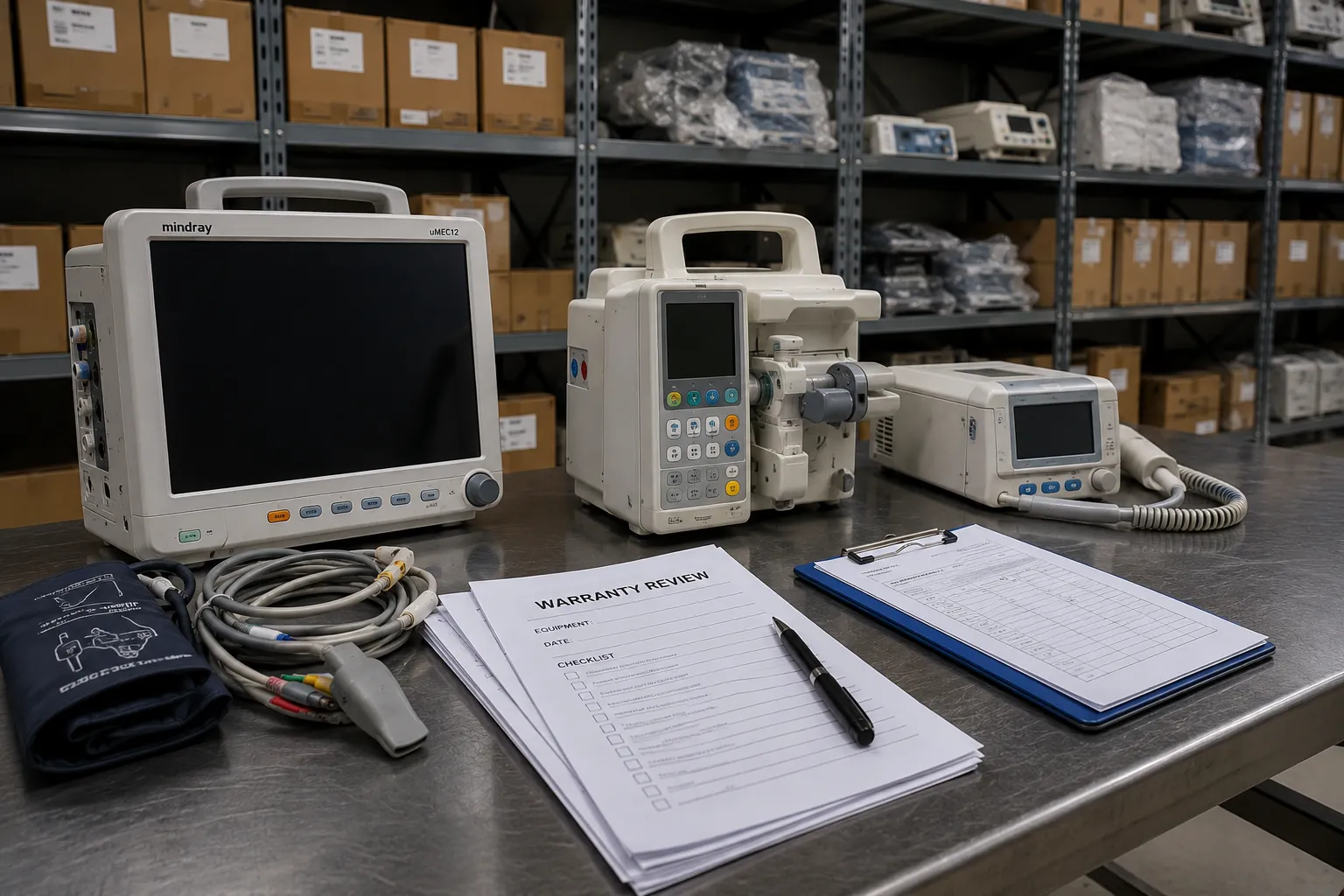
Equipment Assessment- Before recycling begins, equipment is evaluated to determine whether it can be refurbished, reused, donated, or recycled.
Experienced clinical supply managers typically prioritise reuse opportunities because extending product life often delivers greater sustainability benefits than immediate recycling.
Data and Safety Management- Devices containing digital information may require secure data removal before processing.
Safety inspections also ensure equipment can be handled, transported, and processed appropriately.
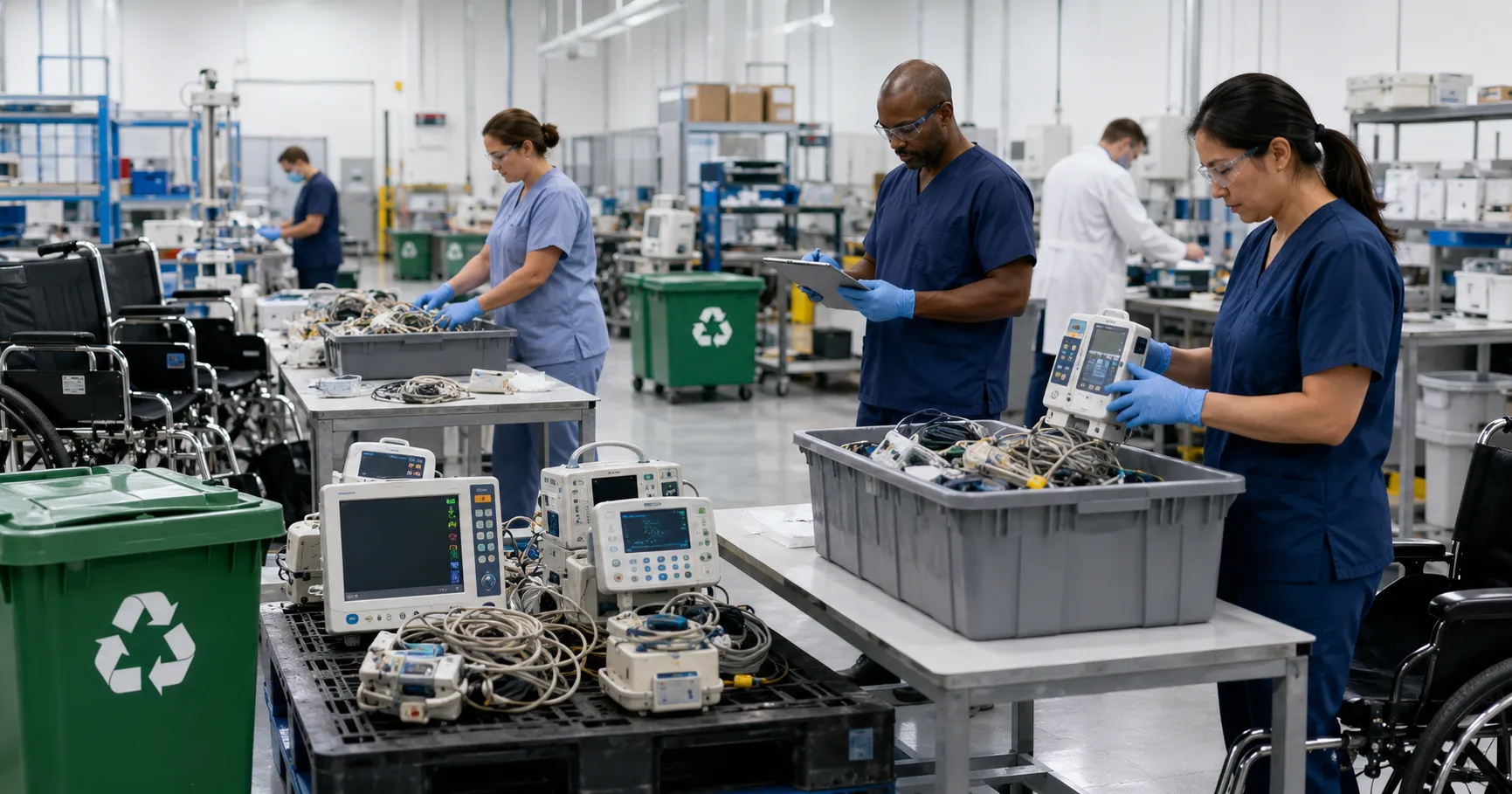
Material Separation- Medical equipment often contains valuable materials, including metals, plastics, circuit boards, wiring, and electronic components.
These materials are separated and processed for recovery and reuse.
Which Types of Medical Equipment Can Be Recycled?
Many categories of healthcare equipment contain recyclable materials.
Patient Monitoring Equipment: Patient monitors, ECG systems, pulse oximeters, and vital-sign monitoring devices often contain recoverable electronic components.
Laboratory Equipment- Laboratory analysers, centrifuges, refrigerators, and diagnostic systems may be suitable for recycling or refurbishment.
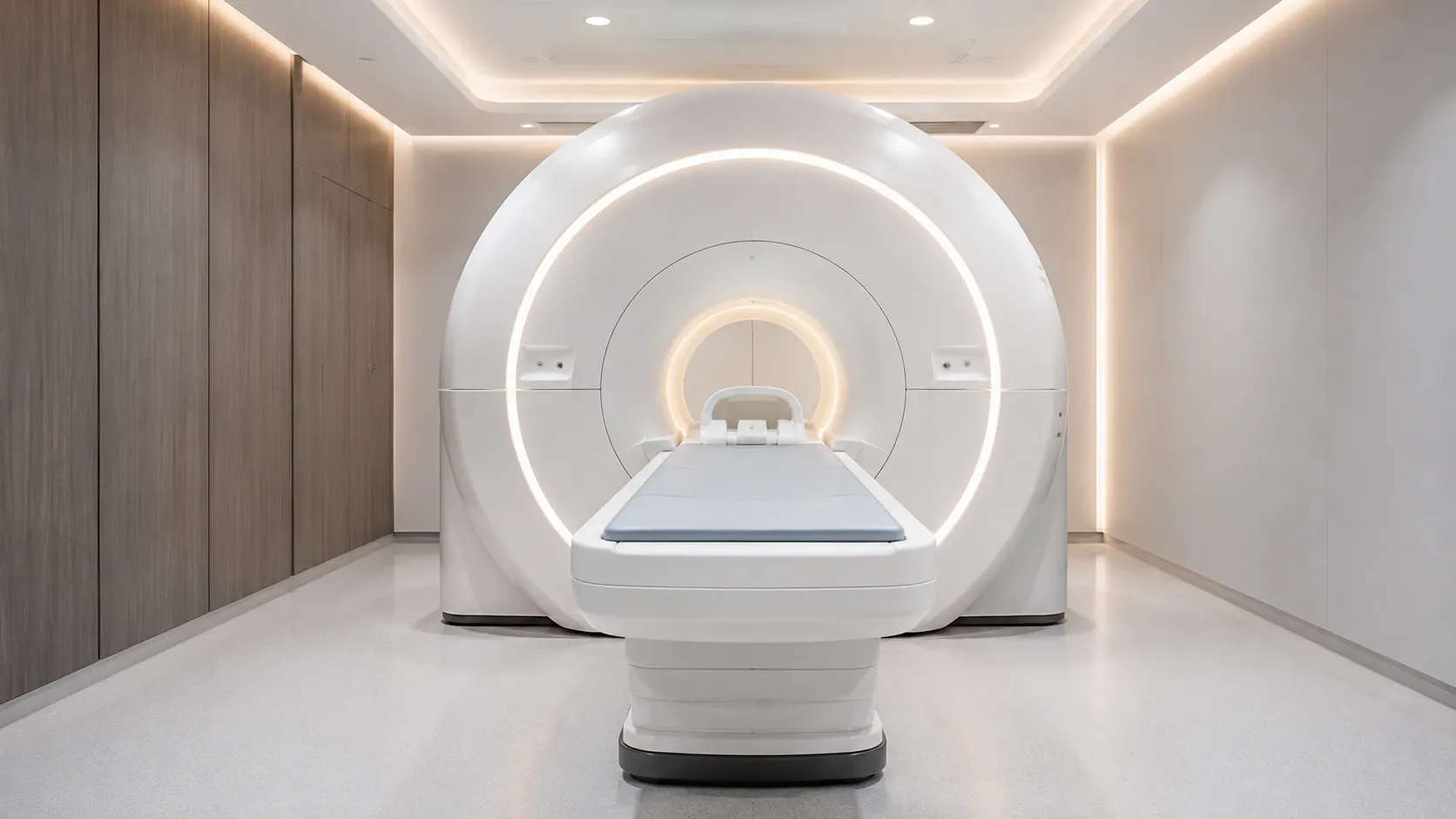
Imaging Equipment: X-ray systems, ultrasound devices, CT scanners, and MRI components can often be entered into specialised recycling programmes.
Healthcare organisations frequently work with business suppliers that provide recycling, refurbishment, and responsible disposal solutions.
Hospital Furniture and Accessories: Selected hospital furniture, carts, and support equipment may also be recyclable, depending on the materials and condition.
The Difference Between Recycling and Refurbishment
Many healthcare organisations confuse recycling and refurbishment, but the two approaches serve different purposes.
Equipment Refurbishment- Refurbishment restores equipment to operational condition through inspection, repair, testing, and certification.
This extends equipment lifespan and delays disposal.
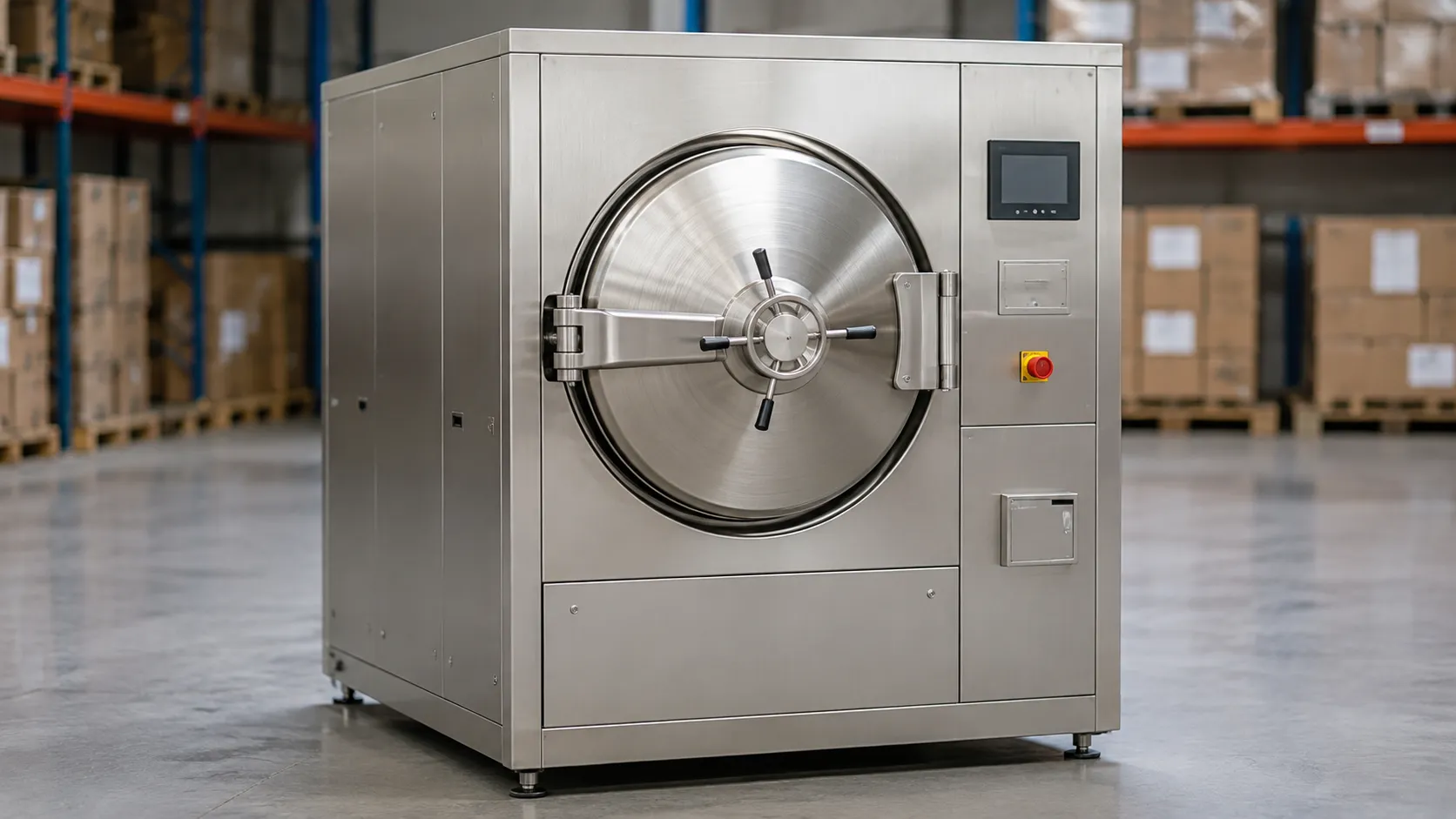
Equipment Recycling- Recycling focuses on recovering raw materials and components once equipment can no longer be used safely or economically.
Choosing the Right Approach- One aspect that surprises first-time buyers is that refurbishment often provides greater environmental value than recycling because it preserves the product's functional life.
Facilities generally evaluate equipment condition, market demand, maintenance history, and regulatory requirements before making decisions.
Environmental Benefits of Medical Equipment Recycling
Healthcare sustainability initiatives increasingly include recycling programmes.
Reduced Landfill Waste- Recycling prevents large quantities of equipment from entering waste streams.
Resource Conservation- Recovering metals, plastics, and electronic components reduces demand for new raw materials.
Lower Environmental Impact- Responsible recycling helps reduce emissions associated with manufacturing replacement materials.
Support for Sustainability Goals- Many healthcare organisations use recycling programmes as part of broader environmental performance strategies.
Facilities pursuing sustainability targets often incorporate recycling metrics into annual reporting programmes.
Challenges Associated With Medical Equipment Recycling
Recycling programmes require careful planning and management.
Regulatory Compliance- Equipment disposal requirements vary across healthcare systems and jurisdictions.
Data Security Requirements- Connected medical devices may contain sensitive information that requires secure removal.
Specialised Processing Needs- Advanced imaging systems and electronic equipment often require specialist recycling capabilities.
Logistics and Transportation- Large equipment may require specialised handling and transport arrangements.
Healthcare organisations often rely on business Advertise that offer documented recycling and recovery services.
How Procurement Teams Can Support Recycling Initiatives
Procurement decisions influence equipment sustainability long before disposal occurs.
Evaluating Lifecycle Management Options- Buyers increasingly assess recycling and take-back programmes when selecting suppliers.
Prioritising Sustainable Suppliers- Organisations often favour suppliers that provide transparent environmental programmes.
Considering Refurbishment Potential- Equipment designed for repair and refurbishment generally aligns well with circular economy principles.
Healthcare networks managing multiple facilities frequently benefit from business partners that include lifecycle management, refurbishment support, and recycling services.
The Future of Medical Equipment Recycling
Several developments are expected to strengthen recycling programmes.
Circular Economy Adoption- Healthcare organisations are increasingly embracing circular economy principles that prioritise reuse, refurbishment, and recycling.
Manufacturer Take-Back Programmes- More manufacturers are expected to offer structured equipment recovery initiatives.
Improved Material Recovery Technologies- Advances in recycling technologies may increase recovery rates and improve processing efficiency.
Digital Lifecycle Tracking- Connected asset management platforms will likely provide greater visibility into equipment lifecycle planning and end-of-life decisions.
Facilities that integrate recycling programmes into broader sustainability strategies are often better positioned to achieve long-term environmental and operational goals.
Building a Successful Medical Equipment Recycling Strategy
Healthcare organisations that achieve strong sustainability outcomes typically treat recycling as part of a broader equipment lifecycle management programme rather than a standalone activity.
Creating Equipment Inventories- Accurate asset inventories help healthcare facilities identify equipment approaching the end of life and determine whether refurbishment, resale, donation, or recycling is the most appropriate option.
Experienced clinical supply managers often use lifecycle data to make more informed replacement decisions.
Developing End-of-Life Policies- Structured policies ensure equipment is processed consistently and responsibly.
These policies frequently address decommissioning procedures, data security requirements, environmental compliance, and approved recycling partners.
Training Internal Teams- Biomedical engineering departments, procurement teams, and facility managers all play important roles in successful recycling programmes.
Staff awareness helps ensure equipment is handled appropriately throughout the disposal process.
Monitoring Sustainability Performance- Healthcare facilities increasingly track recycling rates, waste-reduction achievements, and resource-recovery metrics.
This information can support sustainability reporting and organisational environmental objectives.
The Role of Manufacturers in Equipment Recycling
Manufacturers are becoming increasingly involved in medical equipment lifecycle management.
Take-Back Programmes- Some manufacturers offer equipment recovery programmes that help healthcare organisations dispose of devices responsibly.
Refurbishment Services- Manufacturer-supported refurbishment initiatives can extend equipment lifespan while maintaining performance standards.
Recycling Partnerships- Collaboration between manufacturers and specialist recycling providers can improve material recovery rates and environmental outcomes.
Sustainable Product Design- Many manufacturers are developing equipment with greater emphasis on recyclability, repairability, and component reuse.
Facilities sourcing newer technologies often find that sustainability features are becoming an increasingly important part of product design.
Donation and Reuse as Alternatives to Recycling
Not all equipment reaching the end of life in one facility has reached the end of its useful life.
Healthcare Equipment Donations- Suitable equipment may support healthcare organisations operating with limited resources.
Secondary Market Opportunities- Refurbished equipment can provide value to facilities seeking cost-effective technology solutions.
Extending Product Lifecycles- Reuse strategies often deliver greater environmental benefits than immediate recycling because they maximise the productive use of existing resources.
Healthcare organisations typically evaluate safety, performance, regulatory requirements, and market demand before pursuing donation or resale options.
Why Recycling Will Become More Important in the Future
Healthcare systems worldwide continue expanding their focus on sustainability and environmental responsibility.
Growing Regulatory Expectations- Environmental reporting and waste management requirements are becoming increasingly important across many healthcare markets.
Rising Equipment Volumes- As healthcare technology adoption increases, the volume of equipment reaching the end of life will continue to grow.
Circular Economy Integration- Circular economy principles are expected to become more deeply embedded within healthcare procurement and asset management strategies.
Improved Recycling Technologies- Future innovations may improve material recovery, reduce processing costs, and increase the value recovered from retired equipment.
Healthcare facilities that establish structured recycling programmes today are often better positioned to meet future sustainability expectations, reduce waste, and improve resource efficiency.
Final Thoughts
Medical equipment recycling programmes play an increasingly important role in helping healthcare organisations manage sustainability, reduce waste, and improve resource utilisation. While recycling remains an important end-of-life solution, many facilities achieve the greatest environmental benefits by combining recycling with refurbishment, reuse, lifecycle management, and sustainable procurement strategies.
As healthcare providers continue pursuing environmental goals and circular economy initiatives, structured recycling programmes are expected to become a standard component of responsible healthcare equipment management. Organisations that plan proactively can often improve sustainability performance while maintaining operational efficiency and regulatory compliance.
Disclaimer
Medigear.uk is a global medical equipment supplier, exporter, and distributor. The content published on this page is intended for educational and informational purposes only. Information on medical equipment recycling, refurbishment, and disposal practices; environmental compliance; sustainability programmes; and waste management requirements may vary by equipment type, manufacturer specifications, local regulations, and healthcare system requirements. Nothing on this page constitutes environmental advice, legal advice, regulatory guidance, engineering consultation, or procurement recommendations. All decisions regarding equipment disposal, recycling, refurbishment, sustainability, and procurement should be made by qualified healthcare professionals, biomedical engineers, environmental specialists, and compliant procurement teams, in accordance with applicable local laws, regulations, and healthcare standards.