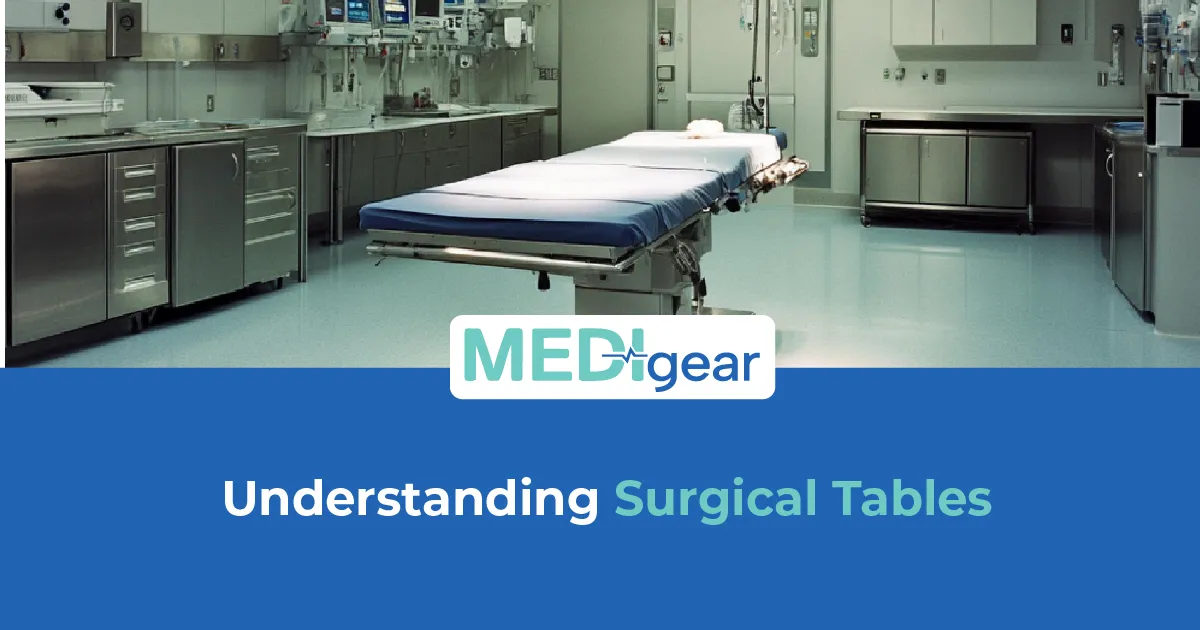
Surgical tables are one of the most important pieces of equipment in any operating room. They provide a stable platform for patient positioning during surgical procedures while allowing healthcare professionals to access the surgical site safely and efficiently.
Modern surgical tables have evolved far beyond simple patient support surfaces. Today's systems offer advanced positioning controls, imaging compatibility, ergonomic designs, and multi-speciality functionality that help improve surgical workflow and operating room efficiency.
This guide explains what surgical tables are, how they work, the different types available, their key features, and the factors healthcare facilities should consider when selecting one.
What Is a Surgical Table?
A surgical table, also known as an operating table, is a specialised medical device designed to support patients during surgical procedures.
These tables allow precise positioning adjustments that help surgeons gain optimal access to the operative site while maintaining patient stability and comfort.
Why Surgical Tables Are Important - Operating tables play a central role in surgical workflow management.
Supporting Proper Patient Positioning – Accurate positioning helps improve surgical access and procedural efficiency.
Enhancing Operating Room Flexibility – Modern tables support a wide range of surgical specialities and procedures.
Healthcare facilities evaluating operating room infrastructure often review sourcing support resources available through Buyers Services.
How Surgical Tables Work
Modern surgical tables use mechanical, hydraulic, or electro-hydraulic systems to adjust patient positioning during procedures.
Common Table Movements
Most surgical tables support:
-
Height adjustment
-
Trendelenburg positioning
-
Reverse Trendelenburg positioning
-
Lateral tilt
-
Backrest adjustment
-
Leg section adjustment
Improving Surgical Access – Adjustable positioning helps optimise exposure of the surgical area.
Supporting Procedural Precision – Flexible positioning contributes to smoother surgical workflows.
Hospitals modernising their operating room infrastructure may also find value in Medigear—uUK's educational guide covering essential surgical equipment for modern operating rooms.
Main Components of a Surgical Table
Several components work together to provide stability and flexibility during surgery.
Tabletop Sections - Modern surgical tables are typically divided into multiple adjustable sections.
Supporting Customised Positioning – Independent movement improves adaptability for different procedures.
Base Unit - The base provides structural stability and supports movement mechanisms.
Maintaining Safe Patient Support – Stable construction helps ensure safety in the operating room.
Control System - Modern tables commonly include electronic control systems.
Improving Positioning Accuracy – Digital controls allow precise adjustments during procedures.
Locking Mechanisms - Locking systems help secure the table position during surgery.
Enhancing Operational Stability – Secure positioning supports safer surgical workflow.
Healthcare suppliers supporting the development of surgical infrastructure may also explore collaboration opportunities through business Suppliers.
Types of Surgical Tables
Different surgical specialities often require specialised operating table configurations.
General Surgery Tables - These are designed to support a broad range of procedures.
Providing Multi-Speciality Flexibility – Suitable for a wide range of operating room environments.
Orthopaedic Surgical Tables. Orthopaedic procedures often require specialised positioning capabilities.
Supporting Complex Musculoskeletal Procedures – Enhanced positioning improves surgical access.
Neurosurgery Tables - Neurosurgical environments demand highly precise positioning control.
Improving Surgical Accuracy –Specialised configurations support delicate procedures.
Gynaecology and Urology Tables - These tables are optimised for procedures requiring specific patient positioning.
Enhancing Procedural Efficiency – Specialised features support workflow requirements.
Bariatric Surgical Tables - Designed for higher patient weight capacities.
Supporting Greater Patient Accommodation – Heavy-duty construction improves versatility.
Healthcare organizations exploring healthcare technology partnerships may also review opportunities available through business Partners.
Key Features of Modern Surgical Tables
Technology advancements have introduced numerous features that improve operating room efficiency.
Electro-Hydraulic Operation - Modern tables often use electro-hydraulic systems for smooth movement.
Improving Positioning Control – Automated adjustments enhance workflow precision.
Radiolucent Tabletops - Many surgical tables support imaging compatibility.
Facilitating Intraoperative Imaging – Radiolucent surfaces improve X-ray and fluoroscopy access.
Memory Position Functions - Advanced systems can store commonly used positions.
Supporting Faster Procedure Setup – Preset configurations improve efficiency.
Integrated Safety Features - Modern systems include emergency controls and safety mechanisms.
Enhancing Operating Room Safety – Built-in protections help reduce operational risks.
Facilities reviewing broader surgical planning often compare workflow considerations alongside surgical lighting systems, anaesthesia machines, and patient monitoring equipment.
Benefits of Modern Surgical Tables
Modern operating tables offer several advantages for healthcare facilities.
Improved Surgical Access - Flexible positioning helps surgeons perform procedures more efficiently.
Supporting Better Workflow Coordination – Improved access contributes to smoother procedures.
Enhanced Patient Stability - Advanced support systems maintain secure patient positioning.
Improving Procedural Safety – Stable positioning supports operating room reliability.
Greater Procedure Versatility - One table may support multiple surgical specialities.
Reducing Equipment Requirements – Multi-purpose systems improve operational flexibility.
Better Imaging Integration - Many tables are designed to work seamlessly with imaging systems.
Supporting Modern Surgical Techniques – Integrated imaging compatibility improves procedural capability.
Healthcare companies interested in improving visibility within the healthcare equipment industry may also explore promotional opportunities through business Advertise.
Factors to Consider Before Purchasing a Surgical Table
Healthcare facilities should carefully evaluate both clinical and operational requirements.
Key Procurement Considerations
-
Surgical specialty requirements
-
Weight capacity
-
Positioning flexibility
-
Imaging compatibility
-
Table mobility
-
Control system design
-
Maintenance support
-
Operating room space
Balancing Functionality With Workflow Needs – Equipment selection should align with procedural requirements.
Evaluating Long-Term Reliability – Durable systems help maintain operating room efficiency.
Maintenance Requirements for Surgical Tables
Routine maintenance is important for preserving performance and safety.
Common Maintenance Procedures
-
Hydraulic system inspection
-
Electrical safety testing
-
Movement verification
-
Locking mechanism checks
-
Control system evaluation
-
Cleaning and disinfection
Reducing Unexpected Downtime – Preventive maintenance supports operating room readiness.
Extending Equipment Lifespan – Regular servicing improves long-term reliability.
Facilities modernising surgical infrastructure often compare maintenance planning alongside electrosurgical units and operating room integration systems.
Emerging Trends in Surgical Table Technology
Surgical tables continue evolving alongside broader operating room innovations.
Smart Positioning Systems - Advanced tables increasingly support automated positioning adjustments.
Improving Workflow Efficiency – Automated controls simplify setup and positioning tasks.
Enhanced Imaging Compatibility - Manufacturers are improving support for advanced imaging-guided procedures.
Supporting Minimally Invasive Surgery – Better integration of imaging enhances procedural precision.
Connected Operating Room Integration - Modern tables are becoming part of integrated OR ecosystems.
Enhancing Workflow Coordination – Connected systems improve operational management.
Improved Ergonomics - Design improvements focus on surgeon comfort and workflow efficiency.
Reducing Procedural Fatigue – Better ergonomics support long surgical cases.
Healthcare facilities seeking support with operating room infrastructure planning or sourcing guidance can contact the Contact Team for additional information.
Disclaimer
Medigear.uk is a medical equipment supplier and distributor. We do not provide medical advice, diagnosis, or treatment recommendations. All information is for educational and product awareness purposes only. Qualified medical professionals should always make healthcare decisions.