As hospitals and healthcare facilities increasingly adopt connected medical devices, cybersecurity has become an essential part of medical equipment management. Modern healthcare technologies—including patient monitors, infusion pumps, imaging systems, laboratory analysers, and wearable devices—often connect to hospital networks, cloud platforms, and electronic health record systems. While connectivity improves efficiency and data sharing, it also introduces new cybersecurity considerations.
Protecting medical devices from cyber threats helps support equipment availability, safeguard healthcare information, and maintain reliable hospital operations. Healthcare organisations, equipment manufacturers, and procurement teams should consider cybersecurity throughout the entire medical equipment lifecycle, from purchasing and installation to maintenance and replacement.
This guide explains the importance of cybersecurity for medical devices and outlines practical strategies for reducing cyber risks in healthcare environments.
What Is Medical Device Cybersecurity?
Medical device cybersecurity refers to the policies, technologies, and processes used to protect connected medical equipment and supporting healthcare systems from unauthorised access, malware, ransomware, data breaches, and other cyber threats.
Cybersecurity aims to help ensure:
-
Reliable equipment operation.
-
Protection of healthcare information.
-
Secure communication between devices.
-
System integrity.
-
Business continuity.
As healthcare becomes more digital, cybersecurity has become a shared responsibility between healthcare organisations, manufacturers, service providers, and IT teams.
Why Cybersecurity Is Important
Medical devices often operate within interconnected healthcare environments.
Strong cybersecurity supports:
Equipment Availability – Helping reduce interruptions caused by cyber incidents.
Operational Continuity – Supporting uninterrupted hospital workflows.
Protection of Healthcare Information – Helping safeguard sensitive operational and patient-related data.
Regulatory Readiness – Supporting compliance with applicable cybersecurity and data protection requirements.
Cybersecurity planning is now an important consideration during medical equipment procurement.
Medical Devices That May Require Cybersecurity Planning
Many modern medical devices include digital connectivity.
Examples include:
-
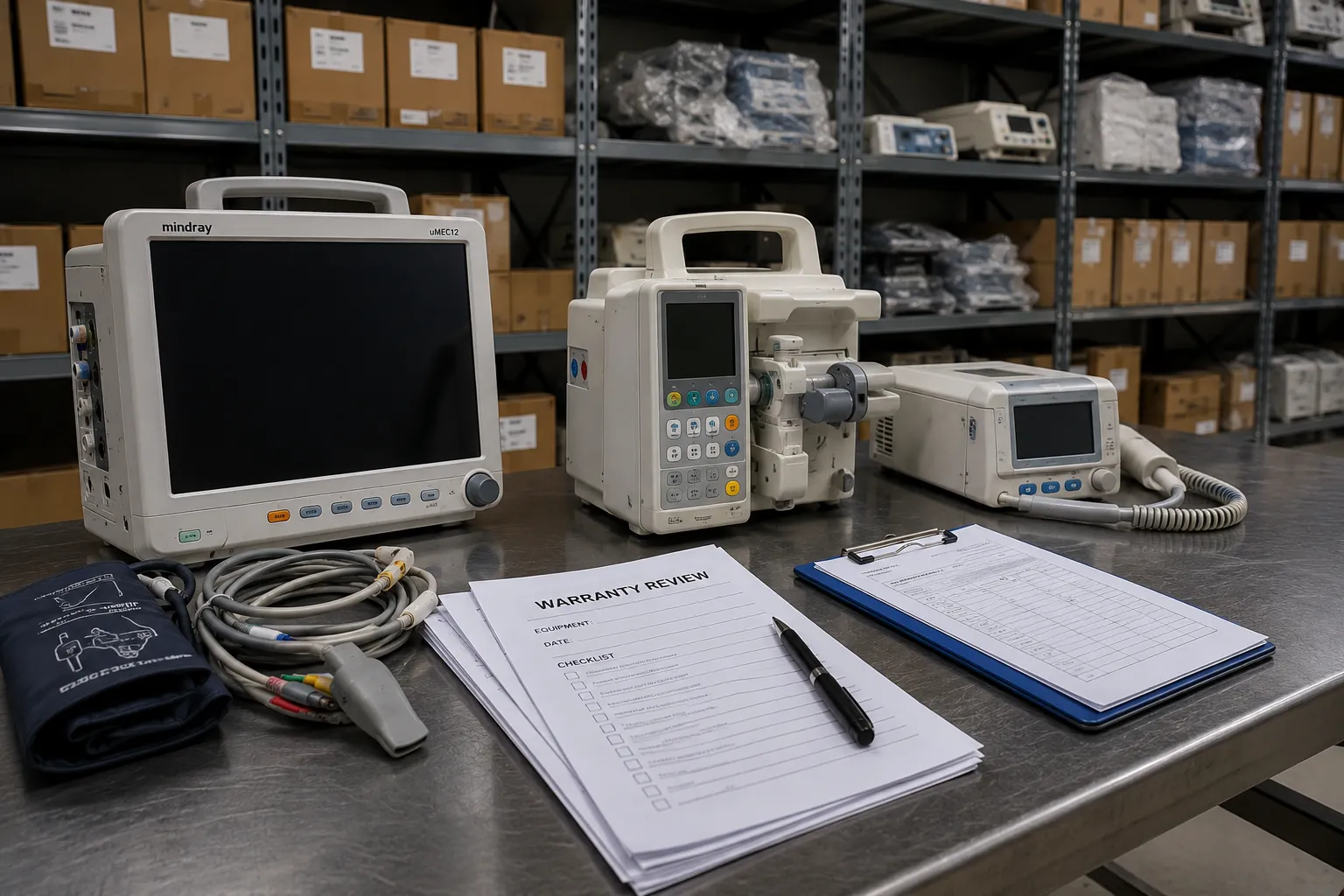
Patient monitoring systems.
-
Ventilators.
-
Infusion pumps.
-
Digital X-ray systems.
-
CT scanners.
-
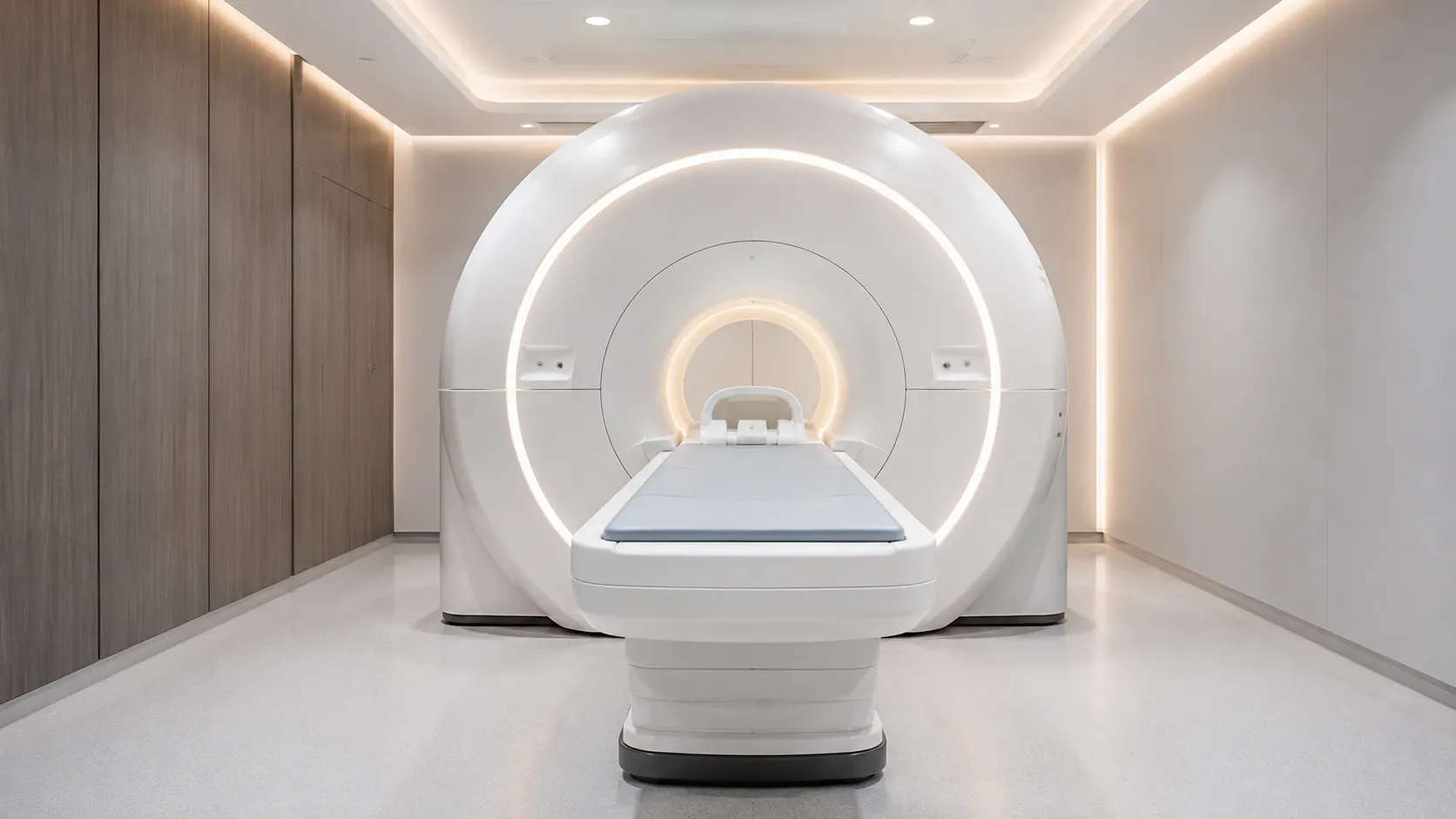
MRI systems.
-
Ultrasound equipment.
-
Laboratory analysers.
-
Smart hospital beds.
-
Home healthcare monitoring devices.
The level of cybersecurity required depends on the device's connectivity, software, intended use, and healthcare environment.
Healthcare organisations exploring secure medical equipment solutions can discover sourcing opportunities through buyer services.
Common Cybersecurity Risks
Healthcare organisations should understand the common threats affecting connected medical devices.
Potential risks include:
Unauthorised Access - Weak authentication or poor access controls may increase the risk of unauthorised access to the system.
Malware and Ransomware - Malicious software can disrupt healthcare operations and affect connected devices.
Unpatched Software - Outdated operating systems or software may contain known security vulnerabilities.
Network Misconfiguration - Improperly configured networks can expose medical devices to unnecessary risks.
Phishing Attacks - Cybercriminals may target healthcare staff through deceptive emails or messages designed to obtain login credentials.
Understanding these risks helps organisations develop more effective cybersecurity strategies.
Secure Procurement Starts Before Installation
Cybersecurity should be considered during equipment selection—not only after deployment.
Healthcare buyers should evaluate:
-
Security documentation.
-
Software update policies.
-
Supported operating systems.
-
Authentication features.
-
Network compatibility.
-
Vendor cybersecurity guidance.
Including cybersecurity requirements in procurement planning supports long-term risk management.
Implement Strong Access Controls
Access to connected medical equipment should be limited to authorised users.
Best practices include:
-
Unique user accounts.
-
Strong passwords.
-
Multi-factor authentication is supported.
-
Role-based permissions.
-
Regular account reviews.
Proper access management reduces the likelihood of unauthorised system use.
Healthcare suppliers interested in supporting secure healthcare technology can explore: business suppliers.
Keep Software Updated
Manufacturers may release software updates to improve functionality or address security issues.
Healthcare organisations should:
-
Follow approved update procedures.
-
Maintain updated records.
-
Test updates where appropriate before deployment.
-
Coordinate updates with equipment vendors when necessary.
A structured update process helps maintain device security while minimising operational disruption.
Network Segmentation Improves Security
Separating medical devices from general-purpose IT networks can help reduce cyber risks.
Benefits include:
-
Limiting the spread of malware.
-
Improving traffic monitoring.
-
Enhancing network management.
-
Supporting incident response.
Healthcare IT teams often incorporate network segmentation into broader cybersecurity strategies.
Monitor Connected Medical Devices
Continuous monitoring helps identify unusual activity.
Organisations may track:
-
Device connectivity.
-
Software versions.
-
Login activity.
-
Configuration changes.
-
System alerts.
-
Network traffic.
Early detection supports faster investigation and response to potential security events.
Train Healthcare Staff
Technology alone cannot eliminate cybersecurity risks.
Training should cover:
-
Recognising phishing attempts.
-
Safe password practices.
-
Reporting suspicious activity.
-
Secure use of connected devices.
-
Basic cybersecurity awareness.
Regular education helps build a stronger security culture throughout healthcare organisations.
Healthcare organisations interested in strategic partnerships can explore: business partners.
Develop an Incident Response Plan
Healthcare organisations should prepare for potential cybersecurity incidents.
An incident response plan may include:
-
Incident reporting procedures.
-
Device isolation processes.
-
Communication plans.
-
System recovery procedures.
-
Documentation requirements.
-
Post-incident reviews.
Preparation helps reduce recovery time if an incident occurs.
Emerging Technologies Supporting Cybersecurity
Healthcare cybersecurity continues to evolve.
New technologies include:
Artificial Intelligence – Supporting threat detection and anomaly monitoring.
Zero Trust Security Models – Verifying every connection before granting access.
Cloud Security Platforms – Protecting connected healthcare environments.
Automated Vulnerability Management – Helping identify security weaknesses.
Advanced Encryption – Protecting information during transmission and storage.
These technologies are expected to strengthen medical device security as healthcare becomes increasingly connected.
Businesses seeking greater visibility within the healthcare industry can discover opportunities through business advertising
For sourcing assistance, procurement guidance, and product enquiries, support is available through the Contact Team.
Conclusion
Cybersecurity for medical devices is an essential part of modern healthcare. As hospitals adopt more connected equipment, protecting medical devices from cyber threats helps support operational continuity, equipment reliability, and secure healthcare environments.
By considering cybersecurity during procurement, maintaining software updates, implementing strong access controls, monitoring connected devices, and training healthcare staff,organisationss can significantly strengthen their medical device security strategy while preparing for future digital healthcare innovations.
Disclaimer
Medigear.uk is a medical equipment supplier and distributor. We do not provide cybersecurity, legal, regulatory, or medical advice. This article is for general educational and informational purposes only. Healthcare organisations should consult qualified cybersecurity professionals, IT teams, manufacturers, and relevant regulatory authorities when developing or implementing medical device cybersecurity strategies.