The healthcare industry continues to evolve rapidly as new technologies transform how hospitals, clinics, diagnostic centres, and healthcare providers deliver patient care. In 2026, innovation is being driven by artificial intelligence (AI), connected medical devices, robotics, cloud computing, advanced imaging, and digital healthcare platforms.
Medical equipment is becoming smarter, more connected, and increasingly capable of supporting healthcare professionals with improved workflows, better equipment management, and enhanced clinical decision support. These innovations are helping healthcare organizations improve efficiency while preparing for the future of modern medicine.
This guide explores some of the most significant innovations in medical equipment shaping healthcare in 2026.
Artificial Intelligence Is Becoming Standard
Artificial intelligence continues to be integrated into a wide range of medical equipment.
Common applications include:
-
AI-assisted diagnostic imaging.
-
Clinical decision support.
-
Automated image analysis.
-
Predictive equipment maintenance.
-
Workflow optimization.
-
Resource planning.
AI is helping healthcare professionals process information more efficiently while supporting operational decision-making.
Smart Patient Monitoring Systems
Patient monitoring technology continues to evolve with greater connectivity and automation.
Modern systems now offer features such as:
-
Continuous wireless monitoring.
-
Real-time data sharing.
-
Central monitoring dashboards.
-
Cloud connectivity.
-
Mobile device access.
-
Automated notifications.
These systems improve equipment visibility while supporting more efficient patient monitoring.
Healthcare organizations exploring advanced monitoring solutions can discover sourcing opportunities through buyer services.
Connected Medical Devices
Connected healthcare equipment remains one of the fastest-growing areas of medical technology.
Examples include:
-
Smart infusion pumps.
-
Connected ventilators.
-
Digital ECG systems.
-
Wireless patient monitors.
-
Intelligent hospital beds.
-
Smart laboratory analyzers.
Connected devices improve communication between equipment while supporting integrated healthcare environments.
Cloud-Based Equipment Management
Cloud technology is transforming medical equipment management.
Benefits include:
Remote Equipment Monitoring – Authorized users can monitor equipment across multiple facilities.
Digital Maintenance Records – Service history is stored electronically.
Asset Tracking – Hospitals can monitor equipment location and utilization.
Predictive Maintenance – Cloud analytics help identify maintenance needs before failures occur.
Cloud platforms are helping healthcare organizations improve equipment lifecycle management.
Robotics in Healthcare
Medical robotics continues to expand across multiple healthcare settings.
Applications include:
-
Robotic-assisted surgery.
-
Automated laboratory systems.
-
Pharmacy automation.
-
Rehabilitation robotics.
-
Logistics support within hospitals.
Robotics helps improve workflow efficiency and reduce repetitive manual tasks.
Portable Diagnostic Equipment
Portable medical devices continue to become more powerful and compact.
Popular innovations include:
-
Handheld ultrasound systems.
-
Portable ECG machines.
-
Mobile X-ray equipment.
-
Compact patient monitors.
-
Portable laboratory analyzers.
Portable technologies improve accessibility and support healthcare delivery in diverse clinical environments.
Healthcare suppliers interested in expanding their technology portfolio can explore: business suppliers.
Internet of Medical Things (IoMT)
The Internet of Medical Things (IoMT) continues connecting medical devices throughout hospitals.
Benefits include:
-
Real-time equipment communication.
-
Centralized monitoring.
-
Automated data transfer.
-
Improved asset management.
-
Enhanced workflow coordination.
IoMT creates a more integrated healthcare ecosystem where connected devices work together efficiently.
Wearable Medical Technologies
Wearable healthcare devices continue expanding beyond consumer wellness products.
Medical-grade wearable technologies include:
-
Continuous cardiac monitoring devices.
-
Wearable ECG systems.
-
Portable respiratory monitors.
-
Smart biosensors.
-
Continuous physiological monitoring devices.
These technologies support long-term health monitoring in both clinical and home healthcare settings.
Advanced Imaging Innovations
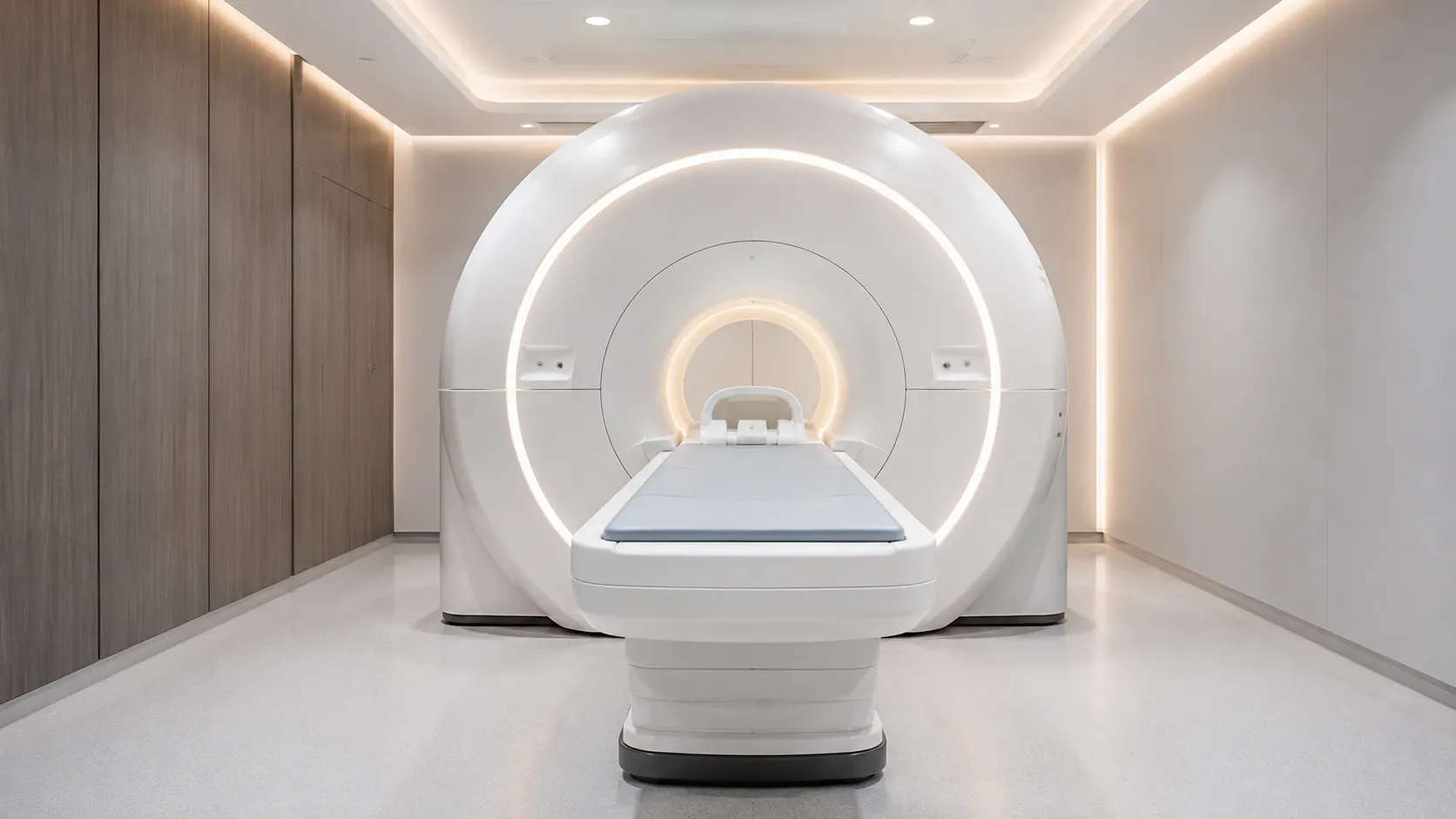
Diagnostic imaging continues to advance through digital technologies.
Emerging innovations include:
-
AI-enhanced image processing.
-
Faster image reconstruction.
-
Cloud-based image storage.
-
Remote image collaboration.
-
Lower-dose imaging technologies.
-
Intelligent workflow automation.
These developments help improve efficiency across radiology departments.
Smart Hospital Infrastructure
Hospitals are increasingly investing in integrated digital ecosystems.
Important technologies include:
-
Hospital Information Systems (HIS).
-
Electronic Medical Records (EMR).
-
Picture Archiving and Communication Systems (PACS).
-
Laboratory Information Systems (LIS).
-
Digital asset management platforms.
-
Connected operating theatres.
Integrated infrastructure improves communication across departments while supporting operational efficiency.
Healthcare organisations interested in strategic partnerships can explore business partners.
Cybersecurity Innovations
As connected healthcare expands, cybersecurity technologies continue evolving.
Current priorities include:
-
Zero Trust security models.
-
AI-powered threat detection.
-
Device authentication.
-
Encrypted communications.
-
Secure cloud platforms.
-
Automated vulnerability monitoring.
Cybersecurity remains an essential component of modern healthcare technology.
Sustainability in Medical Equipment
Manufacturers are increasingly designing equipment with sustainability in mind.
Innovations include:
-
Energy-efficient medical devices.
-
Modular equipment designs.
-
Longer equipment lifecycles.
-
Environmentally responsible manufacturing.
-
Reduced packaging waste.
Sustainability is becoming an important consideration during procurement.
Future Trends Beyond 2026
Healthcare innovation is expected to continue accelerating.
Technologies likely to shape the coming years include:
-
Digital twin technology.
-
AI-powered predictive healthcare.
-
Fully integrated smart hospitals.
-
Advanced robotics.
-
Edge computing for medical devices.
-
Next-generation wearable technologies.
-
Expanded remote healthcare solutions.
These innovations are expected further to improve operational efficiency and support increasingly connected healthcare environments.
Businesses seeking greater visibility within the healthcare industry can discover opportunities through business advertising.
For sourcing assistance, procurement guidance, and product enquiries, support is available through the Contact Team.
Conclusion
Medical equipment innovations in 2026 are transforming healthcare through artificial intelligence, connected medical devices, cloud computing, robotics, wearable technologies, and smart hospital infrastructure. These advancements are helping healthcare organisations improve equipment management, streamline clinical workflows, and build more connected and efficient healthcare environments.
As technology continues to evolve, hospitals and healthcare providers that embrace innovation will be better positioned to improve operational efficiency, optimise medical equipment investments, and prepare for the future of healthcare.
Disclaimer
Medigear.uk is a medical equipment supplier and distributor. We do not provide medical, legal, regulatory, or technology implementation advice. This article is for general educational and informational purposes only. The availability and features of medical technologies vary by manufacturer, regulatory approvals, and market. Healthcare organisations should consult qualified professionals and manufacturers before making procurement or technology investment decisions.