A hospital building may last for decades, but the technology inside it changes much faster. Medical imaging systems become more advanced, patient monitoring platforms gain new digital capabilities, and clinical workflows evolve to meet changing healthcare demands. Spaces designed without future equipment needs in mind can quickly become difficult and expensive to upgrade.
Modern healthcare construction increasingly focuses on creating equipment-ready environments that support efficient patient care while remaining adaptable for future growth. Rather than treating medical equipment as a final installation step, project teams now integrate equipment planning into the earliest stages of hospital design.
A well-planned hospital space can improve workflow efficiency, simplify maintenance, reduce renovation costs, and create a safer environment for patients and healthcare professionals alike.
Healthcare planners developing new facilities often explore Medigear.uk's healthcare buyer solutions through Medigear.uk's buyer services to align procurement decisions with construction planning.
Equipment Planning Should Begin Before Construction
Hospital design and equipment selection are closely connected. Clinical departments have unique infrastructure needs that influence building layouts, utility systems, and operational workflows.
Supporting Construction Efficiency – Early equipment planning reduces costly structural modifications during later project phases.
Preparing Essential Utilities – Electrical systems, medical gas pipelines, networking infrastructure, and HVAC requirements should match anticipated equipment demands.
Improving Department Coordination – Collaborative planning helps architects, engineers, and procurement teams work toward common operational objectives.
Healthcare organizations evaluating infrastructure investments may also benefit from Medigear.uk's previous discussion on Medical Equipment Budget Planning for New Hospitals.
Emergency Departments Need Flexible Spaces
Emergency care environments experience unpredictable patient volumes and changing clinical priorities.
Equipment-ready emergency departments often include:
-
Multiparameter patient monitors
-
Portable ultrasound systems
-
Defibrillators
-
Emergency stretchers
-
Ventilators
-
Crash carts
-
Infusion pumps
Supporting Rapid Patient Assessment – Flexible room layouts allow staff to respond quickly during emergencies.
Improving Equipment Accessibility – Strategic equipment placement reduces unnecessary movement during critical situations.
Intensive Care Units Require Advanced Infrastructure
Critical care environments depend on continuous monitoring and life-support technologies.
Common ICU equipment includes:
-
ICU beds
-
Ventilators
-
Syringe pumps
-
Infusion pumps
-
Patient monitoring systems
-
Portable imaging devices
-
Central monitoring stations
Managing Multiple Equipment Connections – ICU rooms require sufficient electrical outlets, networking capacity, and medical gas access.
Supporting Future Technology Growth – Additional infrastructure capacity enables the integration of new equipment without major renovations.
Healthcare providers reviewing equipment sourcing strategies often use Medigear. The Medigear. The UK business suppliers directory is available at Medigear. UK for procurement planning.
Imaging Departments Require Specialized Design
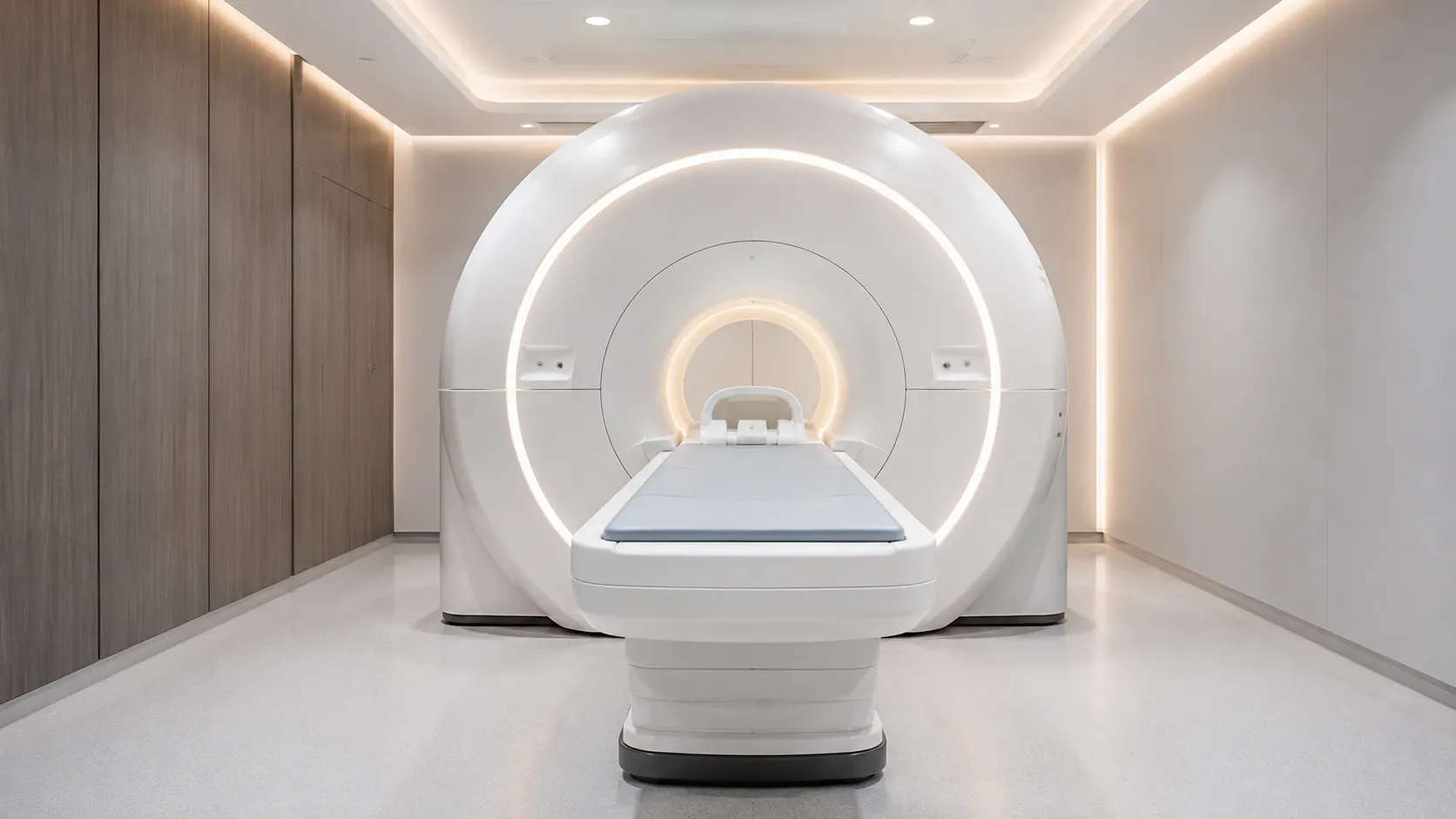
Diagnostic imaging equipment influences hospital construction more than many other technology categories.
Typical imaging systems include:
-
Digital X-ray
-
CT scanners
-
MRI systems
-
Ultrasound equipment
-
Mobile imaging units
Preparing Structural Requirements – Heavy imaging systems may require reinforced flooring and specialized room layouts.
Managing Environmental Controls – Temperature stability and electrical reliability support equipment performance.
Supporting Digital Connectivity – PACS integration and secure data transfer improve diagnostic workflows.
Healthcare planners interested in imaging modernization may also find value in Medigear.uk's article.
Operating Theatres Depend on Integrated Equipment Layouts
Surgical departments combine multiple technologies within highly coordinated clinical environments.
Essential operating theatre equipment includes:
-
Surgical tables
-
Operating lights
-
Anesthesia workstations
-
Electrosurgical generators
-
Patient monitors
-
Medical pendants
-
Surgical suction systems
Improving Team Movement – Equipment positioning should reduce unnecessary staff movement during procedures.
Supporting Sterile Workflows – Layout planning helps uphold infection-prevention standards.
Laboratory Design Should Support Growth
Hospital laboratories process thousands of diagnostic samples while supporting multiple clinical departments.
Typical laboratory equipment includes:
-
Hematology analyzers
-
Clinical chemistry systems
-
Immunoassay analyzers
-
Centrifuges
-
Refrigeration units
-
Blood bank equipment
Improving Sample Flow – Equipment placement should minimize unnecessary handling and transport.
Allowing Future Expansion – Additional workspace helps laboratories accommodate increasing testing volumes.
Patient Rooms Are Becoming Technology Hubs
Modern patient rooms increasingly integrate monitoring, communication, and comfort technologies.
Common patient room equipment includes:
-
Hospital beds
-
Bedside monitoring systems
-
Patient call systems
-
Oxygen delivery equipment
-
Mobility support devices
Enhancing Patient Experience – Well-designed spaces improve comfort and accessibility.
Supporting Clinical Efficiency – Integrated systems simplify communication between patients and healthcare teams.
Infrastructure Should Support Equipment Lifecycles
Hospitals should avoid designing spaces solely for today's technology.
Preparing Upgrade Pathways – Additional cable routing and utility capacity simplify future installations.
Reducing Renovation Costs – Flexible infrastructure helps facilities adopt new technology without extensive rebuilding.
Protecting Long-Term Investments – Scalable design strategies improve operational sustainability.
Healthcare organisations exploring collaborative development opportunities may also review the Medigear— UK partnership initiatives on Medigear.uk's business partners page.
Digital Integration Is Changing Hospital Design
Connected healthcare technology is influencing construction decisions across modern hospitals.
Equipment-ready facilities increasingly support:
-
Electronic medical records
-
Central monitoring systems
-
Wireless device connectivity
-
Cloud reporting platforms
-
Asset management software
Improving Information Sharing – Connected systems help departments communicate more efficiently.
Supporting Data-Driven Operations – Digital infrastructure enhances equipment management and clinical workflows.
Building Hospitals That Can Adapt
Healthcare technology will continue evolving throughout the life of a hospital building.
Successful hospital spaces prioritize adaptability alongside immediate operational needs.
Supporting Department Growth – Flexible layouts accommodate changing patient demands.
Reducing Technology Obsolescence – Expandable infrastructure supports future equipment integration.
Creating Sustainable Healthcare Environments – Thoughtful planning helps hospitals remain efficient over long operational lifecycles.
Healthcare project teams seeking procurement or planning support can contact Medigear.uk via its Contact Team page for additional guidance.
Buyer Insights for Equipment-Ready Hospital Design
Designing hospital spaces around equipment requirements helps healthcare organizations reduce operational disruptions and improve long-term efficiency. Procurement teams should evaluate technology needs alongside construction planning instead of treating equipment installation as a separate project.
Matching Equipment With Clinical Demand – Departments should receive equipment based on expected patient volumes and service requirements.
Considering Infrastructure Capacity – Electrical systems, medical gases, IT networks, ventilation, and structural support should accommodate both current and future equipment.
Selecting Scalable Technologies – Expandable systems can reduce future renovation costs and simplify modernization projects.
Evaluating Supplier Support – Installation services, operator training, maintenance agreements, and spare parts availability should influence procurement decisions.
Healthcare planners comparing purchasing strategies may also benefit from Medigear.uk's guide, "How to Compare Medical Equipment Quotations Effectively."
Maintenance and Operational Planning
Hospital spaces should be designed to simplify equipment maintenance throughout the facility lifecycle.
Creating Easy Service Access – Equipment should be positioned to allow inspection and maintenance without disrupting patient care.
Planning Preventive Maintenance Programs – Scheduled servicing helps reduce unexpected downtime and extends equipment lifespan.
Supporting Technical Staff Efficiency – Organized equipment layouts improve maintenance workflows and reduce repair times.
Preparing Backup Solutions – Critical departments should have contingency plans for essential equipment failures.
Managing Digital Assets – Equipment management software can improve maintenance tracking and lifecycle planning.
Healthcare facilities that integrate maintenance planning during construction often experience lower long-term operational costs.
Trends Shaping Equipment-Ready Hospital Spaces
Healthcare construction continues evolving as clinical technology advances.
Flexible Healthcare Environments- Modern hospitals increasingly design adaptable clinical areas that can respond to changing patient needs.
Supporting Department Expansion – Flexible layouts simplify service growth.
Smart Hospital Infrastructure- Connected equipment and digital healthcare platforms influence modern construction planning.
Improving Equipment Visibility – Digital systems help track equipment utilization and maintenance needs.
Sustainable Hospital Design- Energy efficiency and environmental responsibility are becoming important considerations in procurement.
Reducing Operational Costs – Modern equipment often supports lower energy consumption.
Mobile Healthcare Technology- Portable medical equipment allows hospitals to use space more efficiently.
Increasing Operational Flexibility – Mobile devices support multiple departments and changing patient demands.
Healthcare organizations interested in expanding their industry visibility may also advertise on Medigear.uk via Medigear—UK's business advertising platform.
Disclaimer
Medigear.uk is a medical equipment supplier and distributor. We do not provide medical advice, diagnosis, or treatment recommendations. All information is for educational and product awareness purposes only. Qualified medical professionals should always make healthcare decisions.