Building a new hospital is a complex project that requires careful planning, significant investment, and strategic procurement. While architectural design and infrastructure are critical, selecting the right medical equipment is equally important to ensure the facility can provide safe, efficient, and high-quality healthcare services from day one.
From emergency departments and operating theatres to intensive care units and diagnostic laboratories, every hospital relies on a wide range of medical equipment to support patient care and clinical workflows. A structured equipment procurement strategy helps healthcare organisations optimise budgets, improve operational efficiency, and prepare for future growth.
This guide highlights the essential categories of medical equipment that every new hospital construction project should consider.
Develop a Comprehensive Equipment Procurement Plan
Equipment procurement should begin during the early planning stages of hospital construction.
Healthcare planners should evaluate:
-
Hospital size and capacity.
-
Medical specialties.
-
Expected patient volume.
-
Available infrastructure.
-
Department requirements.
-
Future expansion plans.
-
Budget allocation.
Early planning helps ensure equipment installation aligns with construction timelines while minimising project delays.
Diagnostic Imaging Equipment
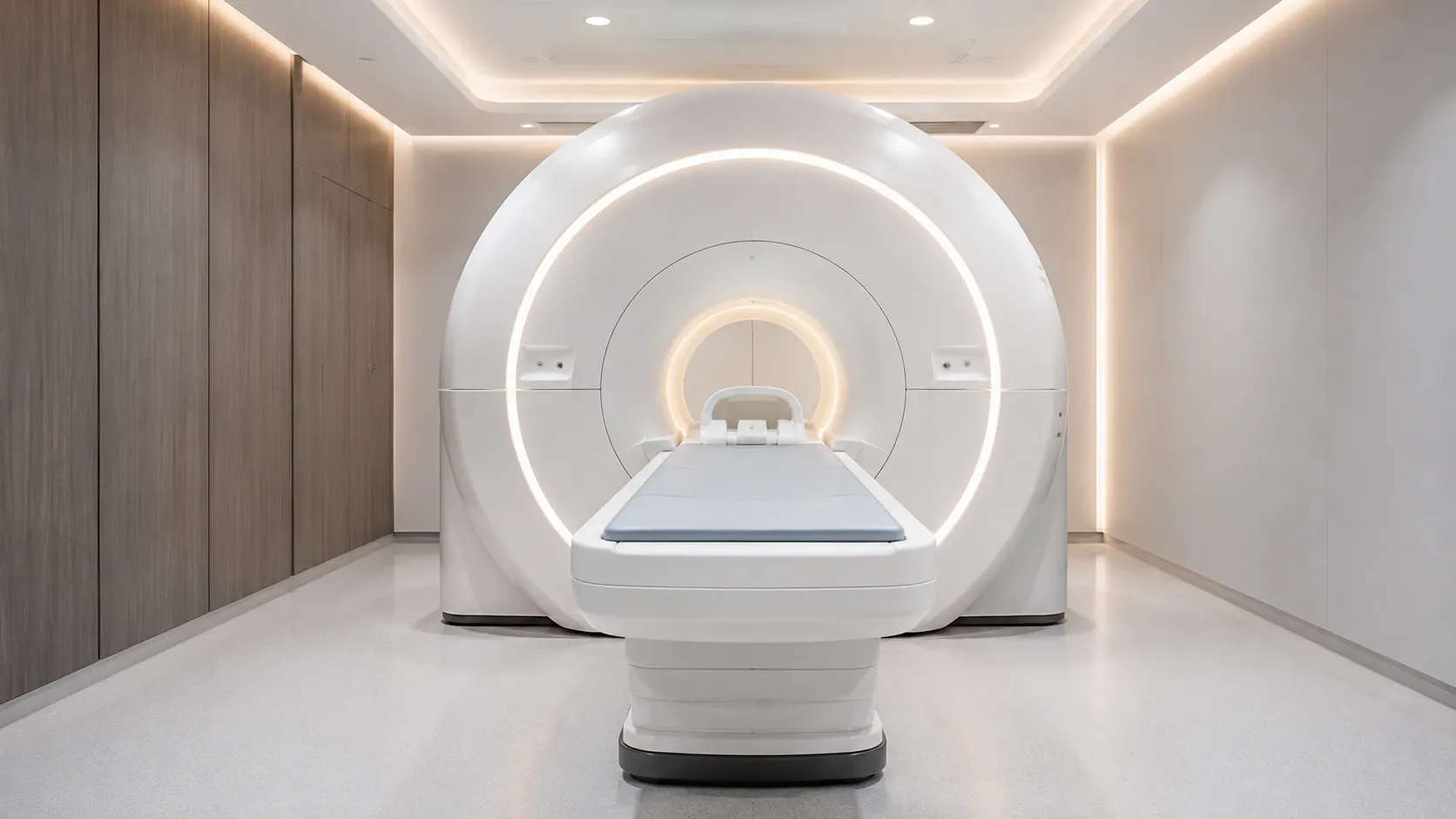
Diagnostic imaging departments form the backbone of modern healthcare facilities.
Essential imaging equipment may include:
- Digital X-ray systems.
- Ultrasound machines.
- Computed Tomography (CT) scanners.
- Magnetic Resonance Imaging (MRI) systems.
- Mobile X-ray units.
- C-arm imaging systems.
- Mammography systems were required.
Modern digital imaging solutions improve diagnostic workflows and support multiple clinical departments.
Healthcare organisations planning new facilities can explore equipment sourcing solutions through buyer services.
Intensive Care Unit (ICU) Equipment
Critical care departments require advanced medical technologies that support continuous patient monitoring and life-support functions.
Essential ICU equipment includes:
-
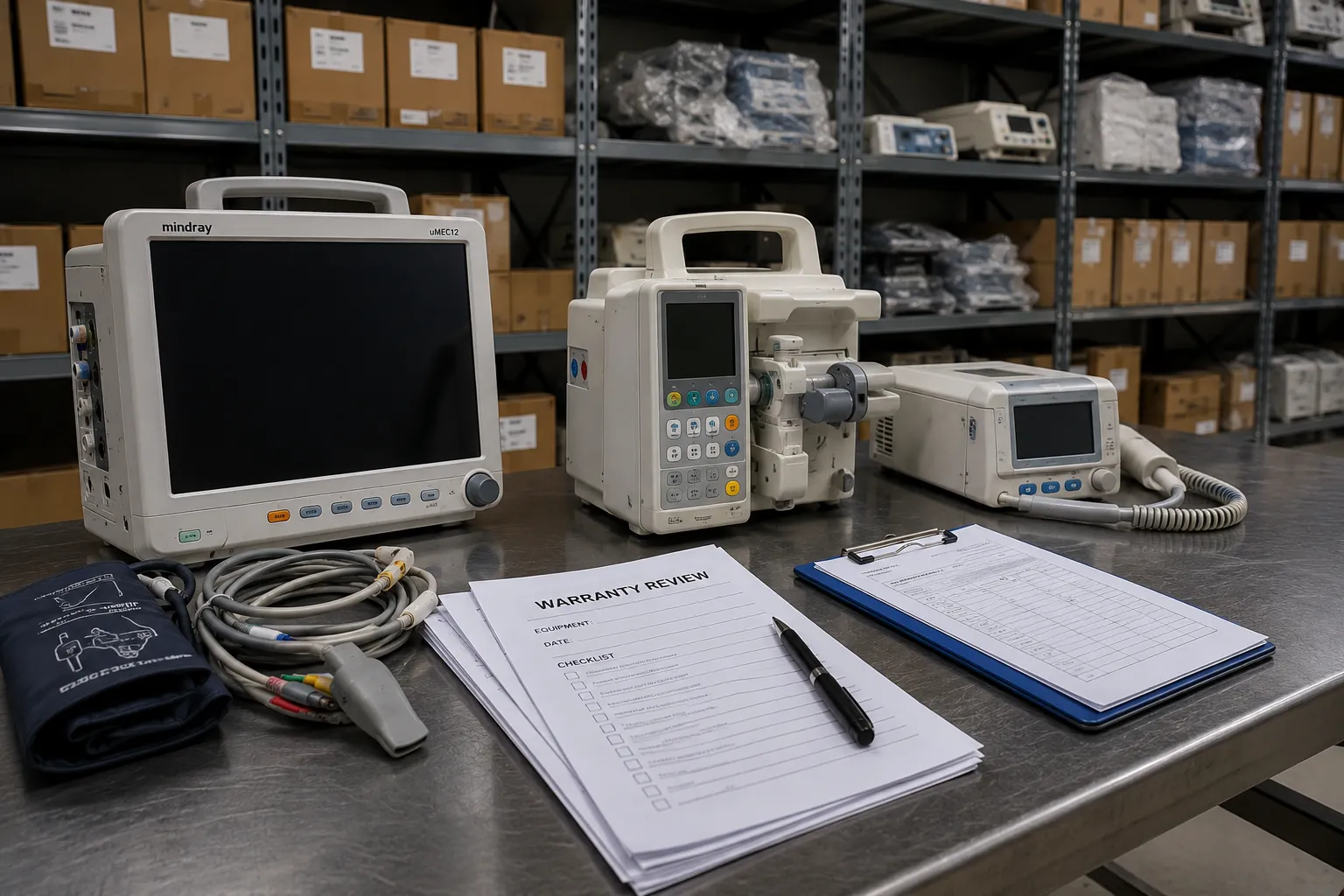
Multiparameter patient monitors.
-
Mechanical ventilators.
-
Infusion pumps.
-
Syringe pumps.
-
Defibrillators.
-
ICU hospital beds.
-
Medical pendants.
-
Suction units.
-
Emergency crash carts.
Reliable ICU equipment is essential for hospitals providing advanced critical care services.
Operating Theatre Equipment
Operating rooms require specialised equipment designed to support surgical procedures.
Common equipment includes:
-
Operating tables.
-
Surgical lights.
-
Electrosurgical units.
-
Anaesthesia workstations.
-
Surgical suction systems.
-
Patient monitors.
-
Surgical instrument sets.
-
Medical gas systems.
Planning operating theatre layouts alongside equipment procurement helps optimise surgical workflows.
Emergency Department Equipment
Emergency departments require equipment that supports rapid assessment and treatment.
Essential equipment may include:
-
Emergency patient monitors.
-
Defibrillators.
-
ECG machines.
-
Stretchers.
-
Ventilators.
-
Suction equipment.
-
Infusion systems.
-
Emergency examination lights.
Emergency departments should be equipped to respond efficiently to a wide range of clinical situations.
Laboratory Equipment
Modern laboratories support accurate diagnostic testing throughout the hospital.
Core laboratory equipment includes:
-
Clinical chemistry analysers.
-
Haematology analysers.
-
Immunoassay systems.
-
Coagulation analysers.
-
Blood gas analysers.
-
Centrifuges.
-
Microscopes.
-
Laboratory refrigerators and freezers.
Laboratory automation can further improve workflow efficiency and testing capacity.
Healthcare suppliers interested in supporting healthcare infrastructure projects can explore: business suppliers. Sterilisation and CSSD Equipment
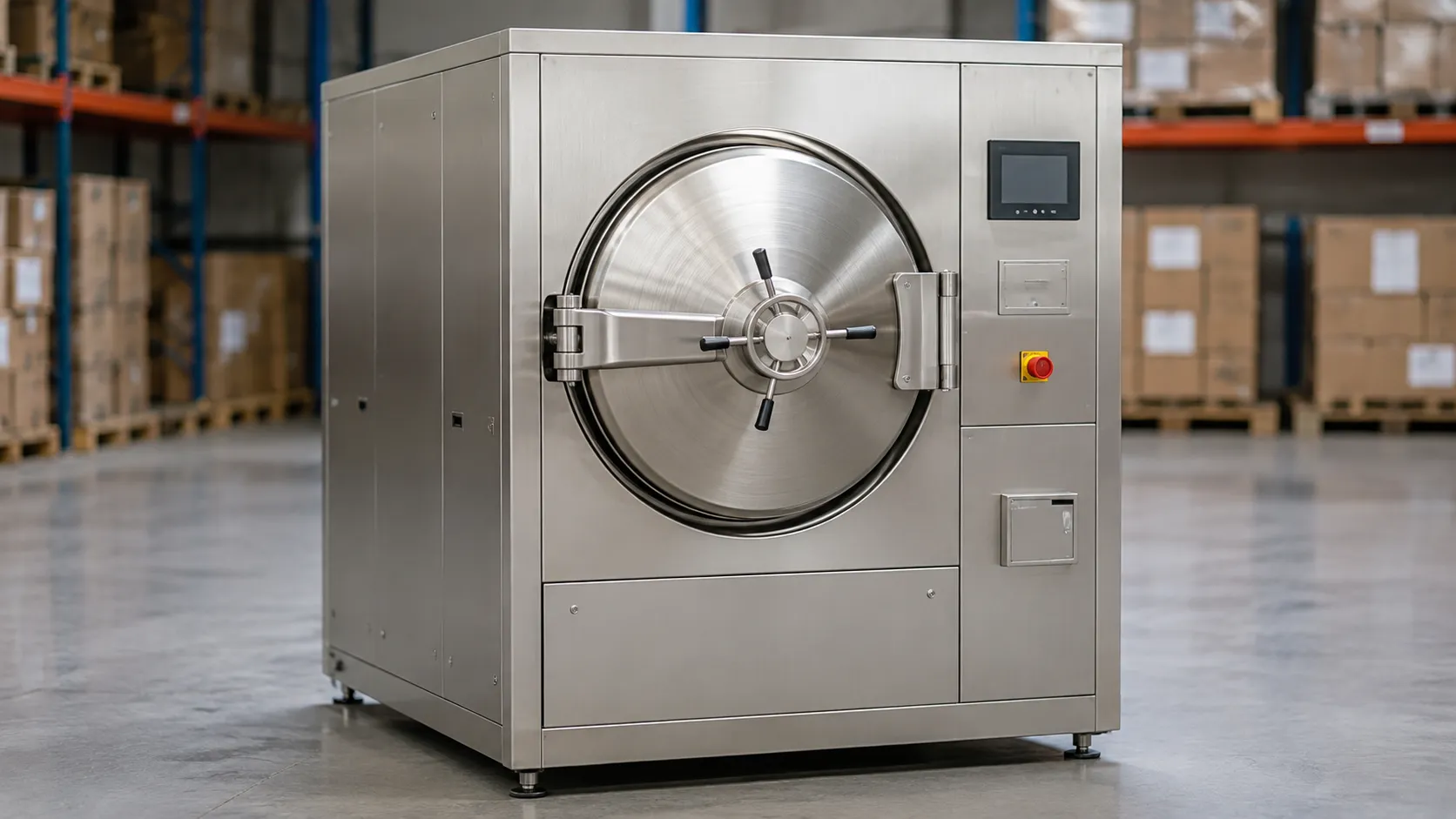
A Central Sterile Services Department (CSSD) helps ensure medical instruments are properly cleaned and sterilised.
Essential equipment includes:
-
Steam sterilisers (autoclaves).
-
Washer-disinfectors.
-
Ultrasonic cleaners.
-
Drying cabinets.
-
Instrument packing stations.
-
Sterilisation storage systems.
An efficient sterilisation department supports infection prevention and operational readiness.
Patient Monitoring Equipment
Patient monitoring technologies are required across multiple departments.
Common systems include:
-
Bedside monitors.
-
Central monitoring stations.
-
Pulse oximeters.
-
ECG monitors.
-
Blood pressure monitors.
-
Capnography systems.
Modern monitoring equipment helps healthcare teams observe patient status in real time.
Hospital Furniture and Patient Care Equipment
Every hospital requires high-quality medical furniture.
Essential products include:
-
Electric hospital beds.
-
Examination couches.
-
Overbed tables.
-
Patient trolleys.
-
Wheelchairs.
-
Stretchers.
-
Bedside cabinets.
-
Medical carts.
Durable furniture supports patient comfort and efficient clinical workflows.
Medical Gas Systems
Medical gas infrastructure is essential throughout many hospital departments.
Systems commonly include:
-
Oxygen supply.
-
Medical air.
-
Vacuum systems.
-
Gas outlets.
-
Gas monitoring systems.
Medical gas planning should be integrated into hospital construction from the beginning.
Pharmacy Equipment
Hospital pharmacies require dedicated equipment to support medication management.
Common equipment includes:
-
Medical refrigerators.
-
Controlled storage cabinets.
-
Medication dispensing systems.
-
Pharmacy workstations.
-
Temperature monitoring systems.
Efficient pharmacy operations contribute to better medication management throughout the hospital.
Rehabilitation Equipment
Hospitals offering rehabilitation services should consider equipment such as:
-
Physiotherapy treatment tables.
-
Exercise rehabilitation systems.
-
Gait training equipment.
-
Balance assessment devices.
-
Electrotherapy equipment.
-
Mobility training aids.
These technologies support patient recovery following illness or injury.
Digital Healthcare Infrastructure
Modern hospitals increasingly integrate digital healthcare technologies.
Important investments include:
-
Hospital Information Systems (HIS).
-
Electronic Medical Records (EMR).
-
Picture Archiving and Communication Systems (PACS).
-
Laboratory Information Systems (LIS).
-
Connected patient monitoring systems.
-
Asset management software.
-
Cloud-based equipment monitoring platforms.
Digital infrastructure improves communication, operational efficiency, and long-term equipment management.
Healthcare organisations interested in strategic partnerships can learn more through business partners
Procurement Best Practices
Successful hospital equipment procurement should include:
-
Early planning during construction.
-
Department-specific equipment lists.
-
Budget forecasting.
-
Supplier evaluation.
-
Installation planning.
-
Staff training.
-
Preventive maintenance planning.
-
Future scalability considerations.
A coordinated procurement strategy helps ensure the hospital is fully operational when construction is complete.
Businesses seeking greater visibility within the healthcare industry can discover opportunities through business advertising.
For equipment sourcing, procurement guidance, and project consultation, support is available through the Contact Team.
Conclusion
Equipping a new hospital requires careful planning, strategic procurement, and collaboration between healthcare professionals, project managers, architects, and medical equipment suppliers. From diagnostic imaging and critical care equipment to laboratory systems, operating theatres, sterilisation departments, and digital healthcare infrastructure, every department plays a vital role in delivering safe and efficient patient care.
By investing in reliable, scalable, and high-quality medical equipment from the outset, healthcare organisations can build hospitals prepared to meet today's clinical demands while remaining adaptable to future healthcare innovations.
Disclaimer
Medigear.uk is a medical equipment supplier and distributor. We do not provide medical, architectural, engineering, or regulatory advice. This article is for general educational and informational purposes only. Healthcare organisations should consult qualified healthcare planners, biomedical engineers, architects, and relevant regulatory authorities when planning new hospital construction projects and selecting medical equipment.