Asia has become one of the most dynamic regions in the global healthcare industry. Rapid economic development, expanding healthcare infrastructure, growing populations, and increasing investments in medical technology have significantly influenced the demand for medical equipment across the continent.
From advanced diagnostic systems and patient monitoring devices to home healthcare solutions and digital health technologies, the Asian medical equipment market continues to evolve at a remarkable pace. Understanding these trends can help healthcare buyers, suppliers, distributors, and investors make informed decisions in an increasingly competitive environment.
Asia's Expanding Healthcare Infrastructure
Many countries across Asia are investing heavily in healthcare infrastructure to meet rising demand for medical services.
New Healthcare Facilities – Ongoing construction and modernisation projects continue to drive demand for equipment.
Growing Urban Populations – Urban expansion has increased the need for advanced healthcare services.
Improved Healthcare Access – Greater healthcare coverage is encouraging investment in medical technology.
Modernisation Initiatives – Healthcare providers are upgrading ageing equipment to improve operational efficiency.
These developments continue to create opportunities throughout the medical equipment sector.
Rising Demand for Diagnostic Imaging Equipment
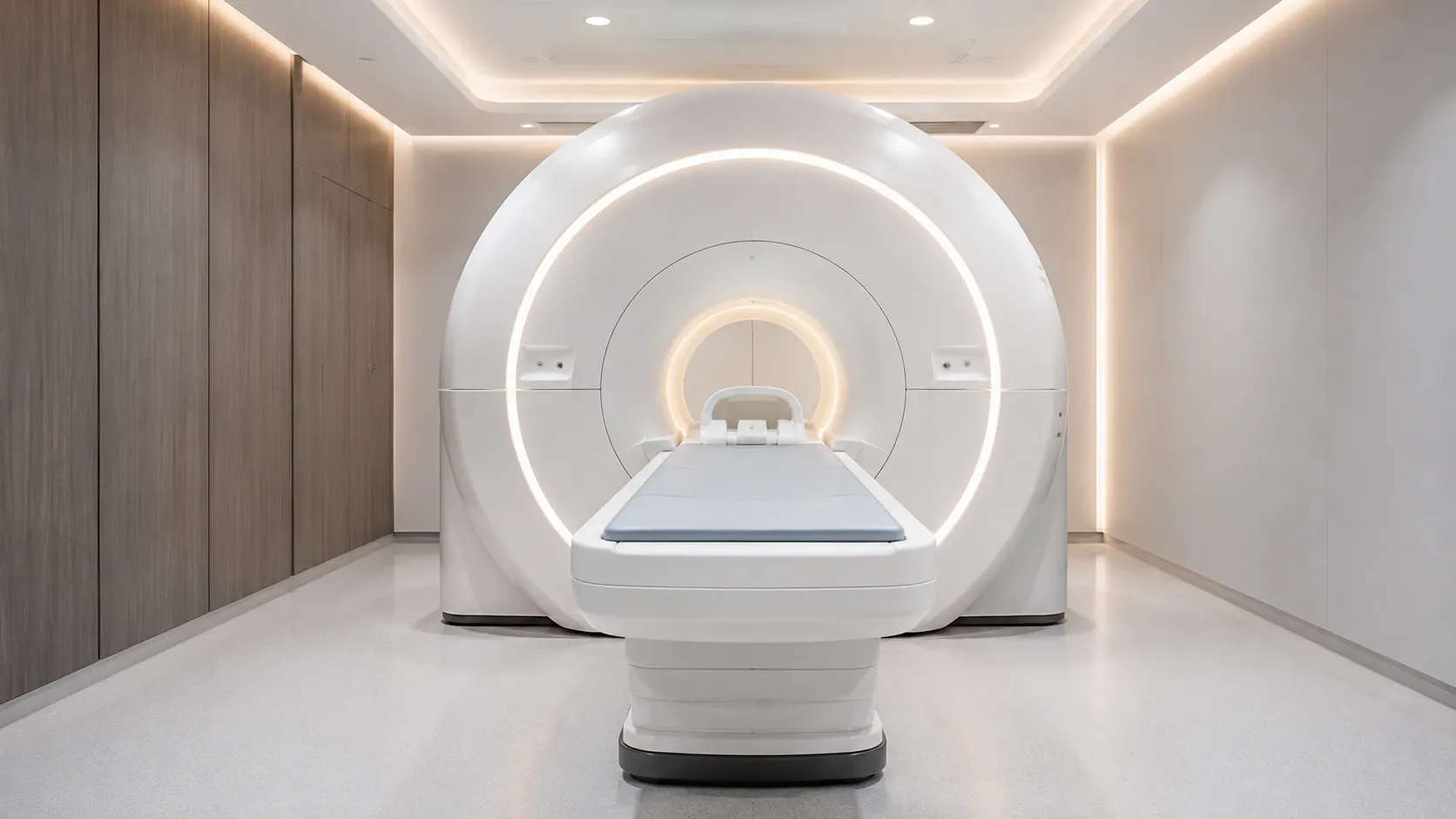
Diagnostic imaging remains one of the fastest-growing segments in Asia's healthcare equipment market.
Commonly adopted technologies include:
-
Digital radiography systems.
-
Ultrasound equipment.
-
Computed tomography systems.
-
Magnetic resonance imaging systems.
-
Mobile imaging solutions.
Improving Diagnostic Efficiency – Modern imaging systems support faster examinations.
Expanding Clinical Applications – Equipment is being used across a broader range of healthcare services.
Healthcare organisations seeking equipment sourcing opportunities can explore: buyer services.
Growth of Home Healthcare Equipment
Home healthcare continues to gain momentum across Asia.
Several factors are contributing to this trend:
Ageing Populations – Many countries are experiencing demographic changes.
Preference for Home-Based Care – Families increasingly support care at home.
Portable Medical Technology – Compact devices are improving accessibility.
Digital Monitoring Solutions – Connected healthcare devices support remote observation.
Products experiencing increased demand include:
-
Oxygen concentrators.
-
Patient monitoring devices.
-
Mobility aids.
-
Home care beds.
-
Blood pressure monitors.
Digital Health Is Reshaping Procurement
Healthcare facilities are increasingly investing in connected medical technologies.
Current developments include:
Cloud-Based Data Management – Supporting healthcare information systems.
Remote Patient Monitoring – Expanding healthcare accessibility.
Wireless Medical Devices – Simplifying equipment deployment.
Artificial Intelligence Applications – Supporting workflow optimisation and data analysis.
Digital transformation is becoming a major factor in purchasing decisions.
Increasing Focus on Critical Care Equipment
Demand for critical care technologies remains strong throughout Asia.
Important equipment categories include:
-
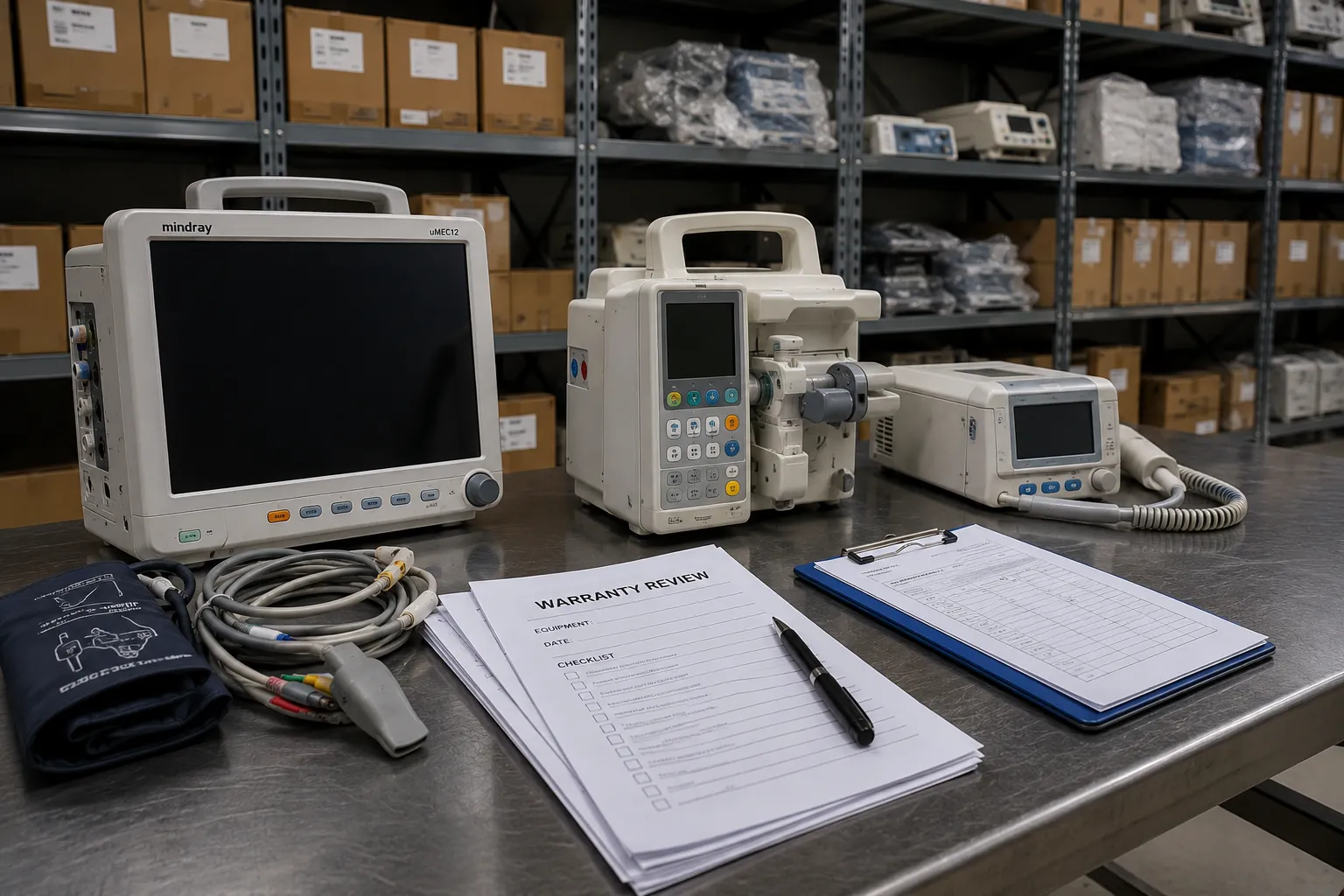
Patient monitoring systems.
-
Ventilation support equipment.
-
Infusion systems.
-
Emergency response devices.
-
Intensive care furniture and accessories.
Healthcare providers continue investing in solutions that support patient management and operational readiness.
Healthcare suppliers interested in expanding their market reach can discover opportunities through business suppliers.
Portable and Mobile Equipment Is Gaining Popularity
Healthcare providers increasingly value equipment that can be moved between departments and care environments.
Mobile Diagnostic Systems – Support flexible healthcare delivery.
Portable Monitoring Equipment – Simplify patient observation.
Compact Treatment Devices – Improve accessibility.
Battery-Powered Systems – Enable operation in diverse settings.
Portability has become an important purchasing consideration across many equipment categories.
Sustainability Influences Purchasing Decisions
Environmental responsibility is becoming more important in healthcare procurement.
Emerging priorities include:
Energy-Efficient Equipment – Reducing operational costs.
Durable Product Design – Supporting longer equipment lifecycles.
Resource Optimisation – Improving efficiency in daily operations.
Waste Reduction Strategies – Encouraging sustainable equipment management.
Many healthcare buyers now evaluate environmental performance alongside technical specifications.
Medical Equipment Distribution Networks Are Expanding
Asia's healthcare market is becoming increasingly interconnected.
Regional Distribution Hubs – Improve equipment availability.
Cross-Border Trade Growth – Expands access to medical technologies.
Supply Chain Diversification – Supports procurement flexibility.
Digital Procurement Platforms – Simplify sourcing activities.
Efficient distribution networks are helping healthcare organisations access a wider range of equipment options.
Healthcare organisations interested in strategic collaboration opportunities can explore: business partners.
Buyer Considerations in Asian Markets
Healthcare procurement teams often evaluate multiple factors before purchasing equipment.
Important considerations include:
Product Availability – Reliable supply chains support operational continuity.
Maintenance Support – Long-term servicing improves equipment value.
Training Requirements – Staff readiness influences implementation success.
Scalability – Equipment should accommodate future growth.
Total Cost of Ownership – Operational expenses remain a key consideration.
Careful planning can help maximise long-term investment value.
Looking Ahead
Several trends are expected to shape the future of Asia's medical equipment market.
Artificial Intelligence Integration – Supporting healthcare workflows.
Smart Medical Devices – Expanding digital healthcare capabilities.
Connected Healthcare Ecosystems – Improving information sharing.
Home Healthcare Expansion – Increasing demand for portable technologies.
Advanced Diagnostic Technologies – Supporting healthcare modernisation.
Businesses seeking greater visibility within the healthcare industry can discover opportunities through business advertise
For procurement guidance, sourcing assistance, and equipment enquiries, support is available through: Contact Team.
Conclusion
The medical equipment market in Asia continues to grow significantly, driven by healthcare infrastructure expansion, technological innovation, digital transformation, and rising demand for home healthcare solutions. From advanced imaging systems and critical care technologies to connected monitoring devices, the region remains one of the most influential healthcare markets globally.
For healthcare buyers, suppliers, and distributors, understanding these evolving trends can support more effective procurement strategies and long-term business planning in an increasingly competitive environment.
Disclaimer:
Medigear.uk is a medical equipment supplier and distributor. We do not provide medical advice, diagnosis, or treatment recommendations. All information is for educational and product awareness purposes only. Qualified medical professionals should always make healthcare decisions.