Medical equipment is one of the largest capital investments for hospitals, clinics, diagnostic centres, laboratories, and healthcare organisations. While advanced medical technology improves healthcare delivery, procurement and operational costs can place significant pressure on healthcare budgets.
Reducing medical equipment costs does not necessarily mean purchasing the cheapest products. Instead, it involves making informed procurement decisions, improving equipment utilisation, minimising downtime, and adopting long-term asset management strategies. By focusing on total value rather than initial purchase price, healthcare organisations can optimise their investments while maintaining high operational standards.
This guide explores practical strategies for reducing medical equipment costs without compromising efficiency or reliability.
Plan Purchases Strategically
One of the most effective ways to reduce costs is through careful procurement planning.
Before purchasing equipment, healthcare organisations should evaluate:
-
Clinical requirements.
-
Expected patient volume.
-
Department priorities.
-
Future expansion plans.
-
Available infrastructure.
-
Budget allocation.
Well-planned procurement reduces unnecessary purchases and improves resource utilisation.
Consider Total Cost of Ownership
The purchase price is only one part of the overall investment.
Healthcare buyers should calculate:
-
Installation costs.
-
Shipping expenses.
-
Maintenance costs.
-
Service contracts.
-
Spare parts.
-
Energy consumption.
-
Software upgrades.
-
Equipment lifespan.
Evaluating the total cost of ownership helps identify equipment that delivers better long-term value.
Choose Reliable Equipment
Reliable equipment often reduces long-term operating expenses.
Look for products that offer:
-
Consistent performance.
-
Durable construction.
-
Energy efficiency.
-
Easy maintenance.
-
User-friendly operation.
Equipment with fewer unexpected breakdowns can significantly reduce repair costs and operational disruptions.
Healthcare organisations exploring sourcing opportunities can discover more through buyer services.
Work With Trusted Suppliers
A dependable supplier contributes to long-term cost savings.
Reliable suppliers typically provide:
-
Technical consultation.
-
Product guidance.
-
Installation assistance.
-
Preventive maintenance support.
-
Spare parts availability.
-
Responsive customer service.
Strong supplier relationships often improve procurement efficiency and reduce future support costs.
Healthcare suppliers interested in expanding their global network can explore business suppliers.
Invest in Preventive Maintenance
Preventive maintenance is often more cost-effective than emergency repairs.
Maintenance programs should include:
-
Routine inspections.
-
Equipment cleaning.
-
Calibration where applicable.
-
Component replacement.
-
Functional testing.
-
Software updates.
Regular servicing helps identify potential issues before they become expensive failures.
Improve Equipment Utilisation
Underutilised equipment represents unnecessary capital investment.
Healthcare facilities can improve utilisation by:
-
Sharing equipment between departments where appropriate.
-
Scheduling equipment efficiently.
-
Monitoring usage rates.
-
Reducing unnecessary duplicate purchases.
Better utilisation helps maximise return on investment.
Train Healthcare Staff
Proper training helps prevent equipment misuse.
Training should cover:
-
Correct operation.
-
Daily inspections.
-
Routine cleaning.
-
Basic troubleshooting.
-
Safe handling procedures.
Well-trained users help reduce accidental damage and unnecessary service calls.
Standardise Equipment Where Possible
Using similar equipment across departments offers several advantages.
Benefits include:
-
Simplified staff training.
-
Easier maintenance.
-
Reduced spare parts inventory.
-
More efficient servicing.
-
Streamlined procurement.
Standardisation can significantly reduce long-term operating costs.
Monitor Equipment Performance
Performance monitoring helps identify cost-saving opportunities.
Track:
-
Equipment uptime.
-
Repair frequency.
-
Maintenance costs.
-
Utilisation rates.
-
Energy consumption.
-
Service history.
Performance data supports informed replacement and maintenance decisions.
Healthcare organisations interested in strategic partnerships can explore: business partners.
Extend Equipment Lifespan
Proper care can increase the operational life of medical equipment.
Best practices include:
-
Following manufacturer recommendations.
-
Performing scheduled maintenance.
-
Keeping equipment clean.
-
Using qualified service providers.
-
Replace worn components promptly.
Longer equipment life delays replacement costs and improves investment value.
Evaluate Refurbished Equipment
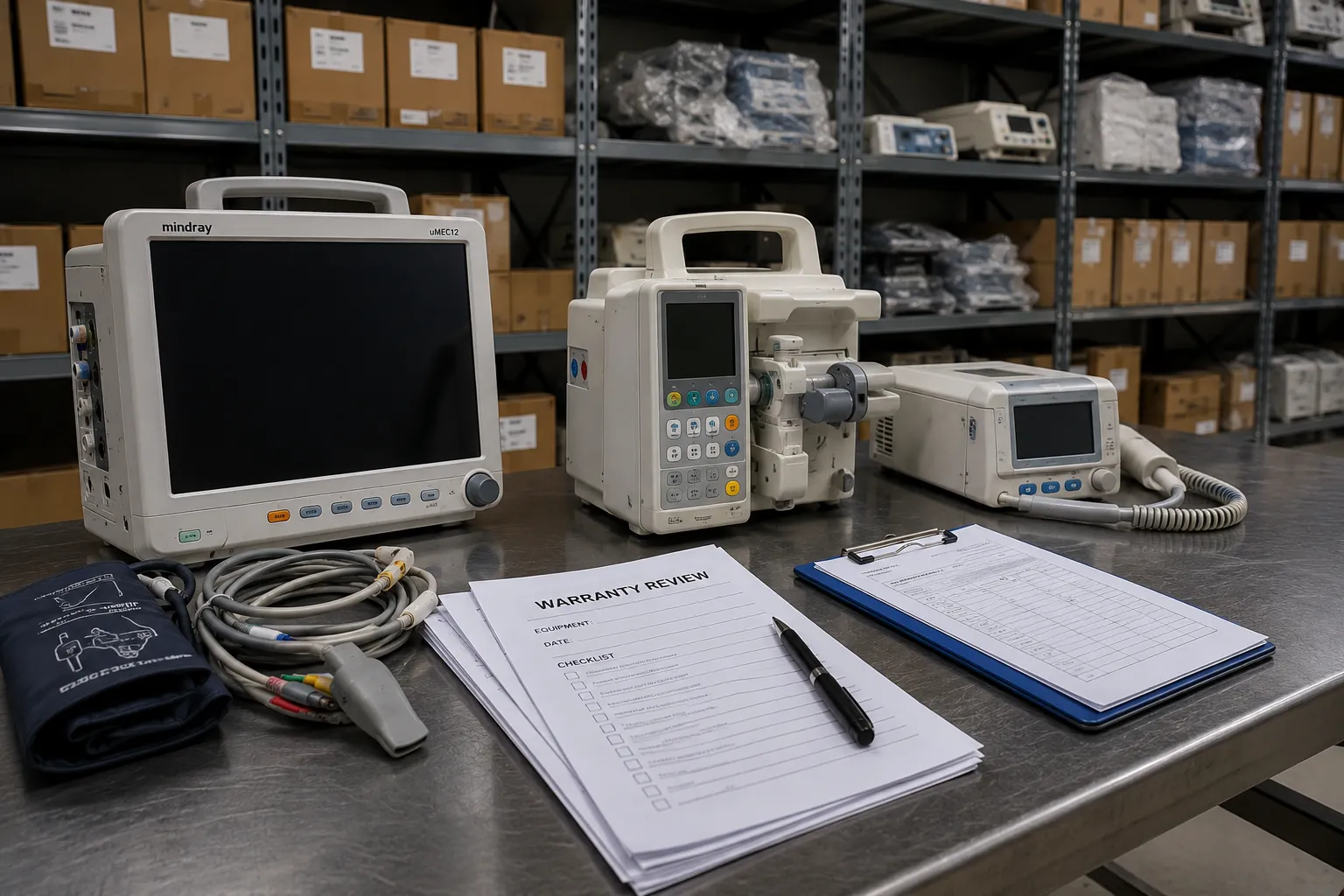
For some healthcare facilities, professionally refurbished equipment may provide a cost-effective alternative to new systems.
Potential benefits include:
-
Lower initial investment.
-
Proven technology.
-
Faster availability.
-
Sustainable procurement.
Healthcare buyers should always evaluate refurbishment quality, warranty coverage, supplier reputation, and maintenance support before making a purchase.
Adopt Digital Asset Management
Modern asset management systems help control equipment costs.
Common features include:
-
Maintenance scheduling.
-
Equipment tracking.
-
Service history.
-
Inventory management.
-
Performance reporting.
-
Replacement planning.
Digital tools improve visibility while supporting proactive decision-making.
Plan Equipment Replacement
Replacing equipment at the appropriate time helps avoid escalating repair costs.
Replacement planning should consider:
-
Equipment age.
-
Maintenance history.
-
Operational performance.
-
Technology updates.
-
Repair frequency.
-
Future healthcare requirements.
Strategic replacement planning helps optimise capital expenditure.
Businesses seeking greater visibility within the healthcare industry can discover opportunities through business advertising.
For sourcing assistance, procurement guidance, and product enquiries, support is available through the contact team.
Conclusion
Reducing medical equipment costs requires a strategic approach that balances procurement, maintenance, utilisation, and lifecycle management. By focusing on total cost of ownership, preventive maintenance, supplier partnerships, equipment standardisation, and long-term planning, healthcare organisations can maximise the value of their investments while maintaining reliable healthcare operations.
Smart procurement decisions not only reduce operational expenses but also improve equipment performance, increase asset longevity, and support sustainable healthcare growth.
Disclaimer
Medigear.uk is a medical equipment supplier and distributor. We do not provide medical, legal, financial, or regulatory advice. This article is for general educational and informational purposes only. Healthcare organisations should evaluate their operational requirements and consult qualified professionals before making procurement or financial decisions regarding medical equipment.