Asia has become one of the most dynamic healthcare markets in the world. Rapid population growth, increasing healthcare expenditure, urbanisation, ageing populations, and rising demand for quality healthcare services are driving significant investment in medical equipment and healthcare infrastructure throughout the region.
Governments, private healthcare providers, healthcare investors, and international organisations are investing heavily in hospitals, diagnostic centres, specialised clinics, laboratories, and digital healthcare systems. These investments are creating substantial demand for advanced medical technologies across multiple healthcare sectors.
For healthcare facility procurement decision-makers, understanding investment trends across Asia is becoming increasingly important when planning procurement strategies, evaluating suppliers, and identifying future market opportunities.
Healthcare organisations across the region increasingly rely on buyer services to assess technology requirements and support long-term healthcare infrastructure development.
Healthcare Infrastructure Expansion Is Driving Equipment Demand
One of the most significant trends across Asia is the continued expansion of healthcare infrastructure.
New Hospital Development- Many countries are investing in new hospitals, specialised treatment centres, and healthcare campuses to meet growing patient demand.
Healthcare Facility Modernisation- Existing healthcare facilities are upgrading equipment and expanding clinical capabilities to improve service quality and operational efficiency.
Rural Healthcare Investment- Governments are increasingly investing in healthcare access within underserved and remote regions.
Private Healthcare Growth: Private healthcare providers continue to expand their presence across many Asian markets, creating additional demand for medical equipment and healthcare technologies.
Healthcare infrastructure expansion remains a major driver of equipment procurement activity throughout the region.
Diagnostic Imaging Investments Continue to Increase
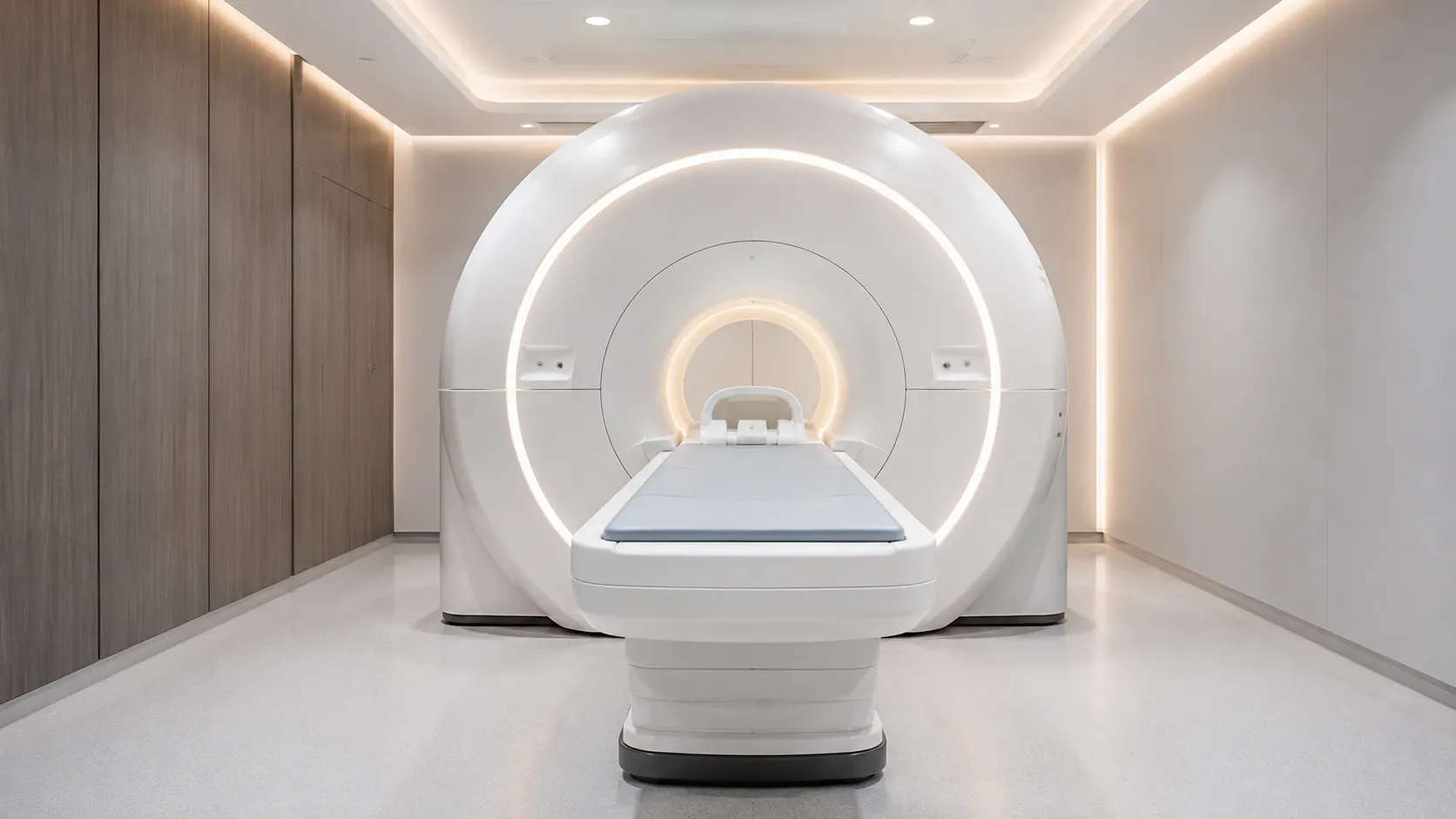
Diagnostic imaging remains one of the most active healthcare investment categories across Asia.
Growing Demand for Early Diagnosis- Healthcare systems increasingly prioritise early detection and preventive care initiatives.
Expansion of Imaging Capacity: Hospitals and diagnostic centres continue to invest in imaging technologies to support growing patient volumes.
Technology Upgrades- Many facilities are replacing ageing systems with newer technologies that offer improved efficiency and clinical capabilities.
Regional Healthcare Development- Emerging healthcare markets are expanding access to imaging services through infrastructure development programmes.
Healthcare facilities sourcing technologies through business suppliers often prioritise imaging solutions when expanding diagnostic capabilities.
Digital Healthcare Transformation Is Accelerating
Digital healthcare adoption is becoming a major investment priority across Asia.
Connected Healthcare Systems- Healthcare providers are increasingly investing in technologies that support information sharing, interoperability, and operational efficiency.
Telehealth Expansion- Remote healthcare delivery continues to grow across many Asian healthcare markets.
Data-Driven Healthcare Management- Healthcare organisations increasingly rely on analytics and digital platforms to support decision-making.
Smart Healthcare Infrastructure- Hospitals are investing in connected technologies that improve patient management, workflow efficiency, and operational visibility.
Digital transformation initiatives are expected to continue driving investments in equipment and technology throughout the region.
Demand for Critical Care and Monitoring Equipment Remains Strong
Healthcare systems across Asia continue prioritising investments in critical care infrastructure.
Expansion of Intensive Care Capacity- Hospitals are strengthening intensive care capabilities to support growing healthcare needs.
Patient Monitoring Technologies: Healthcare providers continue to invest in monitoring solutions that improve patient management and clinical oversight.
Emergency Care Development- Emergency departments are expanding capabilities through investment in advanced healthcare technologies.
Healthcare Preparedness Initiatives- Many healthcare systems are focusing on strengthening resilience and operational readiness.
Critical care investments remain an important component of healthcare modernisation programmes across Asia.
Investment Trends Vary Across Different Asian Regions
Asia is a diverse healthcare market, and investment priorities often differ between regions based on economic development, healthcare infrastructure, demographics, and government policies.
East Asia- Countries in East Asia continue investing heavily in advanced healthcare technologies, digital healthcare systems, robotics, artificial intelligence applications, and high-end diagnostic equipment.
Southeast Asia- Healthcare infrastructure expansion, private hospital growth, and increasing healthcare accessibility are driving strong demand for equipment throughout Southeast Asia.
South Asia- Rapid population growth and healthcare modernisation initiatives are creating significant opportunities for investment in healthcare technology across hospitals, diagnostic centres, and specialised care facilities.
Middle Eastern Asian Markets- Healthcare diversification strategies and major infrastructure projects continue to support investment in advanced medical technologies and healthcare facility development.
Regional differences often influence procurement priorities, supplier selection, and technology adoption strategies.
Procurement Priorities Are Evolving Across Asia
Healthcare organisations are changing how they evaluate medical equipment investments.
Focus on Long-Term Value- Procurement teams increasingly assess lifecycle costs, maintenance requirements, and operational performance rather than focusing solely on acquisition costs.
Technology Integration Requirements: Healthcare facilities are prioritising equipment that integrates with existing healthcare information systems and digital platforms.
Scalability Considerations- Many organisations evaluate whether technologies can support future expansion and evolving healthcare requirements.
Supplier Support Capabilities- Technical support, training resources, maintenance services, and spare parts availability are becoming increasingly important considerations in procurement.
Healthcare providers often review information from business advertisements when evaluating technology solutions, support services, and sourcing opportunities.
Sustainability Investments Are Increasing
Environmental sustainability is becoming a growing priority within Asian healthcare markets.
Energy-Efficient Equipment- Healthcare facilities increasingly evaluate equipment energy consumption as part of investment planning.
Sustainable Infrastructure Development- Many healthcare projects incorporate sustainability objectives into facility design and technology selection.
Lifecycle Management Strategies- Healthcare organisations are adopting maintenance, refurbishment, and asset optimisation programmes to improve resource efficiency.
Waste Reduction Initiatives- Hospitals are implementing programmes designed to reduce equipment-related waste and improve environmental performance.
Sustainability considerations are expected to become increasingly influential in future healthcare investment decisions.
Private Sector Investment Continues to Expand
Private healthcare providers remain major contributors to the demand for medical equipment across Asia.
Hospital Network Expansion: Private healthcare groups continue to invest in new facilities and expanded clinical capabilities.
Specialised Healthcare Services- Growth in speciality care centres is driving demand for advanced diagnostic and treatment technologies.
Technology Differentiation- Private providers often invest in innovative healthcare technologies to enhance patient services and operational efficiency.
International Healthcare Standards- Many private healthcare organisations seek technologies that support international accreditation and quality objectives.
Private sector investment is expected to remain a significant driver of healthcare equipment procurement activity.
Future Outlook for Medical Equipment Investments Across Asia
Several trends are expected to influence healthcare technology investments throughout the coming years.
Continued Healthcare Infrastructure Growth- New healthcare facilities, hospital expansions, and healthcare modernisation projects are expected to sustain demand for equipment.
Digital Healthcare Adoption- Investments in connected healthcare systems, data analytics, and digital technologies are likely to accelerate.
Artificial Intelligence Integration- AI-enabled healthcare technologies are expected to attract increasing investment attention across multiple healthcare sectors.
Ageing Population Requirements: Many Asian countries face ageing populations that will increase demand for diagnostic, monitoring, rehabilitation, and long-term care technologies.
Stronger Focus on Healthcare Resilience- Healthcare systems are expected to continue investing in technologies that improve preparedness, operational continuity, and patient care capabilities.
Healthcare systems operating across multiple countries and facilities frequently benefit from establishing business partners that support procurement planning, logistics coordination, technology standardisation, and lifecycle management.
Final Thoughts
Medical equipment investment trends across Asia reflect the region's rapidly evolving healthcare landscape. Infrastructure expansion, healthcare modernisation, digital transformation, private-sector growth, and increasing demand for advanced medical technologies continue to drive significant procurement activity across multiple healthcare sectors.
For healthcare facility procurement decision-makers, understanding regional investment trends is essential for developing effective procurement strategies, identifying emerging opportunities, and supporting long-term healthcare objectives. Equipment investments increasingly focus on operational efficiency, technology integration, lifecycle value, and healthcare sustainability.
Healthcare organisations that work with regulated and certified equipment suppliers worldwide, invest in future-ready technologies, and maintain strategic procurement partnerships are often better positioned to respond to changing healthcare demands while supporting long-term growth and operational excellence.
Disclaimer
Medigear.uk is a global medical equipment supplier, exporter, and distributor. The content published on this site is intended for educational and informational purposes only. Nothing on this page constitutes medical advice, clinical guidance, treatment recommendations, or procurement advice. All healthcare procurement and clinical decisions should be made by qualified medical professionals and authorised procurement teams operating within the regulatory frameworks of their respective countries.