Healthcare technology is evolving at an unprecedented pace. Advances in artificial intelligence, connectivity, automation, data analytics, robotics, and digital healthcare platforms are transforming how healthcare providers diagnose diseases, monitor patients, manage operations, and deliver care.
Healthcare leaders worldwide are closely monitoring innovations in medical equipment because these technologies have the potential to improve patient outcomes, increase operational efficiency, reduce costs, and support healthcare system resilience.
For healthcare facility procurement decision-makers, understanding emerging technologies is becoming increasingly important when planning future investments and healthcare infrastructure strategies.
Healthcare organisations increasingly rely on buyers' services to evaluate innovation opportunities while balancing clinical needs, operational objectives, and financial considerations.
Artificial Intelligence Is Reshaping Medical Equipment
Artificial intelligence has become one of the most influential trends in healthcare technology.
AI-Assisted Diagnostics- Modern diagnostic systems increasingly use artificial intelligence to analyse medical data, identify patterns, and support healthcare professionals during clinical evaluations.
Clinical Decision Support: AI-powered platforms can assist clinicians by providing additional insights from large datasets and advanced analytics.
Workflow Optimisation- Artificial intelligence helps automate routine processes, reducing administrative burdens and improving operational efficiency.
Predictive Analytics- Healthcare organisations are increasingly using AI to anticipate equipment maintenance needs, resource requirements, and patient care demands.
Healthcare facilities that source technologies through business suppliers are increasingly evaluating AI capabilities when assessing future technology investments.
Smart Patient Monitoring Systems Continue to Expand
Patient monitoring technologies are becoming more connected, intelligent, and data-driven.
Continuous Monitoring: Advanced monitoring systems provide real-time patient data to support clinical decision-making.
Remote Patient Observation- Healthcare providers can monitor patient conditions from multiple locations through connected systems.
Early Warning Capabilities: Modern monitoring technologies can detect changes in patient status, enabling earlier intervention.
Improved Data Integration- Connected monitoring platforms help consolidate information from multiple clinical systems.
Smart monitoring technologies are expected to remain a major area of healthcare innovation.
Robotics Are Transforming Healthcare Environments
Robotic technologies are expanding across multiple healthcare applications.
Surgical Robotics- Advanced robotic systems support precision, consistency, and enhanced visualisation during surgical procedures.
Rehabilitation Robotics- Robotic rehabilitation technologies assist patients during recovery and therapy programmes.
Logistics and Material Handling- Healthcare facilities increasingly use automation to improve supply management and operational workflows.
Laboratory Automation- Robotic systems help laboratories improve efficiency, accuracy, and processing capacity.
Healthcare leaders continue monitoring robotic technologies as they become increasingly integrated into healthcare operations.
Connected Medical Devices Are Driving Digital Healthcare
Connectivity has become a defining feature of modern healthcare technologies.
Internet of Medical Things (IoMT)- Connected devices communicate with healthcare systems, providing real-time visibility into equipment status and patient information.
Data Sharing Capabilities- Connected technologies improve information flow across departments and healthcare networks.
Remote Equipment Management- Healthcare organisations can monitor equipment performance and utilisation more effectively.
Operational Insights- Connected systems generate valuable data that supports planning, maintenance, and resource management.
Digital connectivity is expected to play a central role in future healthcare technology strategies.
Advanced Imaging Innovations Are Transforming Diagnostics
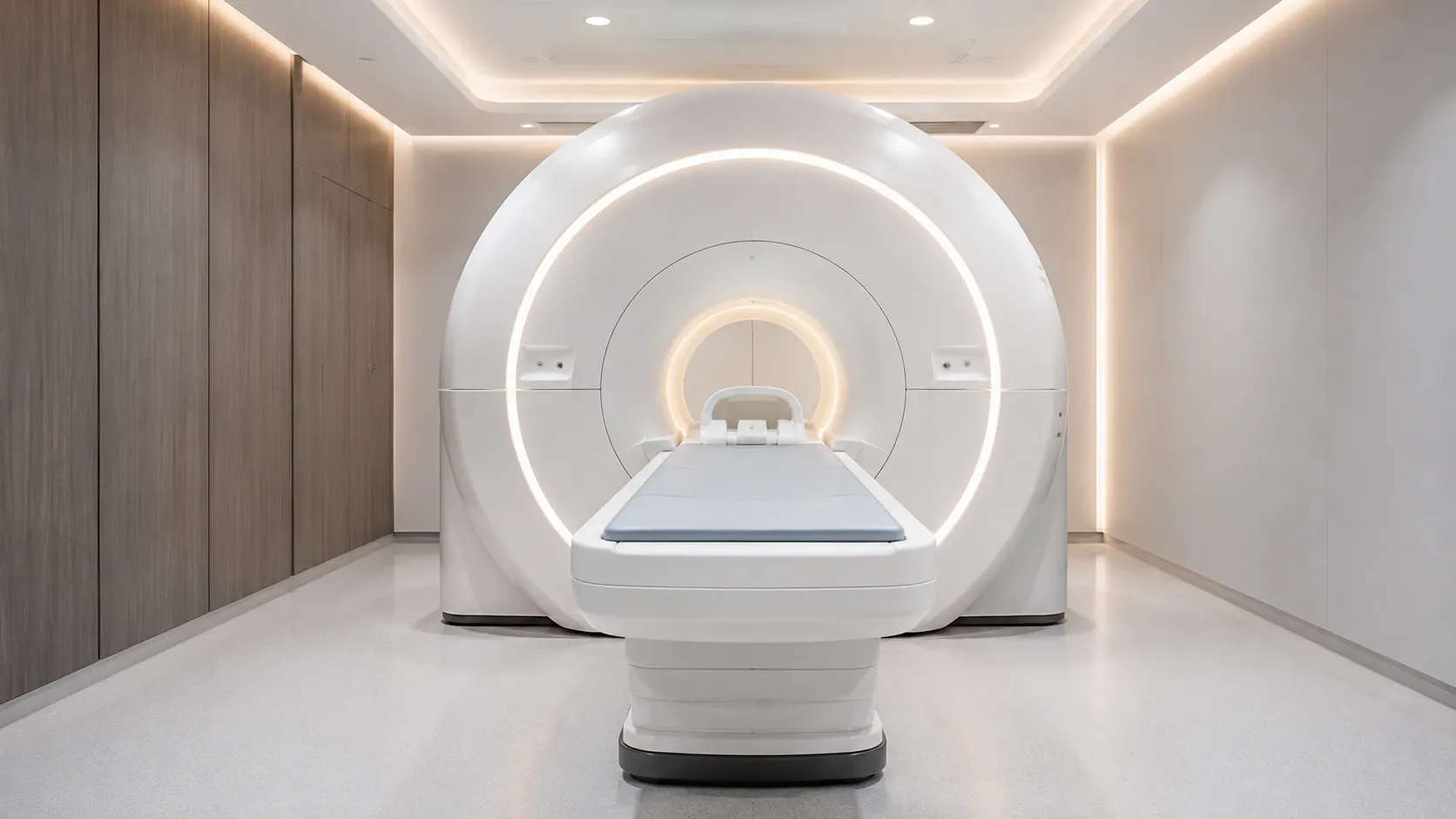
Medical imaging continues to be one of the fastest-evolving areas of healthcare technology.
Higher-Resolution Imaging: Modern imaging systems deliver higher-quality images, helping healthcare professionals detect conditions more accurately and efficiently.
Artificial Intelligence Integration- AI-powered imaging platforms can assist with image analysis, workflow optimisation, and diagnostic support.
Faster Scanning Technologies- New imaging systems are reducing scan times while improving patient comfort and operational efficiency.
Enhanced Workflow Automation- Automation features help radiology departments improve productivity and reduce administrative workloads.
Healthcare leaders continue investing in imaging innovations that improve diagnostic capabilities and patient outcomes.
Predictive Maintenance Technologies Are Gaining Attention
Equipment reliability remains a critical healthcare priority, and predictive maintenance technologies are becoming increasingly valuable.
Real-Time Equipment Monitoring- Connected equipment continuously generates performance data that can be analysed for potential issues.
Early Fault Detection- Predictive systems help identify maintenance needs before equipment failures occur.
Reduced Downtime- Proactive maintenance interventions help minimise disruptions to healthcare operations.
Improved Asset Lifespan
Better maintenance planning can extend equipment life and improve return on investment.
Healthcare organisations are increasingly viewing predictive maintenance as a strategic component of equipment management.
Smart Hospitals Are Becoming a Reality
Healthcare facilities worldwide are moving toward more connected and intelligent operational environments.
Integrated Healthcare Systems- Smart hospitals connect medical devices, information systems, asset management platforms, and operational technologies.
Automated Resource Management- Automation helps optimise staffing, equipment deployment, inventory management, and facility operations.
Real-Time Operational Visibility: Healthcare leaders gain access to data that supports faster, more informed decision-making.
Enhanced Patient Experiences- Smart technologies can improve communication, efficiency, and care delivery throughout the patient journey.
Smart hospital development is expected to accelerate as healthcare organisations continue investing in digital transformation initiatives.
Healthcare Innovation Is Driving New Procurement Strategies
As technologies become more advanced, procurement approaches are also evolving.
Future-Ready Technology Selection- Healthcare organisations increasingly evaluate whether equipment can support future software upgrades and digital integration requirements.
Interoperability Considerations- Connected healthcare environments require technologies that can communicate effectively across multiple systems.
Lifecycle Value Evaluation- Healthcare buyers increasingly focus on long-term value rather than initial purchase costs alone.
Technology Roadmap Alignment- Procurement teams often assess whether new technologies align with future organisational goals and healthcare strategies.
Healthcare organisations often review information from business partners' advertisements when evaluating innovative healthcare technologies, emerging equipment categories, and future investment opportunities.
Strategic Partnerships Support Innovation Adoption
Technology adoption is often most successful when healthcare organisations work closely with trusted suppliers and sourcing partners.
Technology Evaluation Support- Partners can help healthcare organisations assess emerging technologies and identify solutions aligned with operational objectives.
Implementation Guidance- Support during deployment can improve technology adoption and operational integration.
Training and Education- Healthcare professionals benefit from ongoing training that maximises the value of advanced technologies.
Long-Term Innovation Planning- Strategic relationships often support future technology roadmaps and investment planning.
Healthcare systems investing in innovation frequently benefit from establishing business partners that support access to technology, procurement planning, lifecycle management, and operational transformation.
Future Technology Outlook
Several innovations are expected to shape the future of healthcare equipment over the coming years.
Expanded Artificial Intelligence Applications- AI will likely become more deeply integrated into diagnostics, monitoring systems, workflow management, and operational decision-making.
Greater Device Connectivity- Healthcare ecosystems will become increasingly connected through IoMT platforms and interoperable technologies.
Advanced Robotics- Robotic solutions are expected to expand beyond surgery into rehabilitation, logistics, diagnostics, and patient support applications.
Personalised Healthcare Technologies- Innovations will increasingly support individualised treatment pathways and precision medicine initiatives.
Sustainable Medical Technologies- Future healthcare equipment development is expected to place greater emphasis on sustainability, energy efficiency, and lifecycle optimisation.
Final Thoughts
Medical equipment innovations are transforming healthcare delivery worldwide. Artificial intelligence, smart patient monitoring systems, robotics, predictive maintenance technologies, advanced imaging platforms, and connected healthcare ecosystems are reshaping how healthcare organisations operate and deliver care.
For healthcare facility procurement decision-makers, staying informed about emerging technologies is essential for developing future-ready procurement strategies and supporting long-term organisational goals. Innovation is no longer limited to clinical performance alone; healthcare leaders increasingly evaluate interoperability, sustainability, operational efficiency, and lifecycle value when making investment decisions.
Healthcare organisations that work with regulated and certified equipment suppliers worldwide, embrace innovation strategically, and develop strong technology adoption plans will be better positioned to take advantage of the next generation of healthcare technologies while improving patient care and operational performance.
Disclaimer
Medigear.uk is a global medical equipment supplier, exporter, and distributor. The content published on this site is intended for educational and informational purposes only. Nothing on this page constitutes medical advice, clinical guidance, treatment recommendations, or procurement advice. All healthcare procurement and clinical decisions should be made by qualified medical professionals and authorised procurement teams operating within the regulatory frameworks of their respective countries.