Sports medicine focuses on preventing, diagnosing, treating, and rehabilitating injuries related to physical activity and athletic performance. Modern sports medicine care combines clinical expertise with advanced medical equipment that helps healthcare professionals evaluate injuries, support recovery, monitor performance, and reduce the risk of future complications.
Today's sports medicine clinics, rehabilitation centres, hospitals, and athletic performance facilities rely on a wide range of technologies to deliver effective care for professional athletes, amateur sports participants, and physically active individuals.
For healthcare facility procurement decision-makers, understanding the equipment used in sports medicine is essential when planning investments in rehabilitation, physiotherapy, diagnostics, and athlete care services.
Healthcare organisations increasingly rely on buyer services to identify technologies that improve patient outcomes, rehabilitation efficiency, and sports medicine capabilities.
Diagnostic Equipment Supports Accurate Injury Assessment
Accurate diagnosis is the foundation of effective sports medicine treatment.
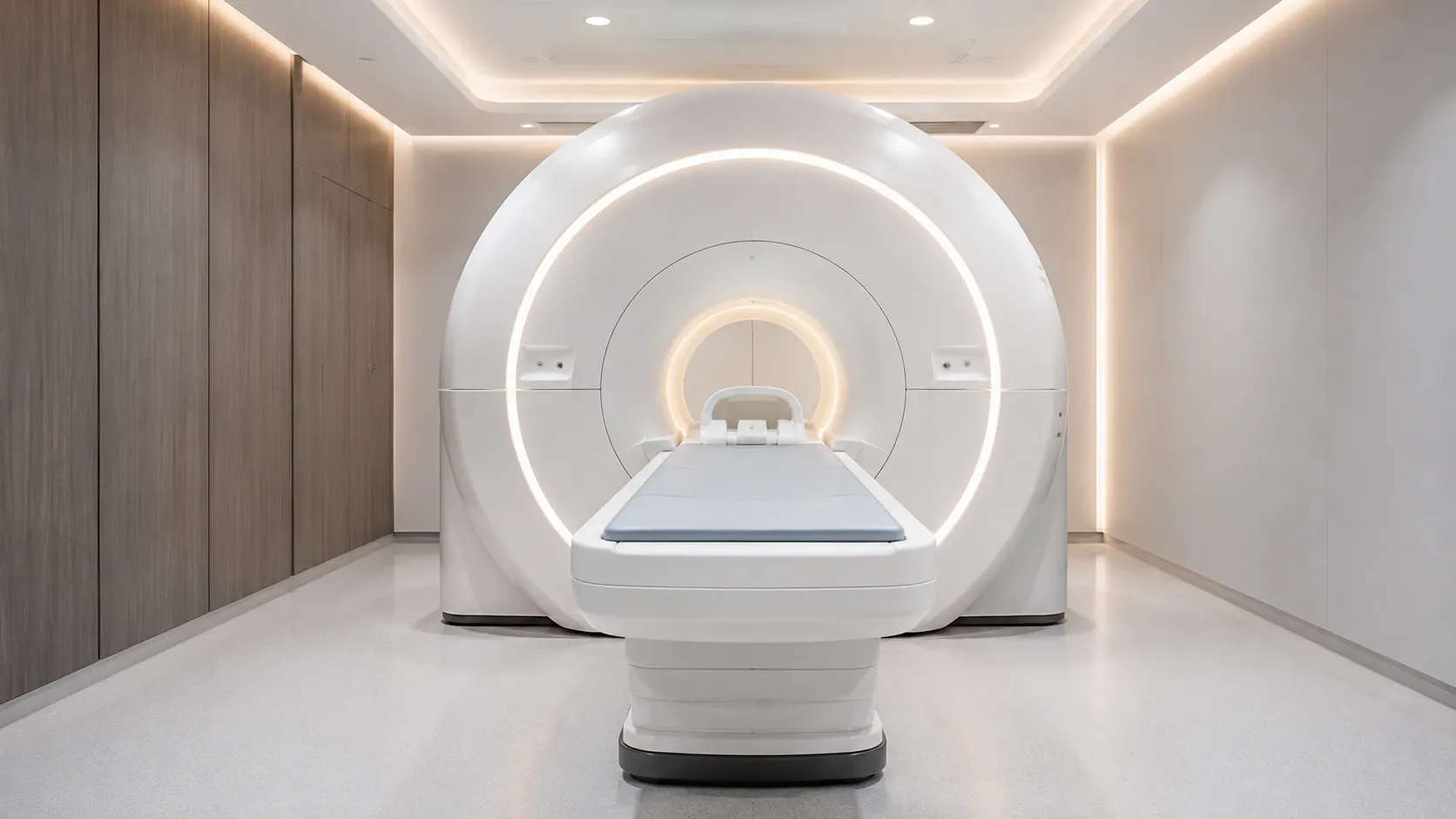
Musculoskeletal Imaging Systems- Diagnostic imaging technologies help healthcare professionals evaluate bones, joints, muscles, ligaments, and tendons following sports-related injuries.
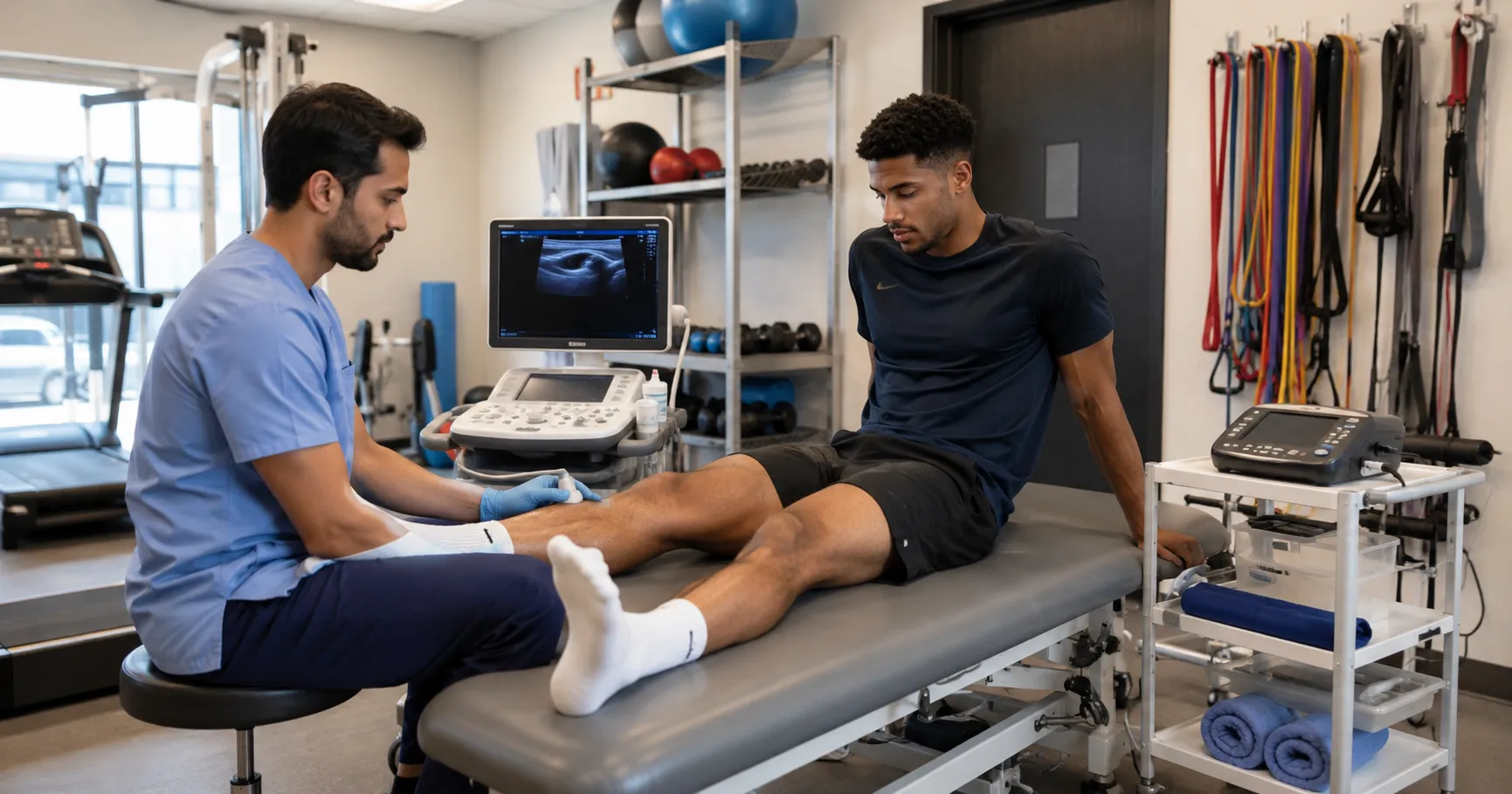
Ultrasound Equipment- Ultrasound systems are commonly used to assess soft-tissue injuries and to support treatment planning.
Movement Analysis Technologies- Advanced assessment tools help clinicians evaluate mobility, biomechanics, and functional movement patterns.
Performance Evaluation Systems- Sports medicine specialists use assessment technologies to identify injury risks and monitor rehabilitation progress.
Healthcare facilities often work with business suppliers when sourcing advanced diagnostic technologies for sports medicine programmes.
Physiotherapy Equipment Plays a Central Role in Recovery
Physiotherapy remains one of the most important components of sports injury management.
Electrotherapy Systems- These technologies support rehabilitation programmes designed to improve muscle activation and recovery.
Therapeutic Ultrasound Devices- Therapeutic ultrasound equipment is commonly used within rehabilitation and physiotherapy settings.
Exercise Rehabilitation Equipment- Sports medicine facilities use specialised exercise equipment to restore strength, flexibility, and functional movement.
Balance and Stability Training Systems- These systems help patients improve coordination, mobility, and recovery from injury.
Physiotherapy technologies continue playing a critical role in modern rehabilitation programmes.
Athlete Monitoring Technologies Are Becoming More Advanced
Modern sports medicine increasingly relies on objective performance and recovery data.
Wearable Monitoring Devices- Wearable technologies help track movement, activity levels, and recovery progress.
Performance Assessment Systems- Healthcare professionals use these systems to evaluate athletic performance and rehabilitation outcomes.
Movement Tracking Technologies- Advanced monitoring tools provide detailed information about biomechanics and movement efficiency.
Recovery Monitoring Solutions- Sports medicine teams increasingly use data-driven approaches to support recovery planning.
Athlete monitoring technologies help clinicians make more informed treatment and rehabilitation decisions.
Rehabilitation Equipment Supports Functional Recovery
Rehabilitation equipment helps athletes safely return to activity following injury.
Strength Rehabilitation Systems- These technologies support progressive recovery programmes designed to rebuild physical capacity.
Mobility Training Equipment- Mobility-focused equipment helps improve flexibility, range of motion, and movement quality.
Gait Training Systems- These solutions support patients recovering from lower-limb injuries and movement impairments.
Functional Rehabilitation Technologies- Sports medicine facilities increasingly use technologies designed to simulate real-world movement patterns and athletic activities.
Effective rehabilitation equipment helps improve recovery outcomes while reducing the risk of reinjury.
Recovery and Regenerative Technologies Are Expanding
Recovery has become a major focus within modern sports medicine. Healthcare professionals increasingly use specialised equipment designed to support rehabilitation and optimise recovery processes.
Cryotherapy Systems- Cryotherapy technologies are commonly used in sports medicine programmes to support post-exercise recovery and rehabilitation.
Compression Therapy Equipment- Compression systems help support circulation and recovery management within athlete care programmes.
Hydrotherapy Equipment- Hydrotherapy technologies provide controlled rehabilitation environments that support movement, recovery, and therapeutic exercise.
Recovery Management Technologies- Modern recovery systems help sports medicine teams monitor rehabilitation progress and optimise treatment programmes.
Recovery-focused technologies are becoming increasingly important as sports medicine moves toward comprehensive athlete management strategies.
Performance Optimisation Equipment Supports Athletic Development
Sports medicine is not limited to injury treatment. Many technologies are also used to improve athletic performance and reduce injury risks.
Strength Assessment Systems- These technologies help clinicians and trainers evaluate muscular performance and identify areas for improvement.
Biomechanical Analysis Equipment- Advanced systems provide detailed insights into movement patterns, technique, and physical performance.
Functional Testing Technologies- Healthcare professionals use testing equipment to assess readiness for return-to-play programmes and athletic participation.
Athlete Development Platforms- Performance monitoring systems support long-term training, conditioning, and injury prevention strategies.
Sports medicine increasingly combines healthcare and performance science to support athlete development.
Technology Is Transforming Sports Medicine Care
Innovation continues to reshape how sports injuries are managed and how rehabilitation programmes are delivered.
Digital Rehabilitation Platforms- Connected technologies help clinicians monitor patient progress and adjust treatment plans more effectively.
Artificial Intelligence Applications- AI-powered analytics are beginning to support injury risk assessment, rehabilitation planning, and performance evaluation.
Wearable Technology Integration- Wearable devices continue to expand the amount of data available to sports medicine professionals.
Remote Monitoring Capabilities- Healthcare teams can increasingly monitor recovery progress outside traditional clinical environments.
Technology-driven sports medicine approaches are expected to continue improving patient outcomes and rehabilitation efficiency.
Procurement Considerations for Sports Medicine Facilities
As sports medicine technology evolves, healthcare organisations are adopting more strategic procurement approaches.
Clinical Application Requirements- Facilities evaluate equipment based on patient populations, treatment objectives, and rehabilitation programmes.
Technology Integration: Healthcare providers increasingly prioritise equipment that integrates with digital healthcare and performance management systems.
Lifecycle Support- Maintenance, training, service support, and upgrade capabilities influence purchasing decisions.
Future Scalability- Organisations assess whether equipment can support future growth and evolving sports medicine requirements.
Healthcare organisations often review information from business Advertise when evaluating rehabilitation technologies, physiotherapy equipment, athlete-monitoring solutions, and sports-medicine innovations.
Strategic Partnerships Support Sports Medicine Development
Successful sports medicine programmes often depend on collaboration between healthcare providers, equipment suppliers, rehabilitation specialists, and technology partners.
Technology Evaluation Support- Strategic partners help organisations assess equipment options and identify solutions that align with clinical objectives.
Implementation Assistance- Expert guidance supports the efficient deployment and integration of sports medicine technologies.
Training and Education- Healthcare professionals benefit from ongoing training that maximises equipment utilisation and treatment effectiveness.
Long-Term Equipment Planning- Partnerships help organisations develop sustainable technology roadmaps and equipment investment strategies.
Healthcare facilities expanding sports medicine services frequently benefit from establishing business partners that support procurement planning, access to technology, rehabilitation programme development, and lifecycle management.
Future Trends in Sports Medicine Technology
Several innovations are expected to influence sports medicine care over the coming years.
Artificial Intelligence for Injury Prevention- AI systems may help identify injury risks through movement analysis and performance monitoring.
Advanced Wearable Technologies- Future wearable devices are expected to provide more detailed physiological and biomechanical insights.
Personalised Rehabilitation Programmes- Data-driven technologies will increasingly support customised recovery pathways for individual patients.
Connected Recovery Ecosystems- Sports medicine technologies will become more integrated with healthcare information systems and athlete management platforms.
Expanded Digital Healthcare Applications- Remote monitoring, virtual rehabilitation support, and connected care models are expected to continue growing.
These developments are likely to improve both athlete care and rehabilitation outcomes.
Final Thoughts
Medical equipment plays a central role in modern sports medicine care. From diagnostic imaging and physiotherapy technologies to rehabilitation systems, recovery equipment, performance monitoring tools, and digital healthcare platforms, advanced technologies help healthcare professionals prevent injuries, support recovery, optimise performance, and improve patient outcomes.
For healthcare facility procurement decision-makers, selecting the right sports medicine equipment requires balancing clinical effectiveness, rehabilitation objectives, technology integration, and long-term operational value. As sports medicine continues to evolve, healthcare organisations that invest in innovative technologies and evidence-based rehabilitation solutions will be better positioned to support athletes' health, performance, and recovery.
Healthcare providers that collaborate with regulated, certified equipment suppliers worldwide and adopt future-focused sports medicine strategies can strengthen rehabilitation services and support long-term clinical excellence.
Disclaimer
Medigear.uk is a global medical equipment supplier, exporter, and distributor. The content published on this site is intended for educational and informational purposes only. Nothing on this page constitutes medical advice, clinical guidance, treatment recommendations, sports performance advice, or procurement advice. All healthcare, rehabilitation, and procurement decisions should be made by qualified medical professionals and authorised procurement teams operating within the regulatory frameworks of their respective countries.