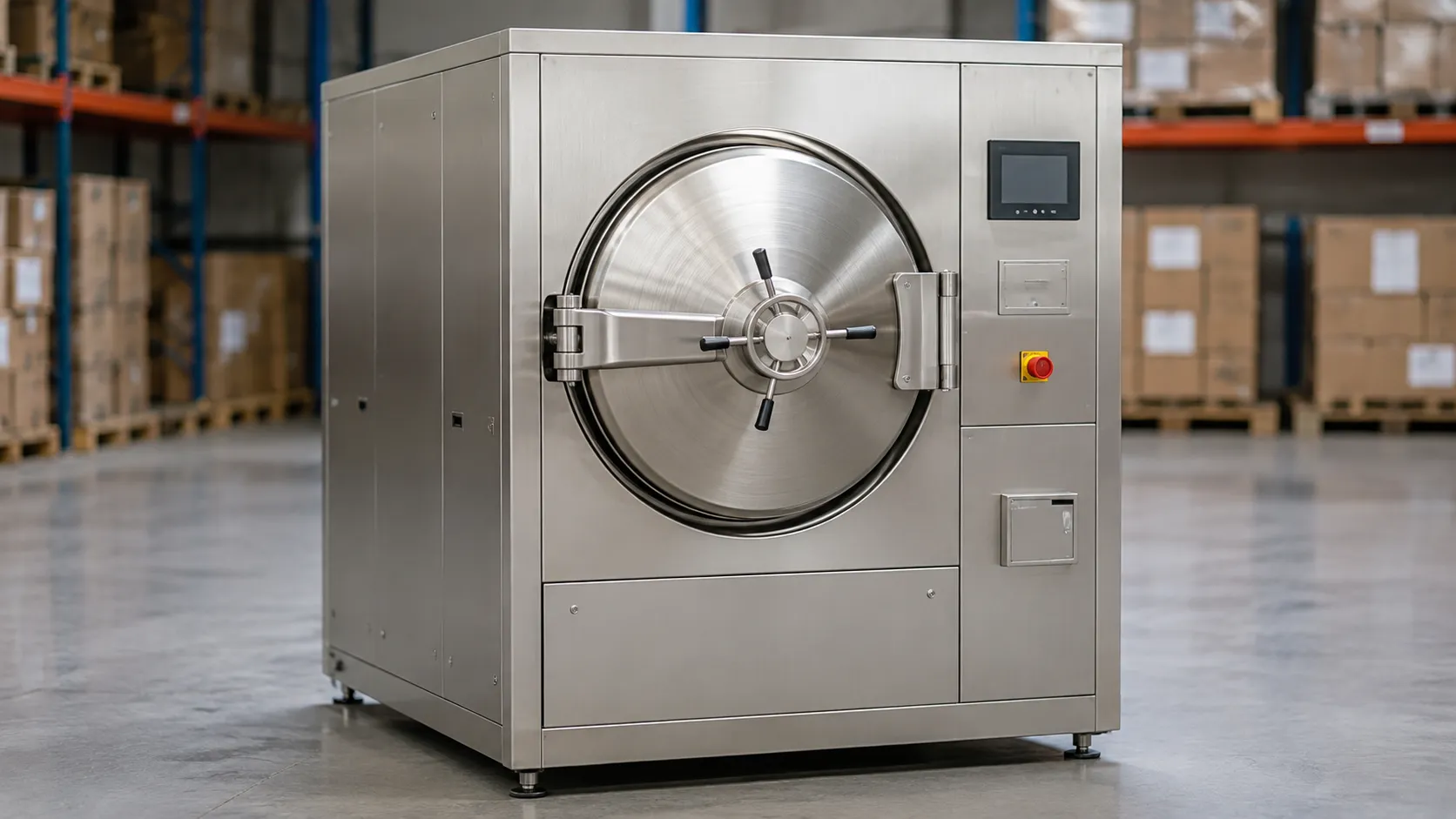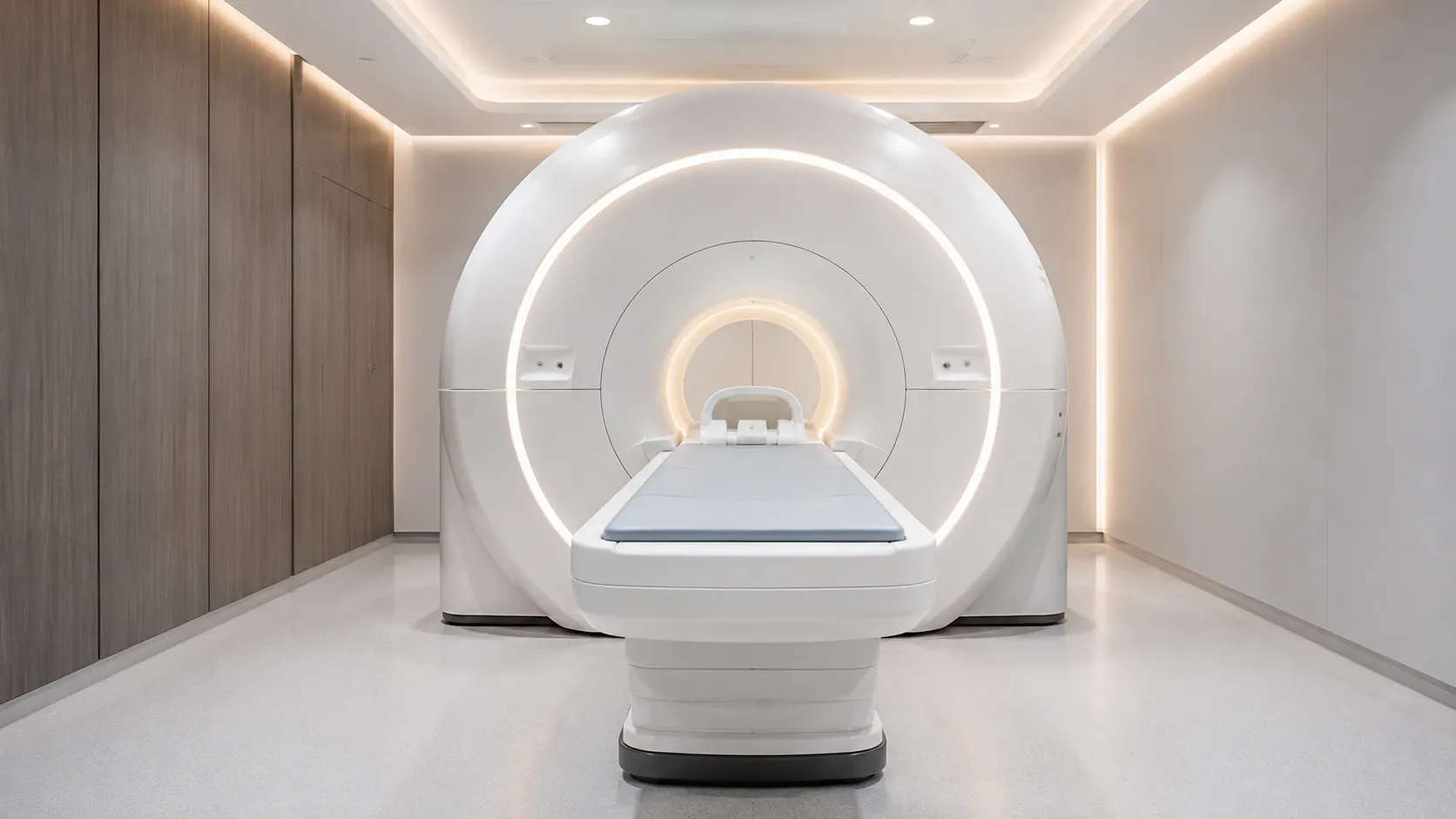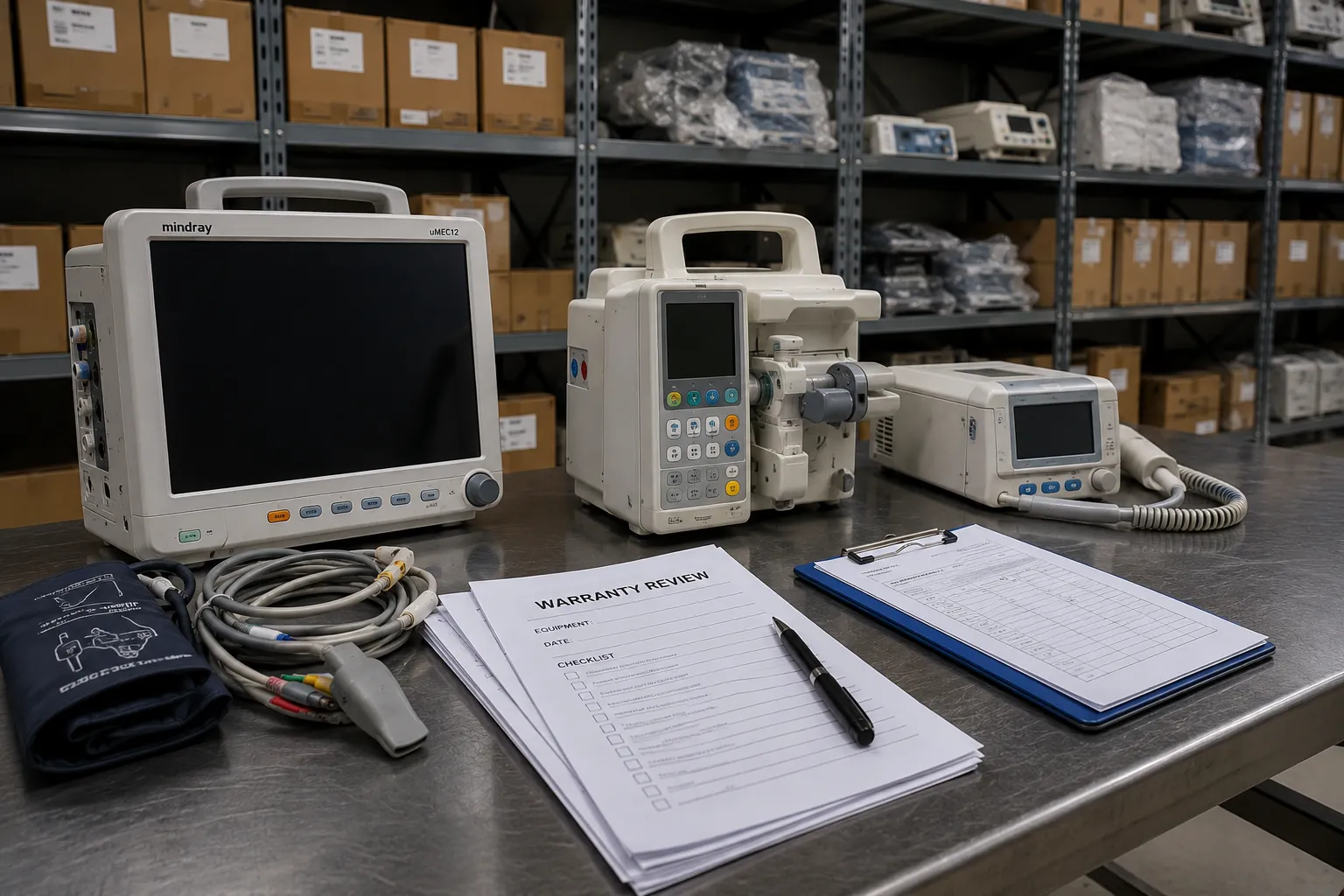
Importing medical equipment internationally enables hospitals, clinics, diagnostic centres, laboratories, distributors, and healthcare organisations to access advanced healthcare technologies from manufacturers worldwide. Whether sourcing diagnostic imaging systems, surgical equipment, patient monitors, laboratory analysers, or rehabilitation devices, a well-planned import process helps ensure efficient procurement and timely delivery.
International medical equipment imports involve much more than selecting a product. Buyers must consider supplier reliability, regulatory requirements, shipping methods, customs procedures, documentation, installation planning, and after-sales support. Understanding each stage of the import process helps reduce risks and improve procurement outcomes.
Define Your Equipment Requirements
Before contacting suppliers, clearly identify your procurement needs.
Consider:
-
Equipment category.
-
Intended clinical application.
-
Expected patient volume.
-
Installation requirements.
-
Available facility space.
-
Future expansion plans.
Clearly defined requirements make it easier to compare products and request accurate quotations.
Choose a Reliable Medical Equipment Supplier
Selecting the right supplier is one of the most important steps in international procurement.
Look for suppliers that offer:
-
High-quality medical equipment.
-
Comprehensive product portfolios.
-
Technical expertise.
-
Transparent communication.
-
Global shipping experience.
-
After-sales support.
A trusted supplier can help simplify the import process while providing ongoing assistance after delivery.
Healthcare organisations looking to source equipment internationally can explore: buyer services.
Verify Product Documentation
Medical equipment imports typically require complete technical documentation.
Important documents may include:
-
Product specifications.
-
User manuals.
-
Technical brochures.
-
Quality certifications.
-
Warranty information.
-
Installation instructions.
Having complete documentation can help simplify customs clearance and equipment installation.
Understand Import Regulations
Every country has its own import procedures for medical equipment.
Healthcare buyers should review:
-
Import licensing requirements.
-
Product registration procedures.
-
Customs documentation.
-
Local regulatory standards.
-
Applicable taxes and duties.
Understanding regulatory requirements before shipping helps avoid unnecessary delays.
Select the Appropriate Shipping Method
Shipping options depend on equipment size, urgency, and budget.
Common transportation methods include:
Air Freight Suitable for:
-
Smaller equipment.
-
Urgent deliveries.
-
High-value products.
Advantages include faster transit times.
Sea Freight Suitable for:
-
Large medical equipment.
-
Bulk shipments.
-
Cost-sensitive projects.
Sea freight is often preferred for large healthcare infrastructure projects.
Plan Customs Clearance
Customs procedures play an important role in international logistics.
Healthcare organisations should prepare:
-
Commercial invoices.
-
Packing lists.
-
Shipping documentation.
-
Import permits are required.
-
Customs declarations.
Working with experienced logistics partners can simplify customs processing.
Healthcare suppliers interested in expanding international distribution can discover opportunities through business suppliers.
Inspect Equipment Upon Arrival
Once equipment reaches its destination, it should be inspected before installation.
Review:
-
Packaging condition.
-
Physical appearance.
-
Accessories.
-
Documentation.
-
Serial numbers.
-
Shipping damage.
Prompt inspection helps identify any issues before deployment.
Prepare for Installation
Successful installation requires advanced planning.
Consider:
-
Electrical requirements.
-
Water or gas connections, where applicable.
-
Network connectivity.
-
Environmental conditions.
-
Available floor space.
-
Equipment accessibility.
Preparing the installation site reduces project delays.
Plan for Training and Technical Support
Healthcare professionals should receive appropriate operational guidance.
Training may include:
-
Equipment operation.
-
Routine maintenance.
-
Safety procedures.
-
Software functions.
-
Basic troubleshooting.
Well-trained users help maximise equipment performance.
Arrange Long-Term Maintenance
Medical equipment requires ongoing servicing throughout its operational life.
Maintenance planning should include:
-
Preventive maintenance schedules.
-
Spare parts availability.
-
Technical support contacts.
-
Service agreements.
-
Equipment inspections.
Reliable maintenance support helps reduce downtime and extend equipment lifespan.
Consider Total Import Costs
The purchase price represents only one part of the total investment.
Healthcare buyers should also evaluate:
-
International shipping.
-
Customs duties.
-
Import taxes.
-
Insurance.
-
Installation costs.
-
Maintenance expenses.
-
Training.
-
Future servicing.
Calculating the total landed cost helps organisations prepare accurate procurement budgets.
Healthcare organisations interested in long-term partnerships can learn more through business partners.
Build Strong Supplier Relationships
Long-term supplier partnerships can simplify future procurement.
Benefits include:
-
Consistent product availability.
-
Faster quotation processes.
-
Better technical support.
-
Improved logistics coordination.
-
Ongoing product updates.
Strong relationships often improve procurement efficiency over time.
Businesses seeking greater visibility within the healthcare industry can discover opportunities through business advertise
For international sourcing assistance, procurement guidance, and product enquiries, support is available through the Contact Team.
Conclusion
Importing medical equipment internationally requires careful planning, reliable suppliers, complete documentation, regulatory compliance, and efficient logistics management. By evaluating equipment requirements, understanding import procedures, preparing for installation, and planning long-term maintenance, healthcare organisations can streamline procurement while minimising risks.
A structured import strategy helps hospitals, clinics, laboratories, and distributors access advanced medical technologies that support quality healthcare delivery and long-term operational success.
Disclaimer
Medigear.uk is a medical equipment supplier and distributor. We do not provide medical advice, diagnosis, or treatment recommendations. All information is provided for educational and informational purposes only. Qualified medical professionals should always make healthcare decisions.