Medical equipment certifications play an important role in the global healthcare industry by demonstrating that manufacturers have followed applicable quality management systems, safety requirements, and regulatory processes for their products. For hospitals, clinics, laboratories, distributors, and procurement professionals, understanding these certifications can support informed purchasing decisions and improve confidence during equipment evaluation.
Whether sourcing diagnostic imaging systems, patient monitoring devices, laboratory analysers, surgical equipment, or home healthcare products, buyers should understand what each certification represents and how it fits into the procurement process.
This guide explains common medical equipment certifications, their purpose, and what healthcare organisations should verify before making a purchase.
Why Medical Equipment Certifications Matter
Medical equipment certifications help establish confidence in manufacturing processes, product documentation, and regulatory compliance.
Key benefits include:
Supporting Procurement Decisions – Certifications provide documented evidence that applicable standards or regulatory processes have been addressed.
Promoting Product Consistency – Certified quality systems encourage consistent manufacturing practices.
Facilitating International Trade – Many certifications help support access to global healthcare markets.
Strengthening Supplier Evaluation – Certifications form one part of a broader supplier assessment process.
While certifications are important, they should always be considered alongside technical performance, after-sales support, and operational suitability.
Common Medical Equipment Certifications
Healthcare buyers may encounter several different certifications during procurement.
CE Marking - CE marking applies to many medical devices placed on markets where it is required under applicable regulations.
It indicates that the manufacturer has completed the required conformity assessment procedures and declared compliance with the relevant regulatory requirements.
FDA Clearance or Approval - Medical devices entering the United States may follow different regulatory pathways depending on device classification.
Healthcare buyers should understand the distinction between:
-
FDA-Cleared devices.
-
FDA-approved devices.
-
FDA-registered establishments.
These terms describe different regulatory concepts and should not be used interchangeably.
ISO 13485 - an internationally recognised quality management system standard specifically developed for medical device manufacturers.
It focuses on areas such as:
-
Quality management.
-
Risk management.
-
Manufacturing controls.
-
Documentation.
-
Continuous process improvement.
Many manufacturers implement ISO 13485 as part of their quality management strategy.
Healthcare organisations exploring international sourcing opportunities can learn more through buyer services.
ISO 9001 - Some manufacturers also operate quality management systems certified to ISO 9001.
This standard focuses on:
-
Customer satisfaction.
-
Process management.
-
Continuous improvement.
-
Organisational quality systems.
While ISO 9001 applies across many industries, ISO 13485 is specifically designed for medical devices.
Product Certifications vs Quality Management Certifications
Healthcare buyers should understand the difference.
Product Certifications: These pertain to individual medical devices and the applicable regulatory requirements.
Examples include:
-
CE marking.
-
FDA clearance, where applicable.
Quality Management Certification:- These pertain to the manufacturer's quality management systems.
Examples include:
-
ISO 13485.
-
ISO 9001.
Both can contribute valuable information during supplier evaluation.
Documentation Buyers Should Request
Certifications should always be supported by appropriate documentation.
Request:
-
Product specifications.
-
User manuals.
-
Quality certificates, where applicable.
-
Technical documentation.
-
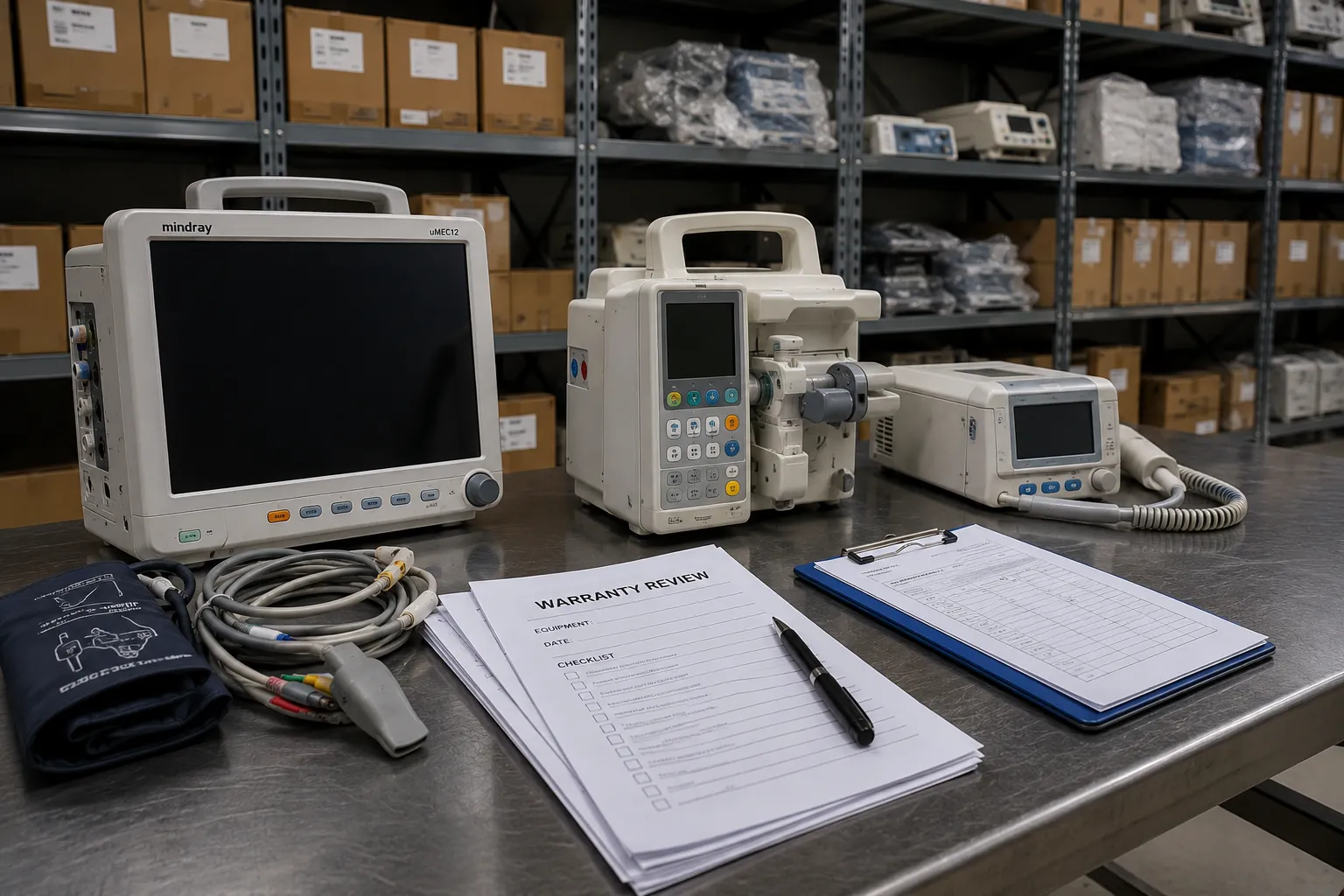
Warranty information.
-
Maintenance recommendations.
-
Installation guidance.
Reviewing documentation helps support informed procurement decisions.
Evaluating Suppliers Beyond Certifications
Certifications represent one part of supplier evaluation.
Healthcare organisations should also consider:
Industry Experience – Experience supporting healthcare customers.
Technical Expertise – Product knowledge and consultation.
After-Sales Support – Maintenance and technical assistance.
Spare Parts Availability – Supporting long-term equipment operation.
Training Services – Helping users operate equipment safely and efficiently.
Reliable supplier partnerships contribute to successful equipment management.
Healthcare suppliers interested in expanding internationally can explore: business suppliers
International Procurement Considerations
Healthcare organisations importing equipment should also review:
-
Local import regulations.
-
Product registration requirements.
-
Customs documentation.
-
National healthcare regulations.
-
Installation requirements.
International certifications may support procurement, but buyers should always verify local regulatory obligations before purchasing.
Common Misconceptions
Several misunderstandings exist regarding medical equipment certifications.
A certification does not automatically guarantee that a product is suitable for every healthcare application.
Certifications do not replace proper equipment evaluation, installation, maintenance, or user training.
Different certifications serve different purposes and should not be interpreted as equivalent.
Understanding these differences helps buyers evaluate equipment more effectively.
Best Practices for Healthcare Buyers
When evaluating certified medical equipment:
-
Define clinical requirements.
-
Verify applicable certifications.
-
Request supporting documentation.
-
Compare multiple suppliers.
-
Review warranty coverage.
-
Evaluate maintenance support.
-
Consider lifecycle costs.
-
Plan for future expansion.
A structured procurement process helps maximise long-term investment value.
Healthcare organisations interested in strategic partnerships can learn more through business partners.
Businesses looking to increase their visibility within the healthcare industry can discover opportunities through business advertise.
For sourcing assistance, procurement guidance, and product enquiries, support is available through the contact team.
Conclusion
Medical equipment certifications are an important part of healthcare procurement, helping buyers understand aspects of regulatory compliance, manufacturing quality systems, and product documentation. Certifications such as CE marking, FDA clearance, and,e where applicable, ISO 13485 provide valuable information during supplier evaluation. Still, they should always be considered alongside product performance, technical support, maintenance services, and operational requirements.
By taking a comprehensive approach to equipment evaluation, healthcare organisations can make informed procurement decisions that support long-term reliability, operational efficiency, and quality healthcare delivery.
Disclaimer
Medigear.uk is a medical equipment supplier and distributor. We do not provide legal, regulatory, certification, or medical advice. This article is for general educational and informational purposes only. Certification and regulatory requirements vary by product and market. Buyers should verify applicable regulations with manufacturers and the relevant regulatory authorities before making procurement decisions.