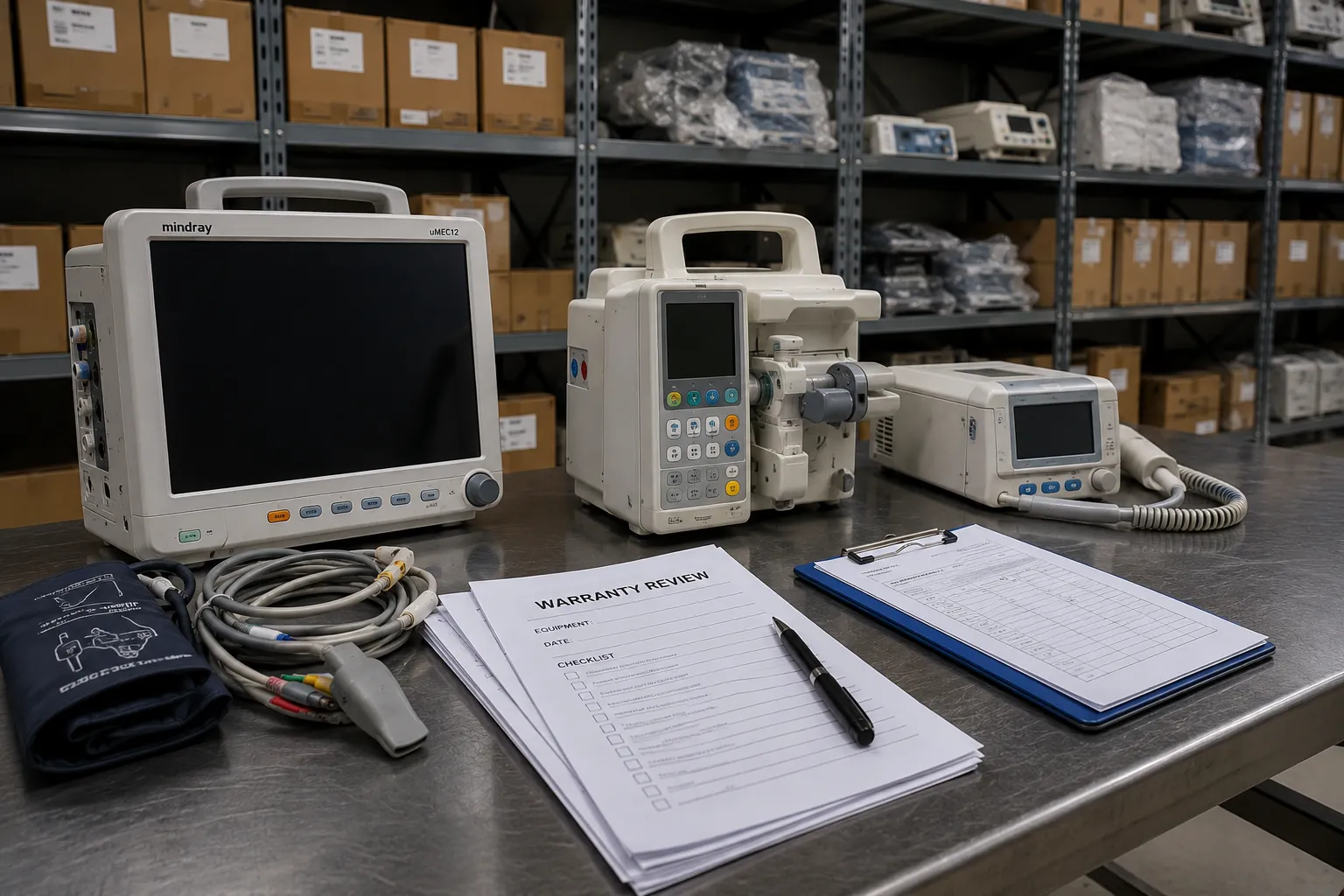
CE marking is one of the most widely recognised conformity markings for medical devices sold in many international markets. It indicates that a medical device has been assessed against applicable regulatory requirements before being placed on the market in a CE-marking-required market. For healthcare providers, distributors, importers, and procurement teams, understanding CE marking can help support informed purchasing decisions and regulatory awareness.
Whether sourcing diagnostic equipment, patient monitors, surgical instruments, laboratory analysers, or home healthcare devices, buyers should understand what CE marking represents—and what it does not.
This guide explains CE marking, its importance in the medical device industry, and the key factors healthcare organisations should consider during procurement.
What Is CE Marking?
CE marking is a conformity marking used on many products, including certain medical devices, to indicate that the manufacturer declares the product meets the applicable regulatory requirements for markets where CE marking is required.
For medical devices, this involves demonstrating compliance with relevant legislation and completing the required conformity assessment procedures before the product is placed on the market.
CE marking is not a quality award or product ranking. Instead, it indicates that the manufacturer has followed the applicable regulatory framework for that product.
Why CE Marking Is Important
CE marking plays an important role in medical device procurement and market access.
Key benefits include:
Regulatory Compliance – Demonstrates that applicable conformity assessment procedures have been completed.
Market Access – Allows eligible medical devices to be placed on markets where CE marking is required.
Buyer Confidence – Helps procurement teams identify products that have undergone the appropriate regulatory process.
Standardised Documentation – Supports product traceability and regulatory documentation.
Healthcare organisations sourcing medical equipment often include CE marking verification as part of their procurement procedures.
Which Medical Devices May Require CE Marking?
Many categories of medical equipment are subject to CE marking requirements when placed on applicable markets.
Examples include:
-
Patient monitoring systems.
-
Ultrasound equipment.
-
X-ray systems.
-
Ventilators.
-
Infusion pumps.
-
Surgical instruments.
-
Hospital beds.
-
Wheelchairs.
-
Laboratory equipment.
-
Home healthcare devices.
The specific regulatory requirements depend on the device type, intended purpose, and applicable legislation.
Healthcare organisations exploring equipment sourcing opportunities can discover more through buyer services.
The CE Marking Process
Obtaining CE marking generally involves several important stages.
Product Classification - Manufacturers first determine how the medical device is classified under the applicable regulations.
Risk classification influences the conformity assessment pathway.
Technical Documentation
Manufacturers prepare technical documentation describing:
-
Device design.
-
Intended purpose.
-
Manufacturing information.
-
Performance data.
-
Risk management activities.
-
Supporting evidence where applicable.
Proper documentation supports regulatory compliance.
Conformity Assessment - Depending on the device classification, manufacturers complete the required conformity assessment process.
Certain devices require assessment involving an independent conformity assessment body, where applicable under the regulatory framework.
Declaration of Conformity - After completing the necessary procedures, manufacturers prepare a Declaration of Conformity stating that the product meets applicable regulatory requirements.
Applying the CE Mark: Once all applicable requirements have been met, the CE Mark may be affixed to the medical device where permitted.
What Buyers Should Verify
Healthcare procurement teams should review more than just the presence of a CE mark.
Important considerations include:
-
Product documentation.
-
Manufacturer information.
-
Intended use.
-
Technical specifications.
-
Instructions for use.
-
Warranty information.
-
Service support.
-
Availability of spare parts.
A comprehensive procurement review supports better purchasing decisions.
Healthcare suppliers interested in expanding their international distribution network can explore: business suppliers.
CE Marking and International Trade
CE-marked medical devices are commonly traded internationally where applicable regulatory requirements recognise or require CE conformity.
For importers and distributors, documentation management remains an important part of the procurement process.
Areas to review include:
-
Import documentation.
-
Product traceability.
-
Technical files.
-
Shipping documentation.
-
Equipment identification.
Well-organised documentation helps simplify international procurement.
Common Misunderstandings About CE Marking
Several misconceptions exist regarding CE marking.
CE marking does not automatically mean a device is suitable for every healthcare application.
CE marking is not a guarantee of product performance beyond its intended purpose.
CE marking does not replace proper equipment evaluation, installation, maintenance, or user training.
Healthcare organisations should continue evaluating equipment based on operational requirements, supplier support, and long-term ownership considerations.
Choosing a Reliable Supplier
A trusted supplier helps simplify procurement by providing:
-
Product documentation.
-
Technical consultation.
-
Installation guidance.
-
Logistics support.
-
After-sales service.
-
Maintenance assistance.
Working with experienced suppliers helps healthcare organisations manage procurement more efficiently.
Healthcare organisations interested in strategic partnerships can explore: business partners
Procurement Best Practices
When purchasing CE-marked medical devices, buyers should consider:
Clinical Requirements – Match equipment to operational needs.
Regulatory Documentation – Verify supporting documentation.
Supplier Experience – Evaluate industry expertise.
Maintenance Support – Plan for long-term servicing.
Training Requirements – Ensure users receive appropriate guidance.
Total Cost of Ownership – Consider long-term operating expenses alongside purchase price.
Following structured procurement procedures supports successful equipment implementation.
Businesses looking to increase their visibility within the healthcare industry can discover opportunities through business advertise.
For sourcing assistance, procurement guidance, and product enquiries, support is available through the Contact Team.
Conclusion
CE marking plays an important role in the medical device industry by demonstrating that manufacturers have completed the applicable conformity assessment procedures required under relevant regulations. For hospitals, clinics, laboratories, distributors, and healthcare buyers, understanding what CE marking represents can help improve procurement decisions and regulatory awareness.
While CE marking is an important consideration, buyers should also evaluate product quality, supplier reliability, technical support, maintenance services, and long-term operational requirements before making purchasing decisions.
Disclaimer
Medigear.uk is a medical equipment supplier and distributor. We do not provide regulatory, legal, or medical advice. This article is for general educational and informational purposes only. Medical device compliance requirements vary by product and market. Always consult the applicable regulatory authorities and manufacturers for product-specific requirements.