Selecting a medical equipment supplier is one of the most important decisions for hospitals, clinics, laboratories, distributors, and healthcare organisations. A dependable supplier does more than deliver equipment—they provide technical support, product knowledge, logistics expertise, and long-term service that helps healthcare facilities operate efficiently.
With thousands of products available across diagnostic imaging, critical care, laboratory, rehabilitation, and home healthcare sectors, choosing the right supplier requires careful evaluation beyond pricing alone. Reliability, product quality, after-sales support, and supply chain capabilities all contribute to a successful procurement partnership.
This guide outlines the key factors healthcare buyers should consider when selecting a medical equipment supplier.
Understand Your Equipment Requirements
Before contacting suppliers, define your organisation's procurement objectives.
Consider questions such as:
-
What type of healthcare facility will use the equipment?
-
Which departments require new equipment?
-
What is the expected daily workload?
-
Is future expansion planned?
-
Will additional accessories or consumables be required?
Clearly identifying operational requirements helps narrow supplier options and simplifies the purchasing process.
Evaluate Product Range
A supplier with a broad product portfolio can simplify procurement and reduce the need to manage multiple vendors.
Common equipment categories include:
-
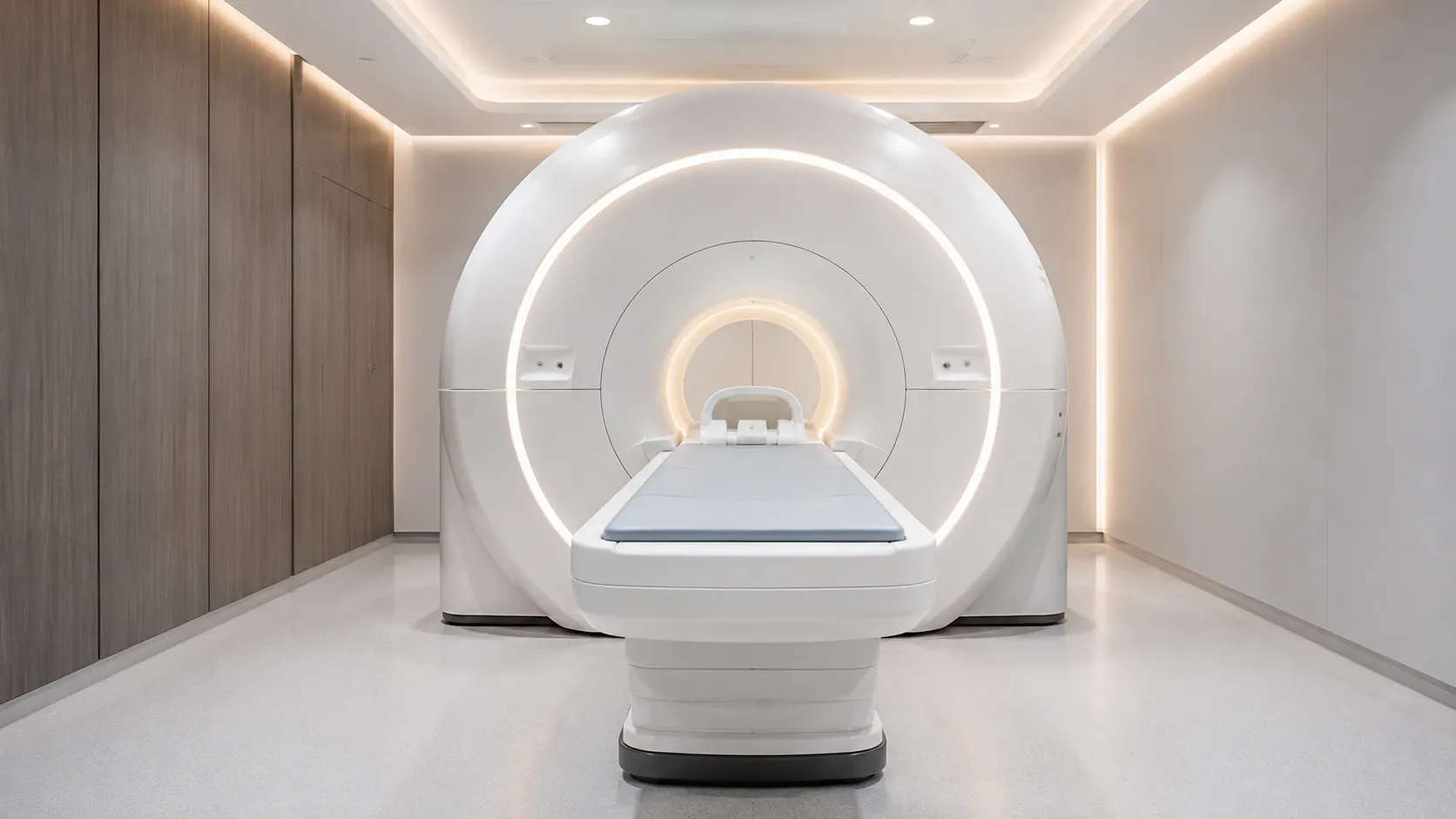
Diagnostic imaging equipment.
-
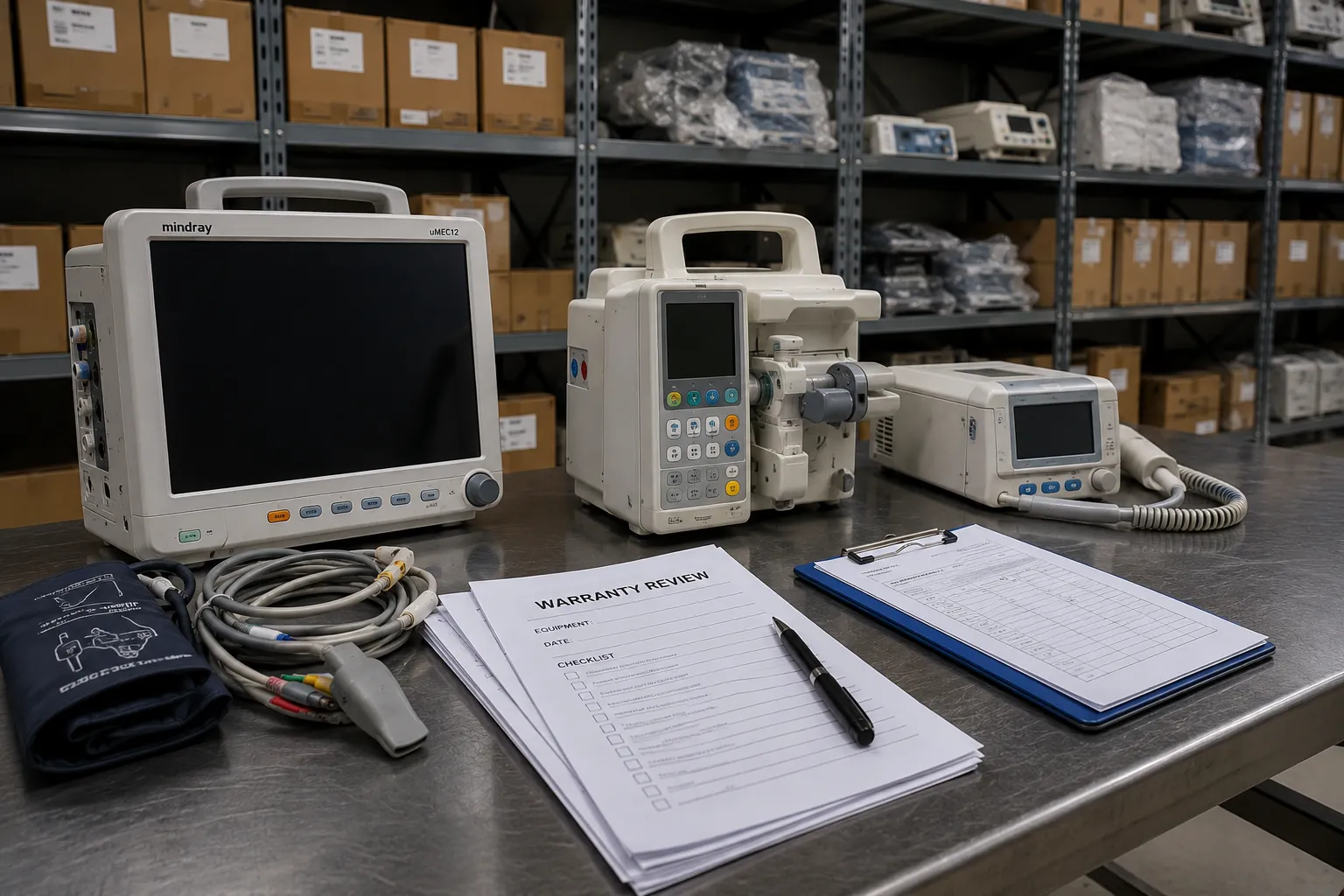
Patient monitoring systems.
-
Laboratory equipment.
-
ICU and emergency care devices.
-
Surgical equipment.
-
Hospital furniture.
-
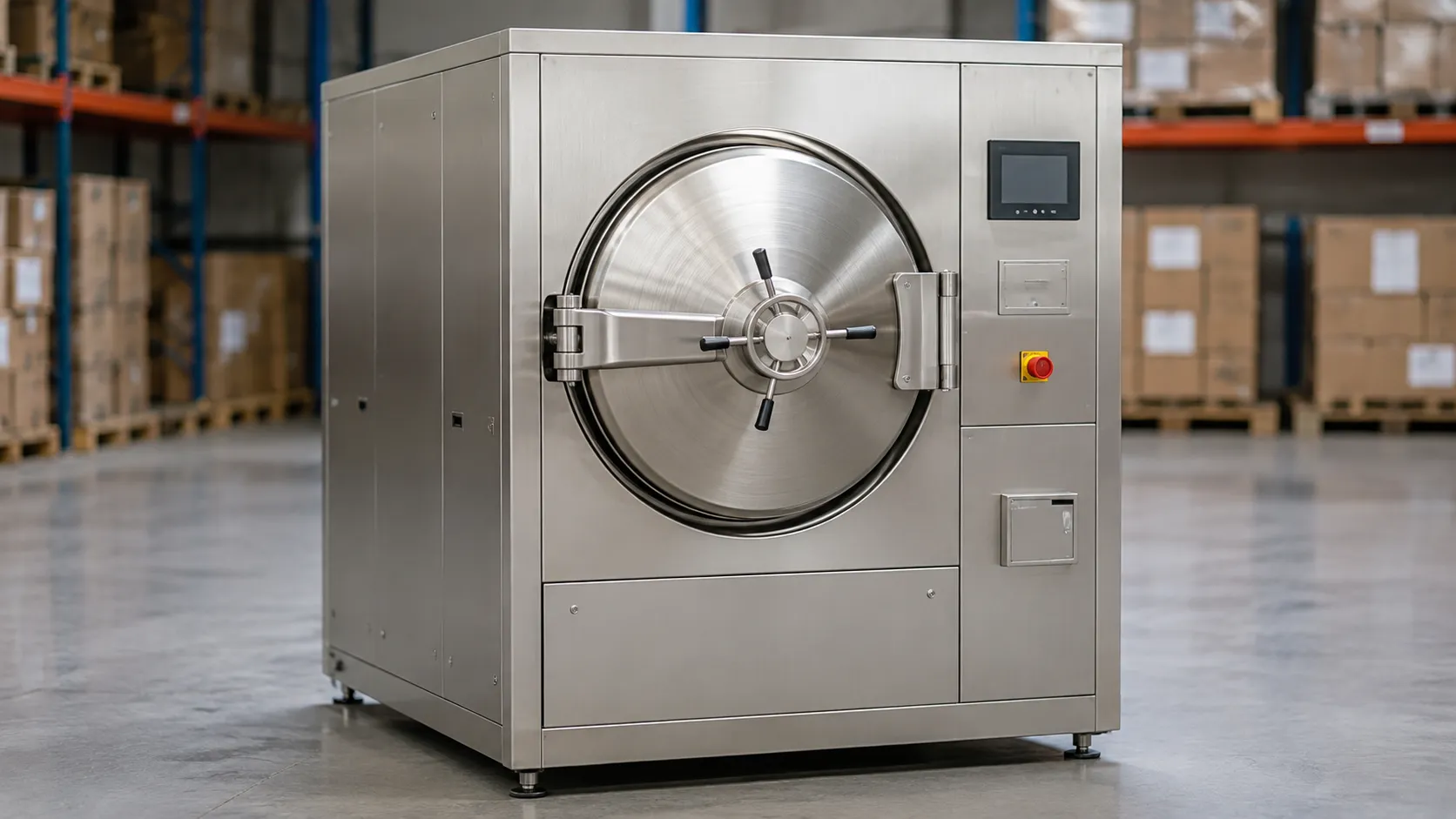
Sterilisation equipment.
-
Home healthcare products.
A comprehensive product range enables healthcare organisations to source multiple equipment categories from a single procurement partner.
Review Industry Experience
Experience often reflects a supplier's ability to understand healthcare procurement challenges.
Healthcare Market Knowledge – Experienced suppliers are familiar with different healthcare environments.
Technical Expertise – Product knowledge supports informed purchasing decisions.
Supply Chain Management – Established logistics networks improve delivery reliability.
Long-Term Business Stability – Proven industry experience can indicate consistent service quality.
Healthcare organisations exploring equipment sourcing opportunities can discover more through buyer services.
Assess Product Quality
Medical equipment should be evaluated for reliability, durability, and suitability for the intended application.
Important considerations include:
Build Quality – Durable construction supports long-term use.
Performance Consistency – Reliable operation minimises disruptions.
Ease of Maintenance – Accessible servicing supports equipment longevity.
Compatibility – Equipment should integrate with existing healthcare infrastructure.
Quality assessments should extend beyond product specifications to include long-term operational performance.
Consider After-Sales Support
A supplier's responsibilities continue after equipment delivery.
Look for services such as:
-
Installation guidance.
-
Technical assistance.
-
Maintenance support.
-
Spare parts availability.
-
User training.
-
Product documentation.
Reliable after-sales support can reduce downtime and help maximise equipment performance throughout its lifecycle.
Evaluate Supply Chain Capabilities
Strong logistics and inventory management are essential for dependable equipment delivery.
Product Availability – Consistent inventory reduces procurement delays.
Efficient Logistics – Reliable shipping supports project timelines.
Inventory Planning – Well-managed stock improves equipment availability.
International Distribution Experience – Global sourcing expertise can simplify cross-border procurement.
Healthcare suppliers interested in expanding their distribution network can learn more through business suppliers.
Compare Total Value, Not Just Price
Selecting the lowest-priced option may not always provide the best long-term value.
Evaluate:
-
Equipment reliability.
-
Warranty coverage.
-
Maintenance costs.
-
Spare parts availability.
-
Product lifespan.
-
Technical support quality.
Considering the total cost of ownership often results in more sustainable procurement decisions.
Look for Strong Communication
Clear communication supports smoother procurement projects.
A dependable supplier should provide:
Responsive Customer Service – Timely answers to procurement questions.
Accurate Documentation – Supporting purchasing and logistics.
Order Updates – Keeping buyers informed throughout the delivery process.
Technical Consultation – Helping match products to operational needs.
Good communication strengthens long-term business relationships.
Consider Scalability
Healthcare organisations often expand over time.
Choose suppliers capable of supporting future requirements through:
-
Additional equipment categories.
-
Expansion projects.
-
Replacement equipment.
-
Technology upgrades.
-
Long-term procurement planning.
Scalable supplier relationships simplify future purchasing activities.
Healthcare organisations interested in strategic partnerships can explore: business partners.
Watch for Industry Trends
Healthcare procurement continues to evolve.
Leading suppliers increasingly offer:
Digital Procurement Support – Simplifying equipment selection.
Connected Medical Technologies – Supporting digital healthcare.
Sustainable Product Options – Improving environmental performance.
Global Sourcing Networks – Expanding equipment availability.
Working with suppliers that adapt to industry developments can help organisations remain prepared for future healthcare needs.
Businesses looking to increase their visibility within the healthcare sector can discover opportunities through business advertise.
For procurement guidance, sourcing assistance, and product enquiries, support is available through: Contact Team.
Building a Long-Term Procurement Partnership
A successful supplier relationship extends beyond individual purchases. Healthcare organisations benefit from suppliers who understand operational requirements, maintain reliable inventory, provide responsive support, and adapt to changing healthcare technologies.
Choosing a trusted medical equipment supplier helps improve procurement efficiency, supports long-term equipment performance, and contributes to better healthcare operations.
Disclaimer
Medigear.uk is a medical equipment supplier and distributor. We do not provide medical advice, diagnosis, or treatment recommendations. All information is for educational and product awareness purposes only. Qualified medical professionals should always make healthcare decisions.