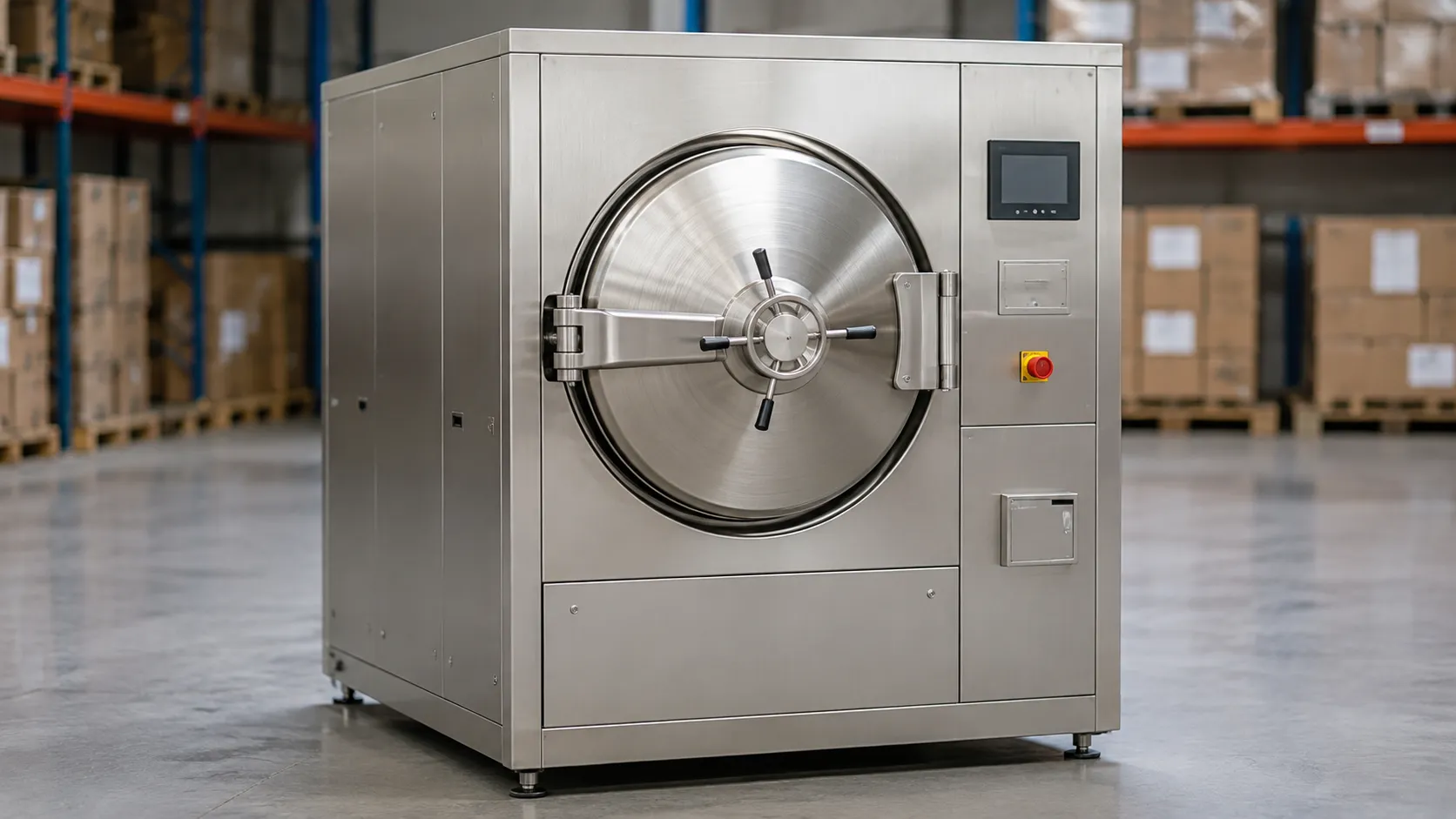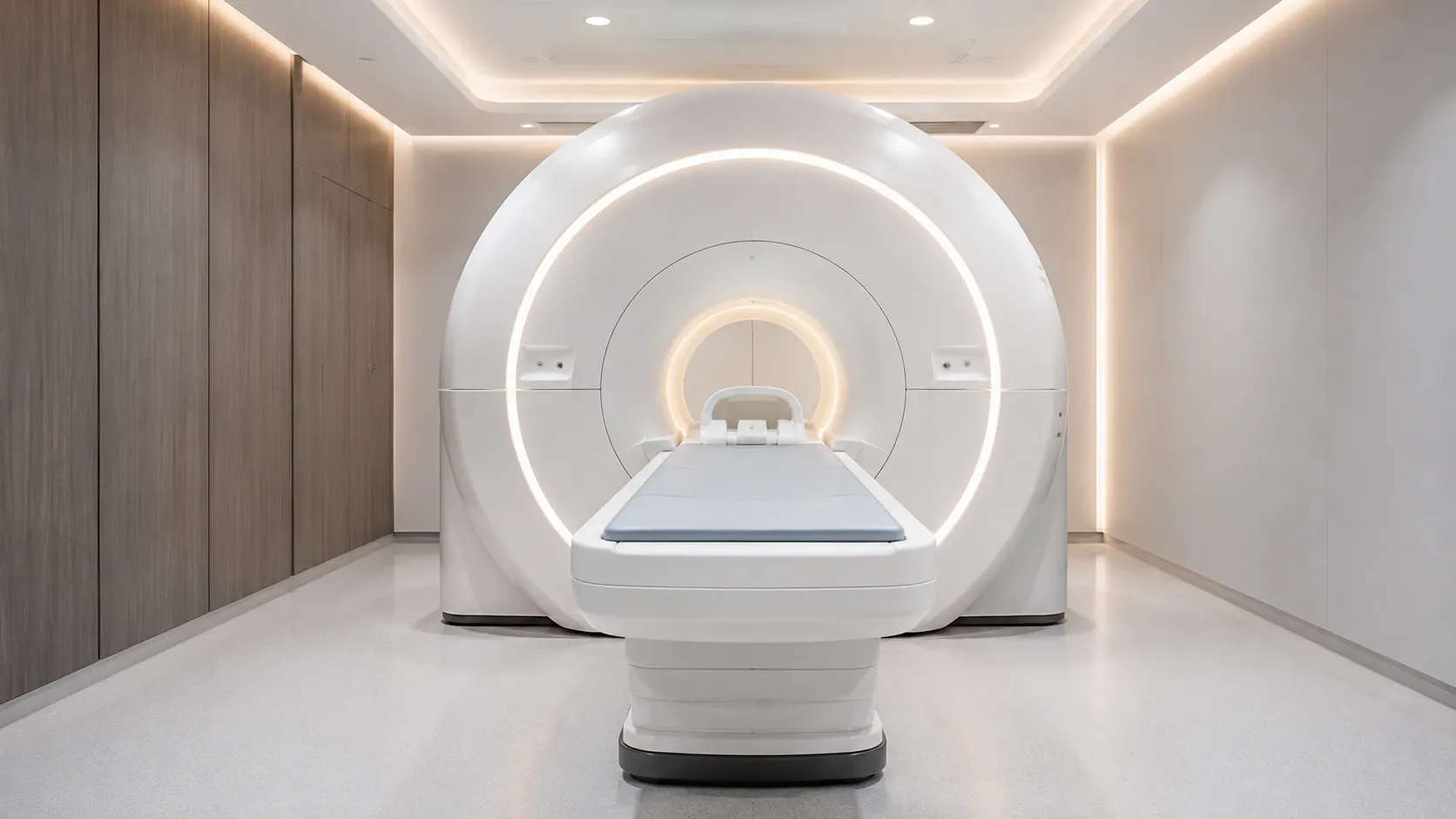
Purchasing medical equipment is one of the most important investments for hospitals, clinics, diagnostic centres, laboratories, and healthcare organisations. A structured procurement process helps ensure that equipment meets operational requirements, supports long-term healthcare goals, and provides value throughout its lifecycle.
Medical equipment procurement involves much more than comparing product prices. Healthcare buyers must evaluate equipment performance, supplier reliability, installation requirements, maintenance support, regulatory compliance, and future scalability before making purchasing decisions.
This comprehensive procurement checklist outlines the key steps every healthcare organisation should take when sourcing medical equipment.
Define Clinical and Operational Requirements
The first step is identifying exactly what your healthcare facility requires.
Ask the following questions:
-
Which department requires the equipment?
-
What clinical applications will it support?
-
How many patients will use the equipment each day?
-
Is additional equipment expected in the future?
-
Will the equipment integrate with existing systems?
A clear understanding of operational needs helps avoid unnecessary purchases and improves procurement planning.
Establish a Realistic Budget
Budget planning should include more than the purchase price.
Consider:
-
Equipment cost.
-
Shipping and logistics.
-
Installation expenses.
-
Staff training.
-
Maintenance costs.
-
Service contracts.
-
Spare parts.
-
Future upgrades.
Evaluating the total cost of ownership helps healthcare organisations make informed long-term investment decisions.
Select the Appropriate Equipment
Compare multiple equipment options before making a final decision.
Important evaluation factors include:
-
Performance.
-
Reliability.
-
Ease of operation.
-
Energy efficiency.
-
Maintenance requirements.
-
Expected service life.
Equipment should match the facility's current and future operational requirements.
Verify Supplier Reliability
Choosing a dependable supplier is just as important as selecting the equipment.
Look for suppliers that offer:
-
Comprehensive product ranges.
-
Technical expertise.
-
Reliable logistics.
-
Responsive customer support.
-
After-sales assistance.
-
Long-term service capabilities.
Healthcare organisations exploring sourcing opportunities can learn more through buyer services.
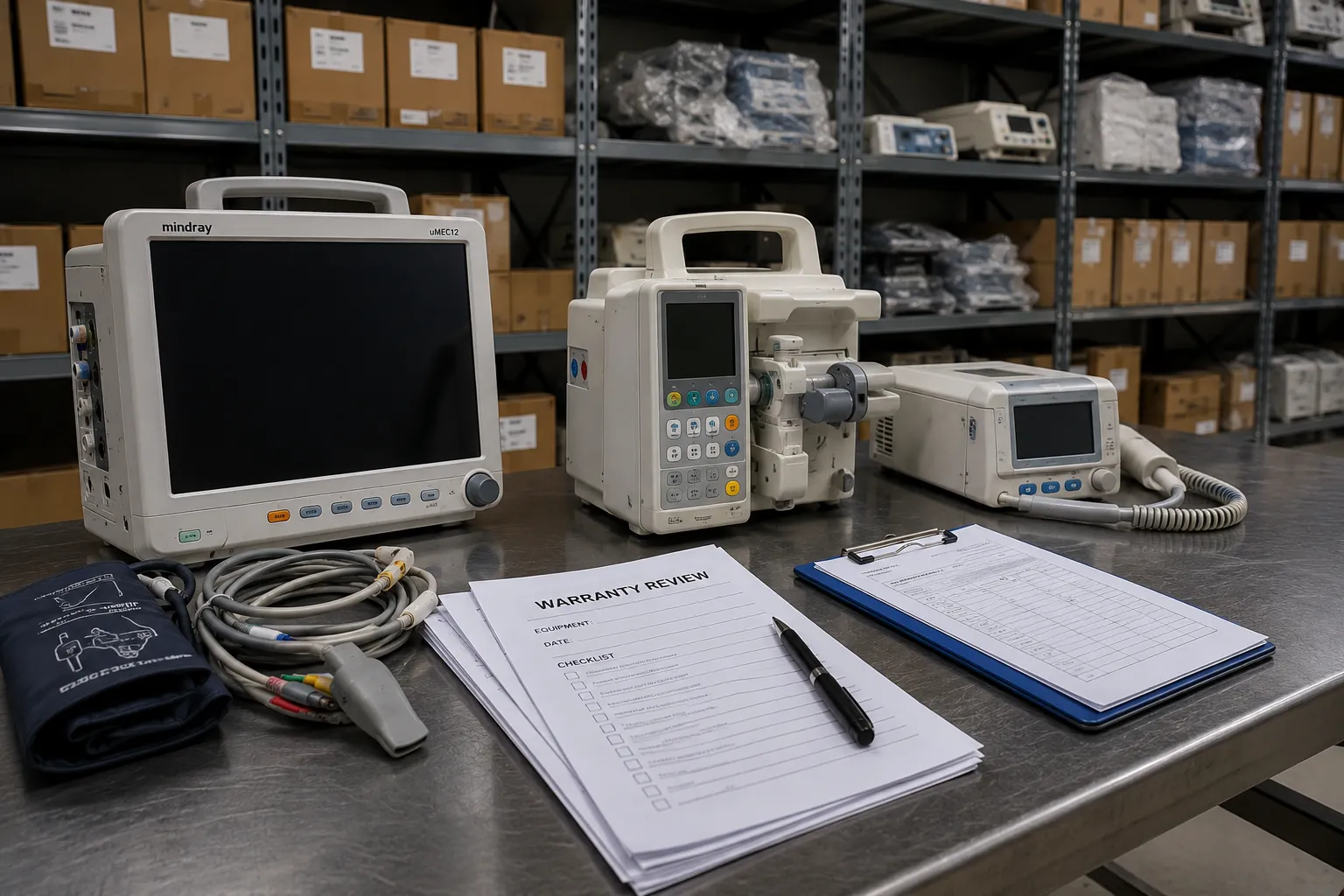
Review Product Documentation
Proper documentation simplifies procurement and equipment management.
Documents to review include:
-
Product specifications.
-
User manuals.
-
Installation guides.
-
Maintenance schedules.
-
Warranty information.
-
Technical documentation.
Keeping organised records supports future servicing and asset management.
Assess Installation Requirements
Before purchasing, confirm that your facility can accommodate the equipment.
Review:
-
Available floor space.
-
Electrical requirements.
-
Water or gas connections (if applicable).
-
Ventilation needs.
-
Network connectivity.
-
Equipment accessibility.
Proper planning helps reduce installation delays.
Evaluate Maintenance and Service Support
Routine maintenance is essential for reliable equipment performance.
Questions to consider include:
-
Are preventive maintenance services available?
-
How quickly can technical support respond?
-
Are spare parts readily available?
-
Is remote technical assistance offered?
-
What is the recommended maintenance schedule?
Strong service support contributes to long-term operational reliability.
Healthcare suppliers interested in expanding their healthcare network can explore business suppliers.
Consider Staff Training
Healthcare professionals should be comfortable operating new equipment.
Training plans may include:
-
Initial equipment orientation.
-
Operational guidance.
-
Safety procedures.
-
Basic troubleshooting.
-
Routine maintenance awareness.
Proper training supports efficient equipment utilisation.
Plan for Future Expansion
Healthcare organisations often grow over time.
When evaluating equipment, consider:
-
Scalability.
-
Software upgrade options.
-
Additional accessories.
-
System compatibility.
-
Integration with future technologies.
Flexible equipment investments can reduce future procurement costs.
Review Regulatory and Compliance Requirements
Medical equipment procurement should align with applicable regulatory standards and facility policies.
Important considerations include:
-
Product certifications.
-
Safety documentation.
-
Import requirements.
-
Technical compliance.
-
Equipment traceability.
Verifying documentation before purchase can help simplify implementation.
Evaluate Delivery and Logistics
Reliable logistics help ensure projects remain on schedule.
Review:
-
Estimated delivery timelines.
-
Shipping methods.
-
Packaging quality.
-
Installation scheduling.
-
Equipment inspection procedures upon arrival.
Well-managed logistics contribute to successful procurement outcomes.
Healthcare organisations interested in strategic collaborations can learn more through business partners.
Think Beyond the Initial Purchase
Successful procurement focuses on long-term value.
Consider:
Equipment Lifespan – Durable products provide better long-term returns.
Operating Costs – Energy consumption and servicing affect ownership expenses.
Technology Compatibility – Equipment should support future healthcare innovations.
Supplier Relationship – Long-term partnerships simplify future procurement.
Strategic planning helps healthcare organisations maximise equipment investments.
Businesses looking to increase their visibility within the healthcare industry can explore: business advertise.
For procurement guidance, sourcing support, and product enquiries, assistance is available through: contact team.
Conclusion
A structured medical equipment procurement checklist helps healthcare organisations make informed purchasing decisions while reducing risks and improving long-term value. By evaluating operational requirements, supplier capabilities, installation needs, maintenance support, and future scalability, buyers can build a procurement strategy that supports efficient healthcare delivery.
Careful planning not only improves equipment performance but also strengthens healthcare operations for years to come.
Disclaimer
Medigear.uk is a medical equipment supplier and distributor. We do not provide medical advice, diagnosis, or treatment recommendations. All information is for educational and product awareness purposes only. Qualified medical professionals should always make healthcare decisions.