Healthcare facilities worldwide are under increasing pressure to improve sustainability while maintaining high standards of patient care. Hospitals consume substantial amounts of energy, water, medical supplies, and equipment resources every day. As environmental concerns continue growing, many healthcare organisations are implementing green hospital equipment initiatives to reduce their ecological footprint.
For buyers' services, sustainability has evolved from a secondary consideration into a strategic priority that influences procurement planning, equipment selection, operational efficiency, and long-term cost management.
Hospitals that successfully implement green initiatives often improve their environmental performance, reduce operating costs, and support organisational sustainability goals.
What Are Green Hospital Equipment Initiatives?
Green hospital equipment initiatives focus on reducing the environmental impact of healthcare technology throughout its lifecycle.
Sustainable Equipment Procurement- Healthcare organisations increasingly evaluate environmental performance alongside clinical effectiveness and financial considerations.
Energy-Efficient Medical Technologies: Modern medical devices are being designed to reduce power consumption while maintaining high performance.
Lifecycle Management Strategies- Hospitals are implementing maintenance, refurbishment, reuse, and recycling programmes that extend equipment lifespans and reduce waste.
Resource Conservation- Many initiatives aim to optimise energy use, reduce material consumption, and minimise environmental impact.
Facilities working with business suppliers often gain access to technologies that support both sustainability and operational objectives.
Energy-Efficient Equipment Is Central to Green Healthcare
Energy consumption remains one of the largest environmental challenges facing healthcare facilities.
Low-Power Medical Devices- Manufacturers increasingly develop equipment that delivers clinical performance while consuming less electricity.
Smart Power Management- Many modern devices incorporate automated energy-saving features and intelligent power controls.
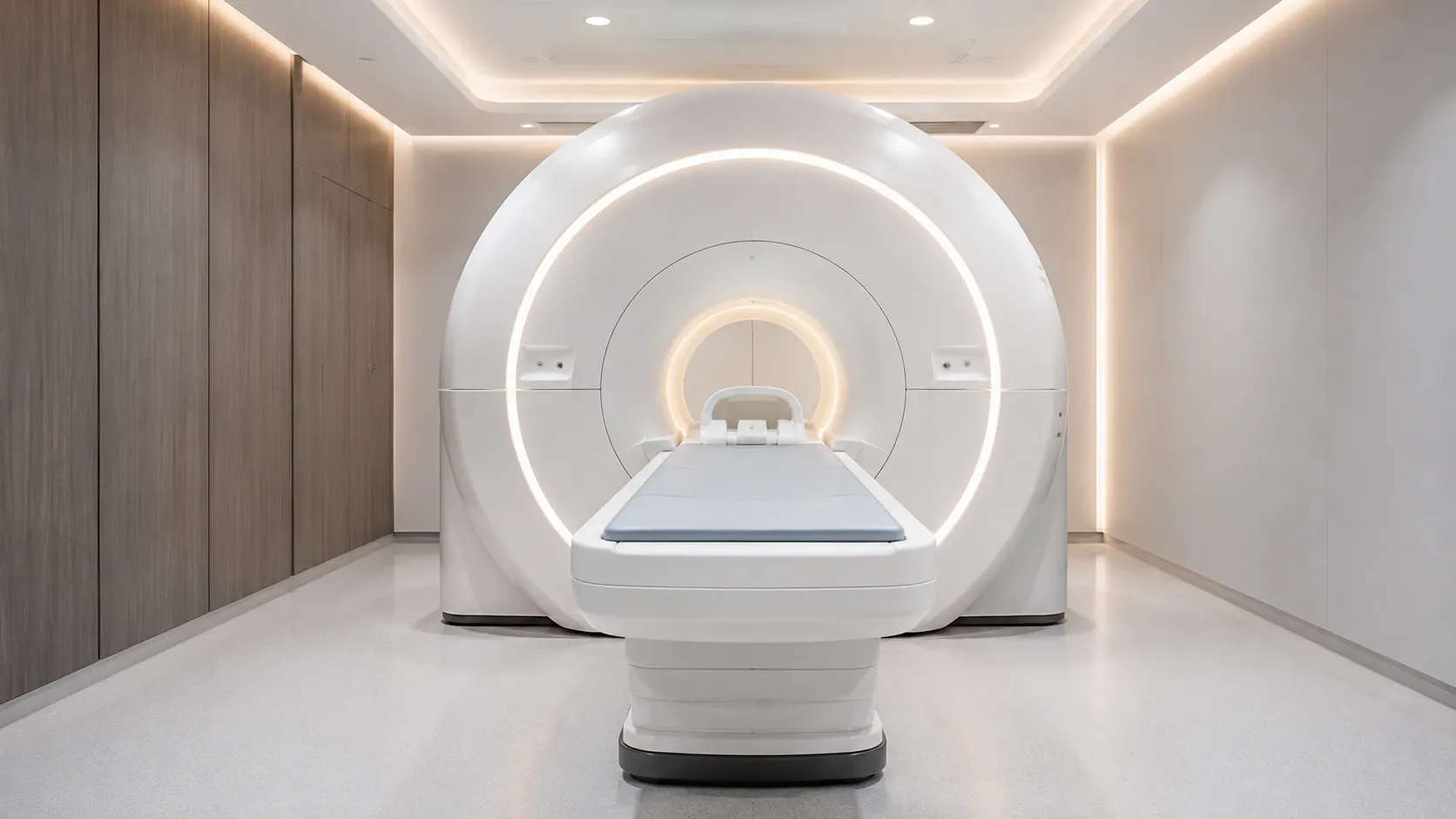
Efficient Imaging Technologies- New imaging systems often include advanced cooling systems, standby modes, and power optimisation capabilities.
Connected Energy Monitoring- Digital monitoring platforms help facilities understand equipment energy consumption and identify opportunities for improvement.
Healthcare providers who invest in energy-efficient technologies frequently experience both environmental and financial benefits.
Sustainable Procurement Is Reshaping Equipment Selection
Procurement teams play a major role in supporting hospital sustainability goals.
Evaluating Lifecycle Costs- Experienced procurement professionals often assess the total cost of ownership rather than focusing solely on the acquisition price.
Assessing Supplier Sustainability Practices- Healthcare organisations increasingly review supplier environmental commitments, manufacturing practices, and sustainability programmes.
Prioritising Durable Equipment- Equipment designed for longevity, repairability, and upgrades often aligns better with sustainability objectives.
One aspect that surprises first-time buyers is how significantly lifecycle planning can influence environmental performance.
Waste Reduction Through Equipment Lifecycle Management
Reducing waste is a key component of green hospital strategies.
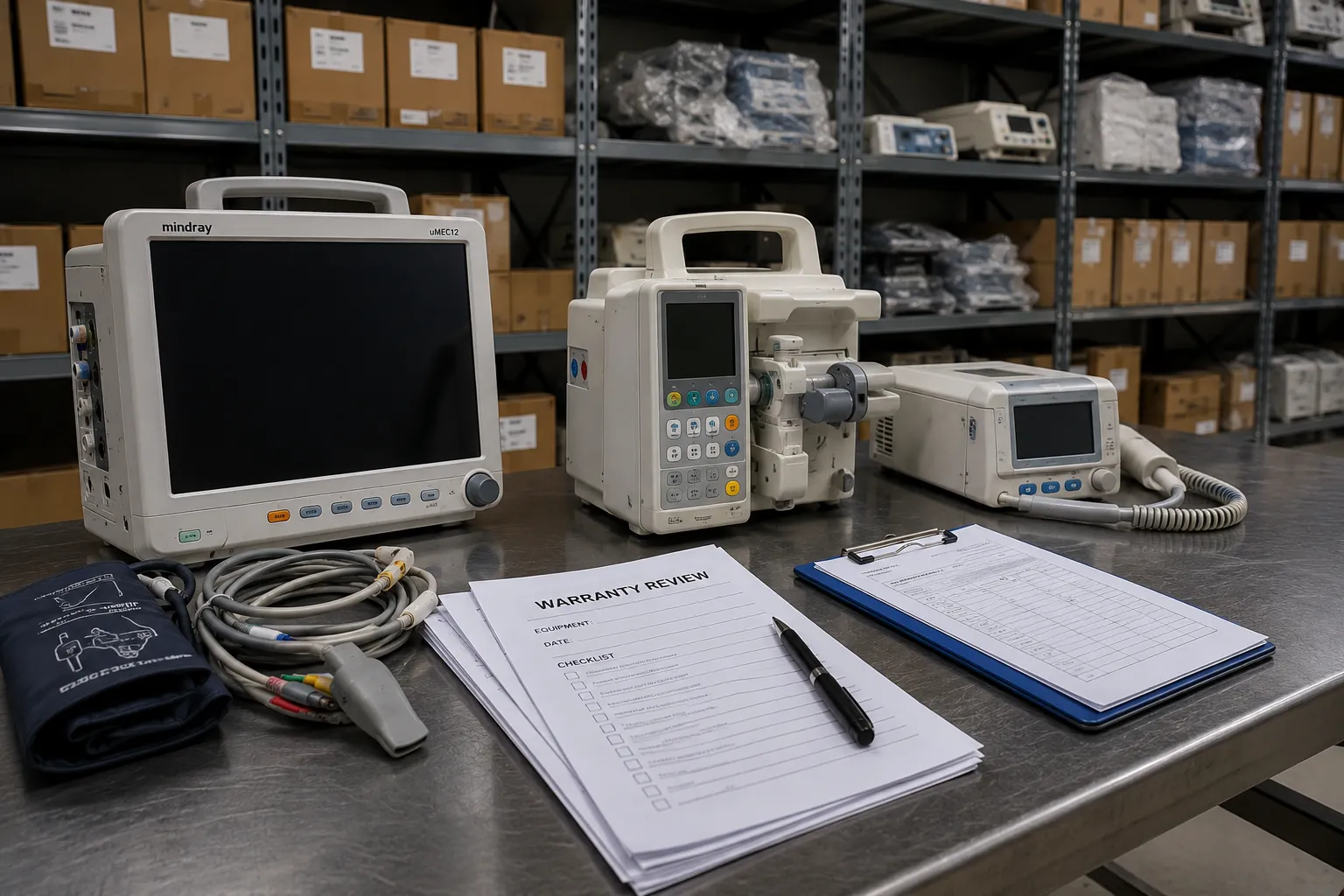
Preventive Maintenance Programmes- Regular maintenance helps extend equipment lifespan and reduce premature replacement.
Refurbishment Initiatives: Refurbished equipment can continue to deliver value while reducing demand for new manufacturing.
Equipment Recycling Programmes- Recycling initiatives help recover valuable materials and minimise landfill waste.
Donation and Redeployment- Healthcare organisations may redeploy suitable equipment within their networks or donate devices that remain clinically useful.
Facilities operating multiple sites often benefit from business partners that support lifecycle management and sustainability planning.
Digital Technologies Are Supporting Green Hospitals
Digital transformation is helping healthcare facilities improve sustainability performance.
Asset Management Platforms- Real-time visibility improves equipment utilisation and reduces unnecessary purchases.
Predictive Maintenance Systems- Connected technologies can identify maintenance needs before failures occur.
Resource Optimisation Tools- Analytics platforms help hospitals monitor energy usage, equipment performance, and operational efficiency.
Smart Facility Integration- Future hospitals are expected to integrate medical equipment management with broader building sustainability systems.
Healthcare organisations increasingly rely on data-driven approaches to achieve environmental objectives.
Circular Economy Principles Are Influencing Healthcare
Many green hospital initiatives align closely with circular economy concepts.
Extending Product Lifecycles- Maintenance, upgrades, and refurbishment help maximise equipment value.
Reducing Resource Consumption- Reuse and recycling programmes reduce demand for new raw materials.
Supporting Sustainable Supply Chains- Procurement strategies increasingly encourage suppliers to adopt environmentally responsible practices.
Creating Long-Term Sustainability Value- Circular economy models help healthcare organisations balance environmental responsibility with financial performance.
Healthcare providers evaluating solutions from business advertise increasingly consider sustainability performance alongside traditional procurement criteria.
Future Trends in Green Hospital Equipment
Several innovations are expected to accelerate sustainable healthcare initiatives.
AI-Driven Energy Optimisation- Artificial intelligence may automatically adjust equipment operation to improve efficiency.
Sustainable Product Design- Manufacturers are increasingly incorporating recyclable materials and environmentally responsible production methods.
Advanced Battery Technologies- Future battery innovations may improve energy storage efficiency and reduce environmental impact.
Integrated Sustainability Platforms- Hospitals are expected to use increasingly sophisticated systems to monitor environmental performance across facilities.
Healthcare organisations that begin investing in sustainability initiatives today are often better positioned to meet future environmental, operational, and regulatory expectations.
Building a Successful Green Hospital Equipment Strategy
Green hospital equipment initiatives are most effective when sustainability objectives are integrated into long-term operational and procurement planning.
Creating Sustainability-Focused Procurement Policies- Healthcare organisations increasingly develop procurement frameworks that include environmental performance as a key evaluation criterion.
These policies often consider energy efficiency, equipment durability, maintenance requirements, recyclability, and lifecycle costs.
Standardising Sustainable Equipment Selection- Standardisation can help healthcare networks improve efficiency while simplifying maintenance, training, and inventory management.
Facilities operating across multiple sites often benefit from consistent equipment platforms that support sustainability goals.
Monitoring Environmental Performance- Hospitals are increasingly tracking key sustainability metrics related to equipment usage, energy consumption, waste generation, and carbon emissions.
Data-driven decision-making helps organisations identify opportunities for continuous improvement.
Engaging Stakeholders Across Departments- Successful sustainability programmes typically involve collaboration between procurement teams, clinical departments, biomedical engineers, facility managers, and executive leadership.
A coordinated approach often leads to stronger environmental and operational outcomes.
The Financial Benefits of Green Hospital Equipment Initiatives
While sustainability is a major driver, financial benefits are also contributing to increased adoption.
Lower Energy Costs- Energy-efficient equipment can significantly reduce electricity consumption over time.
Large healthcare facilities often experience substantial savings when efficiency improvements are implemented across multiple departments.
Reduced Maintenance Expenses- Modern sustainable technologies frequently incorporate advanced designs that improve reliability and reduce maintenance requirements.
Improved Asset Utilisation- Digital asset management and predictive maintenance solutions help ensure equipment is used effectively throughout its lifecycle.
Enhanced Long-Term Value- Healthcare organisations increasingly recognise that sustainability and financial performance can complement one another.
Facilities that prioritise environmentally responsible technologies often improve both operational efficiency and budget management.
Challenges Healthcare Facilities May Encounter
Implementing green hospital initiatives requires careful planning and resource allocation.
Initial Investment Requirements: Some sustainable technologies may involve higher acquisition costs than traditional alternatives.
However, many facilities find that long-term savings offset these initial investments.
Infrastructure Considerations- Certain energy-efficient systems may require facility upgrades or integration with existing building management systems.
Change Management- Successful implementation often requires staff training, process adjustments, and organisational commitment.
Performance Measurement- Healthcare facilities must establish clear metrics to evaluate sustainability outcomes and programme effectiveness.
Experienced healthcare leaders typically view these challenges as manageable when balanced against long-term environmental and operational benefits.
Sustainability Reporting and Healthcare Accountability
Environmental performance reporting is becoming increasingly important across healthcare systems worldwide.
Demonstrating Environmental Responsibility- Healthcare organisations are under growing pressure to show progress toward sustainability goals.
Supporting Regulatory Compliance: Many jurisdictions continue to strengthen environmental reporting requirements and sustainability expectations.
Improving Stakeholder Confidence- Patients, staff, investors, and community stakeholders increasingly value organisations that demonstrate environmental leadership.
Strengthening Organisational Reputation- Hospitals that invest in sustainability initiatives often enhance their reputation as forward-thinking healthcare providers.
Final Thoughts
Green hospital equipment initiatives are becoming an essential component of modern healthcare strategy. As hospitals and healthcare facilities seek to balance clinical excellence with environmental responsibility, sustainable equipment procurement and management practices are gaining increasing importance.
From energy-efficient medical devices and smart asset management systems to refurbishment programmes and circular economy initiatives, healthcare organisations now have more opportunities than ever to reduce environmental impact while maintaining high standards of patient care.
For healthcare facility procurement decision-makers, sustainability should be viewed as a long-term investment rather than a short-term objective. Equipment that supports energy efficiency, resource optimisation, waste reduction, and lifecycle management can deliver both environmental and financial benefits throughout its operational lifespan.
As healthcare systems continue evolving, green hospital equipment initiatives are expected to play a critical role in improving operational efficiency, supporting sustainability goals, reducing healthcare carbon footprints, and creating more resilient healthcare environments for future generations.
Disclaimer
Medigear.uk is a global medical equipment supplier, exporter, and distributor. The content published on this page is intended for educational and informational purposes only. Information on green hospital equipment initiatives, sustainability programmes, energy efficiency, environmental performance, recycling, refurbishment, and healthcare procurement practices may vary depending on healthcare facilities' requirements, equipment specifications, local regulations, and regional sustainability standards. Nothing on this page constitutes environmental advice, engineering consultation, regulatory guidance, sustainability consultancy, financial advice, or procurement recommendations. All healthcare equipment purchasing, sustainability planning, environmental management, and operational decisions should be made by qualified healthcare professionals, biomedical engineers, facility managers, sustainability specialists, and compliant procurement teams in accordance with applicable local laws, regulations, and healthcare standards.