Medical equipment is essential to modern healthcare, enabling diagnosis, treatment, monitoring, and life-saving interventions. However, every stage of a medical device's lifecycle—from raw material extraction and manufacturing to transportation, operation, maintenance, and disposal—has environmental consequences.
For buyers' services, sustainability is becoming an increasingly important consideration alongside clinical effectiveness, patient safety, and financial performance. Hospitals, clinics, laboratories, and healthcare networks are under growing pressure to reduce carbon emissions, improve resource efficiency, and minimise waste generation.
Healthcare facilities that incorporate environmental considerations into procurement and lifecycle management strategies are often better positioned to achieve long-term sustainability objectives while maintaining high standards of patient care.
Understanding the Lifecycle Impact of Medical Equipment
The environmental footprint of medical equipment extends across multiple stages.
Raw Material Extraction- Medical devices frequently contain metals, plastics, electronic components, rare earth materials, and specialised manufacturing resources.
Extracting and processing these materials requires significant energy and can contribute to resource depletion and environmental degradation.
Manufacturing and Production- Medical equipment manufacturing often involves energy-intensive processes, precision engineering, quality testing, and global supply chains.
Manufacturers are increasingly investing in sustainable production methods to reduce emissions and resource consumption.
Transportation and Distribution- Many healthcare technologies are manufactured in one region and distributed globally.
Shipping, air freight, packaging, and logistics activities all contribute to the overall environmental footprint.
Operational Use- Equipment consumes electricity, cooling resources, maintenance materials, and consumables throughout its operational life.
Healthcare organisations sourcing equipment from business suppliers are increasingly evaluating operational efficiency as part of their sustainability planning.
Energy Consumption and Healthcare Sustainability
Energy use remains one of the largest contributors to the environmental impact of medical equipment.
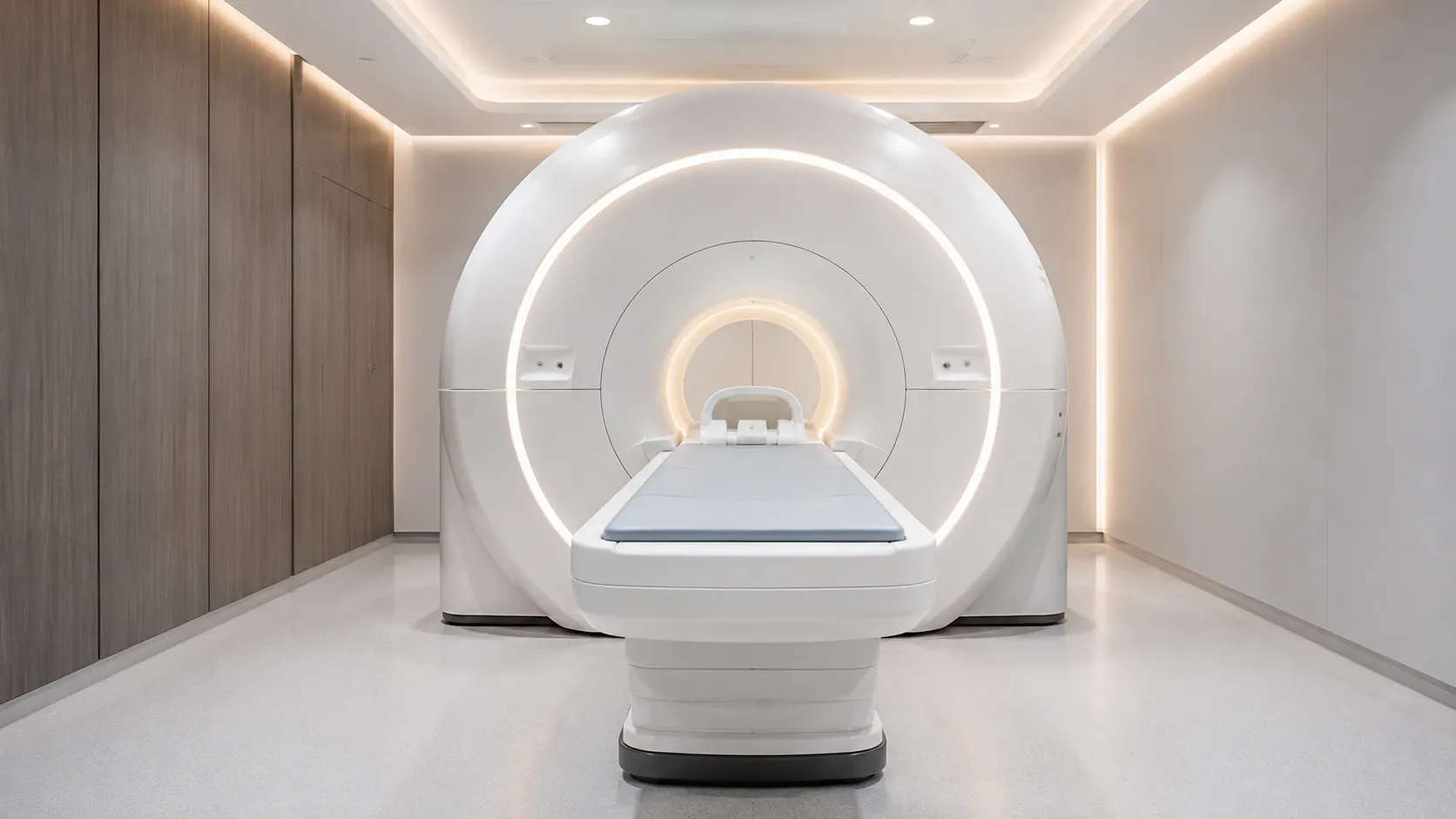
Diagnostic Imaging Systems- CT scanners, MRI systems, digital radiography units, and advanced imaging platforms often require substantial electrical power.
Laboratory Equipment- Laboratory analysers, refrigeration units, and diagnostic automation systems frequently operate continuously.
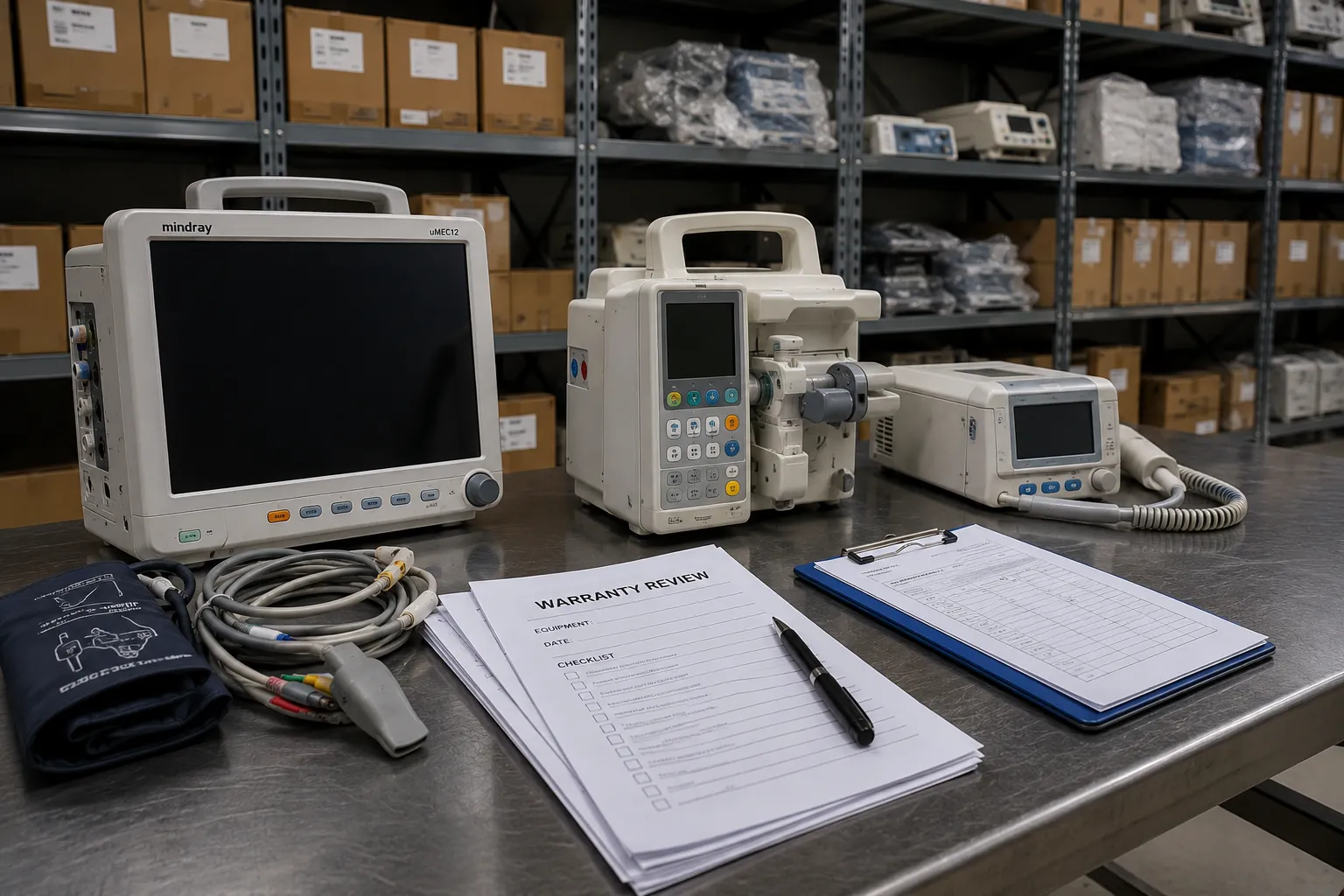
Critical Care Technologies- Ventilators, patient monitoring systems, infusion devices, and intensive care equipment contribute to ongoing energy demand.
Supporting Infrastructure- Medical equipment often relies on cooling systems, networking infrastructure, servers, and facility support systems, all of which further increase energy consumption.
Healthcare facilities increasingly prioritise energy-efficient technologies as part of broader environmental initiatives.
Waste Generation Across Healthcare Equipment Lifecycles
Medical equipment can contribute significantly to healthcare waste streams.
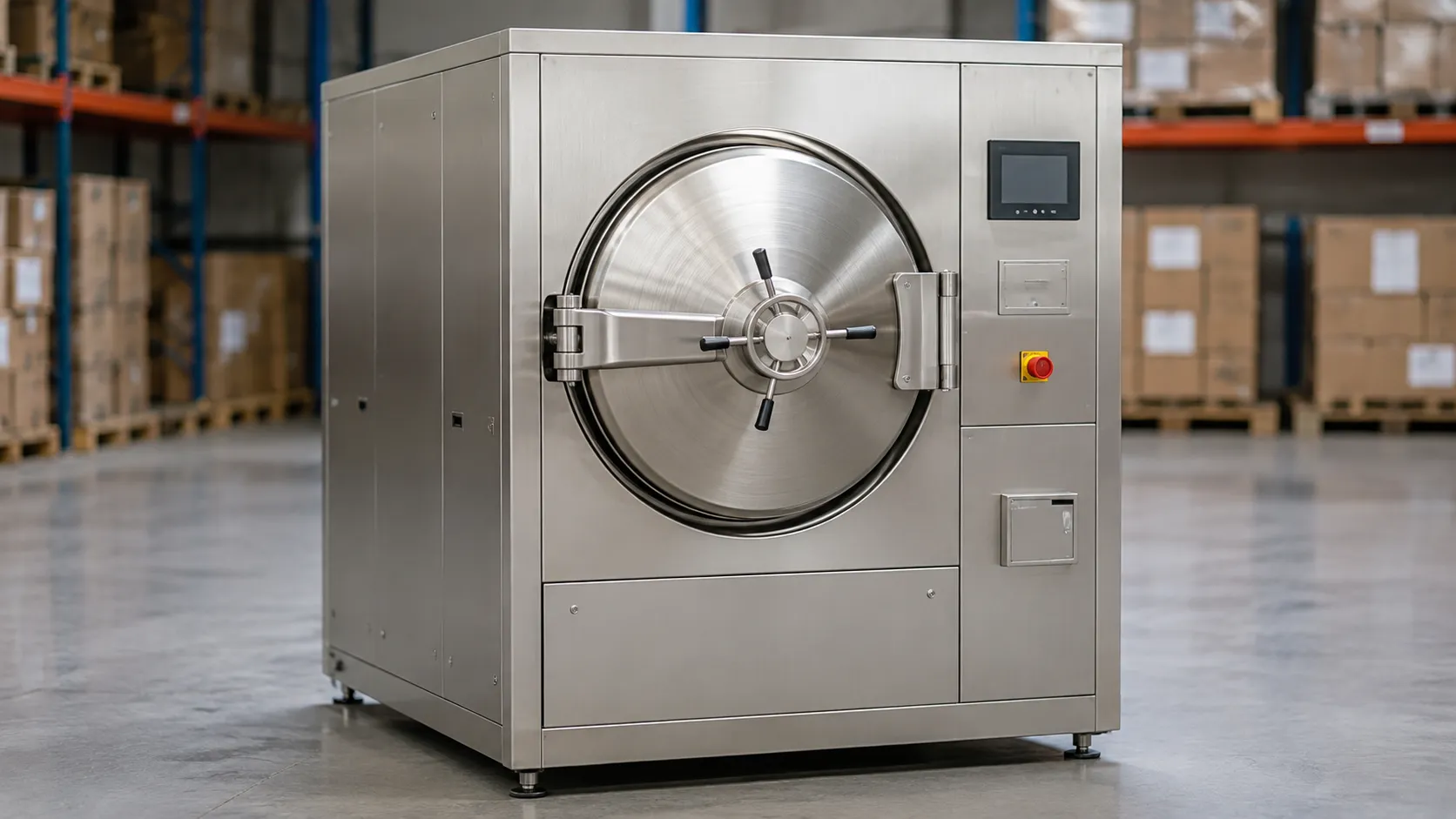
Electronic Waste- Many devices contain circuit boards, batteries, electronic components, and wiring that require specialised disposal processes.
Packaging Waste- Healthcare equipment shipments often generate substantial amounts of packaging materials, including plastics, protective foam, and cardboard.
Disposable Accessories- Many devices rely on single-use consumables that contribute to ongoing waste generation.
Technology Replacement Cycles- Rapid innovation may increase replacement frequency if healthcare organisations do not implement structured lifecycle management programmes.
Facilities that invest in refurbishment, reuse, and recycling initiatives often reduce waste while improving resource efficiency.
Sustainable Procurement Is Driving Change
Healthcare procurement teams are increasingly influencing environmental performance through purchasing decisions.
Lifecycle Cost Analysis- Leading procurement professionals evaluate the total cost of ownership rather than the acquisition price alone.
Energy Efficiency Assessments- Energy consumption data can help identify technologies that support sustainability objectives.
Supplier Sustainability Standards- Healthcare providers increasingly assess supplier environmental commitments, manufacturing practices, and recycling programmes.
Equipment Durability and Longevity- Durable, upgradeable, and repairable technologies often provide stronger sustainability outcomes than equipment designed for shorter lifecycles.
One aspect that surprises first-time buyers is how significantly procurement decisions affect long-term environmental performance.
Digital Technologies Are Supporting Sustainable Healthcare
Modern technologies are helping healthcare facilities improve resource efficiency and environmental performance.
Predictive Maintenance- Connected systems can identify maintenance requirements before failures occur, helping extend equipment lifespans.
Asset Management Platforms- Digital asset tracking improves utilisation and reduces unnecessary purchases.
Remote Service Capabilities- Remote diagnostics and support reduce travel requirements and improve operational efficiency.
Data-Driven Sustainability Management- Healthcare organisations increasingly use analytics platforms to monitor energy consumption, equipment performance, and environmental metrics.
Facilities embracing digital transformation often improve both sustainability outcomes and operational efficiency.
Circular Economy Principles Are Transforming Healthcare Equipment Management
Many healthcare organisations are moving away from traditional linear equipment lifecycles.
Equipment Refurbishment- Refurbishment extends operational lifespans and reduces demand for new manufacturing.
Reuse and Redeployment- Equipment can often be transferred between departments or healthcare facilities.
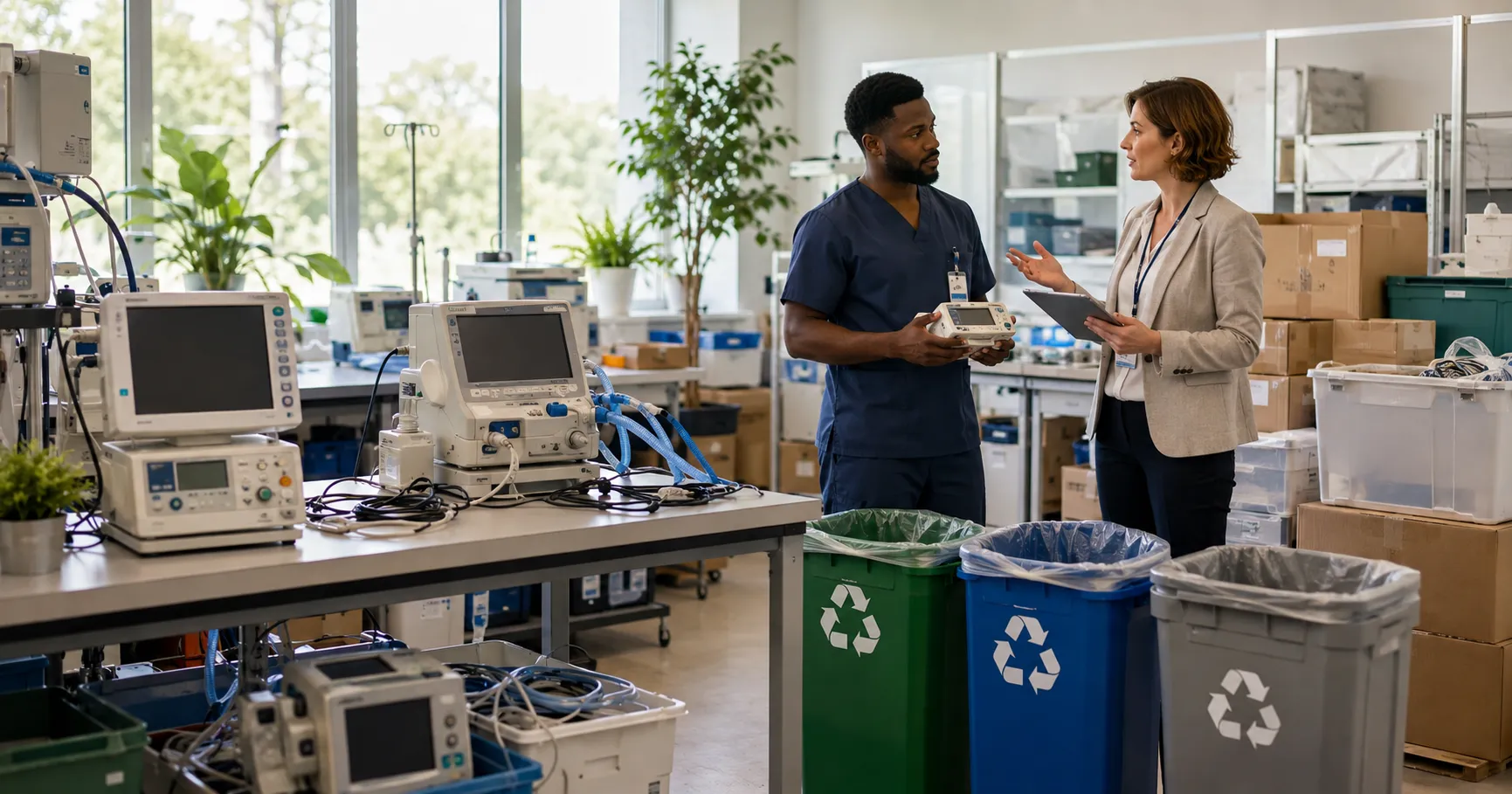
Recycling Programmes- Material recovery initiatives help reduce landfill waste and conserve resources.
Manufacturer Take-Back Programmes
Some suppliers offer structured recovery programmes that support responsible end-of-life management.
Healthcare networks operating across multiple facilities often benefit from business partners that support refurbishment, recycling, and circular economy objectives.
How Manufacturers Are Reducing Environmental Impact
Medical equipment manufacturers are increasingly incorporating sustainability into product design and production.
Energy-Efficient Design: Manufacturers continue to develop devices that consume less power while maintaining clinical performance.
Sustainable Manufacturing Practices- Production facilities are implementing measures to reduce emissions, waste, and resource consumption.
Environmentally Responsible Packaging- Many suppliers are reducing packaging materials and increasing the use of recyclable alternatives.
Supply Chain Sustainability- Environmental performance is becoming an increasingly important factor across global healthcare supply chains.
Healthcare organisations increasingly consider supplier sustainability performance during procurement evaluations.
The Role of Hospitals in Reducing Environmental Impact
Healthcare facilities play a critical role in improving sustainability throughout the medical equipment lifecycle. While manufacturers influence product design and production, hospitals ultimately determine how equipment is purchased, utilised, maintained, and retired.
Selecting Energy-Efficient Technologies- Hospitals that prioritise energy-efficient medical equipment can significantly reduce electricity consumption over time.
Advanced imaging systems, laboratory analysers, patient monitoring devices, and critical care technologies increasingly incorporate energy-saving features that support sustainability objectives.
Extending Equipment Lifespans - Preventive maintenance programmes help maximise equipment utilisation and delay unnecessary replacements.
Facilities that maintain equipment proactively often achieve better operational performance while reducing environmental impact.
Supporting Equipment Refurbishment- Refurbishment allows healthcare organisations to extend equipment lifecycles while reducing demand for new manufacturing.
This approach supports both financial sustainability and environmental responsibility.
Implementing Responsible Disposal Practices:s- Structured recycling and recovery programmes help ensure equipment is managed responsibly at end-of-life.
Healthcare facilities increasingly recognise disposal planning as an important component of sustainability management.
Carbon Footprint Reduction Strategies for Healthcare Facilities
Many healthcare organisations have established carbon reduction targets as part of broader environmental programmes.
Reducing Equipment Energy Consumption- Energy-efficient technologies help lower greenhouse gas emissions associated with electricity generation.
Improving Resource Utilisation- Maximising equipment utilisation reduces unnecessary purchases and improves overall efficiency.
Minimising Waste Generation- Waste reduction initiatives support environmental goals while improving operational performance.
Strengthening Sustainable Supply Chains- Healthcare providers increasingly collaborate with suppliers that demonstrate environmental responsibility and sustainability commitments.
Facilities evaluating solutions from business advertise often review sustainability programmes alongside product quality and service capabilities.
Emerging Technologies Supporting Environmental Sustainability
Several innovations are expected to reduce the environmental impact of medical equipment further.
Artificial Intelligence- AI can optimise equipment operation, predict maintenance requirements, and improve energy management.
Internet of Medical Things (IoMT)- Connected devices provide valuable operational data that supports resource optimisation and sustainability planning.
Advanced Energy Management Systems- Future hospitals are expected to integrate equipment energy monitoring with facility-wide sustainability platforms.
Smart Asset Lifecycle Management- Digital technologies will increasingly support refurbishment, redeployment, recycling, and circular economy initiatives.
Healthcare organisations investing in these innovations often improve both environmental and operational performance.
Future Trends in Sustainable Medical Equipment
The healthcare sector is expected to place even greater emphasis on environmental responsibility in the coming years.
Circular Economy Adoption- Reuse, refurbishment, repair, and recycling programmes are expected to become increasingly common.
Sustainable Product Design- Manufacturers are placing greater emphasis on recyclability, repairability, durability, and resource efficiency.
Environmental Reporting Requirements- Healthcare organisations may face increasing expectations regarding sustainability reporting and environmental transparency.
Green Procurement Standards- Environmental performance is expected to become a more influential factor in healthcare procurement decisions worldwide.
Facilities that integrate sustainability into long-term planning today are often better positioned to meet future environmental, operational, and regulatory requirements.
Final Thoughts
The environmental impact of medical equipment extends across every stage of the product lifecycle, from manufacturing and transportation to operation, maintenance, refurbishment, and disposal. As healthcare organisations pursue sustainability objectives, environmental considerations are becoming increasingly important alongside clinical effectiveness, safety, reliability, and cost.
Energy-efficient technologies, sustainable procurement practices, refurbishment programmes, recycling initiatives, and digital asset management solutions all play important roles in reducing environmental impact. Healthcare facilities that adopt a proactive approach to sustainability can often improve resource efficiency, reduce waste, lower operating costs, and strengthen long-term environmental performance.
As the healthcare industry continues evolving, environmentally responsible medical equipment management is expected to become a fundamental component of modern healthcare operations and procurement strategies.
Disclaimer
Medigear.uk is a global medical equipment supplier, exporter, and distributor. The content published on this page is intended for educational and informational purposes only. Information on the environmental impact of medical equipment, sustainability initiatives, recycling programmes, energy efficiency, environmental compliance, lifecycle management, and healthcare procurement practices may vary depending on healthcare facility requirements, equipment specifications, manufacturer recommendations, and regional regulations. Nothing on this page constitutes environmental advice, legal advice, engineering consultation, sustainability consultancy, financial advice, or procurement recommendations. All healthcare equipment purchasing, environmental management, sustainability planning, and operational decisions should be made by qualified healthcare professionals, biomedical engineers, facility managers, sustainability specialists, and compliant procurement teams in accordance with applicable local laws, regulations, and healthcare standards.