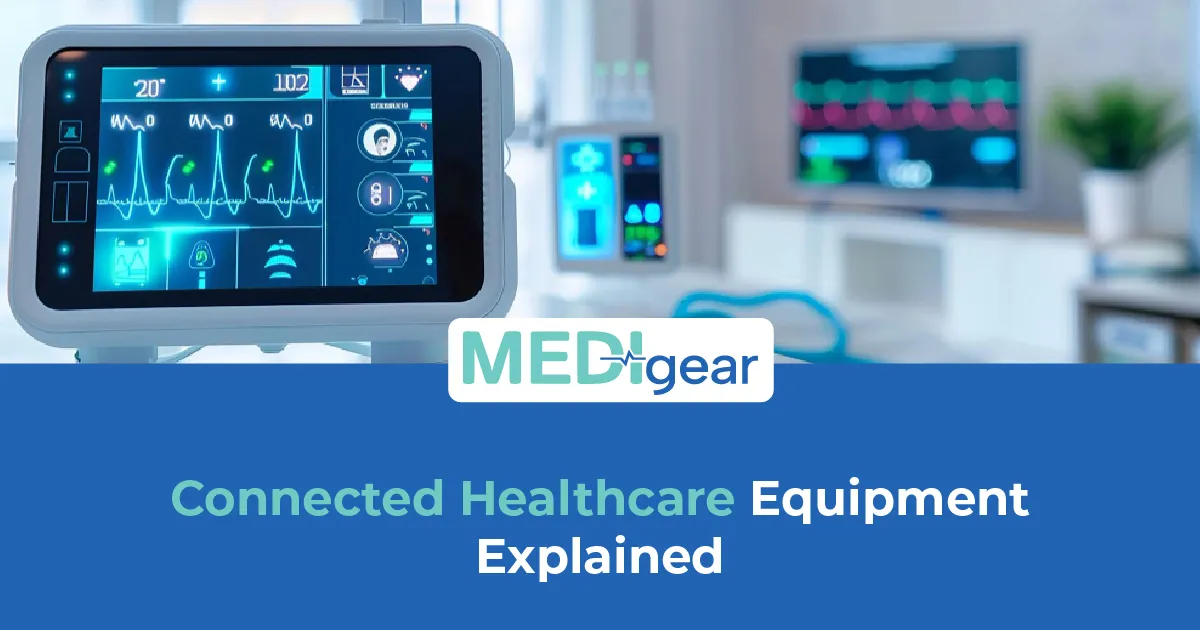
Healthcare is becoming increasingly connected through the integration of smart medical devices, digital communication systems, cloud technologies, and advanced data management platforms. Connected healthcare equipment enables medical devices to communicate with one another and with hospital information systems, helping healthcare organisations improve operational efficiency, streamline workflows, and support informed clinical decision-making.
From patient monitoring systems and diagnostic imaging equipment to laboratory analysers and infusion pumps, connected medical devices are transforming hospitals, clinics, diagnostic centres, and home healthcare environments worldwide.
This guide explains what connected healthcare equipment is, how it works, and why it has become an important part of modern healthcare infrastructure.
What Is Connected Healthcare Equipment?
Connected healthcare equipment refers to medical devices that can securely exchange information with other healthcare technologies through wired or wireless communication networks.
Rather than operating independently, connected devices integrate with digital healthcare systems to improve communication, equipment management, and workflow efficiency.
Examples include:
-
Patient monitoring systems.
-
Smart infusion pumps.
-
Digital ventilators.
-
Wireless ECG machines.
-
Digital imaging systems.
-
Laboratory analysers.
-
Smart hospital beds.
-
Portable diagnostic devices.
These technologies form part of the growing digital healthcare ecosystem.
How Connected Medical Equipment Works
Connected healthcare equipment uses communication technologies to exchange information between devices and healthcare systems.
Common technologies include:
-
Wi-Fi connectivity.
-
Ethernet networks.
-
Bluetooth.
-
Cloud computing.
-
Secure healthcare data platforms.
-
Hospital information systems.
-
Electronic medical record integration.
These technologies allow authorised users to access equipment information more efficiently while supporting coordinated healthcare operations.
Benefits of Connected Healthcare Equipment
Healthcare organisations continue to adopt connected equipment because of its operational advantages.
Improved Workflow Efficiency - Connected devices reduce manual processes by automatically transferring information between healthcare systems.
Benefits include:
-
Faster information access.
-
Reduced duplicate data entry.
-
Improved departmental coordination.
-
Better equipment utilisation.
Centralised Equipment Monitoring
Hospitals can observe multiple connected devices from centralised monitoring stations.
Advantages include:
-
Equipment status visibility.
-
Improved operational awareness.
-
Faster response to equipment notifications.
-
Better resource management.
Healthcare organisations exploring connected medical technologies can discover sourcing opportunities through:
Connected Patient Monitoring Systems
Patient monitoring equipment is one of the most widely adopted connected healthcare technologies.
Modern systems may support:
-
Continuous vital sign monitoring.
-
Wireless communication.
-
Central monitoring integration.
-
Mobile device access.
-
Digital record synchronisation.
-
Automated notifications.
These capabilities help healthcare teams monitor multiple patients more efficiently.
Connected Diagnostic Equipment
Diagnostic technologies increasingly integrate with digital healthcare systems.
Examples include:
-
Digital X-ray systems.
-
Ultrasound equipment.
-
CT scanners.
-
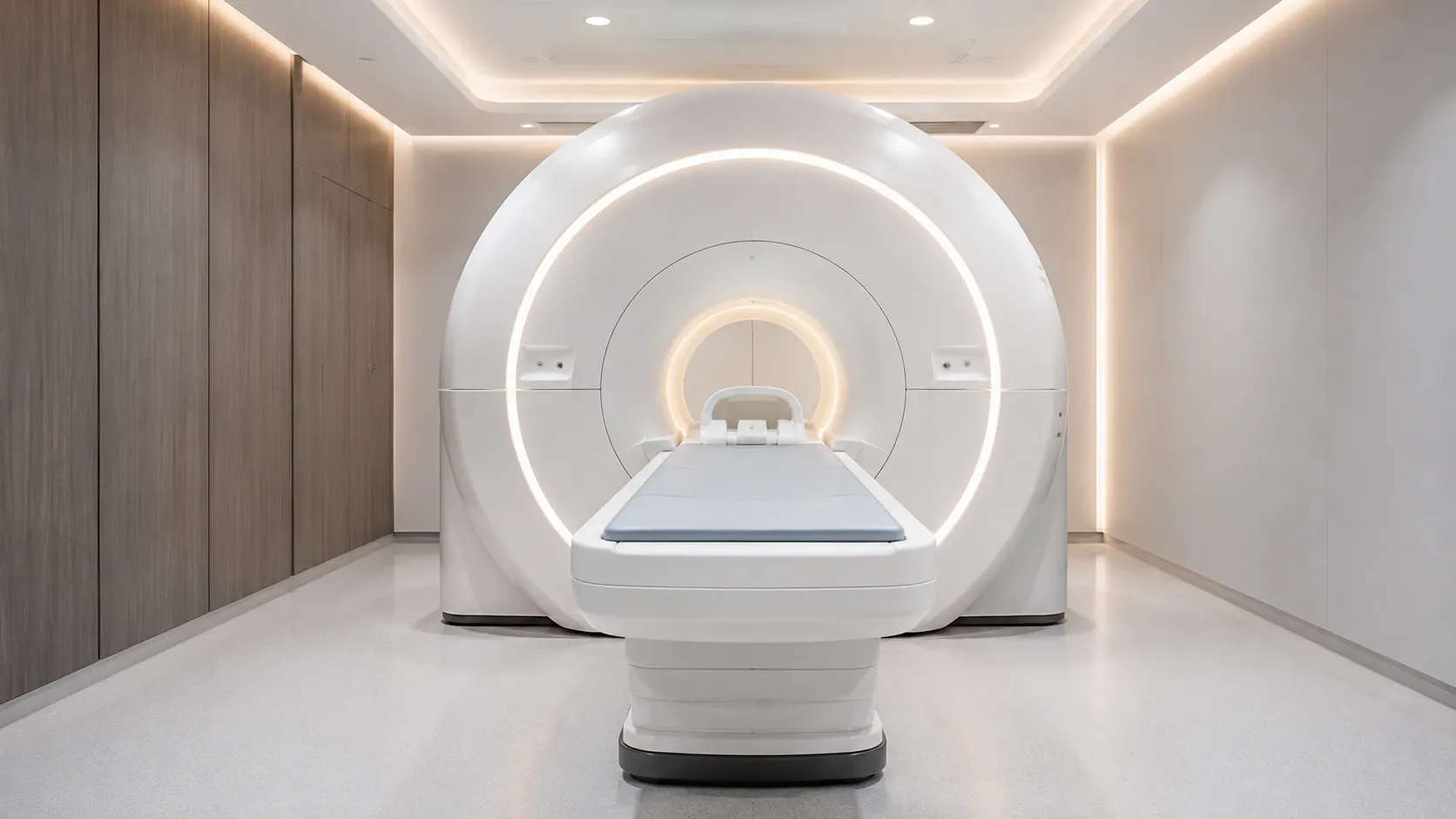
MRI systems.
-
Digital pathology equipment.
Connected imaging devices help simplify image management, reporting workflows, and information sharing across departments.
Smart Laboratory Equipment
Modern laboratories are adopting connected equipment to improve productivity.
Connected laboratory technologies may include:
-
Clinical chemistry analysers.
-
Haematology analysers.
-
Immunoassay systems.
-
Laboratory automation platforms.
Benefits include:
Automated Data Transfer – Supporting faster reporting.
Workflow Optimisation – Improving laboratory efficiency.
Centralised Information Management – Enhancing operational visibility.
Connected ICU Equipment
Critical care departments increasingly rely on connected technologies.
Examples include:
-
Ventilators.
-
Multiparameter patient monitors.
-
Infusion pumps.
-
Defibrillators.
-
ICU beds.
Integration between devices improves equipment coordination and supports healthcare workflows.
Healthcare suppliers interested in expanding their technology portfolio can explore: business suppliers.
Home Healthcare Is Becoming More Connected
Connected healthcare is no longer limited to hospitals.
Home healthcare technologies now include:
-
Blood pressure monitors.
-
Pulse oximeters.
-
Glucose monitoring devices.
-
Oxygen concentrators.
-
Remote patient monitoring systems.
These devices support healthcare delivery outside traditional clinical environments while improving communication between patients and healthcare providers.
Cybersecurity and Data Protection
As healthcare equipment becomes increasingly connected, protecting digital systems becomes more important.
Healthcare organisations should consider:
-
Secure network infrastructure.
-
Controlled user access.
-
Software updates.
-
Data protection policies.
-
Device authentication.
-
Regular cybersecurity assessments.
Strong cybersecurity practices help support the safe operation of connected medical equipment.
Challenges of Connected Healthcare Equipment
While connected technologies offer significant benefits, organisations should plan for several challenges.
Common considerations include:
-
Initial implementation costs.
-
Network infrastructure requirements.
-
System integration.
-
Staff training.
-
Ongoing maintenance.
-
Software compatibility.
Successful implementation requires careful planning and long-term support.
Future Trends in Connected Healthcare
Several emerging technologies are expected to expand connected healthcare further.
Internet of Medical Things (IoMT) – Increasing communication between medical devices.
Artificial Intelligence – Supporting workflow optimisation and clinical decision support.
Cloud-Based Healthcare Platforms – Improving accessibility and collaboration.
Predictive Maintenance – Monitoring equipment performance before failures occur.
Digital Asset Management – Improving equipment tracking and maintenance scheduling.
These innovations will continue shaping the future of connected healthcare systems.
Healthcare organisations interested in strategic partnerships can explore: business partners.
Businesses seeking greater visibility within the healthcare industry can discover opportunities through business advertising.
For sourcing assistance, procurement guidance, and product enquiries, support is available through the contact team.
Conclusion
Connected healthcare equipment is transforming modern healthcare by enabling medical devices to communicate, share information, and integrate with digital healthcare systems. From patient monitoring and diagnostic imaging to laboratory automation and home healthcare technologies, connected equipment supports greater operational efficiency, improved equipment management, and more streamlined healthcare workflows.
As hospitals and healthcare organisations continue investing in digital transformation, connected medical equipment will play an increasingly important role in building smarter, more efficient, and future-ready healthcare environments.
Disclaimer
Medigear.uk is a medical equipment supplier and distributor. We do not provide medical, legal, cybersecurity, or regulatory advice. This article is for general educational and informational purposes only. Features and connectivity options vary by manufacturer and product. Healthcare organisations should consult qualified professionals and manufacturers when planning connected healthcare infrastructure or purchasing medical equipment.