Healthcare organisations are increasingly adopting cloud-based technologies to improve the management of medical equipment across hospitals, clinics, diagnostic centres, laboratories, and healthcare networks. As medical devices become more connected, cloud-based monitoring provides healthcare providers with greater visibility into equipment performance, maintenance requirements, and operational status.
Instead of relying solely on manual inspections or local monitoring systems, cloud-based platforms enable authorised users to securely access equipment information from multiple locations. This supports better asset management, proactive maintenance planning, and more efficient healthcare operations.
This guide explains how cloud-based medical equipment monitoring works and the benefits it offers to modern healthcare facilities.
What Is Cloud-Based Medical Equipment Monitoring?
Cloud-based medical equipment monitoring is the use of secure cloud platforms to collect, store, and manage data from connected medical devices.
Rather than storing data only on individual devices or local servers, cloud-based systems allow authorised users to access equipment information remotely through secure internet connections.
Commonly connected equipment includes:
-
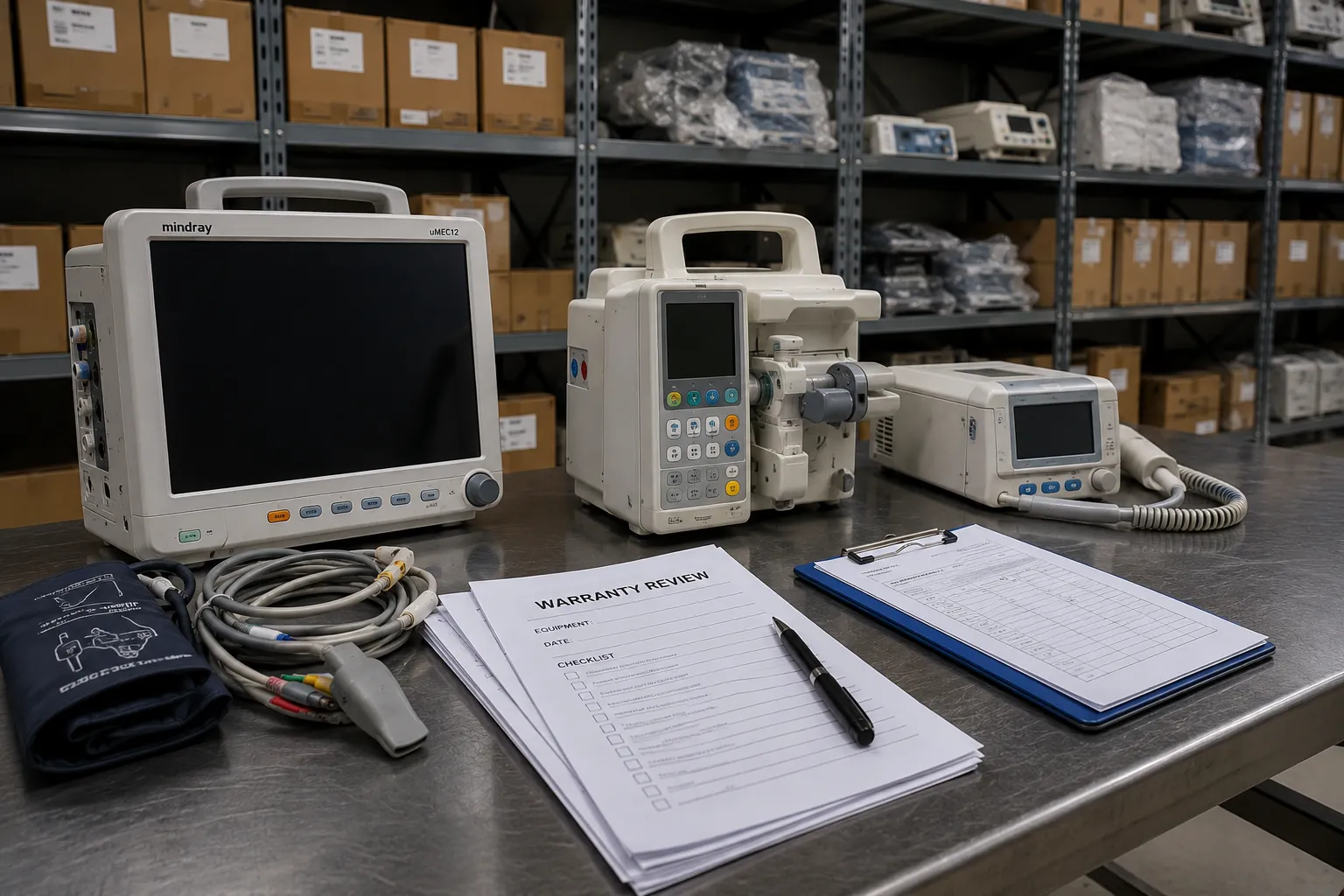
Patient monitoring systems.
-
Ventilators.
-
Infusion pumps.
-
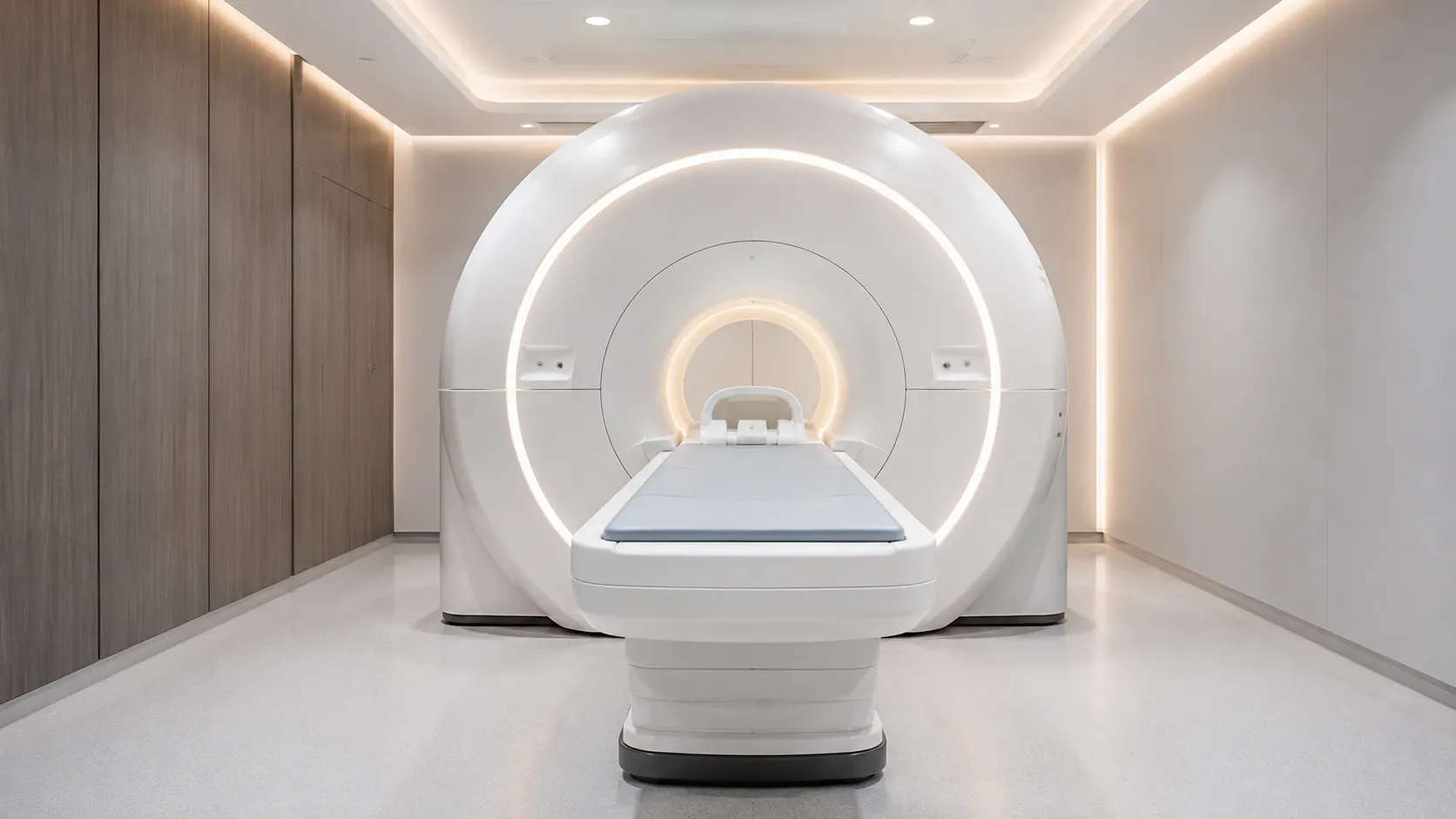
Digital imaging equipment.
-
Laboratory analysers.
-
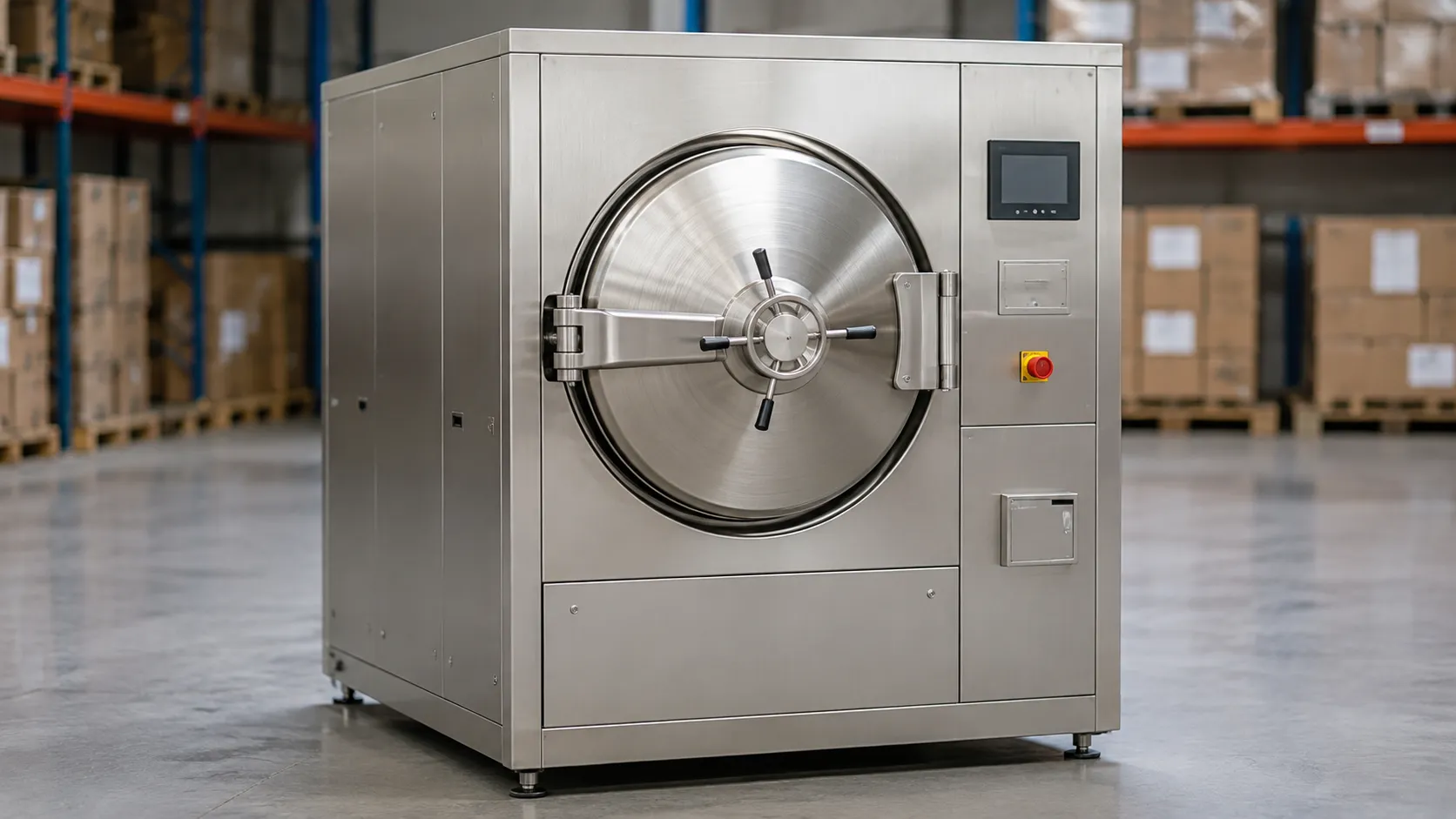
Sterilisation equipment.
-
Smart hospital beds.
-
Home healthcare devices.
Cloud monitoring helps healthcare organisations manage equipment more efficiently across multiple departments and locations.
How Cloud Monitoring Works
Cloud-based monitoring typically involves several components working together.
Connected Medical Devices – Equipment collects operational information.
Secure Communication Networks – Data is transmitted through encrypted connections.
Cloud Storage Platforms – Information is securely stored for authorised access.
Monitoring Dashboards – Users can review equipment performance through centralised interfaces.
Maintenance Alerts – Systems may notify teams when servicing or inspections are required.
This digital ecosystem provides healthcare organisations with greater operational visibility.
Improved Equipment Visibility
One of the biggest advantages of cloud monitoring is centralised oversight of equipment.
Healthcare organisations can:
-
View equipment status across multiple locations.
-
Monitor operational performance.
-
Track equipment utilisation.
-
Identify inactive equipment.
-
Improve asset management.
Better visibility supports more informed operational decisions.
Healthcare organisations exploring advanced medical equipment solutions can discover sourcing opportunities through buyer services.
Preventive Maintenance Becomes More Efficient
Preventive maintenance is essential for maintaining reliable medical equipment.
Cloud-based systems help by:
Monitoring Equipment Performance – Identifying Unusual Operating Patterns.
Scheduling Maintenance – Supporting routine servicing.
Tracking Service History – Maintaining digital maintenance records.
Reducing Unexpected Downtime – Identifying issues before major failures occur.
Proactive maintenance helps maximise equipment availability while reducing the need for emergency repairs.
Better Asset Management
Hospitals often manage hundreds or even thousands of medical devices.
Cloud platforms help organisations:
-
Track equipment location.
-
Monitor utilisation rates.
-
Organise maintenance schedules.
-
Manage equipment inventories.
-
Plan future replacements.
Centralised asset management improves operational efficiency throughout healthcare facilities.
Remote Equipment Monitoring
Cloud connectivity allows authorised personnel to review equipment information without being physically present.
Potential advantages include:
-
Monitoring multiple facilities.
-
Supporting regional healthcare networks.
-
Reviewing equipment status remotely.
-
Improving coordination between departments.
Remote access can simplify equipment management across larger healthcare organisations.
Improved Data Management
Digital cloud platforms simplify equipment record management.
Information may include:
-
Equipment identification.
-
Maintenance records.
-
Service history.
-
Operational logs.
-
Usage statistics.
-
Performance reports.
Digital records improve accessibility while reducing dependence on paper documentation.
Healthcare suppliers interested in expanding their technology portfolio can explore: business suppliers.
Enhanced Operational Efficiency
Cloud-based monitoring helps streamline daily equipment management.
Benefits include:
Reduced Administrative Work – Automated record management minimises manual processes.
Improved Equipment Utilisation – Better visibility supports more effective resource allocation.
Faster Maintenance Coordination – Service teams receive timely information.
More Efficient Reporting – Digital dashboards simplify performance analysis.
Operational improvements contribute to more efficient healthcare delivery.
Supports Multi-Site Healthcare Networks
Large healthcare organisations often operate across multiple facilities.
Cloud-based monitoring allows centralised oversight of equipment across:
-
Hospitals.
-
Clinics.
-
Diagnostic centres.
-
Laboratories.
-
Satellite healthcare facilities.
This simplifies equipment management throughout healthcare networks.
Data Security Considerations
Cloud platforms handling healthcare information should incorporate appropriate security measures.
Healthcare organisations should evaluate:
-
Data encryption.
-
User authentication.
-
Access controls.
-
Software updates.
-
Backup systems.
-
Security monitoring.
Strong cybersecurity practices help protect healthcare information and connected equipment.
Challenges of Cloud-Based Monitoring
Healthcare organisations should also consider implementation challenges.
These may include:
-
Network infrastructure requirements.
-
Internet connectivity.
-
Initial implementation costs.
-
Staff training.
-
Integration with existing systems.
-
Ongoing software maintenance.
Careful planning supports successful deployment and long-term performance.
Healthcare organisations interested in strategic partnerships can explore: business partners.
Future of Cloud-Based Medical Equipment
Cloud technology continues to evolve alongside healthcare innovation.
Emerging trends include:
Artificial Intelligence Integration – Supporting predictive maintenance and operational analysis.
Internet of Medical Things (IoMT) – Expanding connectivity between medical devices.
Predictive Analytics – Helping identify maintenance needs before failures occur.
Digital Twin Technologies – Supporting equipment lifecycle management.
Automated Asset Optimisation – Improving equipment utilisation.
These technologies are expected to enhance healthcare operations in the years ahead further.
Businesses seeking greater visibility within the healthcare industry can discover opportunities through business advertising
For sourcing assistance, procurement guidance, and product enquiries, support is available through the Contact Team.
Conclusion
Cloud-based medical equipment monitoring is transforming the way healthcare organisations manage valuable medical assets. By providing centralised visibility, supporting preventive maintenance, improving equipment utilisation, and simplifying asset management, cloud technologies help hospitals and healthcare providers operate more efficiently.
As connected medical devices and digital healthcare systems continue to evolve, cloud-based monitoring will become an increasingly important component of modern healthcare infrastructure. Organisations that invest in secure, scalable monitoring solutions will be better positioned to improve operational efficiency, optimise equipment performance, and support high-quality healthcare delivery.
Disclaimer
Medigear.uk is a medical equipment supplier and distributor. We do not provide medical, legal, cybersecurity, or regulatory advice. This article is for general educational and informational purposes only. Cloud monitoring features vary by manufacturer, software platform, and medical device. Healthcare organisations should consult qualified IT professionals, manufacturers, and relevant regulatory authorities before implementing cloud-based medical equipment monitoring systems.