Selecting equipment for a children's hospital involves far more than purchasing medical devices. Pediatric healthcare environments must accommodate a wide range of patient ages, clinical conditions, and treatment requirements while ensuring safety, efficiency, and adaptability. From neonatal departments and pediatric intensive care units to outpatient clinics and diagnostic services, every area relies on carefully planned equipment strategies that support both patient care and operational performance.
Healthcare leaders increasingly recognize that successful equipment planning requires balancing immediate clinical needs with long-term infrastructure goals. As technology continues to advance, children's hospitals must invest in solutions that not only meet current demands but also support future healthcare delivery models.
Understanding the Unique Requirements of Pediatric Healthcare
Children's hospitals differ significantly from general healthcare facilities because patients have unique physiological, developmental, and emotional needs.
Supporting Age-Specific Care – Equipment must accommodate infants, children, and adolescents across a broad spectrum of healthcare services.
Enhancing Patient Safety – Pediatric environments require technologies specifically designed for smaller patients, as well as specialized clinical protocols.
Improving Caregiver Efficiency – Equipment that streamlines workflows helps healthcare professionals deliver timely, coordinated care.
Creating Adaptable Clinical Spaces – Flexible equipment solutions allow hospitals to respond to changing patient volumes and service demands.
Core Equipment Categories for Children's Hospitals
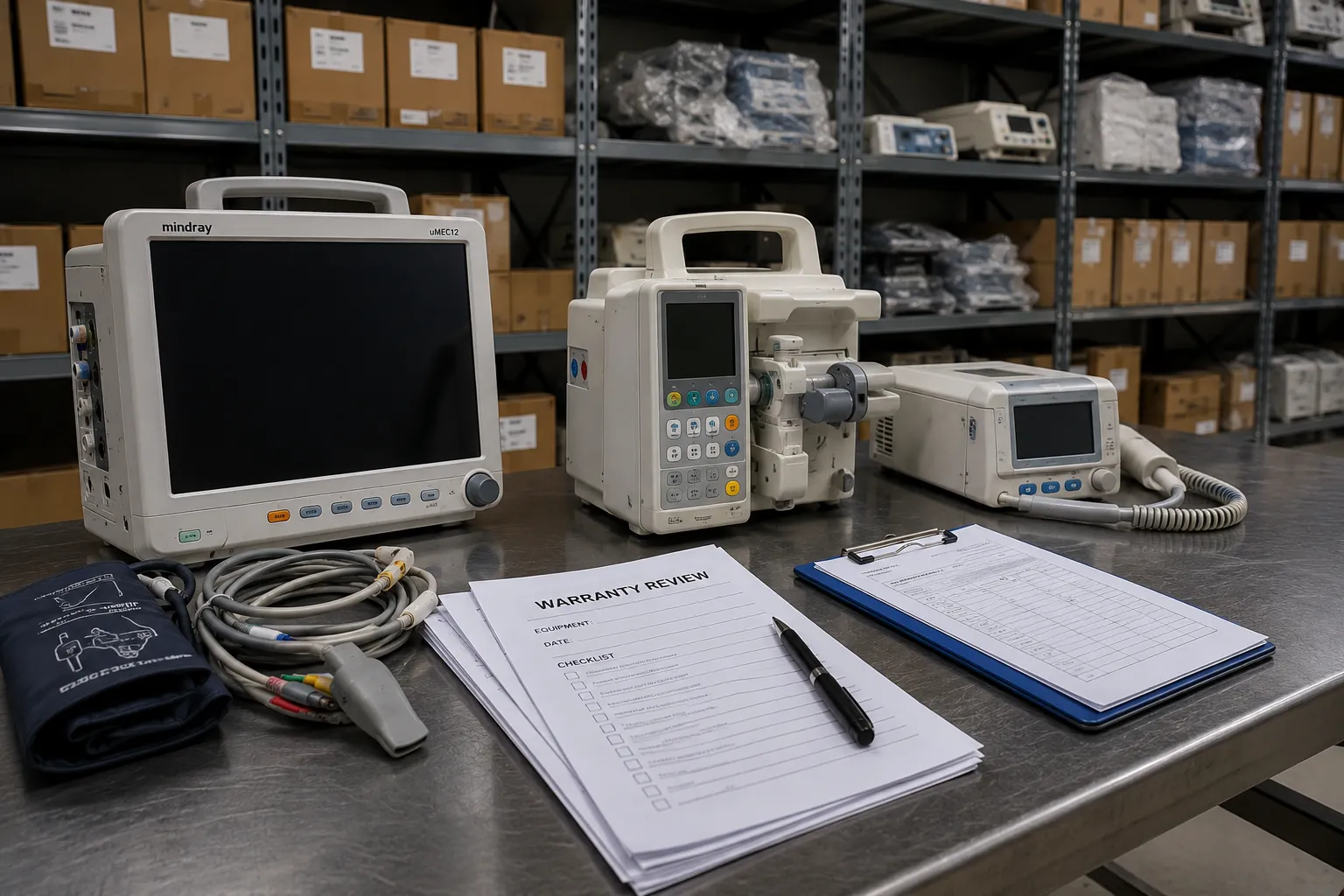
Patient Monitoring Technologies- Monitoring systems are among the most widely used technologies in pediatric healthcare environments.
Common monitoring solutions include:
-
Vital signs monitors
-
Cardiac monitoring systems
-
Oxygen saturation monitoring equipment
-
Multi-parameter patient monitors
Supporting Continuous Observation – Reliable monitoring technologies help healthcare teams maintain awareness of patient conditions across different departments.
Diagnostic and Assessment Equipment- Diagnostic technologies support accurate evaluation and clinical decision-making.
Examples may include:
-
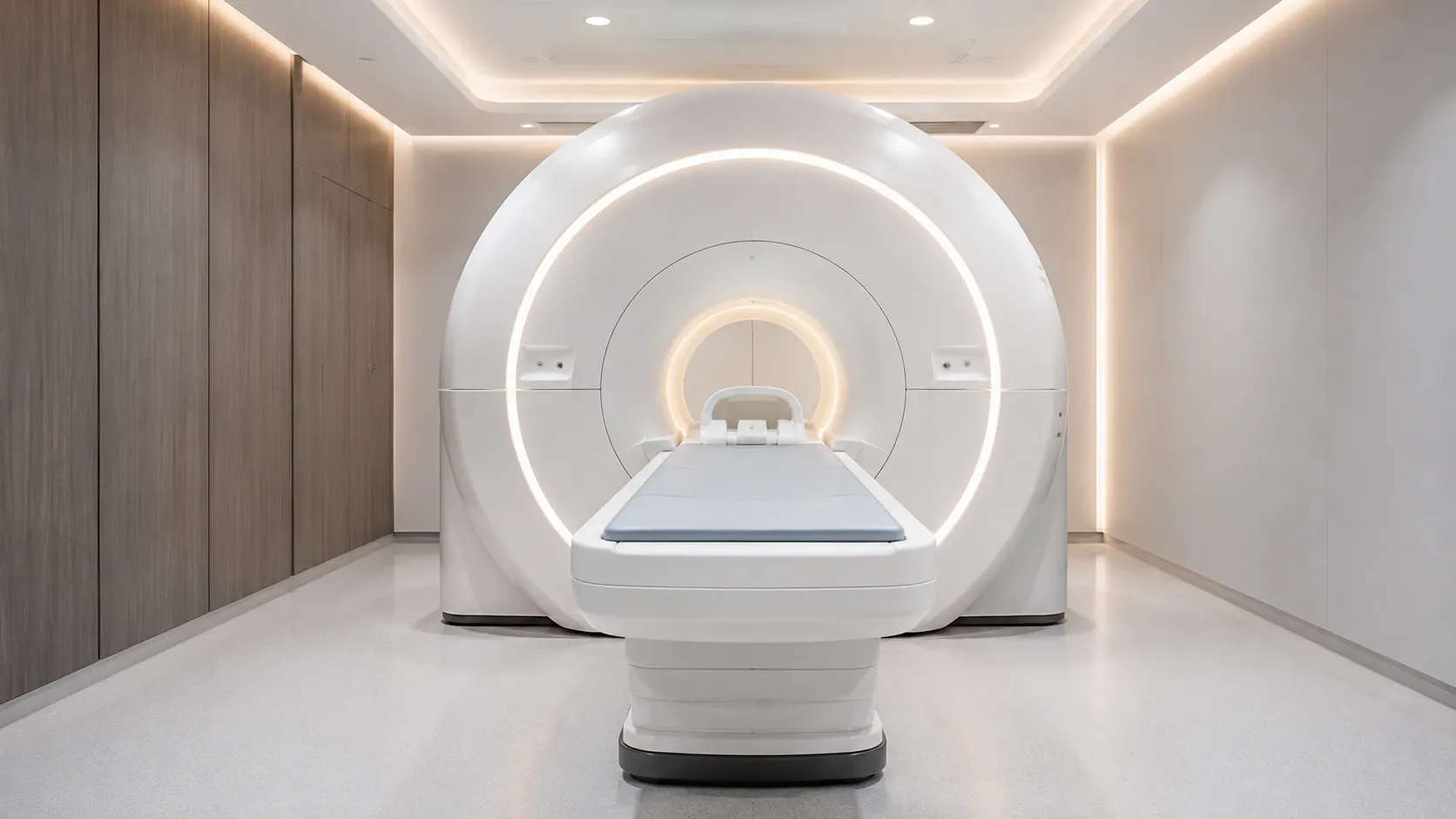
Imaging support equipment
-
Diagnostic monitoring systems
-
Point-of-care testing devices
-
Clinical assessment technologies
Facilitating Timely Information Access – An effective diagnostic infrastructure contributes to more efficient healthcare workflows.
Neonatal and Infant Care Equipment- Many children's hospitals operate neonatal care services that require specialized technologies.
Common equipment categories include:
-
Neonatal incubators
-
Infant warmers
-
Neonatal monitoring systems
-
Specialized transport equipment
Supporting Early-Life Care Requirements – Equipment selection should align with the specific needs of newborn and neonatal care environments.
Emergency and Critical Care Technologies- Critical care departments require highly reliable equipment capable of supporting complex patient management.
Enhancing Operational Readiness – Emergency and intensive care equipment should be selected with reliability, availability, and workflow efficiency in mind.
Equipment Planning Beyond Individual Devices
Successful procurement strategies focus on building integrated healthcare environments rather than purchasing isolated pieces of equipment.
Considering Departmental Integration – Technologies should work together to support information sharing and coordinated patient care.
Evaluating Infrastructure Compatibility – Electrical systems, network connectivity, medical gas availability, and facility layouts all influence equipment selection.
Preparing for Future Expansion – Scalable equipment strategies can help hospitals adapt to future growth and service development.
Healthcare procurement teams seeking sourcing support and supplier access can explore Medigear's buyer platform. UK for additional UK resources and industry connections.
For readers researching related topics, Medigear articles on pediatric monitoring equipment, neonatal incubators, and infant warming systems can offer valuable insights into planning pediatric healthcare infrastructure.
Buyer Insights for Procurement Teams
Choosing equipment for a children's hospital requires a structured evaluation process.
Key considerations often include:
-
Clinical suitability
-
Equipment reliability
-
Service support availability
-
Maintenance requirements
-
Technology integration capabilities
-
Training needs
-
Lifecycle costs
Looking Beyond Initial Investment – Long-term ownership expenses, software support, replacement planning, and equipment utilization should all influence purchasing decisions.
Healthcare suppliers supporting pediatric healthcare environments can increase visibility through Medigear's supplier network at Medigear.uk's suppliers.
Maintenance and Operational Insights
Equipment performance depends heavily on proactive management strategies.
Preventive Maintenance Programs – Scheduled servicing helps reduce downtime and improve equipment availability.
Asset Utilisation Monitoring – Tracking equipment usage supports informed procurement and replacement decisions.
Staff Training and Competency Development – Continuous education helps healthcare professionals maximize equipment effectiveness.
Lifecycle Management Planning – Understanding equipment age, service history, and performance trends supports long-term operational planning.
Industry Trends Shaping Children's Hospital Equipment Selection
The healthcare technology landscape continues to evolve rapidly.
Connected Medical Ecosystems – Hospitals increasingly seek equipment that integrates with electronic information systems and centralized monitoring platforms.
Data-Driven Decision Making – Analytics tools help organisations optimise utilisation and maintenance strategies.
Flexible Clinical Infrastructure – Modular and scalable technologies support changing patient demands and future expansion.
Smart Facility Development – Advanced healthcare infrastructure planning is becoming a central focus for modern pediatric healthcare organizations. Organisations interested in collaborative healthcare innovation can explore partnership opportunities through Medigear.uk's partners.
Medical equipment companies seeking greater visibility among healthcare decision-makers may also benefit from Medigear's advertising opportunities available at Medigear.uk's advertise.
Building Future-Ready Children's Hospitals
Equipment selection remains one of the most important factors influencing the success of pediatric healthcare facilities. By focusing on clinical requirements, operational efficiency, technology integration, and future scalability, healthcare organizations can create environments that support both patients and healthcare professionals.
A thoughtful equipment strategy helps children's hospitals remain adaptable, efficient, and prepared for evolving healthcare needs.
For assistance with sourcing healthcare equipment, procurement guidance, or platform services, readers can contact the Medigear support team at Medigear.uk's contact.
Disclaimer
Medigear.uk is a medical equipment supplier and distributor. We do not provide medical advice, diagnosis, or treatment recommendations. All information is for educational and product awareness purposes only. Qualified medical professionals should always make healthcare decisions.