What if the breathlessness was not age, not unfitness, not a chest infection that keeps coming back — but the lungs themselves falling apart from the inside? What if every cigarette dissolved the walls between the air sacs? Holes that never heal. The organ built for oxygen was slowly replaced by empty space. That is emphysema. The lungs do not collapse. They inflate. Trap air. The holes smoking burned into the tissue do not close. They grow.
He was sixty-one. Smoked since he was sixteen. Forty-five years. A pack a day. Breathlessness five years ago. Thought it was age. Blamed winters. Avoided stairs. Stopped walking the dog. GP ordered spirometry when he could not blow out birthday candles. FEV1 at thirty-eight percent. Emphysema. Severe. Done. Years of it. Air sacs that should have been springy — destroyed. Merged into useless spaces. Trapping air. Not exchanging it. He asked if it would get better. It would not. The damage does not reverse. What smoking destroys does not grow back. Only stopping the cigarettes changes the trajectory. He stopped that day. But the lungs he stopped with were not the ones he started with. Those were gone.
This guide explains emphysema with the honesty it demands. How smoking destroys the lungs, what the damage looks like, who is at risk, what the symptoms mean, how diagnosis works, and how the right clinical equipment supports the management that emphysema patients need. Medigear supplies certified respiratory and diagnostic equipment to hospitals and clinics across the UK — because emphysema caught at a moderate stage can be slowed. Caught at severe, the options narrow and the breathing does not come back.
How Smoking Destroys the Lungs
Emphysema is one-half of COPD. Chronic bronchitis is the other. Most patients have both. Emphysema destroys the alveoli — the tiny air sacs at the end of the bronchial tree where oxygen crosses into the blood and carbon dioxide crosses out. Three hundred million alveoli in each lung. Smoking triggers inflammation. Enzymes — proteases — break down the walls between sacs. Walls dissolve. Sacs merge. Hundreds of tiny units become fewer, larger, useless spaces. Surface area drops. Gas exchange fails. The patient breathes. Oxygen does not cross. Hospitals and respiratory units sourcing certified spirometry and monitoring equipment can explore the Medigear buyers portal, a pricing and procurement platform built for respiratory diagnostics.
Permanent Damage
The damage is permanent. Alveolar walls do not regenerate. Elastic recoil lost. Air enters but cannot leave. Trapped. Lungs hyperinflate. Diaphragm flattens. Chest barrel shapes. Every breath costs more. The chest wall has been reshaped by the disease that cigarettes created.
Causes
Smoking is the cause in roughly ninety per cent of cases. Pack-years — packs per day times years smoked — correlate with damage. Not every smoker develops it. But every patient with emphysema who smoked got it from the cigarettes. Alpha-1 antitrypsin deficiency — genetic — accounts for a small share. Presents earlier. Non-smokers or light smokers. Without the protective enzyme, proteases destroy walls unchecked.
Symptoms
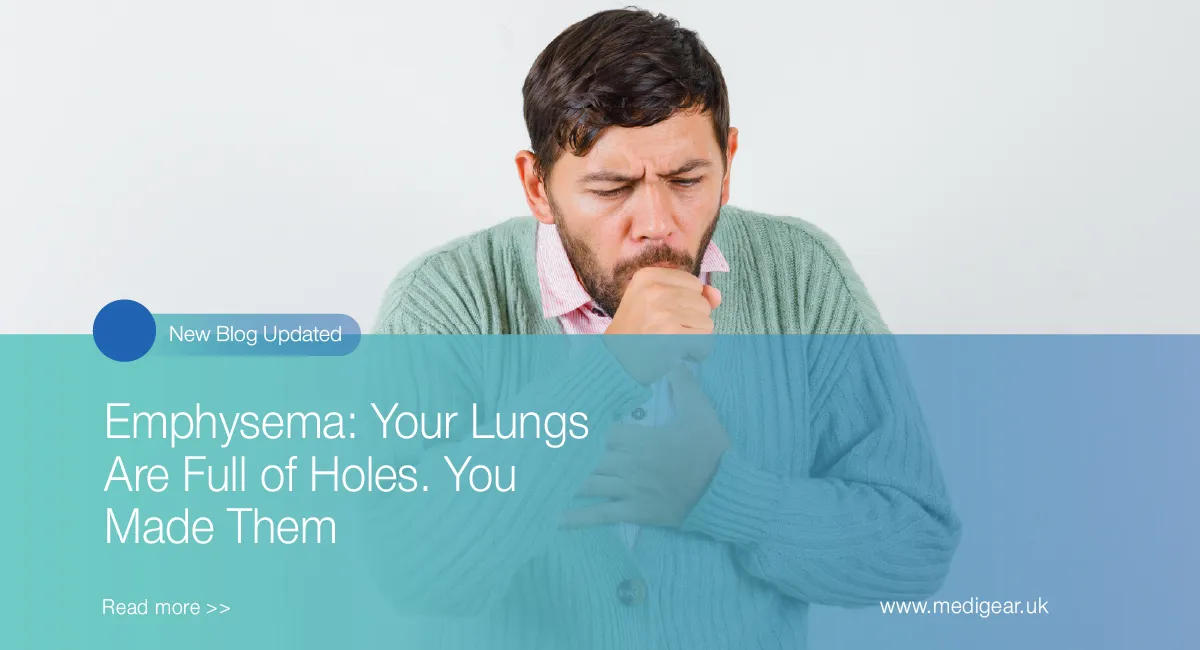
Symptoms appear late. The lungs have an enormous reserve. 30 to 40 per cent of function is lost before breathlessness shows. By the time they notice, the disease is advanced. Breathless on exertion. Walking. Climbing. Carrying. Then at rest. Chronic cough. Sputum. Wheeze. Frequent infections as damaged lungs lose clearance. Weight loss — breathing burns calories that the patient cannot replace. Barrel chest. Pursed lips. Tripod position — hands on knees — because the flat diaphragm needs every mechanical advantage. Respiratory device makers wanting to list spirometers, nebulisers, and oxygen equipment where clinics are searching can reach buyers through the Medigear advertising platform.
Spirometry
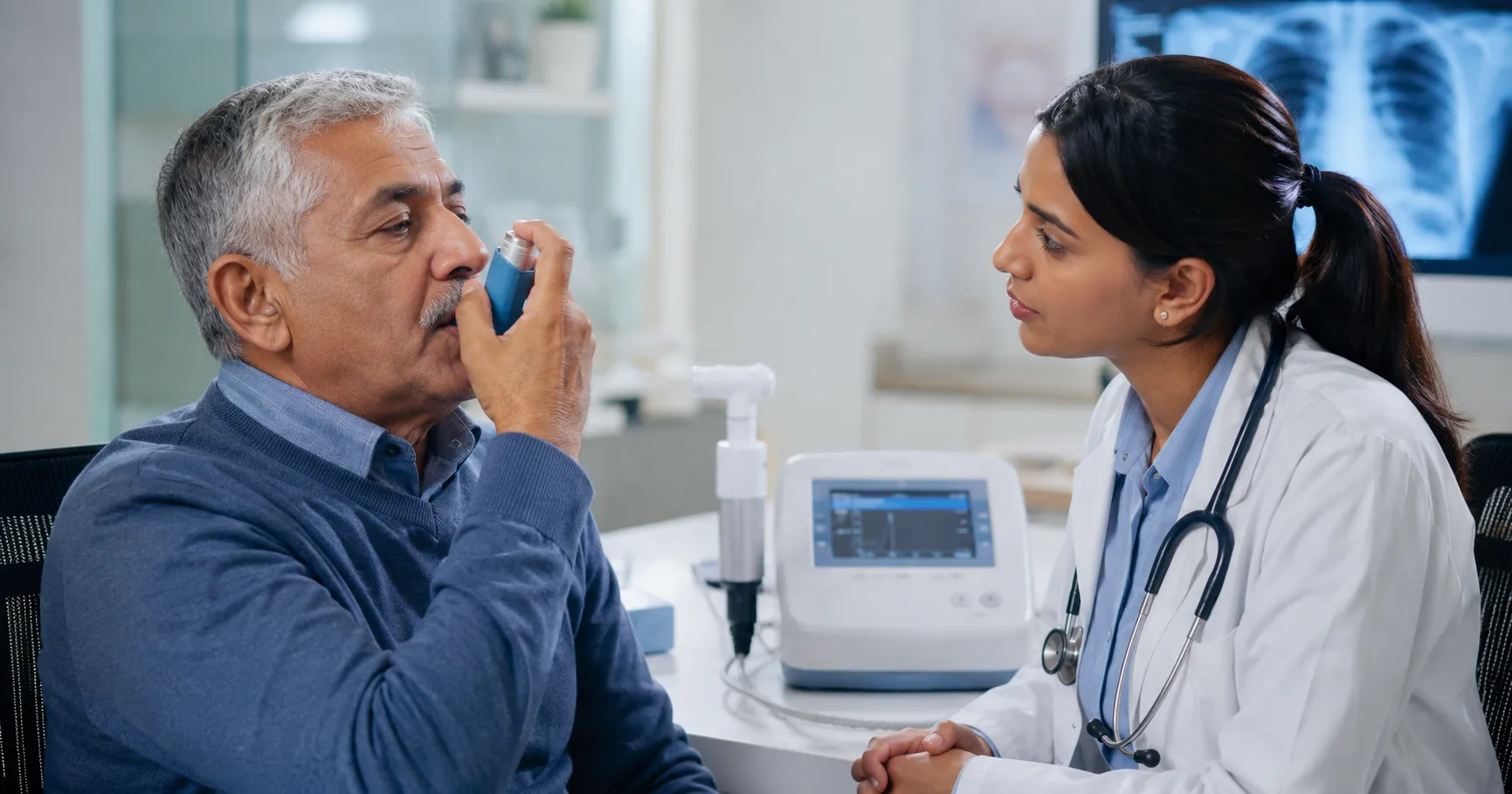
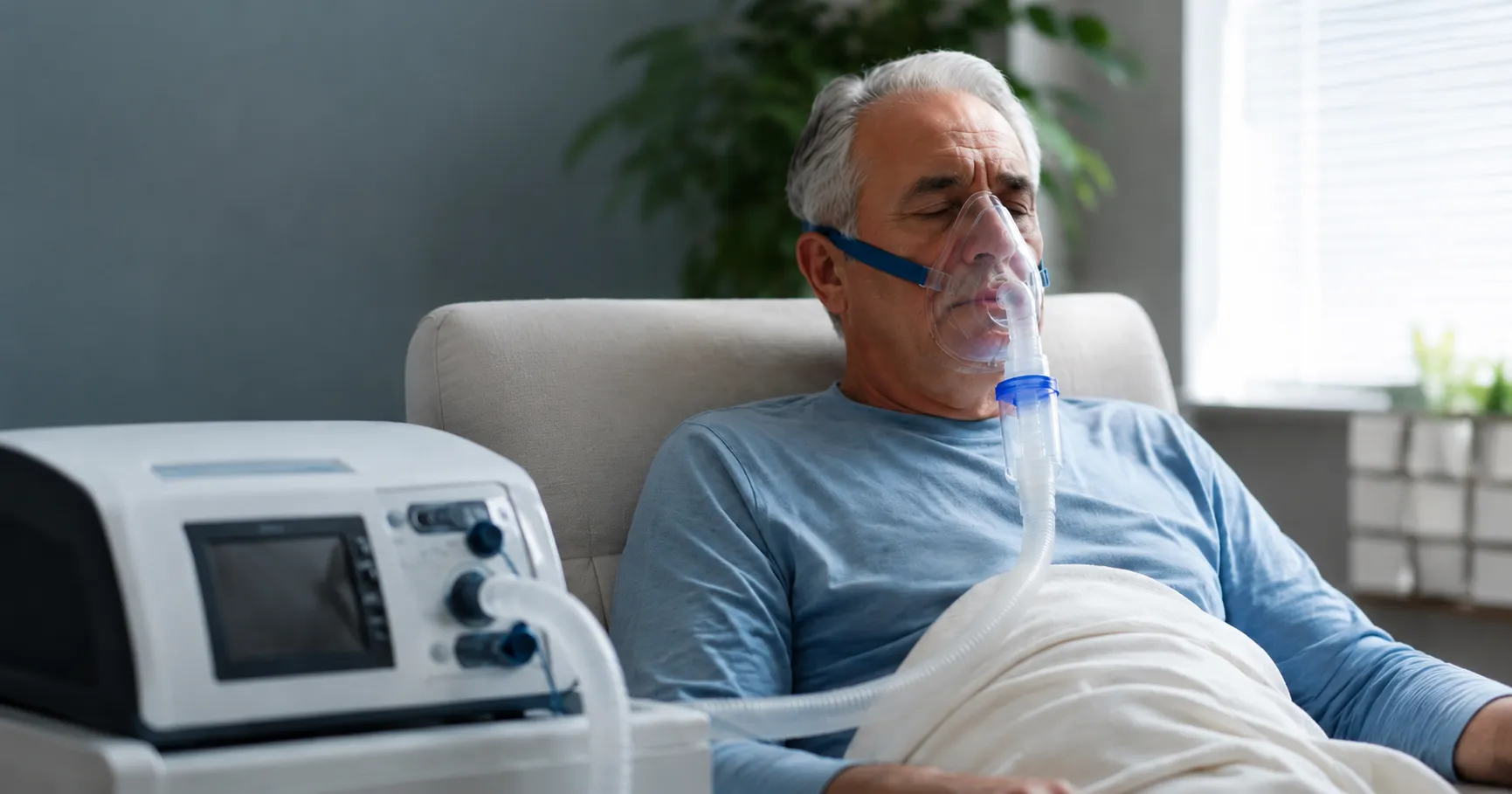
Spirometry is the test that confirms emphysema and stages it. FEV1 — air blown out in the first second — is reduced. FVC — total volume — may be near normal or down. Ratio below 0.7 confirms obstruction. FEV1 percent predicted stages the disease. Mild above eighty. Moderate fifty to eighty. Severe, thirty to fifty. Very severe below thirty. The number stages the disease and predicts the future. Our guide to the best nebulisers covers the devices that deliver bronchodilators and steroids directly to the airways. Emphysema has narrowed.
Imaging and Blood Gas
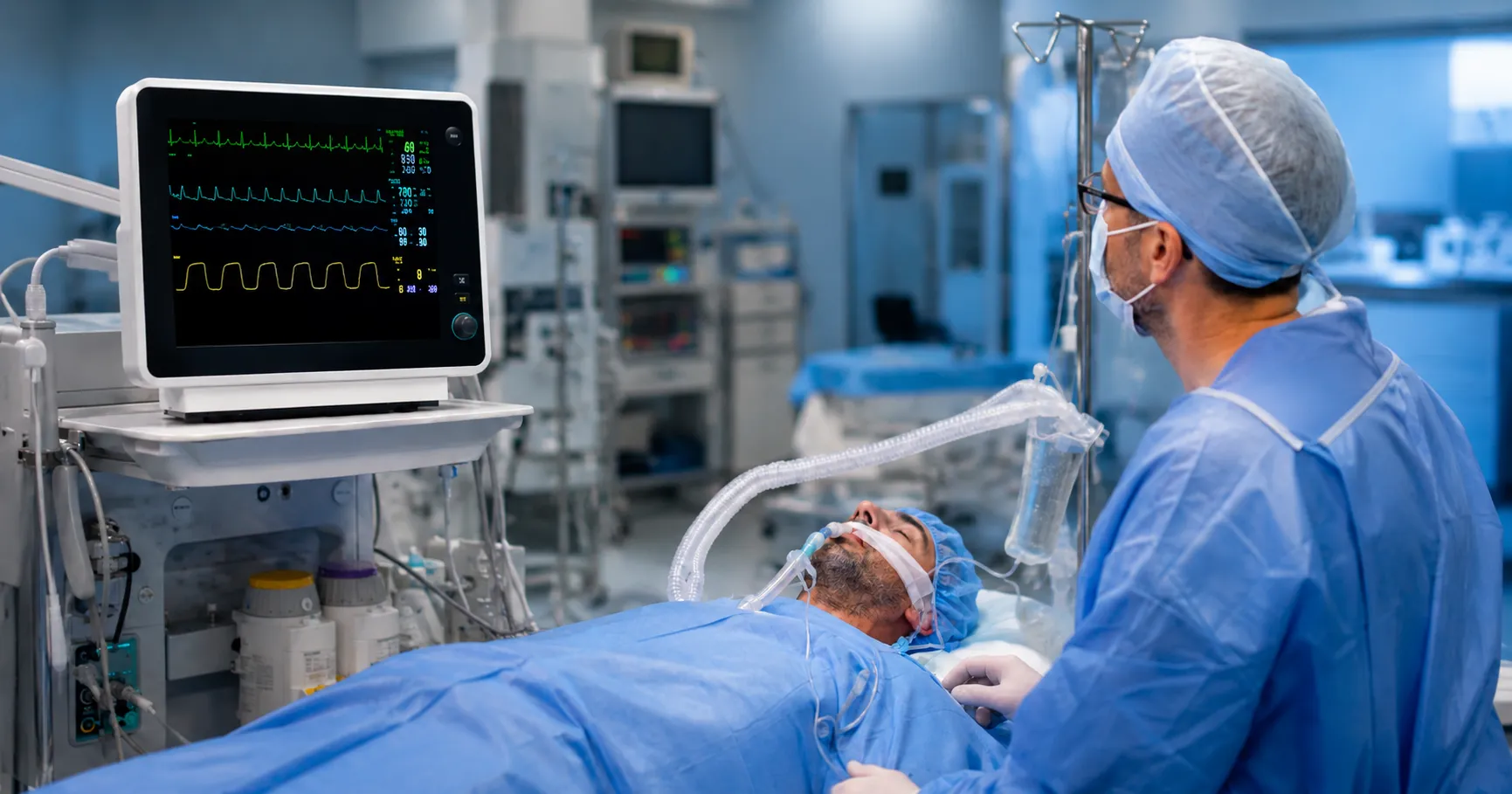
X-ray shows hyperinflation. Flat diaphragms. Wider chest. Fewer vascular markings. CT shows the holes. Destroyed alveoli as dark patches. CT maps the extent and guides surgical planning. Blood gas shows what the lost surface area produces. Oxygen falling. CO2 rising. Our guide to setting up patient monitoring on a budget covers the pulse oximeters and vital signs tools that track oxygen levels in emphysema patients between clinic visits.
Treatment
Treatment cannot reverse the damage. It slows progression, manages symptoms, and prevents exacerbations. Smoking cessation is the single most effective intervention. Does not restore. Stops the destruction. Bronchodilators relax the airway muscle and reduce air trapping. Short-acting and long-acting. Inhaled steroids reduce inflammation in patients with frequent flare-ups. Pulmonary rehab — supervised exercise and education — improves tolerance and quality of life more than any drug alone. Reach out to our team for guidance on matching respiratory equipment to your emphysema and COPD clinical pathways.
Oxygen Therapy
Oxygen therapy is prescribed when resting oxygen saturation falls below eighty-eight per cent or PaO2 falls below 7.3. Long-term oxygen — at least 15 hours — improves survival. Not a cure. Support for lungs that cannot maintain oxygenation on their own. Portability lets the patient leave the house. Concentrators deliver at home. Equipment matches prescription. Prescription matches gas exchange. Suppliers of oxygen concentrators, cylinders, and respiratory accessories can register through the Medigear supplier portal to connect with the hospitals and clinics equipping emphysema patients for home.
Surgery
Surgical options exist for select patients. Lung volume reduction removes the worst areas. Healthier tissue expands. The diaphragm works better. Bullectomy removes giant air spaces pressing on the functional lung. Transplantation is reserved for severe disease in patients who are fit enough. Major surgery. Significant risk. But for those who qualify, function comes back.
Exacerbations
Exacerbations — acute worsening triggered by infection or pollution — accelerate decline. Each one damages more tissue. Drops the baseline further. Vaccination. Inhaler adherence. Early antibiotics for infections. These protect whatever lung function the patient with emphysema still has. Companies seeking long-term collaboration on respiratory equipment supply and servicing can explore the Medigear partnership programme for opportunities beyond a single purchase.
Early Detection
Can your respiratory service identify emphysema before the patient has lost half their lung function? A smoker with breathlessness needs spirometry. Not reassurance. Not inhalers without a diagnosis. Five minutes. The diagnosis shifts the focus from managing symptoms to addressing the cause.
Smoking Cessation
What does your smoking cessation service offer the patient newly diagnosed with emphysema? Nicotine replacement. Varenicline. Behavioural support. A team that understands that stopping after forty years of smoking is not willpower — it is a clinical intervention that needs as much support as any drug. The patient who stops at moderate emphysema keeps more lung than the one who stops at severe. Every month of continued smoking is a month of alveoli that will not be there next year.
Screening
Does your practice offer spirometry to every smoker over forty, or only to the ones who ask? Most patients with emphysema do not know they have it. They have adjusted. Slowed down. Stopped climbing. Stopped walking. Blamed age. Spirometry finds what the patient has hidden from themselves. Five minutes. One breath. One number that changes the conversation.
Showing the Scan
Can your respiratory team explain to a patient what emphysema looks like inside the chest? A CT image showing the holes — the black patches where air sacs used to be — is worth more than a hundred words about lung damage. The patient who sees their own lungs on screen understands what the numbers alone cannot convey. Show the scan. Let the patient see what they are breathing with. The image changes the conversation that the spirometry number started.
Mental Health
Mental health in emphysema carries a weight that breathlessness makes heavier. A patient who cannot walk to the shops, cannot play with grandchildren, and cannot climb stairs without stopping lives with loss every day. Depression is common. Anxiety around breathing is constant. The fear that the next breath will not come sits under every activity the patient still tries. Psychological support is not an afterthought in emphysema care. It is the part of the service that addresses the person, not just the lungs.
Undiagnosed Protocol
Does your practice have a protocol for identifying the patient with undiagnosed emphysema before the damage reaches severe? Spirometry for every smoker over forty. Every patient with a chronic cough lasting more than eight weeks. Every patient with repeated chest infections. The five-minute test that finds the disease before the patient stops walking is the five-minute test that saves years of lung function the alternative — waiting — would have lost.
End-of-Life
End-of-life care in emphysema is the conversation nobody wants to have and everybody needs. When FEV1 drops below thirty. When oxygen dependence becomes twenty-four hours. When hospital admissions come monthly. The patient deserves a plan. Palliative input. Breathlessness management. Advance care planning. Dying of emphysema is slow and breathless. The team that plans it with the patient gives dignity. The one that avoids it gives distress.
Why Choose Medigear
Medigear supplies certified respiratory equipment, spirometers, nebulisers, and oxygen systems to hospitals, clinics, and community services across the UK. Whether you are equipping a respiratory clinic, upgrading spirometry for COPD screening, or supporting home oxygen for severe emphysema, our team matches the right tools to your clinical need. Reach out to our team for guidance built around the patients whose lungs are full of holes — and the clinicians who stop the smoking before the breathing stops.
Conclusion
What if every cigarette was dissolving the walls between the air sacs? He was sixty-one. Forty-five years of smoking. Could not blow out birthday candles. FEV1 at thirty-eight percent. Emphysema. Severe. The air sacs were gone — merged into empty spaces that trapped air but could not exchange it. He asked if it would get better. It would not. What smoking destroyed does not grow back. He stopped that day. But the lungs he stopped with were not the ones he started with. Five minutes of spirometry. One breath. One number that changes the conversation from managing symptoms to stopping the cause. The patient who stops at moderate keeps more lung than the one who stops at severe. Every month counts. Medigear stands alongside respiratory teams with certified equipment and the honest support that emphysema care demands. Speak to our team today — because the lungs full of holes will not wait for the conversation nobody wants to have.
⚠️ This post is for general information only. We do not sell medications or provide prescriptions — Medigear.uk is a medical equipment supplier only.