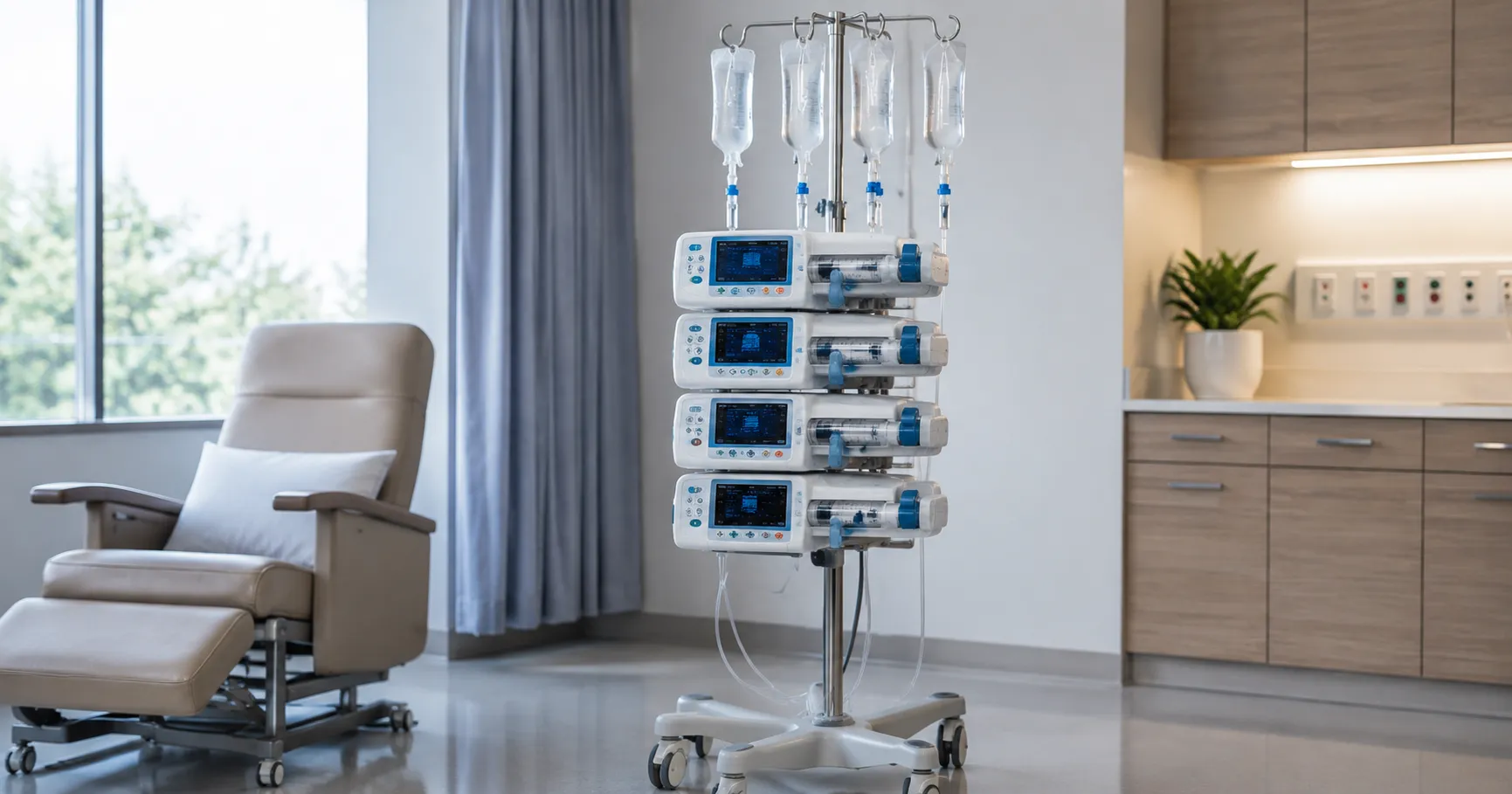
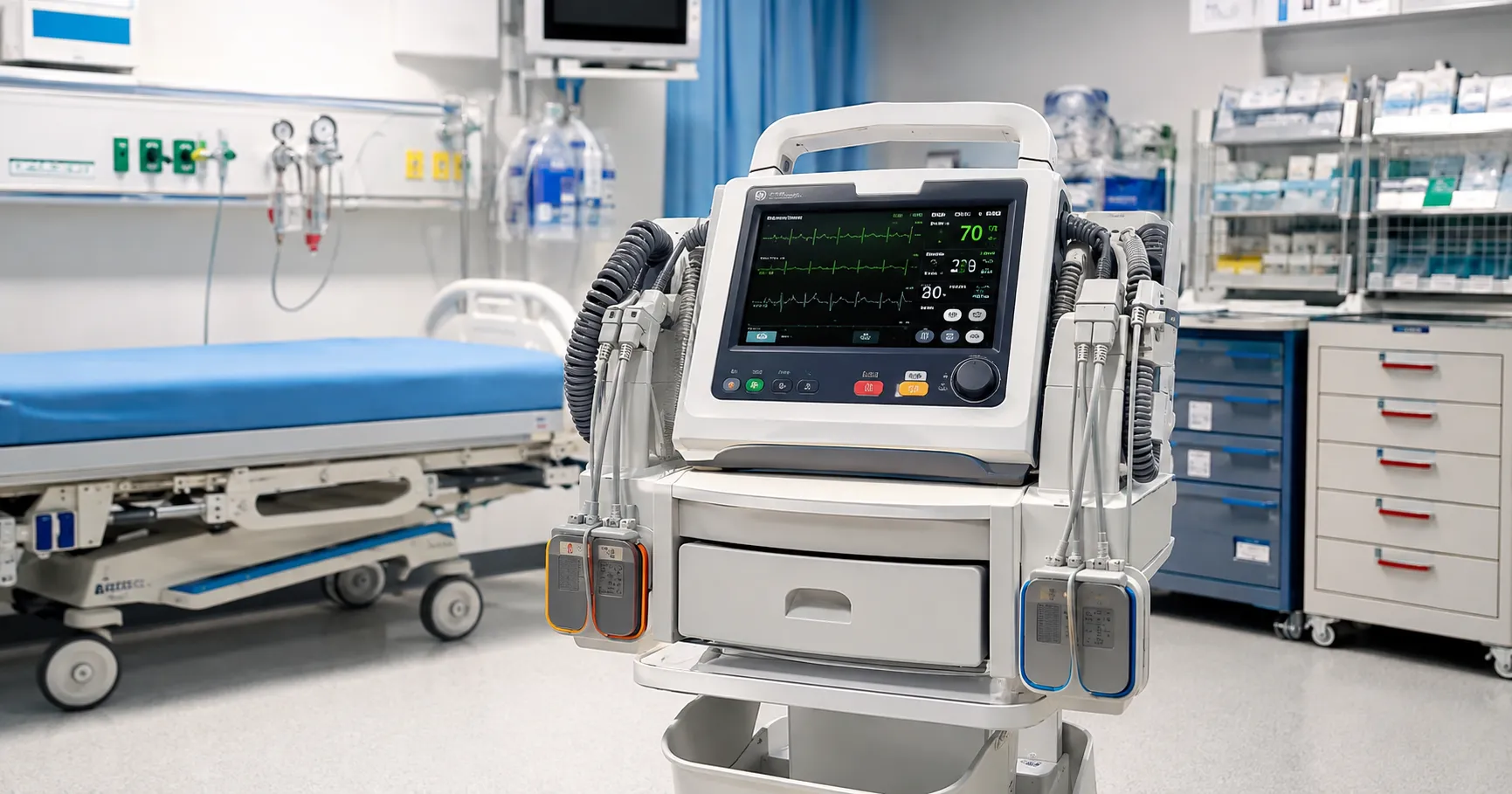
What if you could track every patient on the ward — heart, oxygen, pressure, breathing, temp — without a teaching hospital budget? What if the choice was not cheap versus safe — but smart versus wasteful? What if spending half as much gave better results than buying the most expensive screens in the catalogue? Not a fantasy. That is what happens when the budget goes on the right kit in the right order. Knowing what matters versus what just looks good on a spec sheet.
She ran a twelve-bed care home. The patient monitoring budget was tight. The last owner spent nothing on patient monitoring. Staff took observations with a cheap cuff and a wristwatch. She wanted better. No money for twelve bedside patient monitoring screens at full price. So, she bought four multi-parameter monitors for the highest-risk beds. Added pulse oximeters to every room. Upgraded blood pressure devices to validated units. Trained her team on NEWS2. Smart patient monitoring on a tight budget. Within six months, two residents were referred early for deterioration her manual-obs predecessor would have missed. The system cost a fraction. It caught what mattered. That is patient monitoring done right.
This guide covers how to set up a reliable patient monitoring system on a budget with the honest detail that clinic owners, care home managers, and small hospital procurement teams need. Medigear supplies certified monitoring equipment to hospitals and clinics across the UK — and every tip here comes from real clinical conversations about what to buy first, what to buy later, and what to skip entirely.
Start with What Saves Lives
Start with what saves lives — not what looks impressive. SpO2, blood pressure, heart rate, respiratory rate, and temperature are the five numbers that NEWS2 uses to score deterioration. A patient monitoring system that tracks these five reliably covers the ground that matters most. Capnography and invasive pressure are valuable. But they belong on list two, not list one.
Pulse Oximeters
Pulse oximeters are the highest-value, lowest-cost monitoring device in medicine. A certified handheld costs less than a meal out. Oxygen and heart rate in every setting — A&E to bedroom. Buy one for every room before anything else. Tiny cost per unit. Huge cost of missing a silent drop in oxygen.
Blood Pressure
Blood pressure monitors must be validated — not just cheap. An untested cuff can read ten points off. Enough to miss high blood pressure or send a patient home with numbers that look fine but are wrong. A validated device costs more than a pharmacy cuff. But far less than acting on bad data. Buy validated from day one. Not after a patient is harmed by a reading that was never right.
Multi Parameter Monitors
Multi parameter monitors are the biggest single spend — and the place where budget thinking matters most. A full bedside unit with every parameter costs thousands. A basic unit with ECG, SpO2, NIBP, and temp costs a fraction. For most wards and care homes, the basic unit covers the drivers of clinical calls. Buy what you need now. If needs grow, upgrade then.
Refurbished Equipment
Refurbished patient monitoring equipment can save thirty to fifty percent — but only if it comes from a supplier who tests, certifies, and warranties every unit. A refurbished unit from an unknown seller with no history and no safety cert is not a saving. It is a gamble. Medigear supplies refurbished patient monitoring equipment with full testing, paperwork, and warranty — same standards as new.
Linked Guides
For facilities building monitoring alongside other diagnostic capabilities, our guide to vital signs monitor features covers the specs that matter most in any monitoring device — helping budget buyers compare features that affect patient outcomes rather than features that affect brochure length. Our guide to portable vs stationary X-ray machines covers how imaging choices interact with monitoring budgets — because a facility that spends everything on monitors and nothing on imaging creates a gap that monitoring alone cannot fill.
Central Monitoring
Central monitoring stations let one nurse watch multiple patients from a single screen — and they do not have to cost what a hospital-grade system costs. Wireless patient monitoring devices that send data to a tablet offer central-station function at a fraction of the cost. Same data. Same alarms. Different screen. For a care home, a tablet does what a wall station does in a teaching hospital.
Connectivity
Connectivity saves money over time, even though it costs more upfront. A patient monitoring system that sends data to the record cuts manual entry — saving time on every set of obs. Over a year the hours saved add up to shifts. Over five years, the savings pay for the upgrade. Buy connected if you can. Costs more today. Saves more tomorrow.
Training
Training is the cheapest upgrade in any patient monitoring system. A trained team gets more from a basic patient monitoring device than an untrained one gets from a top-range unit. Teaching staff to read trends, respond to alarms, score NEWS2, and escalate turns patient monitoring equipment into a safety system. Without training, the same kit is just a screen with numbers nobody acts on.
Alarm Settings
Alarm settings on budget monitors need more attention, not less. Expensive monitors have smart alarm algorithms that filter noise. Budget monitors often have basic alarms that fire at every fluctuation — creating fatigue that causes staff to stop responding. Adjusting thresholds, turning off unused parameters, and teaching which alarms require action versus a settings check turns a noisy budget unit into a useful patient-monitoring tool.
Consumables
Accessories and consumables add up faster than most budgets plan for. Probes, cuffs, leads, brackets, and wipes are ongoing costs that the purchase price does not cover. Budget twelve months of supplies with the purchase. A monitor without probes is a screen with no data.
Phased Buying
Phased buying spreads the cost without leaving gaps. Month one — pulse oximeters and validated BP devices for every patient. Month three — multi parameter patient monitoring on the highest-risk beds. Month six — central monitoring. Year two — connected devices. Each phase builds on the last. Each delivers value now. The budget never takes one big hit.
Backup
Does your patient monitoring system have a backup plan? A monitor that fails at 3am needs a spare — or a team that can manage with manual obs until the replacement arrives. Budget systems without a backup have a single point of failure. One spare unit on-site covers the gap left by a broken device.
Measuring Effectiveness
How do you measure whether your patient monitoring system is working? Not by how many screens are lit — but by how many clinical decisions the data supported. Track how many deterioration events were caught early. How many escalations were triggered by the monitor rather than by a nurse who happened to walk past? If the data is not changing care, the system needs adjusting — not replacing.
Cost of Not Monitoring
What is the real cost of not monitoring? A missed deterioration that leads to an ICU admission costs tens of thousands of dollars. A cardiac arrest that a monitor would have predicted costs even more — in treatment, in legal exposure, and in a life that might have been saved. The cheapest patient monitoring system in the building is still cheaper than the one emergency it prevents.
Leasing
Leasing versus buying changes how the budget absorbs the cost. Buying means one big hit. Leasing spreads it over months or years — freeing cash for consumables, training, and the extras that make patient monitoring work in practice. Some suppliers offer lease-to-own deals that give the facility the equipment now and the ownership later. Ask about financing before assuming the sticker price is the only way to pay.
Infection Control
Infection control on budget patient monitoring equipment follows the same rules as on expensive units. Cheap does not mean dirty. Every screen, cable, probe, and cuff must be cleaned between patients with hospital-grade wipes. Single-use probes cost more per unit but cut cross-infection risk. Reusable probes cost less but need proper cleaning protocols. The cheapest patient monitoring system in the building still meets the same infection standards as the most expensive — or it should not be on the ward.
Scalability
Scalability matters when the budget grows. A patient monitoring system purchased today should support new devices, parameters, and connectivity without starting from scratch. A wireless ecosystem that lets you add monitors one at a time scales better than a hardwired system that needs a full install for every new bed. Buy a platform that grows. Not a box that sits.
Documentation
Documentation and audit trail matter for CQC, for insurance, and for the day something goes wrong. A patient monitoring system that logs every reading, every alarm, and every response gives the facility a record that proves care was delivered — or proves where it was not. Paper obs charts get lost. Digital records do not. Even a budget system should store data, not just display it.
Staff Buy-In
Staff buy-in makes or breaks any patient monitoring system — especially a budget one. A team that believes in the equipment uses it properly. A team that sees cheap kit as a sign that management does not care uses it badly or not at all. Involve clinical staff in the buying decision. Show them why the choice was made. Train them on what it can do. And listen when they say it is not working — because the nurse at the bedside knows more about what the patient monitoring system needs than the person who signed the purchase order.
Why Choose Medigear
Medigear supplies certified patient monitoring equipment — new and refurbished — to hospitals, clinics, care homes, and small facilities across the UK. Whether you are building a monitoring system from scratch on a tight budget or upgrading piecemeal as funds allow, our team matches the right equipment to your clinical need and your financial reality. Reach out to our team directly for guidance built around the patients you are watching — and the budget you are watching them with.
Conclusion
What if the clinic that spent half as much ended up with better outcomes? That is not a question about luck. It is a question about priorities. Pulse oximeters before multi parameter monitors. Validated blood pressure before fancy screens. Training before upgrades. Phased buying before panic spending. The budget does not decide whether patient monitoring works. The decisions made within it do. Medigear stands alongside care homes, clinics, and small hospitals with certified monitoring equipment and the honest guidance that tight budgets demand. Speak to our team today — because the patient being watched on a budget deserves the same safety as the one being watched on a blank cheque.
⚠️ This post is for general information only. We do not sell medications or provide prescriptions — Medigear.uk is a medical equipment supplier only.