What is the difference between airways that narrow reversibly and airways that are permanently obstructed? Structural changes. That cannot be undone. Asthma and COPD. Two airway diseases. Managed with some of the same devices. Not always in the same way. The equipment for an asthma attack is not always right for a COPD flare. Confusing the two — wrong device for the condition.
She was twenty-nine. First presentation to A&E. Acute severe asthma. Saturation eighty-nine. Breathing rate thirty-two. Could not complete sentences. Salbutamol nebuliser within eight minutes. Back-to-back. Then ipratropium was added. Prednisolone orally. Magnesium sulphate IV. Ninety minutes in. Saturation ninety-six. Rate down to twenty. Two hours later. Breathing on her own. Discharged with a written action plan. A spacer. GP appointment in forty-eight hours.
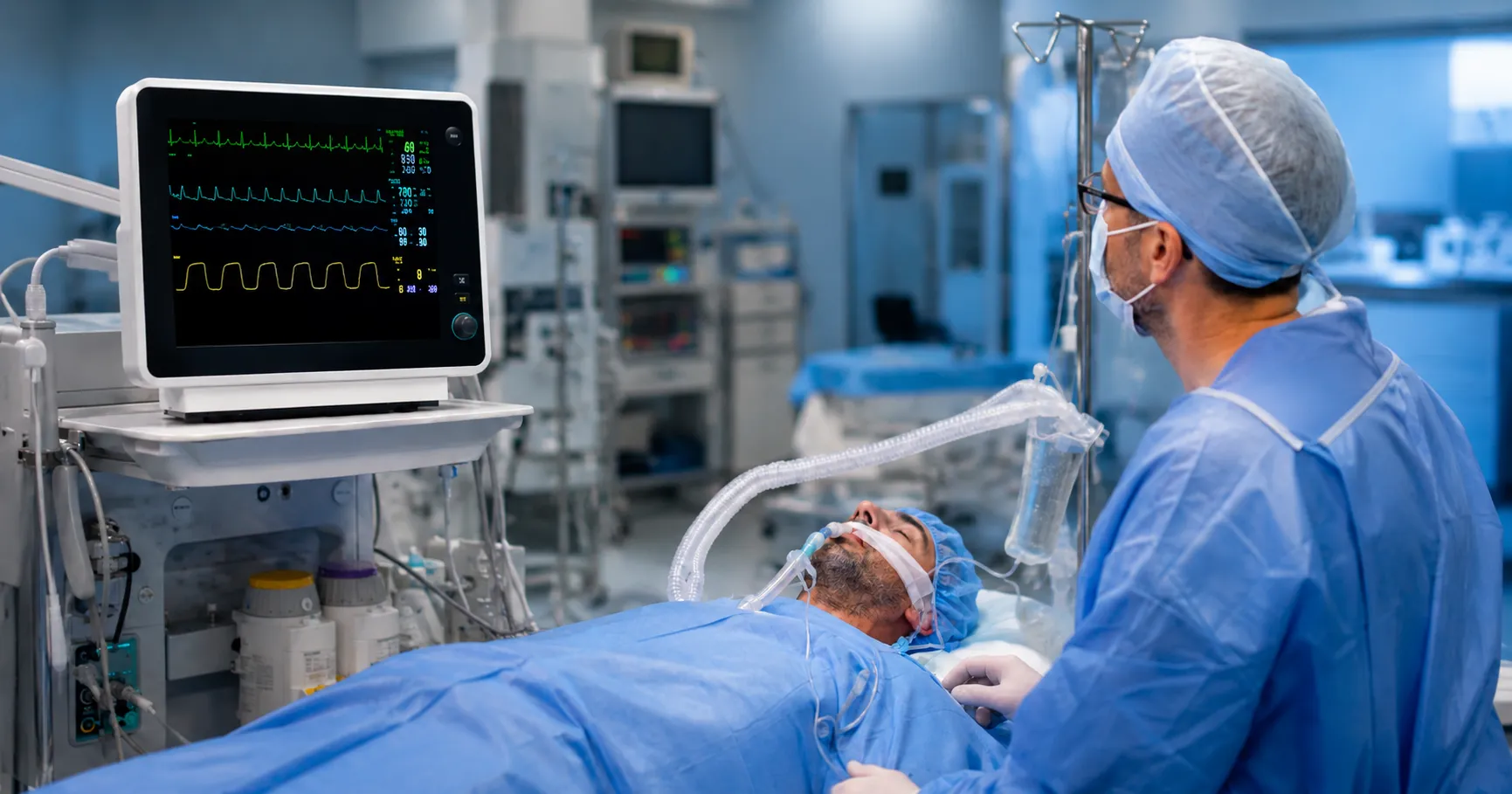
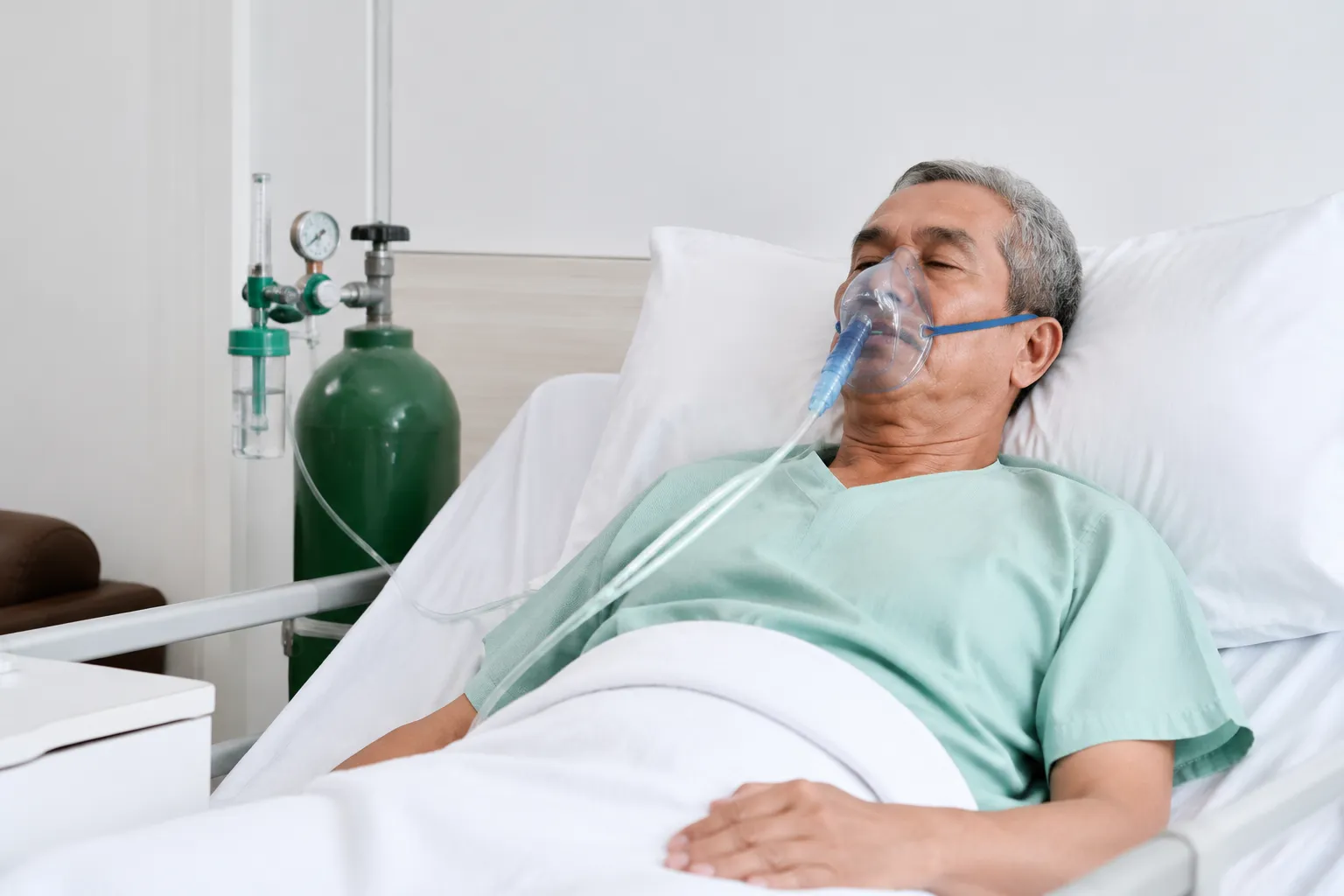
He was sixty-eight. Admitted with a COPD flare — increased breathlessness, purulent sputum, unable to manage his usual activities. Oxygen is given carefully. Twenty-four per cent via Venturi mask. Not to suppress the hypoxic drive. Antibiotics. Oral prednisolone. NIV when arterial gases showed rising CO2 and falling pH. All three. Four days later — back to his usual level. Not normal. Not well. His usual. Maintained with a long-acting reliever. A PEP device. A pulse oximeter. And a self-management plan.
This guide covers what asthma and COPD are and what equipment helps manage both conditions with the honest detail that patients, carers, and clinicians need. Medigear supplies certified airway equipment to hospitals, GP surgeries, and home care providers across the UK. Clinics sourcing certified equipment can explore the Medigear buyers portal for pricing, availability, and procurement built for airway care purchasing.
What Is Asthma
Asthma — variable airflow obstruction. Airways narrow in response to triggers. Allergens. Cold air. Exercise. Infection. Irritants. Usually reversible. Largely reversible. A bronchodilator opens the airway. Inflammation resolves. Near-normal function in between. Poorly controlled over the years — airway remodelling and fixed obstruction. Affects all ages. The most common chronic airway condition in the UK. Triggers vary between patients. So does severity. Mild and intermittent in many. Life-threatening in a few.
What Is COPD
COPD — chronic obstructive pulmonary disease — is a fixed airflow obstruction. Structural damage. Permanent. Emphysema. Chronic bronchitis. Caused mainly by smoking. Also, by occupational exposure to dust and fumes. Progressive. Does not reverse. Management slows the decline. And reduces flares. Affects mainly adults over forty with a smoking history. It is underdiagnosed. Many patients attribute breathlessness to age. Or unfitness. Until spirometry reveals the obstruction. Equipment manufacturers wanting to list inhalers, nebulisers, spirometers, and NIV devices where GP surgeries and chest clinics are searching can reach buyers through the Medigear advertising platform.
Peak Flow Meters
Peak flow meters measure how fast air can be expelled. A measure of airflow obstruction. Peak flow monitors severity in asthma. Guides the self-management plan. Twice daily peak flow. Recorded each time. Identifies deterioration days before the attack. Downward trend over a week. The GP needs to act before the next A&E visit. In COPD, peak flow is less informative than spirometry. Still a useful quick check. Reach out to our team for guidance on peak flow meters, spirometers, and airway monitoring equipment for your practice or clinic.
Spacers
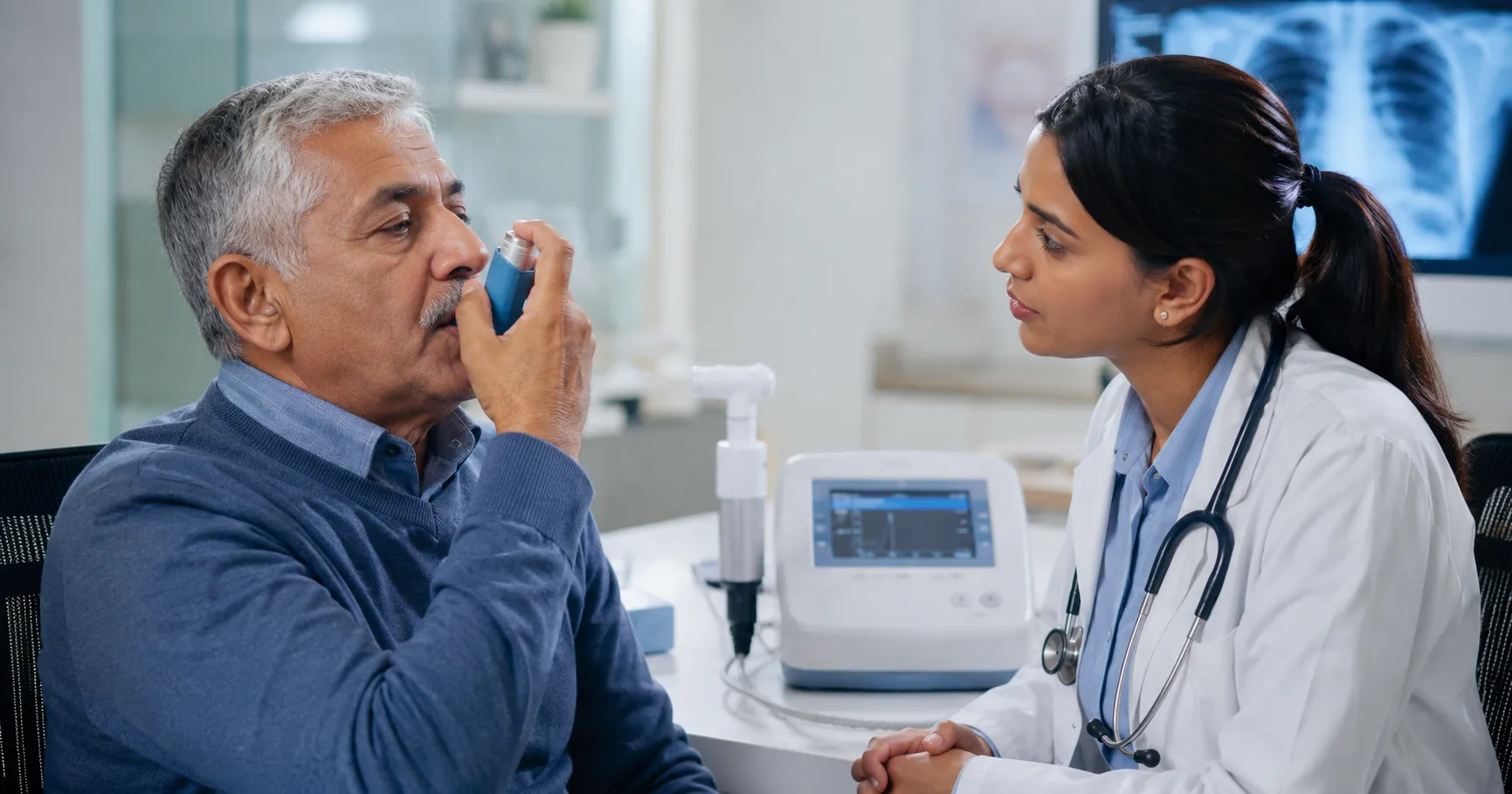
Spacers improve drug delivery from inhalers. Without one, most of the dose hits the throat. With a spacer, the aerosol slows. The patient breathes at their own pace. More drug reaches the lower airways. A spacer with salbutamol in an acute attack — as effective as a nebuliser in many cases. Used at home at the first sign. Children. Elderly patients. Poor coordination. All benefit from the spacer. Given at diagnosis. Costs nothing compared to the A&E attendance it prevents. Our guide to surgical suction devices covers clinical equipment where initial treatment at the right time changes whether a patient needs escalation — the same principle applies to spacer use in early asthma attacks, where prompt self-treatment prevents the attack that escalates to A&E.
Nebulisers
Nebulisers convert liquid medicine into a fine mist. For inhalation. Nebulised salbutamol and ipratropium are used when the attack is too severe for an inhaler. Or when it is not responding. Nebulised bronchodilators are used during COPD flares when inhaler therapy is not enough. At home, the nebuliser treats a moderate flare. Before it becomes an admission. Not a substitute for regular inhalers. The escalation device that manages the flare. Our guide to electrosurgical units covers the safety standards of medical devices used alongside pharmacological treatment — the same maintenance and cleaning standards apply to home nebulisers used in COPD management, where a contaminated nebuliser causes the infection it is meant to treat.
Spirometers
Spirometers measure lung function. FEV1 — forced expiratory volume. FVC — forced vital capacity. The ratio tells the story. The FEV1/FVC ratio distinguishes obstructive from restrictive patterns. Asthma — obstructive with reversibility. FEV1 improves by twelve percent or more after a reliever. COPD — obstructive. No significant reversibility on testing. Spirometry is the cornerstone of COPD diagnosis. Without it, incomplete. Told they have it without a spirometer reading. Estimated. Not diagnosed.
Pulse Oximeters
Pulse oximeters let patients and carers check saturation at home. Saturation below ninety-two during an attack — red flag. Severe attack. Emergency care is needed. Below eighty-eight at rest may indicate LTOT. Between eighty-eight and ninety-two during exercise, ambulatory oxygen. The patient who checks saturation during exertion knows whether the breathlessness is due to true hypoxia or to increased work of breathing. That distinction changes what they do. Call for help. Sit and rest. Two very different outcomes.
NIV
NIV in COPD flares. Rising CO2. Falling pH. Time to act. BiPAP supports inspiration. Reduces CO2 retention. Reduces the work of breathing. In severe acute asthma, NIV is less commonly used. A bronchospasm problem. Not ventilatory failure. NIV before optimising the bronchodilator — wrong device. Before the right one. In COPD and airway overlap syndrome, NIV may be appropriate. The decision requires a blood gas assessment, the clinical trajectory, and the patient's usual baseline. Suppliers of peak flow meters, spacers, nebulisers, spirometers, pulse oximeters, and NIV devices can register through the Medigear supplier portal to connect with hospitals, GP surgeries, and home care providers building airway care pathways.
Spirometry and Correct Diagnosis
Can your team perform spirometry? Distinguish obstructive from restrictive? Confirm bronchodilator response? Or rely on a diagnosis never confirmed by lung function. Labelled as COPD for ten years. Never had spirometry. May not have COPD. Diagnosed with an airway disease. Never tested for reversibility. May have fixed the obstruction. The label matters. Treatment differs. Spirometry confirms which label is right. Companies seeking long-term collaboration on airway equipment supply, spirometry services, and airway care programmes can explore the Medigear partnership programme for ongoing opportunities beyond a single order.
Preventer Inhalers and Self-Management
Does your team check that every patient on a preventer inhaler is using it daily? For asthma or COPD. Rather than only when symptomatic. A preventer taken only when symptomatic prevents nothing. Regular review of whether the device is being used as prescribed. Not an afterthought.
What does your team teach every new patient with asthma about how to use their action plan during an attack? When to use the reliever. When to start prednisolone. When to call 111. When to call 999. An action plan that the patient does not understand is a piece of paper. The one who understands it is a clinical tool. The difference between them is a five-minute conversation. It prevents the death that occurred because the patient waited too long.
Annual Review and Pulmonary Rehabilitation
Does your practice recall every asthma patient each year? Inhaler technique. Trigger identification. Action plan update. Peak flow assessment. Stepping treatment up or down. The patient with poorly controlled airway disease who is never reviewed has not received care for their condition. They have received a prescription. A review that takes twenty minutes changes the prescription that has not worked for three years.
Does your chest clinic assess every patient with COPD for pulmonary rehab? And refer every eligible patient? The single most effective intervention for most patients with the condition. Improves exercise capacity. Reduces breathlessness. Reduces admissions. Better quality of life. A spirometer confirms eligibility. A monitoring plan tracks progress. The patient was never referred. Missing the intervention that changes more outcomes than any single drug.
Diagnostic Pathway for Uncertain Diagnosis
What does your team do when breathlessness and wheeze are present — but the diagnosis is not clear? Asthma? COPD? Cardiac failure? Something else entirely? Spirometry. Reversibility testing. Echocardiogram. NT-proBNP. Chest X-ray. Each tells part of the story. Follow the evidence — find the correct diagnosis. Assume the label — miss it. The peak flow meter that confirms obstruction and the spirometer that confirms reversibility or fixed obstruction — with the clinical history — builds the correct diagnosis. Equipment supports the diagnosis. It never replaces thinking.
Why Choose Medigear
Medigear supplies certified peak flow meters, spacers, nebulisers, spirometers, pulse oximeters, and NIV systems to hospitals, GP surgeries, and home care providers across the UK. Whether equipping a chest clinic, supporting patients at home, or building a structured airway review programme — our team matches the right equipment to the patient, the condition, and the clinical stage. Reach out to our team for guidance built around the airway that needs the right device at the right time. And the equipment that delivers it.
Conclusion
What is the difference between airways that narrow reversibly — and airways that are permanently obstructed? Asthma and COPD. She was twenty-nine. Saturation eighty-nine. Salbutamol nebuliser within eight minutes. Two hours later — breathing on her own. He was sixty-eight. COPD flare. NIV when CO2 was rising. Four days later — back to his usual level. Not normal. His usual. Two conditions. Some of the same devices. Not always the same approach. Peak flow meter. Spacer at diagnosis. Nebuliser for the flare. Spirometer to confirm the correct diagnosis. Pulse oximeter at home. NIV for the COPD patient whose blood gases are deteriorating. A preventer inhaler taken daily — not only when symptomatic. A self-management plan the patient understands. Pulmonary rehabilitation for every eligible patient with COPD. Follow the evidence — find the correct diagnosis. Assume the label — miss it. Medigear stands alongside chest clinics, GP surgeries, and home care providers with certified airway equipment for every clinical stage and every patient who needs the right device at the right moment. Speak to our team today — because the airway that is not managed correctly does not give many warnings before it becomes the emergency.
⚠️ This post is for general information only. We do not sell medications or provide prescriptions — Medigear.uk is a medical equipment supplier only.