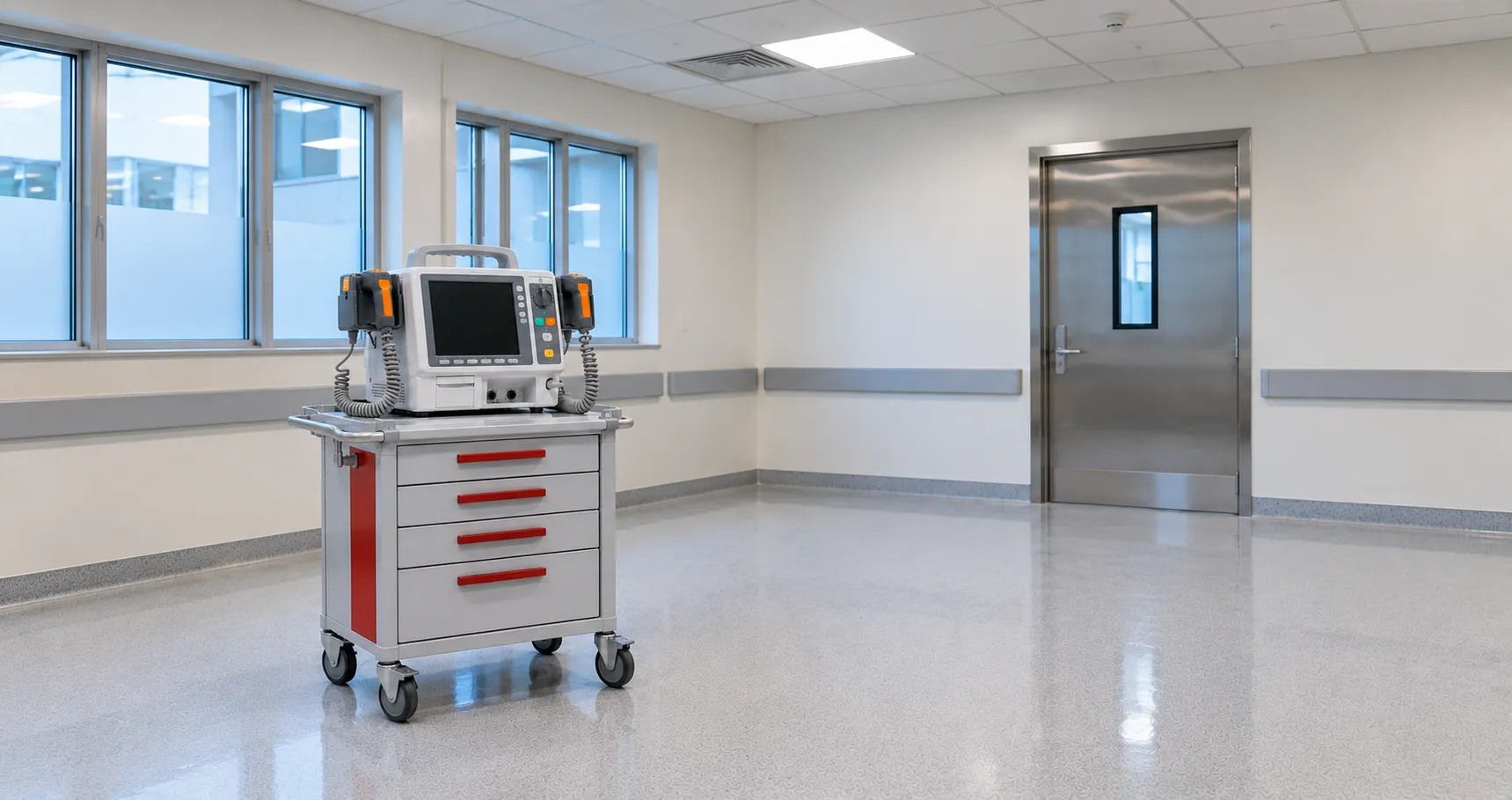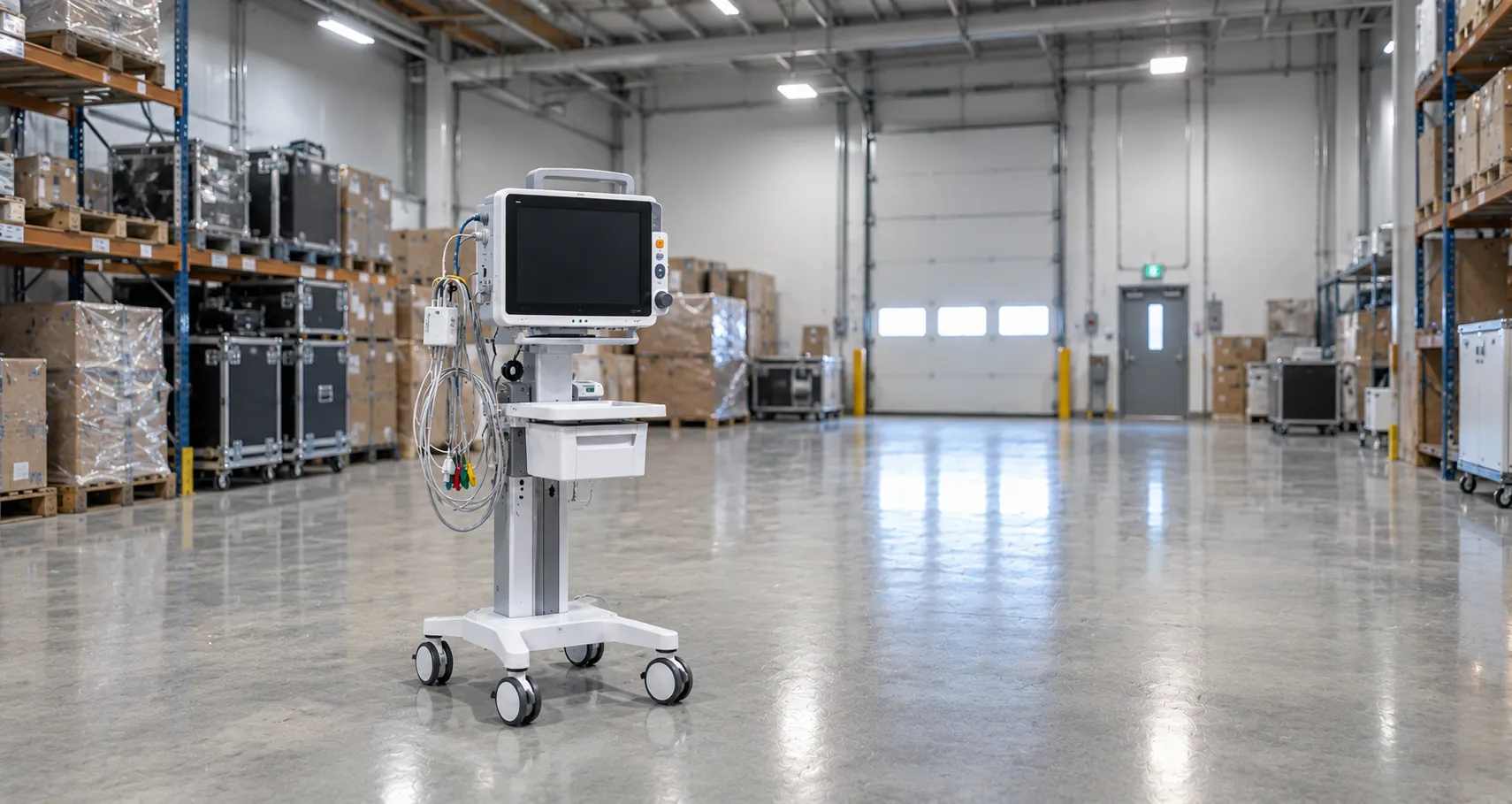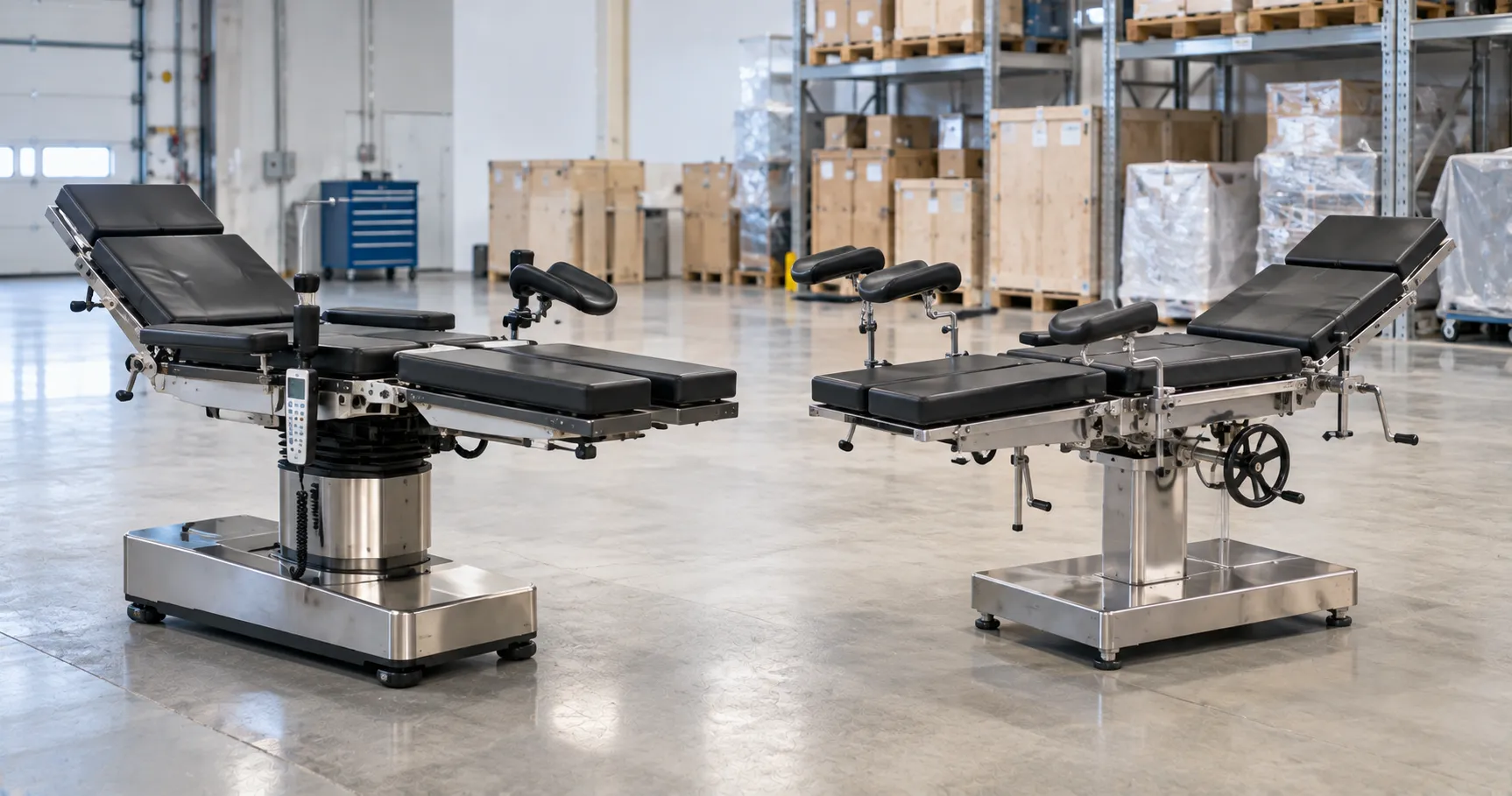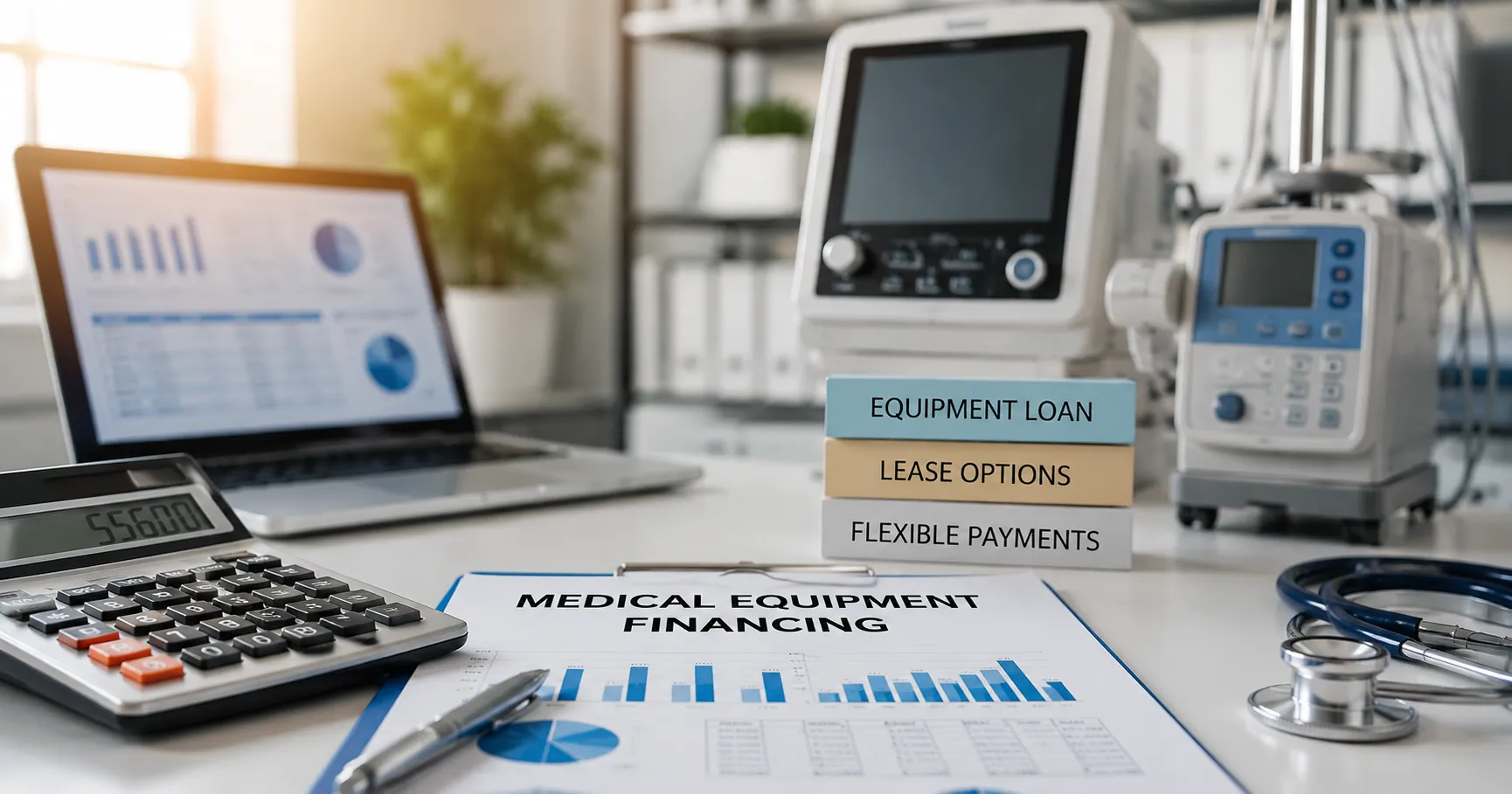
Medical equipment financing helps healthcare providers purchase, lease, rent, or access essential devices without placing all the cost burden on a single upfront budget. Hospitals, clinics, diagnostic centres, dental practices, rehabilitation facilities, ambulatory care centres, and home healthcare providers often need high-value equipment before they have enough free cash to buy everything outright.
For healthcare buyers' services, financing should not be treated as a shortcut to buy equipment quickly. It should be part of a structured procurement plan that reviews clinical need, patient volume, total cost of ownership, service support, regulatory documentation, repayment capacity, and long-term equipment value. WHO notes that medical device procurement is important for optimal allocation of medical device resources, and that national procurement guidance is important for domestic resource distribution.
Why Healthcare Providers Use Equipment Financing
Medical equipment can be expensive, and many facilities need several devices at the same time. Financing allows providers to spread costs, protect cash flow, and introduce technology while still managing operating expenses.
Cash Flow Protection — Paying the full cost of equipment upfront can reduce working capital. Financing can help a provider preserve cash for salaries, consumables, utilities, medicines, facility upgrades, and emergency needs.
Faster Access to Equipment — Some providers cannot delay clinical services while waiting for full capital approval. Financing may help them access imaging systems, laboratory equipment, surgical devices, patient monitors, dental equipment, or rehabilitation devices sooner.
Better Budget Planning — Fixed monthly or quarterly payments can make cost planning easier. This is useful for clinics and hospitals that prefer predictable expenses instead of large one-time purchases.
Technology Upgrade Planning — Medical technology changes over time. Leasing, rentals, or managed equipment models may help providers avoid being locked into outdated equipment for too long.
Common Medical Equipment Financing Options
Healthcare providers can choose from several financing models. The right option depends on equipment type, expected usage, ownership goals, cash flow, accounting rules, and service needs.
Outright Purchase — The provider pays the full cost upfront and owns the equipment. This works well when the facility has available capital, expects long-term use, and wants full control of the asset.
Bank or Equipment Loan — A lender provides funds to buy the equipment, and the provider repays the loan over time. The equipment may be used as collateral depending on the lender and local rules.
Medical Equipment Lease — The provider uses the equipment for a fixed term and pays regular lease payments. Lease accounting can be complex, and international lease accounting standards require many leases to be recognised as right-of-use assets and lease liabilities, except for certain short-term or low-value cases.
Vendor or Supplier Financing — The supplier, manufacturer, or finance partner offers payment terms. This can simplify procurement, but buyers should compare total cost, service terms, warranty coverage, and exit conditions.
Short-Term Rental — Rental can be useful for temporary demand, seasonal needs, project work, waiting lists, mobile camps, emergency backup, or trial use before purchase.
Managed Equipment Services — A provider may enter into a structured service arrangement in which equipment supply, maintenance, replacement, and performance support are bundled. The World Bank has described managed equipment services as a model that involves partnerships between private-sector providers and public healthcare providers.
Public-Private Partnership Models — Public hospitals and government-backed projects may use partnership models to deliver infrastructure, equipment, and services. The World Bank describes public-private partnerships in health as models used in both developing and developed countries, with many examples of their design.
Grants and Donor Funding — Some healthcare projects may receive funding from foundations, development agencies, charities, or public health programmes. This can be helpful for rural care, maternal health, diagnostics, emergency care, or low-resource settings.
Outright Purchase: When It Works Best
An outright purchase is simple because the provider owns the equipment from the beginning. There are no monthly finance payments, no lease term restrictions, and no lender approval after purchase.
This option may work well for durable devices with long expected service life, stable technology, predictable clinical demand, and manageable maintenance requirements. Examples may include examination tables, sterilisation units, procedure chairs, hospital furniture, basic laboratory devices, medical trolleys, suction units, and selected diagnostic accessories.
However, outright purchase can create cash pressure. Buyers should not compare purchase price alone. ECRI recommends considering the total cost of ownership, including purchase price, maintenance costs, and potential downtime costs, during healthcare procurement.
An outright purchase also places the responsibility for upgrades on the provider. If the equipment becomes outdated, underused, difficult to service, or expensive to repair, the facility carries the full asset risk.
Equipment Loans for Hospitals and Clinics
Equipment loans allow healthcare providers to buy equipment while spreading repayment over time. This can be useful when the provider wants ownership but does not want to pay the full amount immediately.
Loans may be suitable for equipment with predictable revenue or high clinical value, such as ultrasound machines, dental chairs, laboratory analysers, operating tables, imaging equipment, endoscopy systems, or rehabilitation technology.
Before taking a loan, providers should review:
Repayment Capacity — Monthly payments should match realistic patient volume and revenue expectations.
Interest and Fees — Buyers should review the interest rate, processing fee, early repayment fee, insurance cost, documentation charges, and late payment rules.
Collateral Requirements — The lender may require equipment security, personal guarantees, business guarantees, or other collateral, depending on the region and borrower profile.
Service and Warranty Costs — Loan payments do not always include maintenance. Buyers should budget separately for preventive maintenance, repairs, calibration, spare parts, and downtime cover.
A loan can be useful, but the finance team should evaluate it before committing. Healthcare providers should not assume that a device will generate enough revenue simply because it is clinically valuable.
Medical Equipment Leasing
Leasing allows healthcare providers to use equipment for a defined period without having to buy it outright at the outset. This can help preserve capital and align cost with usage.
Leasing may be useful for technology that changes quickly, equipment with uncertain long-term demand, or devices that require regular upgrades. Examples may include imaging systems, digital radiography, advanced monitoring systems, laboratory platforms, endoscopy systems, and selected diagnostic devices.
Operating-Style Use — Some lease structures focus on use rather than ownership. The provider may return, renew, or upgrade at the end of the term, depending on the agreement.
Ownership-Linked Lease — Some lease structures allow purchase at the end of the term. This can suit providers who want eventual ownership but need time to spread the cost.
Maintenance-Included Lease — Some arrangements include preventive maintenance, uptime support, software updates, and replacement options. Buyers should check exactly what is included.
Lease decisions should involve finance, accounting, legal, and procurement teams. Lease treatment, tax effect, and balance sheet impact vary by jurisdiction and accounting framework.
Vendor Financing and Deferred Payment Terms
Vendor financing allows a supplier or manufacturer to offer structured payment terms. This may include instalment plans, deferred payment, staged payment linked to delivery milestones, or finance through a partner lender.
This option can be convenient because procurement and financing are discussed together. However, convenience should not replace careful review.
Suppliers and manufacturers advertising to global healthcare buyers should provide clear specifications for the equipment, payment terms, warranty details, service terms, spare-part availability, installation requirements, and documentation. Buyers should compare vendor financing against independent loans or lease offers to understand the real total cost.
Important points to review include:
Total Payable Amount — Buyers should compare the final cost after all instalments, fees, interest, shipping, taxes, and service charges have been applied.
Warranty Start Date — Warranty should not be wasted during shipping, customs, installation delays, or site preparation.
Default Terms — Providers should understand what happens if a payment is delayed.
Service Conditions — Buyers should confirm whether maintenance remains available during the finance term and whether missed payments affect service support.
Equipment Rental for Short-Term Needs
Rental is useful when the need is temporary or uncertain. A provider may rent equipment for a short-term project, seasonal demand, a trial period, emergency backup, temporary ward expansion, a mobile camp, or while waiting for the delivery of permanent equipment.
Common rental examples may include patient monitors, infusion pumps, oxygen concentrators, hospital beds, wheelchairs, rehabilitation equipment, procedure chairs, respiratory care devices, and selected diagnostic devices.
Rental can reduce upfront cost, but it may become expensive if used for too long. Buyers should review the rental period, extension charges, maintenance responsibility, delivery fees, cleaning requirements, damage rules, replacement policy, and return conditions.
Rental is best when the provider has a clear timeline. If the equipment will be used continuously for a long period, a loan, lease, or purchase may be more cost-effective.
Managed Equipment Services
Managed equipment services can bundle equipment supply, maintenance, replacement, staff training, uptime management, and performance monitoring into a single structured arrangement. This model is often considered for high-value departments such as radiology, laboratory, diagnostics, operating rooms, or multi-site hospital projects.
Instead of buying each device separately, the provider may contract for equipment availability and service performance. This can help facilities avoid fragmented procurement and reduce maintenance burden.
Healthcare groups managing several hospitals, clinics, or diagnostic centres may benefit from structured distribution and reseller partnership arrangements. Standardising equipment models, service terms, replacement schedules, and procurement channels can reduce variation and improve planning.
Managed service agreements need careful review. Buyers should check contract length, uptime guarantees, replacement rules, service response times, ownership structure, consumable pricing, training requirements, exit terms, and long-term cost.
Public-Private Partnerships and Project Financing
Large healthcare projects may require financing beyond standard loans or leases. Public-private partnerships, project finance models, donor-backed programmes, and development finance can support hospitals, diagnostic centres, regional imaging projects, and the expansion of specialist services.
The World Bank describes hybrid public-private partnerships as arrangements that combine public- and private-sector strengths and support from development institutions to deliver essential services more efficiently and effectively.
For medical equipment, partnership models may involve equipment supply, facility preparation, installation, operations, maintenance, staffing, reporting, and performance targets. These models can improve access when public budgets are limited, but they require strong contracts and transparent governance.
Healthcare providers should review:
Service Access — Does the model improve patient access or only shift costs?
Pricing Control — Are patient charges, reimbursement rates, or service fees clearly defined?
Performance Metrics — Are uptime, reporting, turnaround time, and service quality measured?
Asset Ownership — Who owns the equipment during and after the contract?
Exit Planning — What happens when the contract ends?
Grants, Donations and Development Funding
Some medical equipment can be financed through grants, donations, charity funding, public health programmes, or development support. This can be valuable for community hospitals, rural clinics, teaching institutions, non-profit providers, and healthcare access projects.
Grant-funded equipment still needs a proper procurement review. A donated device may become a burden if it lacks local service support, spare parts, consumables, a compatible power supply, user training, or regulatory documentation.
Before accepting grant-funded or donated equipment, providers should check:
Clinical Need — The equipment should match actual service demand.
Service Support — Spare parts and maintenance should be available locally or internationally.
Consumables — Ongoing consumables should be affordable and accessible.
Installation Requirements — The facility must have space, power, ventilation, shielding, plumbing, or IT support where needed.
Training — Staff should be trained before clinical use.
A free device is not always low-cost if it cannot be maintained or used safely.
Refurbished Equipment and Trade-In Models
Refurbished medical equipment can reduce costs when purchased from reliable sources. This may suit facilities that need diagnostic, surgical, laboratory, or monitoring equipment but cannot justify the cost of new devices.
Buyers should request refurbishment records, test reports, warranty information, service history, software status, accessory details, replacement part availability, and compliance documents. The device should be checked against applicable local regulatory standards and import rules.
Trade-in models can also reduce upgrade cost. A supplier may accept older equipment as partial value toward a new device. Buyers should confirm whether the trade-in value is fair and whether the responsibilities for data removal, deinstallation, transport, and disposal are clearly defined.
Refurbished equipment should be considered carefully for high-risk or patient-critical use. A biomedical engineering review is important before clinical deployment.
Total Cost of Ownership in Financing Decisions
Financing decisions should never focus only on the monthly payment. A low payment can hide high service costs, expensive consumables, a limited warranty, software fees, or a risk of downtime.
Total cost of ownership should include:
Purchase or Finance Cost — Equipment price, interest, lease payments, fees, taxes, and shipping.
Installation Cost — Site preparation, electrical work, shielding, plumbing, air conditioning, calibration, and validation.
Operating Cost — Consumables, reagents, accessories, software, utilities, and staffing.
Maintenance Cost — Preventive maintenance, emergency repair, calibration, spare parts, service contracts, and downtime.
Lifecycle Cost — Upgrade, replacement, resale, disposal, and decommissioning.
Training Cost — Staff onboarding, refresher training, user manuals, and competency checks.
A device that looks affordable in the first payment schedule may become expensive across its full life.
Procurement Checks Before Financing Equipment
Medical equipment financing should follow a disciplined procurement process. The finance model should support the clinical plan, not drive it.
Facilities sourcing through regulated and certified equipment suppliers worldwide should confirm product specifications, intended use, warranty, service support, spare parts, regulatory documents, installation requirements, and post-sale assistance before signing finance agreements.
Key procurement checks include:
Clinical Justification — Which service will the equipment support?
Utilisation Forecast — How often will the device be used?
Revenue or Budget Support — How will payments be covered?
Service Plan — Who will maintain the device?
Compliance Documents — Are regulatory and conformity documents available?
Training Plan — Who will train users and biomedical teams?
Exit Strategy — What happens if the device becomes underused, outdated, or too costly?
International Sourcing and Financing Considerations
International equipment sourcing may involve currency movement, customs duties, freight, insurance, documentation, local registration, installation, and after-sales support. Financing agreements should account for these extra costs.
Buyers should clarify whether the quoted cost includes equipment price, shipping, customs support, installation, training, warranty, spare parts, accessories, service contracts, and documentation. For project-based sourcing or structured procurement, buyers can contact the Medigear.uk team for supply support to discuss availability, documentation, export needs, and procurement requirements.
International buyers should also review:
Currency Risk — Exchange rate movement can change the final cost.
Import Charges — Duties, taxes, port fees, and clearance costs may apply.
Delivery Milestones — Payment should align with manufacturing, shipping, delivery, installation, and acceptance stages.
Acceptance Testing — Final payment may depend on installation and performance verification.
Local Service Access — Financing should not be signed until maintenance support is confirmed.
Choosing the Right Financing Option
The best financing model depends on the provider’s clinical goals, financial strength, equipment type, usage level, and upgrade plan.
Choose Outright Purchase. The provider has available capital, wants ownership, and expects long-term use.
Choose a Loan when ownership is important, but cash needs to be preserved.
Choose Leasing when technology may change, upgrades are likely, or regular payments fit the budget better.
Choose Rental when the need is temporary, uncertain, or project-based.
Choose Vendor Financing when supplier terms are transparent and competitive.
Final Thoughts
Medical equipment leasing gives healthcare providers more options for accessing essential technology while managing cash flow and long-term budgets. Options may include outright purchase, loans, leasing, rentals, vendor financing, managed equipment services, grants, donations, and project-based partnership models.
The right financing option should match clinical demand, equipment lifecycle, maintenance capacity, total cost of ownership, documentation requirements, and local compliance standards. Healthcare providers should review every financing structure with qualified finance, legal, procurement, and clinical teams before signing.
Disclaimer
Medigear.uk is a global medical equipment supplier, exporter, and distributor. The content published on this site is intended for educational and product awareness purposes only. Nothing on this page constitutes medical advice, clinical guidance, financial advice, tax advice, legal advice, or treatment recommendations. All healthcare procurement, financing, legal, tax, and clinical decisions should be made by qualified professionals and compliant procurement teams operating within the regulatory frameworks of their respective countries.