What is the lung disease that destroys the air sacs permanently? Not inflaming them. Not filling them with fluid. Obliterating them. With every breath. Less surface area for oxygen. Emphysema. Structural damage. Irreversible. Progressive. And it compounds. The lung that once worked becomes large, floppy spaces. Traps air. Collapses on exhalation. Cannot be rebuilt. Ever. Emphysema does not get better. Slower to get worse. Equipment makes the difference.
She was sixty-three. Smoked from seventeen. Retired. Two flights of stairs. Gasping. Walking to the end of the road. Stopping twice. No breathlessness at rest. Any exertion at all tipped her into distress. Spirometry — FEV1 thirty-eight per cent. Severe obstruction. Chest X-ray — air trapping. Flattened diaphragms. CT — bilateral upper lobe emphysema. Started on long-acting bronchodilators. Pulmonary rehab. Home oxygen. Six months later — end of the road without stopping. Not cured. Functional. That is the goal.
This guide covers what emphysema is and what breathing equipment is needed with the honest detail that patients, carers, and clinicians need. Medigear supplies certified breathing equipment to hospitals, GP surgeries, and home care providers across the UK. Clinics sourcing certified emphysema equipment can explore the Medigear buyers portal for pricing, availability, and procurement built for respiratory care purchasing.
What Is Emphysema
Emphysema destroys the alveolar walls. The walls between the air sacs. Alveoli — tiny air sacs. Where gas exchange happens. Oxygen in. Carbon dioxide out. Walls between alveoli break down. Smaller sacs merge into larger ones. Surface area falls. Gas exchange fails. The lung loses elastic recoil. Airways collapse on exhalation. Air traps. Barrel chest — trapped air. The diaphragm is flattened by the pressure. Accessory muscles recruited. Normal mechanics no longer work. Smoking causes the vast majority. Alpha-1 antitrypsin deficiency affects non-smokers and younger patients. Pollution contributes. Dust contributes.
Bronchodilators and Nebulisers
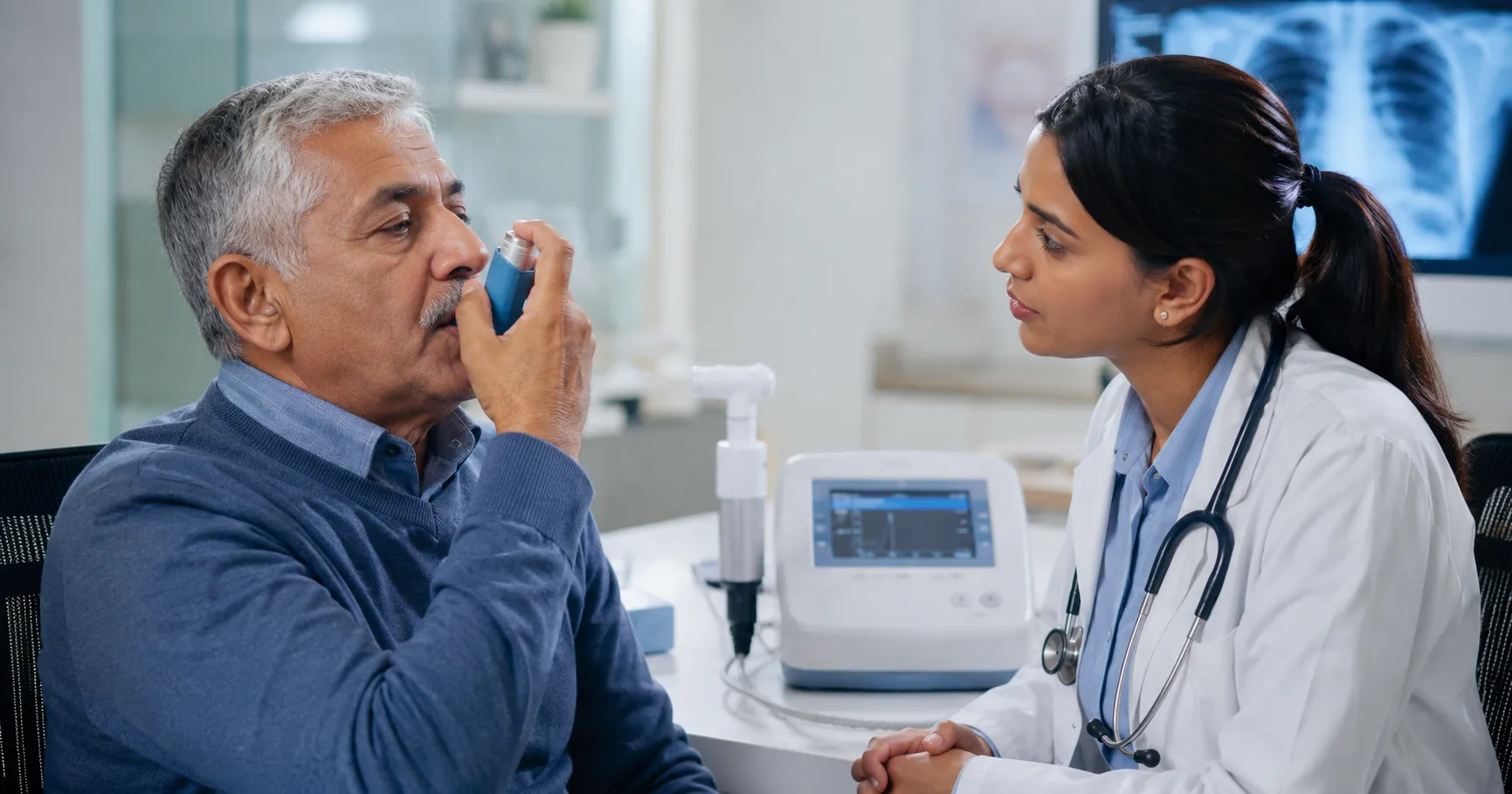
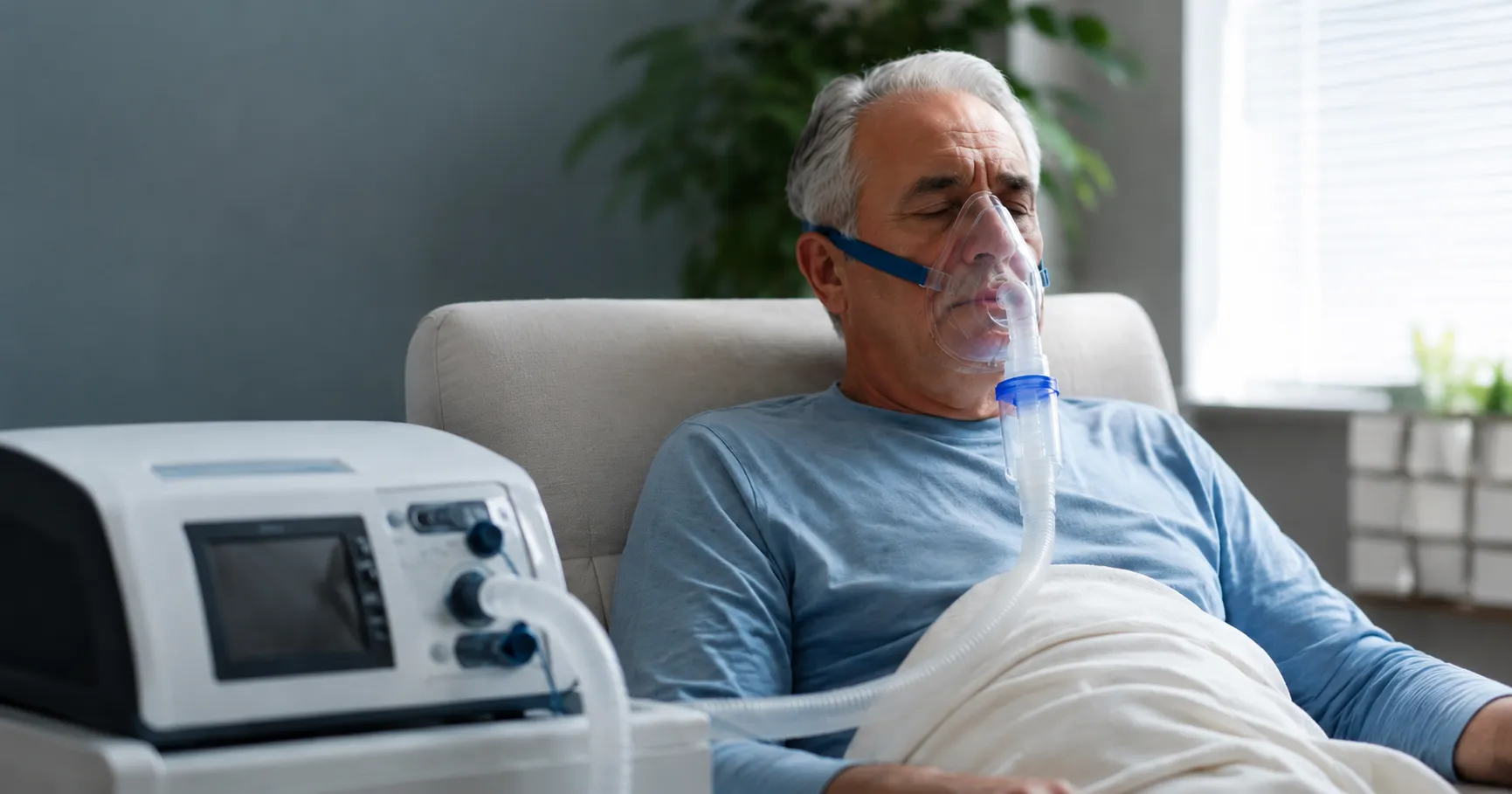
Long-acting bronchodilators — cornerstone of emphysema care. Relax the airway smooth muscle. Reduce air trapping. Every day. Do not reverse structural damage. Make breathing easier by reducing air trapping. On one breathes more efficiently. Not on one — fighting with one hand tied. Nebulisers deliver bronchodilator as a fine mist when the patient cannot coordinate an inhaler. Inhaler technique failed. Flow too weak for a dry powder device. Nebuliser at home instead. Bronchodilator nebulised. Airways open. The next breath easier. Breathing equipment manufacturers wanting to list nebulisers, oxygen units, and breathing support devices where GP surgeries and home care providers are searching can reach buyers through the Medigear advertising platform.
Long-Term Oxygen Therapy
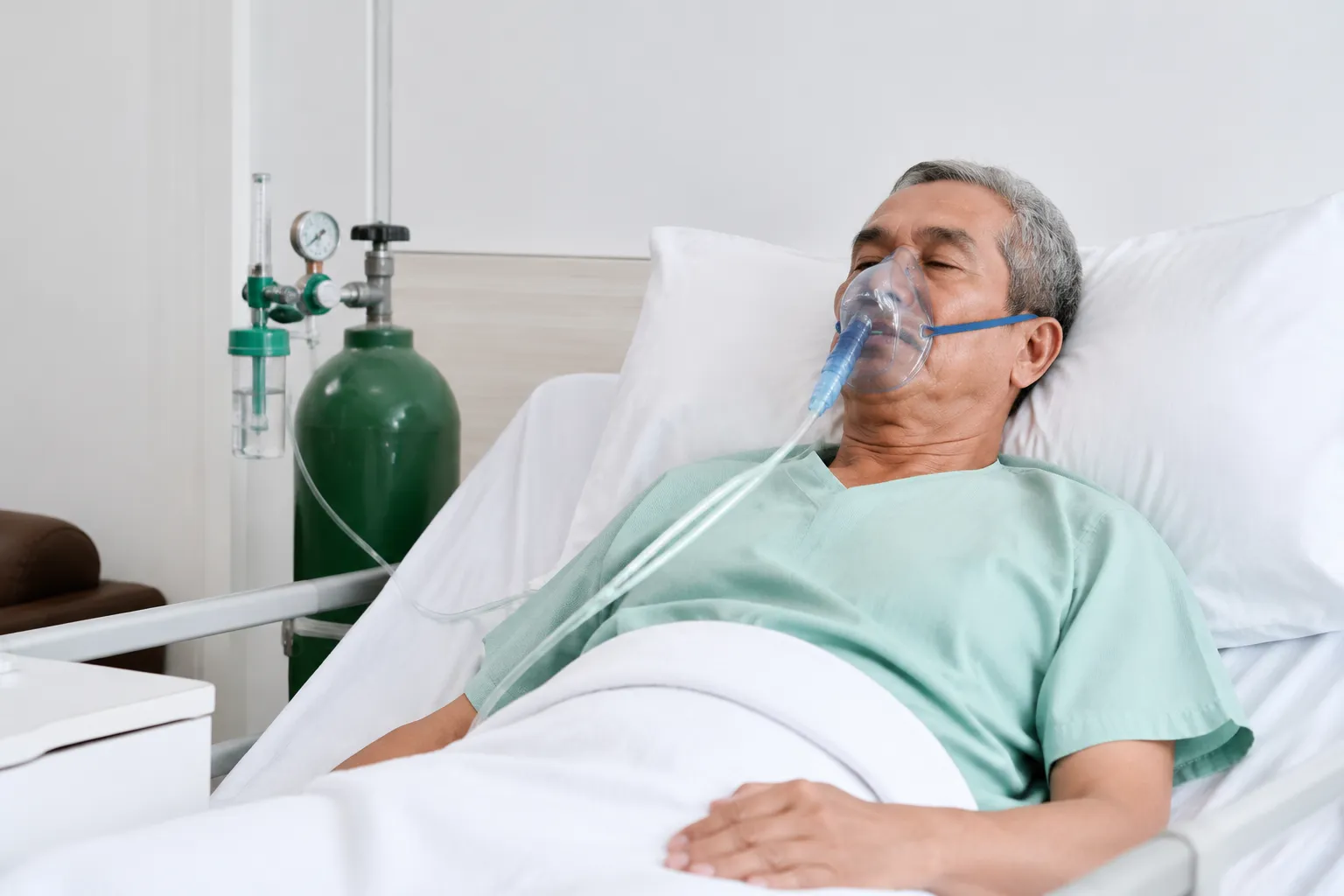
Long-term oxygen therapy — LTOT. Prescribed when resting arterial oxygen falls below a set threshold. In the UK, PaO2 below 7.3 kPa on two measurements six weeks apart. Or below 8 with cor pulmonale. LTOT must be used for at least fifteen hours per day. Not twelve. Not ten. The survival benefit requires fifteen. Oxygen unit — standard home device. Extracts oxygen from room air. No cylinder. Runs from the mains. Portable units let the patient leave home while on therapy. Clinic appointments. Family visits. A walk. All becomes possible. Reach out to our team for guidance on oxygen unit supply and home oxygen equipment for your patients.
Pulse Oximeters
Pulse oximeters let patients and carers monitor SpO2 at home. Checking SpO2 at rest. During exertion. During sleep. Is therapy working? Does the dose need review? Below eighty-eight on the prescribed flow. The GP needs to know. Carer watching overnight — SpO2 dipping. Not guessing. Measuring. Our guide to surgical suction devices covers equipment used in acute respiratory settings — the same monitoring discipline that applies to suction equipment maintenance also applies to ensuring home pulse oximeters are calibrated, charged, and used correctly by the patient and carer every day.
PEP Devices
PEP devices help emphysema patients clear secretions from the airways. Emphysema reduces elastic recoil. Mucus accumulates. Cannot be cleared by coughing alone in many patients. PEP creates resistance during exhalation. Pressure opens collapsed airways. Mucus loosens. The cough that follows clears what the airways could not. Daily — morning and evening. Prevents the buildup that becomes a flare. Then pneumonia. Then the hospital. Our guide to electrosurgical units covers the theatre technology used when emphysema progresses to surgical intervention — bullectomy or lung volume reduction surgery — where the same standards of intraoperative monitoring that apply to electrosurgical equipment apply to the respiratory monitoring of the emphysema patient under general anaesthesia.
NIV
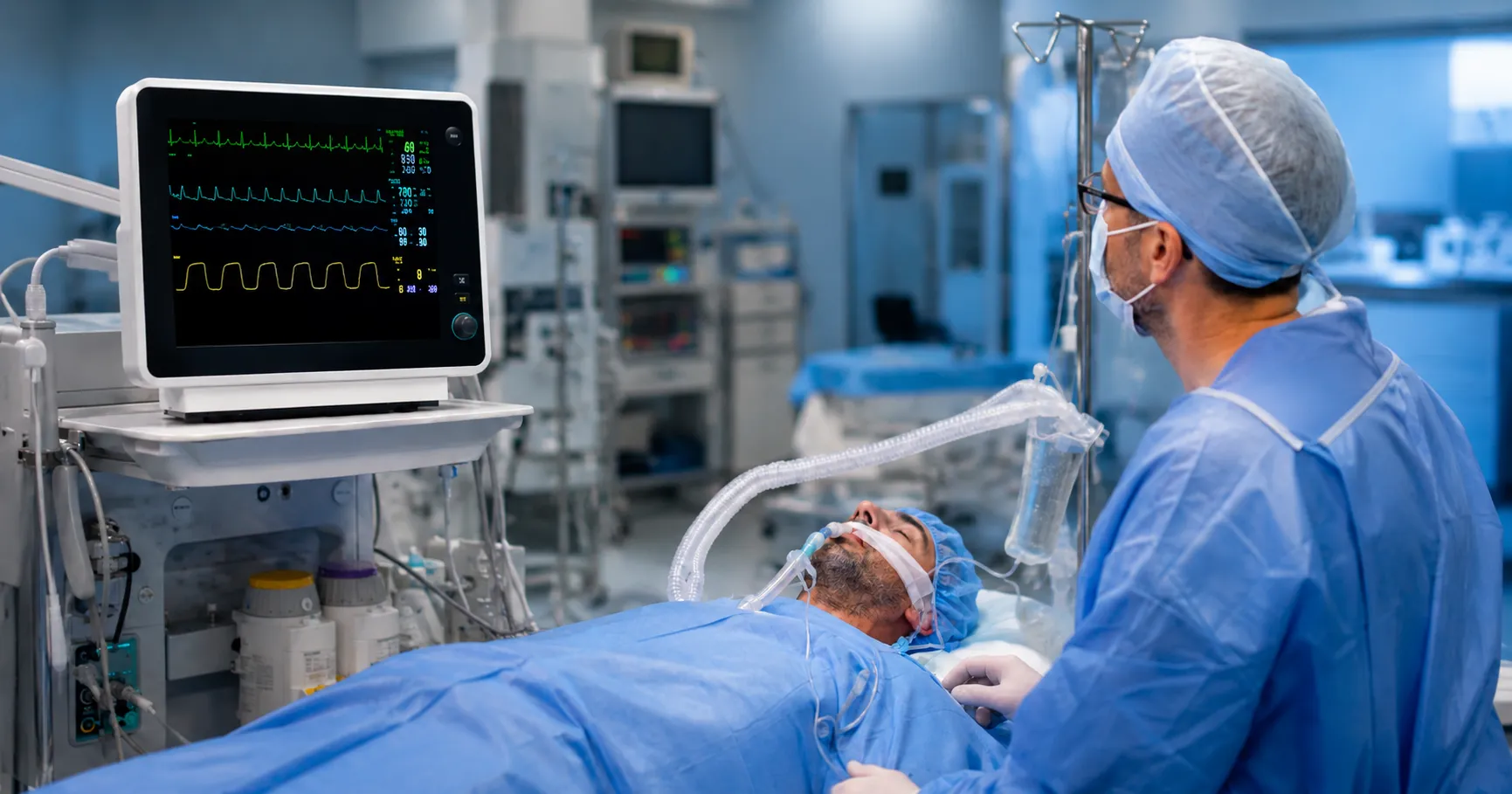
NIV is used in emphysema patients admitted with hypercapnic breathing failure. During acute exacerbations. Retaining CO2 during a flare. Rising PaCO2. Falling pH. Oxygen is not enough. NIV delivers pressurised air through a tight-fitting mask. BiPAP supports each breath in. Reduces the work of breathing. CPAP is less used than BiPAP in emphysema. BiPAP assists inspiration and lowers expiratory pressure. Reduces CO2 retention and work of breathing. Responds to NIV — avoids intubation. Intubation in severe emphysema carries real risk. NIV keeps that away.
Handheld Fans
Handheld fans reduce the sense of breathlessness. In emphysema patients. And in COPD more broadly. Not a placebo. Airflow across the face stimulates the trigeminal nerve. Reduces the sensation of breathlessness. Breathless despite medicine and oxygen. A handheld fan reduces the distress. Small. Cheap. Effective. Overlooked by most. Manages the symptom medicine and oxygen that cannot fully reach. Suppliers of oxygen units, nebulisers, PEP devices, pulse oximeters, NIV machines, and portable oxygen equipment can register through the Medigear supplier portal to connect with hospitals, GP surgeries, and home care providers building emphysema care pathways.
Inhaler Technique
Does your team review inhaler technique at every visit? Not just on initiation. Dry powder inhaler. Cannot generate enough flow to activate it. No medicine is being received. Metered-dose inhaler without a spacer. Most of the dose lands in the mouth and throat. Right medicine. Wrong device use. Looks resistant to treatment. Actually device-incompatible. Technique reviewed. Equipment matched to the patient's actual ability. Companies seeking long-term collaboration on emphysema equipment supply, home tracking, and breathing care programmes can explore the Medigear partnership programme for ongoing opportunities beyond a single order.
Cor Pulmonale
Does your team check for cor pulmonale at each review? Ankle swelling. Raised JVP. Loud pulmonary second sound. Cor pulmonale — LTOT needed even if PaO2 is between 7.3 and 8 kPa. Missing the signs delays treatment.
Emergency Action Plan
Can your emphysema patients follow their emergency plan without help? First sign of a flare — increased breathlessness, change in sputum, fever — patient starts rescue medicine. Oral prednisolone. Antibiotics if the sputum is purulent. Nebuliser more often. They do not wait to be seen. They act. Stable — continue treatment. Flare — start rescue pack. Purulent sputum — add antibiotic. Not improving at forty-eight hours — call the GP. Breathing rate above thirty, lips blue, confusion — call 999. One plan. Clear thresholds. Understood and followed — reduces hospital admissions. Sitting in a drawer — does not.
Breathlessness at Every Activity
What does your team do for the emphysema patient who is breathless with any activity — showering, dressing, walking to the bathroom? Breathing techniques. Pursed lip breathing slows exhalation and reduces air trapping. Leaning forward on the arms uses the diaphragm more effectively. Energy conservation. Taught by physio and OT teams. Handheld fan. Grab rails. Shower chair. All part of the daily plan. Not an afterthought.
Nutrition
Does your clinic assess nutrition in every patient with emphysema? A person with severe emphysema uses more energy to breathe than a healthy person does in moderate exercise. Weight loss is common. Low BMI in emphysema is an independent risk factor for poor outcomes. Losing weight means losing muscle. Including breathing muscles. Cannot maintain adequate nutrition. Dietitian input. Now.
Ambulatory Oxygen
How does your team manage the emphysema patient not yet eligible for LTOT but whose SpO2 drops on exercise? Ambulatory oxygen. A portable cylinder or unit is used during the activity. Prevents desaturation that limits rehab. Cannot walk far enough for rehab — exercise desaturation. Ambulatory oxygen extends the range. Not the same as LTOT. Prescribed differently. Equally important for the patient who needs it.
Lung Volume Reduction
Can your team identify the emphysema patient suitable for lung volume reduction? Upper lobe disease. Significant air trapping. FEV1 above twenty percent. Good exercise capacity after rehab. Physiologically suitable. Reduces air trapping and improves mechanicalics for those who cannot achieve adequate function on medicines alone. Referral to a specialist centre. Not every patient is suitable. Those who are — deserve the assessment.
Housebound Patients
What does your clinic do for the emphysema patient who cannot attend for reviews? Home visits by the specialist nurse. Remote SpO2 readings. Telephone review. Video consultation. Cannot leave the house. Still needs review. Just delivered differently. The service that cannot reach the housebound patient has failed that patient.
Why Choose Medigear
Medigear supplies certified oxygen units, portable oxygen devices, nebulisers, PEP devices, pulse oximeters, NIV machines, and handheld fans to hospitals, GP surgeries, and home care providers across the UK. Whether equipping a respiratory clinic, supporting a patient newly on home oxygen, or building a home programme for emphysema — our team matches the right breathing equipment to the patient and the stage of their disease. Reach out to our team for guidance built around the lung that has lost its architecture — and the equipment that keeps it working despite that.
Conclusion
What is the lung disease that destroys the air sacs permanently? Emphysema. Structural. Irreversible. Progressive. She was sixty-three. FEV1 thirty-eight percent. CT — bilateral upper lobe emphysema. Long-acting bronchodilators. Pulmonary rehab. Home oxygen. Six months later — end of the road without stopping. Not cured. Functional. Long-acting bronchodilators for every patient. Nebuliser when the inhaler fails. LTOT for fifteen hours per day — survival depends on it. Oxygen unit at home. Portable unit to leave the house. Pulse oximeter — measuring, not guessing. PEP device every morning and evening. NIV for the hypercapnic flare. BiPAP over CPAP. Handheld fan for the symptom that medicine cannot fully reach. Review inhaler technique at every visit. Check for cor pulmonale. Teach the emergency plan. Assess nutrition. Ambulatory oxygen for exercise desaturation. Refer for lung volume reduction when eligible. Reach the housebound patient. Medigear stands alongside respiratory teams and home care providers with certified breathing equipment for every stage of emphysema. Speak to our team today — because the lung that has lost its architecture still deserves equipment that gives it every possible chance.
⚠️ This post is for general information only. We do not sell medications or provide prescriptions — Medigear.uk is a medical equipment supplier only.