
Introduction
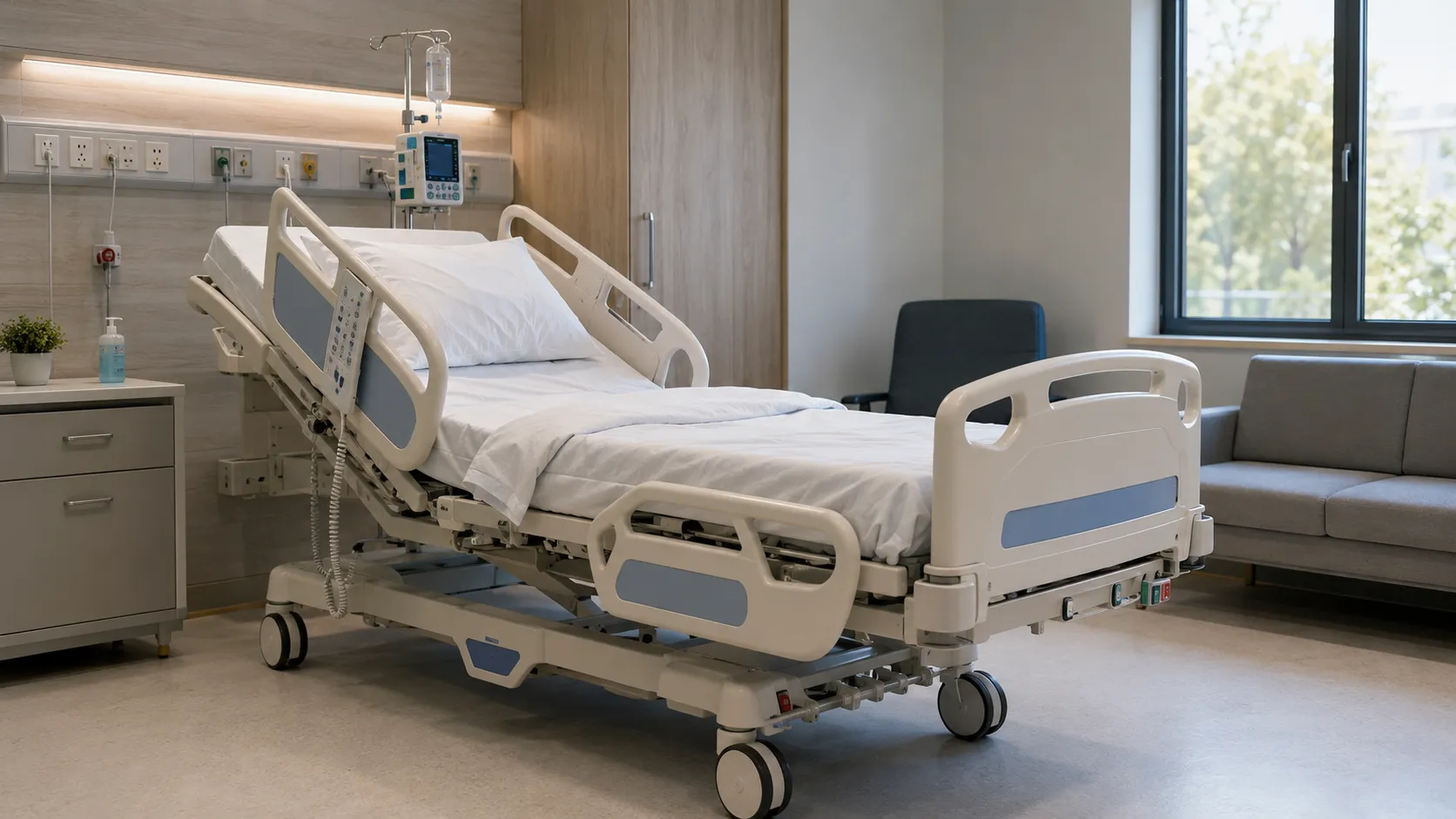
The hospital bed is the most overlooked piece of equipment in the building. A patient may spend almost their entire stay in it, yet for most of history the bed did nothing but hold them. The smart bed changes that quietly, turning a passive frame into something that senses, reports and helps protect the person lying on it. This article looks at how smart beds are transforming patient care, and what a hospital should consider before investing in them.
A bed that pays attention
A smart bed is, at its simplest, a bed that can sense and share. It may detect whether a patient is present, how they are positioned, or whether they are trying to get up. Some can weigh a patient without moving them, or track how long they have stayed in one position. On their own, these are small facts; connected to the ward's systems, they become early signals — of a fall about to happen, of pressure building on the skin, of a patient who needs attention that no one has yet been called to give.
Where smart beds help most
-
Pressure injuries. By tracking position and time, a smart bed helps prevent pressure ulcers caused by prolonged stillness.
-
Falls. Sensing when a patient tries to leave the bed lets staff reach them before a fall, not after.
-
Monitoring. Some beds contribute vital signs or movement data to the wider picture without disturbing the patient.
-
Workload. Automatic sensing spares some of the routine checking that fills a nurse's round.
The pressure injury problem
Pressure ulcers are a good example of why smart beds matter. They develop when a patient stays in one position too long; they cause real suffering, and they are largely preventable with timely repositioning — which is exactly what busy wards struggle to keep up with. Clinical guidance such as NICE's guideline on preventing and managing pressure ulcers stresses regular repositioning and the use of pressure-redistributing equipment. A smart bed supports both, quietly tracking how long a patient has been still and prompting a change before damage begins. It does not replace care; it ensures care happens on time.
A passive bed versus a smart bed
|
Passive bed |
Smart bed |
|---|---|
|
Holds the patient |
Senses and reports |
|
Falls found after they happen |
Fall risk flagged in advance |
|
Repositioning by memory |
Repositioning prompted on time |
|
Adds nothing to the record |
Feeds the wider picture |
Part of a connected ward
A smart bed reaches its full value when it is not an island. The signals it produces — a patient rising, a position held too long — matter most when they reach the right staff at the right moment, which means the bed should connect into the ward's wider systems, as NHS England's connected digital systems envisage. A bed that senses but cannot share is only half a smart bed. As with any connected device, its data must also be handled securely, and the equipment itself must be robust and properly maintained.
What to weigh before you buy
-
Which signals matter to you? Match the bed's sensing to the risks your patients actually face.
-
Does it connect to the ward? A smart bed's value depends on its signals reaching staff who can act on them.
-
Are alerts sensible? Too many false alarms and staff stop trusting them; tuning matters.
-
Is it robust and safe? A bed is used constantly for years, so durability and approval come first.
The bottom line
Smart beds transform patient care by making the most-used object in a hospital pay attention. By sensing position, presence and movement, and by sharing what they sense, they help prevent pressure injuries, catch falls before they happen and lighten the routine checking that fills a ward round. The gains are real, but they depend on the bed connecting to the wider ward, raising alerts staff can trust, and being robust and safe in the first place. Chosen well, a smart bed is not a luxury — it is a quiet, constant guardian for the patient who spends their whole stay in it.
More from Business
-
Buyers — source approved, well-documented equipment.
-
Suppliers — list your equipment and reach buyers worldwide.
-
Advertise — promote your products and services to a clinical audience.
-
Business overview — explore everything MediGear offers healthcare organisations.
Disclaimer
This article is for general information only and does not constitute clinical, procurement, regulatory, security or legal advice. Smart beds, connected patient care, and the standards and rules that govern them are evolving, and requirements vary by market and change over time. Cybersecurity and interoperability requirements should always be confirmed with the relevant authorities. Always consult qualified clinical, biomedical engineering, information governance and security professionals for decisions specific to your organisation. medigear.uk accepts no liability for actions taken based on this content.
Equip the connected bedside.
Genuine, approved, fully documented medical equipment — the reliable hardware a smart, connected hospital is built on, wherever you work.
Frequently Asked Questions
A smart bed is a hospital bed that can sense and share information about the patient in it. It may detect presence, position or movement, weigh a patient without moving them, or track how long they have stayed still. Connected to the ward's systems, these small facts become early signals of risks such as falls or developing pressure injuries.
They help in four main ways: tracking position and time to prevent pressure ulcers, sensing when a patient tries to get up so staff can prevent a fall, contributing movement or vital-sign data to the wider picture without disturbing the patient, and sparing some of the routine checking that fills a nurse's round. In each case, the bed ensures care happens on time.
Yes. Pressure ulcers develop when a patient stays in one position too long and are largely preventable with timely repositioning, which busy wards struggle to keep up. Clinical guidance stresses regular repositioning and pressure-redistributing equipment; a smart bed supports both by tracking stillness and prompting a change before damage begins. It supports the care rather than replacing it.
They can help. By sensing when a patient is trying to leave the bed, a smart bed allows staff to reach them before a fall, rather than after. The benefit depends on the alert reaching the right person quickly, so the bed must connect into the ward's systems and its alarms must be sensibly tuned to stay trustworthy.
Because a bed that senses but cannot share is only half a smart bed. Its signals — a patient rising, a position held too long — matter most when they reach the right staff at the right moment, which requires the bed to connect into the ward's wider systems. As with any connected device, its data must also be handled securely.
Match the bed's sensing to the risks your patients actually face, confirm it connects into the ward so its signals reach staff who can act, and check that alerts are sensible and tunable. Hence, they remain trusted and ensure the bed is robust, durable and properly approved. A bed is used constantly for years, so reliability and safety come first.