
Introduction
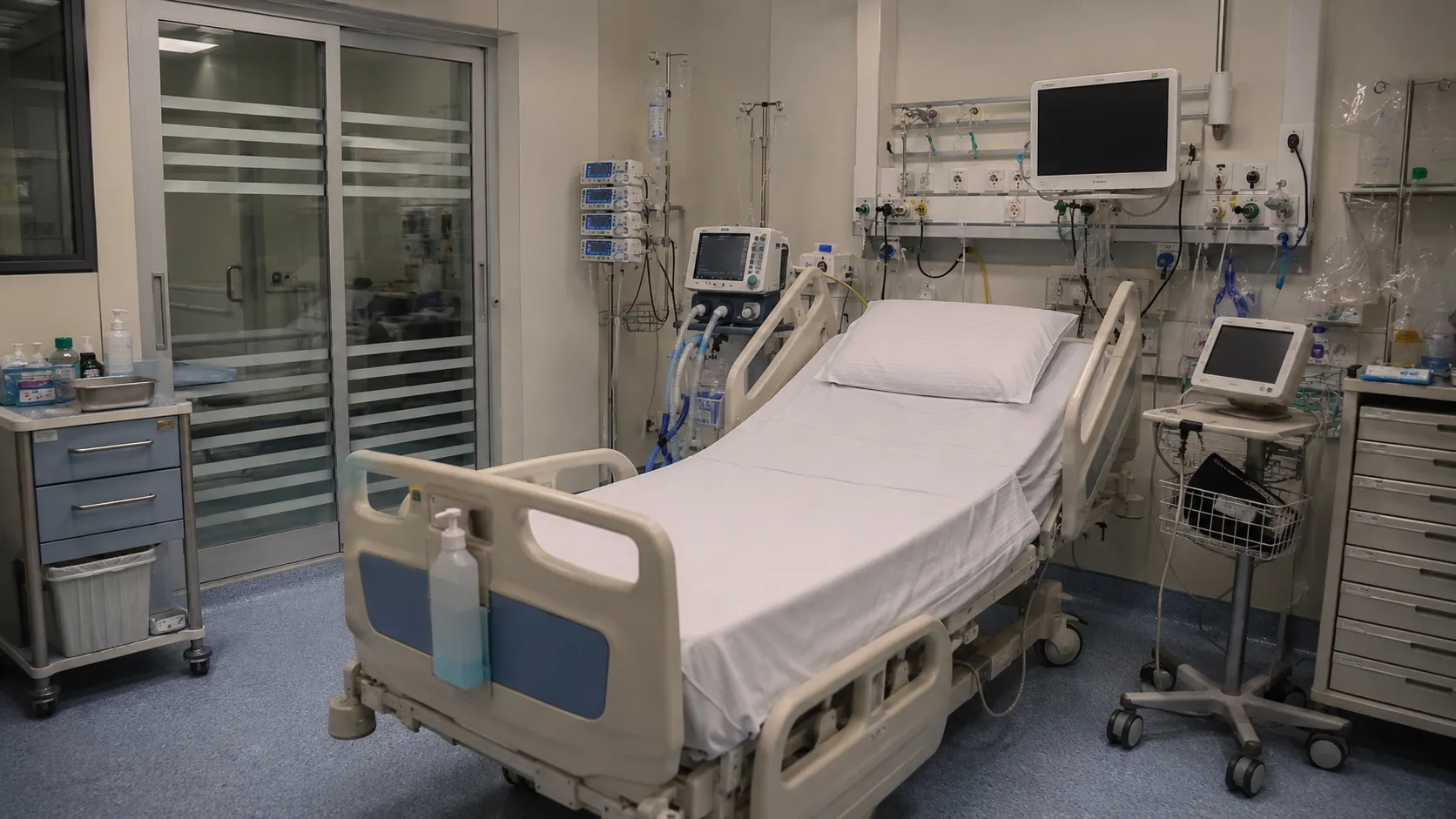
An intensive therapy unit, also called intensive care, looks after patients whose organs are failing or at risk of failing. Care is built around the bed space: a single, heavily equipped position where one patient can be ventilated, monitored continuously, given multiple drug infusions and supported through the failure of one or more organ systems. Nursing is usually one-to-one, and the equipment has to match that intensity.
Equipping an ITU is best thought of as equipping a repeatable bed space and then multiplying it, rather than buying a list of machines. Each space needs ventilation, full physiological monitoring, several infusion channels, and access to organ-support devices, all arranged so a nurse can see and reach everything. This intensive therapy unit equipment buyer guide outlines what a bed space includes, how to plan the purchase, and the compliance and support questions that matter. It is written for critical care teams, biomedical engineering and procurement across the UK, Europe, the US, the Gulf and South Africa.
What defines an ITU bed space — the short version
-
A ventilator and airway support, because respiratory failure is the most common reason for admission.
-
Continuous, multi-parameter monitoring, so deterioration is caught in real time.
-
Several infusion channels and organ-support devices, arranged around a critical care bed within reach of the nurse.
Start with the bed space, not the machine list.
The most useful way to plan an ITU is to design one complete bed space and standardise it. Get the position right — bed, ventilator, monitor, infusion devices, pendant or bedhead services, and space to work on all sides — and you have a template you can repeat across the unit. Standardising also makes training, maintenance and stock control far simpler, because every space behaves the same way.
Within that space, the ventilator and the monitor are the anchors. The ventilator must cover the modes your patient group needs, from full control to weaning support. The monitor must handle multiple parameters at once and feed into the unit's central station so staff can watch every bed from one place. Everything else — pumps, suction, warming, organ support — arranges around those two.
What an ITU bed space needs
-
Ventilator. Invasive and non-invasive modes, covering full support through to weaning.
-
Patient monitor. ECG, invasive and non-invasive pressures, SpO2, capnography and temperature.
-
Infusion and syringe pumps. Several channels per bed for sedation, vasoactive drugs and fluids.
-
Critical care bed. Pressure-relieving, tilting, with weighing and easy positioning.
-
Suction and oxygen. Reliable wall or cylinder supply with backup at every space.
-
Organ support. Access to renal replacement therapy and, in some units, cardiac support.
-
Central monitoring station. One place to watch every bed and hold alarms.
-
Resuscitation and emergency kit. Defibrillator and stocked trolley immediately available.
The equipment checklist
|
Equipment |
Role at the bed |
Key selection point |
|
Ventilator |
Respiratory support |
Mode range; weaning tools; alarms |
|
Patient monitor |
Continuous physiology |
Parameters; central station link |
|
Infusion pumps |
Controlled drug delivery |
Channels per bed; drug library |
|
Critical care bed |
Positioning and pressure care |
Tilt; weighing; pressure relief |
|
Renal replacement |
Organ support |
Therapy modes; ease of setup |
|
Central station |
Unit oversight |
Beds supported; alarm handling |
|
Defibrillator |
Emergency response |
Readiness; staff familiarity |
How to plan the purchase
-
Define the case mix. General, cardiac, neuro or mixed critical care each shapes the monitoring and support needed.
-
Design one complete bed space, then standardise and multiply it across the unit.
-
Choose ventilator and monitor first; specify the central station they feed at the same time.
-
Match infusion channels to your typical drug regimens, with headroom for the sickest patients.
-
Confirm regulatory approval and documentation for every device before committing.
-
Agree servicing, training and installation with the supplier in writing before the order.
Alarms, interoperability and safe design
An ITU is a noisy place, and alarm fatigue is a real safety risk. When you standardise a bed space, standardise the alarm strategy with it, so staff learn one consistent pattern rather than several. Monitors and ventilators from the same platform, feeding a shared central station, make that far easier and reduce the chance ofmissing a critical alard.
Interoperability matters beyond alarms. Devices that pass data into the electronic record cut manual charting and error, and a consistent platform simplifies training and maintenance. Resuscitation Council UK guidance informs the emergency provision at every bed, and NICE guidance informs the standards a critical care service is expected to meet.
Compliance and documentation
Every device must be approved for the market where it is used — UKCA, CE marking under the EU MDR, FDA clearance or the relevant national approval — with complete, current documentation. Ventilators and organ-support devices are higher-risk and carry stricter evidence requirements. Ask suppliers for certification mapped to your market, confirm ISO quality standards sit behind manufacturing, and check current requirements with the MHRA or your national authority before committing.
Support keeps the unit safe.
-
Failure is immediate. A ventilator or monitor fault at the bedside is a patient-safety event, so support has to be dependable.
-
Response times, in writing. Ask what fault response the supplier commits to and whether engineers cover your region.
-
Loan and backup. Confirm how quickly a replacement device reaches the bedside when one fails.
-
Training included. Nursing, medical and technical staff all need it, and units turn over staff constantly.
-
Software and security. Connected monitors and pumps need update commitments agreed before you order.
Settle each of these before you commit, and get the answers in writing rather than as verbal assurances.
More from Business
-
Buyers — source compliant, fully documented equipment.
-
Suppliers — list your equipment and reach buyers worldwide.
-
Advertise — promote your products and services to a clinical audience.
-
Business overview — explore everything MediGear offers healthcare organisations.
Disclaimer
This article is for general information only. It does not constitute clinical, procurement, legal or regulatory advice. Equipment requirements for an intensive therapy unit vary by service, facility, country and market, and change over time. Always confirm current requirements with the relevant authorities, and consult qualified clinical, biomedical engineering, procurement and regulatory professionals for decisions specific to your organisation. medigear.uk accepts no liability for actions takenbased onf this content.
"Around every bed" Critical care kit you can rely on.
We supply medical equipment to healthcare organisations across the UK, Europe, the US, the Gulf and South Africa. Everything is genuine, documented and supported, so your unit runs safely from the first admission.
Frequently Asked Questions
Care in an ITU is built around a heavily equipped bed space. Each space needs a ventilator with invasive and non-invasive modes, a multi-parameter patient monitor, several infusion and syringe pumps, a pressure-relieving critical care bed, reliable suction and oxygen, and access to organ support such as renal replacement therapy. A central monitoring station lets staff watch every bed, and resuscitation equipment must be immediately available.
Because an ITU is really a set of identical, heavily equipped positions, designing one complete bed space and standardising it gives you a template to repeat across the unit. Standardisation simplifies training, maintenance, stock control and the alarm strategy, because every space behaves the same way and staff learn one consistent pattern.
An ITU ventilator should cover the full range its patients need, from complete controlled ventilation for the sickest patients through to non-invasive support and weaning modes as they recover. Clear alarms and good weaning tools matter, as does compatibility with the wider platform so data reaches the central station and the record.
It varies with the patient, but critically ill patients often need several drugs running at once — sedation, vasoactive agents and fluids — so each bed typically needs multiple infusion and syringe channels. Plan channel numbers around your typical regimens with headroom for the sickest patients, and a drug library helps reduce error.
Yes. Every device must be approved for the market where it is used, correctly classified and fully documented. Ventilators and organ-support devices are higher-risk and carry stricter evidence requirements. Confirm current requirements with the relevant national authority before committing to any purchase.
Because a bedside device failure is a patient-safety event, support must be dependable. Check the servicing and maintenance offered, the fault response times committed to, and whether engineers cover your region. Ask how quickly a replacement reaches the bedside, what training is included for nursing, medical and technical staff, and what software and security update commitments apply. Get it in writing.