
Thermal Engineering for Medical Devices: Balancing Heat, Safety and Size
Watlow’s Andy Selvy explains how makers balance temperature control, electrical safety and compact size in medical devices and diagnostic instruments, from PCR cycling to dialysis.
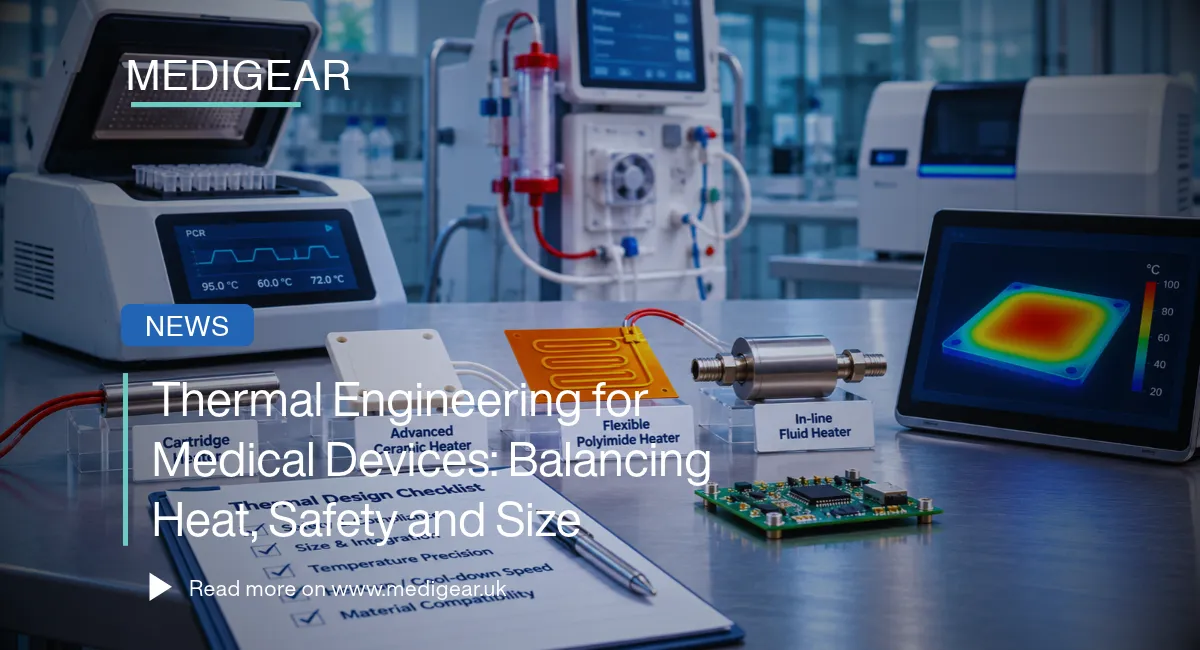
Thermal engineering for medical devices is becoming a core design task as equipment shrinks. Andy Selvy, principal product manager at Watlow, says tests once run in laboratories now happen in clinics and ambulances. Therapies such as dialysis are also moving beyond hospital walls. Smaller, portable kits still need precise temperature control. This makes thermal engineering for medical devices harder.
Competing design demands
Selvy sets out several demands that engineers must meet together. Safety comes first. Devices must meet strict standards on leakage current and insulation, which protect patients and operators.
Size matters because portable systems leave little room. Precision matters because small temperature shifts can change how a chemical reaction behaves or how accurate a test is. Speed matters because many tests rely on fast heating and cooling. Materials must also resist corrosion and cleaning chemicals.
These needs pull against each other. Extra protection can add bulk. Faster heating needs more power, which makes safety limits harder to meet.
Where heat shapes results
In molecular diagnostics, polymerase chain reaction (PCR) copies DNA by cycling between set temperatures. Those cycles must be quick and consistent. Large laboratory analysers handle thousands of samples a day. Steady temperatures help keep their results reliable.
Therapy has similar needs. Haemodialysis equipment must keep fluids close to body temperature for comfort. It must also reach higher temperatures for cleaning and sterilisation.
Matching heaters to the job
Selvy describes four heater types, each suited to a different job. Cartridge heaters fit small, tightly built assemblies. Advanced ceramic heaters heat and cool quickly, which suits rapid thermal cycling. Flexible polyimide heaters are thin and can wrap around complex shapes. In line fluid heaters warm liquids that flow through a system.
Why a systems approach matters
Heaters, sensors, controllers and power electronics all affect one another. A heater can meet its leakage current limit yet still use most of the electrical budget, leaving less room for other parts. Selvy argues that teams should plan heating, sensing and control together. He says this should start early in design, with thermal specialists working beside device engineers.
Why it matters
Thermal engineering for medical devices touches accuracy, reliability and patient safety. The article comes from a Watlow executive, so its advice reflects the company's own view. Medigear.uk helps laboratory and clinical buyers compare verified suppliers. Buyers can ask makers how heating choices affect size, power use and safety margins. UK buyers should also check MHRA requirements for each device.
Source: Medical Device Network
Sourcing medical equipment?
Tell us the model and destination — our sourcing team will respond within one business day.

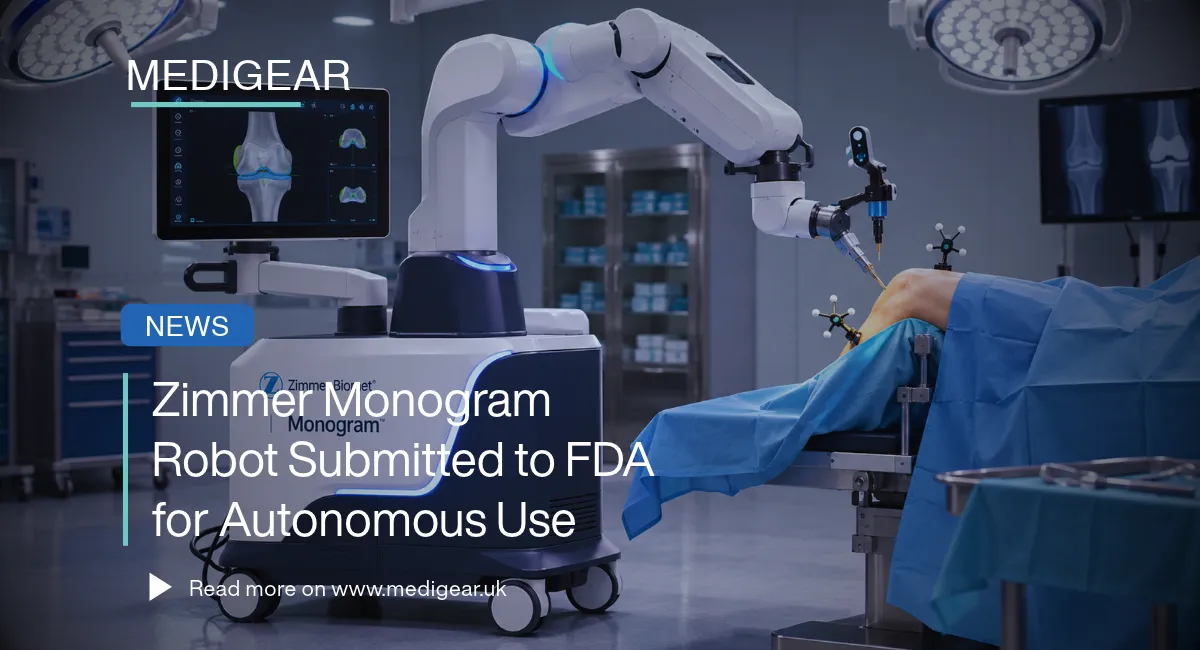
Zimmer Monogram Robot Submitted to FDA for Autonomous Use
The Zimmer Monogram robot is now with US regulators. Zimmer Biomet has filed a 510(k) submission for…

Abbott Encantor Trial Starts for Balloon Expandable Aortic Valve
The Abbott Encantor trial has begun. Abbott said on Thursday that it has started the VOYAGER CE clin…
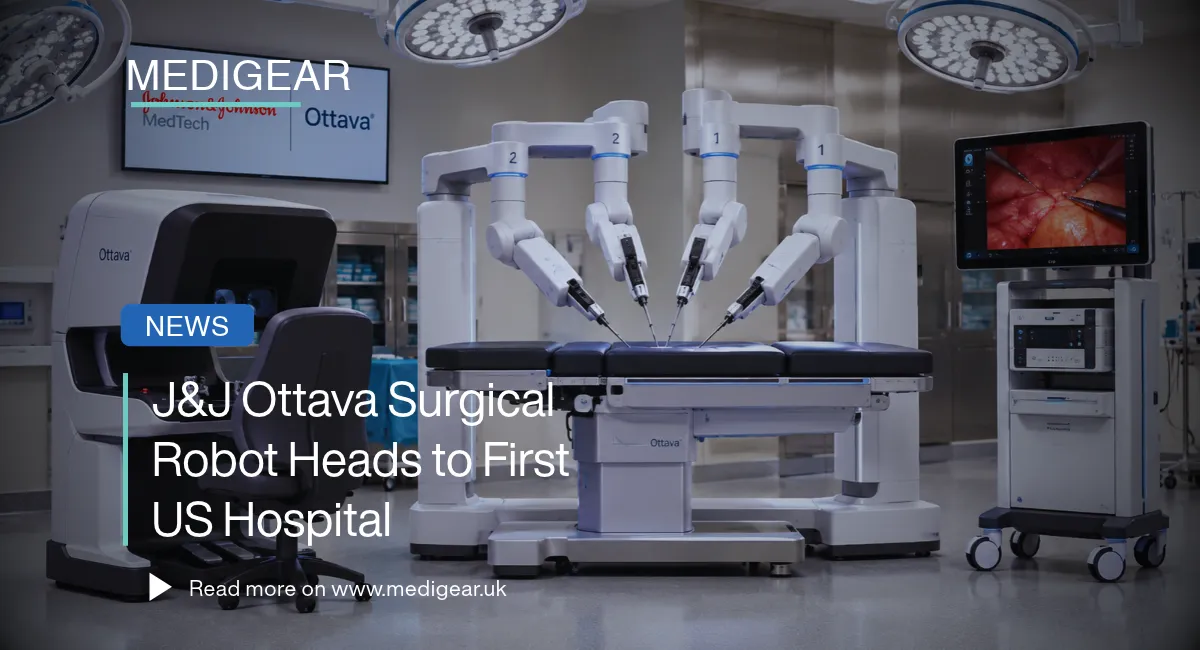
J&J Ottava Surgical Robot Heads to First US Hospital
Johnson & Johnson (J&J) said on Thursday that a Houston hospital will be the first to instal…
Medical device news, once a week.
Approvals, trials, recalls and market moves — the essentials for procurement and clinical teams.