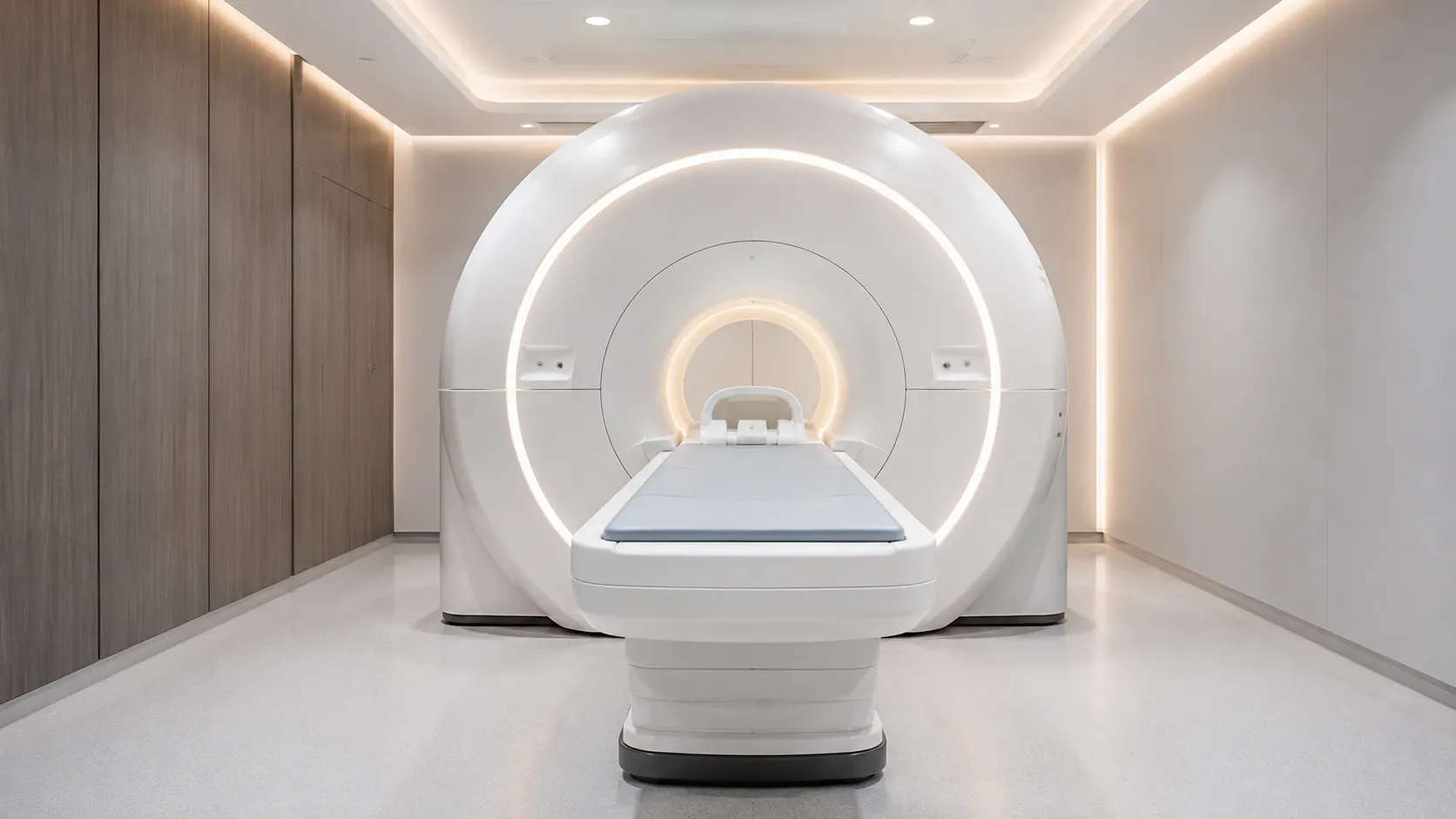
Modern eye care depends on precise diagnostic technology to detect and monitor changes in ocular structures. Among the most significant innovations in ophthalmic imaging is the Optical Coherence Tomography (OCT) system. This non-invasive imaging technology provides detailed cross-sectional views of the retina and other eye structures, helping healthcare professionals gather valuable clinical information during routine examinations and specialised assessments.
OCT systems have become common in ophthalmology and advanced eye care practices because they produce high-resolution images within seconds while maintaining patient comfort. As diagnostic capabilities continue to expand, clinics and healthcare facilities are increasingly considering OCT technology as part of their long-term equipment strategies.
Healthcare organisations exploring ophthalmic technology investments can benefit from the procurement resources available through Medigear.uk's buyers platform.
What Is an Optical Coherence Tomography System?
An Optical Coherence Tomography system is an advanced imaging device that uses light waves to create detailed cross-sectional images of biological tissues, particularly the retina.
Unlike traditional imaging methods, OCT provides depth information, allowing healthcare professionals to visualise multiple tissue layers.
Creating High-Resolution Images – OCT technology captures microscopic structural details while remaining entirely non-invasive.
The system is commonly used during comprehensive eye examinations and specialised ophthalmic evaluations.
How OCT Technology Works
The principle behind OCT resembles ultrasound imaging, but instead of sound waves, the system uses reflected light.
The imaging process typically involves:
-
Light projection.
-
Reflection from tissue structures.
-
Signal processing.
-
Cross-sectional image generation.
-
Digital analysis and storage.
Delivering Rapid Imaging Results – Modern OCT systems can acquire detailed scans in just a few seconds, improving clinical workflow efficiency.
Main Components of an OCT System
Several integrated parts contribute to OCT performance.
Light Source- Provides the optical beam used for imaging.
Scanning Unit- Directs the light across the target tissue.
Detection System- Captures reflected signals.
Processing Software- Converts optical data into high-resolution images.
Display Interface- Allows healthcare professionals to review and compare scans.
Many systems also integrate with digital patient management platforms.
Areas Commonly Examined Using OCT
OCT technology supports imaging of several ocular structures.
These include:
-
Retina.
-
Macula.
-
Optic nerve.
-
Cornea.
-
Anterior chamber.
Supporting Comprehensive Eye Assessments – Detailed structural imaging provides additional clinical information during patient evaluations.
Different Types of OCT Systems
Several OCT technologies are available for healthcare facilities.
Spectral Domain OCT- Offers high-speed retinal imaging with excellent resolution.
Swept Source OCT- Uses longer wavelengths to image deeper ocular structures.
Anterior Segment OCT- Designed for imaging the front portions of the eye.
OCT Angiography- Provides a detailed visualisation of retinal blood vessels without the use of contrast dyes.
Healthcare providers evaluating various imaging platforms may also benefit from exploring qualified equipment suppliers via Medigear.UK's supplier.
Practical Advantages of OCT Systems
Modern OCT technology offers several operational benefits.
Improving Image Quality – Advanced scanning technology provides detailed anatomical information.
Supporting Efficient Workflow – Fast image acquisition reduces examination time.
Enhancing Digital Documentation – Electronic storage simplifies long-term record management.
Promoting Patient Comfort – Non-contact imaging minimises discomfort during examinations.
Facilitating Follow-Up Comparisons – Serial imaging supports longitudinal patient monitoring.
Considerations Before Purchasing an OCT System
Selecting an OCT system requires careful planning.
Important factors include:
-
Clinical service requirements.
-
Patient volume.
-
Image resolution.
-
Scanning speed.
-
Software compatibility.
-
Data storage.
-
Future upgrade options.
-
Service agreements.
-
Staff training requirements.
Healthcare organisations planning long-term expansion of ophthalmic services may also explore collaborative opportunities with Medigear.uk's partners.
Keeping OCT Systems Operating Efficiently
Routine maintenance supports consistent imaging quality.
Protecting Optical Components – Cleaning lenses and optical surfaces helps maintain image clarity.
Maintaining Calibration Standards – Scheduled servicing preserves measurement accuracy.
Updating Software Platforms – Software improvements may enhance functionality and security.
Training Clinical Staff – Proper operation reduces user-related errors and downtime.
Healthcare facilities should establish preventive maintenance schedules in accordance with manufacturer recommendations.
Emerging Trends in OCT Technology
OCT technology continues to evolve rapidly.
Current developments include:
Artificial Intelligence Integration – AI-assisted image analysis supports efficient data interpretation.
Portable Imaging Solutions – Compact systems improve accessibility.
Cloud-Based Data Management – Secure storage enhances collaboration.
Faster Scanning Capabilities – Improved hardware reduces examination times.
Expanded Imaging Applications – New technologies extend diagnostic possibilities across various ophthalmic specialities. Organisationss interested in increasing their visibility within the healthcare equipment industry can discover promotional opportunities through Medigear.uk's advertising platform: Medigear. The UK advertises. Healthcare organisationss requiring additional equipment guidance or technical assistance can contact Medigear.uk via Medigear.UK's contact page.
Disclaimer
Medigear.uk is a medical equipment supplier and distributor. We do not provide medical advice, diagnosis, or treatment recommendations. All information is for educational and product awareness purposes only. Qualified medical professionals should always make healthcare decisions.