The healthcare industry is experiencing a digital revolution, with smart medical equipment transforming how hospitals deliver patient care, manage clinical workflows, and optimise operational efficiency. Connected devices, artificial intelligence (AI), automation, and real-time data sharing are enabling healthcare providers to improve decision-making, enhance equipment management, and streamline hospital operations.
From intelligent patient monitoring systems to AI-powered diagnostic equipment, smart medical technologies are becoming essential components of modern hospitals worldwide. As healthcare facilities continue to invest in digital transformation, understanding the benefits and applications of smart medical equipment is increasingly important for procurement teams, hospital administrators, and healthcare professionals.
What Is Smart Medical Equipment?
Smart medical equipment refers to medical devices that incorporate digital technologies, such as wireless connectivity, sensors, cloud computing, artificial intelligence, and automation, to enhance functionality and improve healthcare operations.
Unlike traditional standalone devices, smart equipment can often communicate with hospital information systems, exchange data, and support more efficient clinical workflows.
Examples include:
-
Smart patient monitors.
-
Connected infusion pumps.
-
Digital imaging systems.
-
Intelligent ventilators.
-
Smart hospital beds.
-
Automated laboratory analysers.
-
Wireless ECG systems.
-
Digital medication management systems.
These technologies help create a more connected and efficient healthcare environment.
Connected Devices Improve Hospital Efficiency
Modern hospitals rely on connected medical equipment to improve communication between devices and healthcare systems.
Benefits include:
Real-Time Data Sharing – Equipment can transmit information instantly to authorised healthcare systems.
Centralised Monitoring – Multiple devices can be observed from a single monitoring station.
Improved Workflow Coordination – Digital integration reduces manual data entry.
Better Equipment Visibility – Hospitals can monitor equipment status more efficiently.
Connected devices support smoother hospital operations while improving information accessibility.
Artificial Intelligence Supports Clinical Workflows
Artificial intelligence is becoming increasingly integrated into hospital equipment.
Common applications include:
Diagnostic Image Analysis – AI assists in the review of medical images.
Predictive Maintenance – Intelligent systems monitor equipment performance and identify potential maintenance needs.
Workflow Optimisation – AI helps improve scheduling and resource allocation.
Decision Support Tools – Advanced software provides healthcare professionals with additional clinical insights.
AI complements healthcare professionals by improving efficiency and supporting informed decision-making.
Healthcare organisations exploring advanced medical equipment can discover sourcing opportunities through buyer services.
Smart Patient Monitoring Systems
Patient monitoring has evolved significantly with digital technology.
Modern smart monitoring systems may offer:
-
Continuous vital sign monitoring.
-
Wireless connectivity.
-
Central monitoring integration.
-
Mobile device access.
-
Automated alerts.
-
Digital record synchronisation.
These features help hospitals manage patient information more efficiently while improving workflow visibility.
Intelligent Infusion and Medication Systems
Medication management technologies continue to advance.
Smart infusion systems can support:
Automated Programming Assistance – Helping reduce manual configuration.
Digital Record Integration – Supporting documentation accuracy.
Real-Time Monitoring – Providing visibility into equipment operation.
Central Management Platforms – Simplifying oversight across departments.
Hospitals increasingly adopt connected medication management solutions as part of broader digital healthcare strategies.
Smart Imaging Technologies
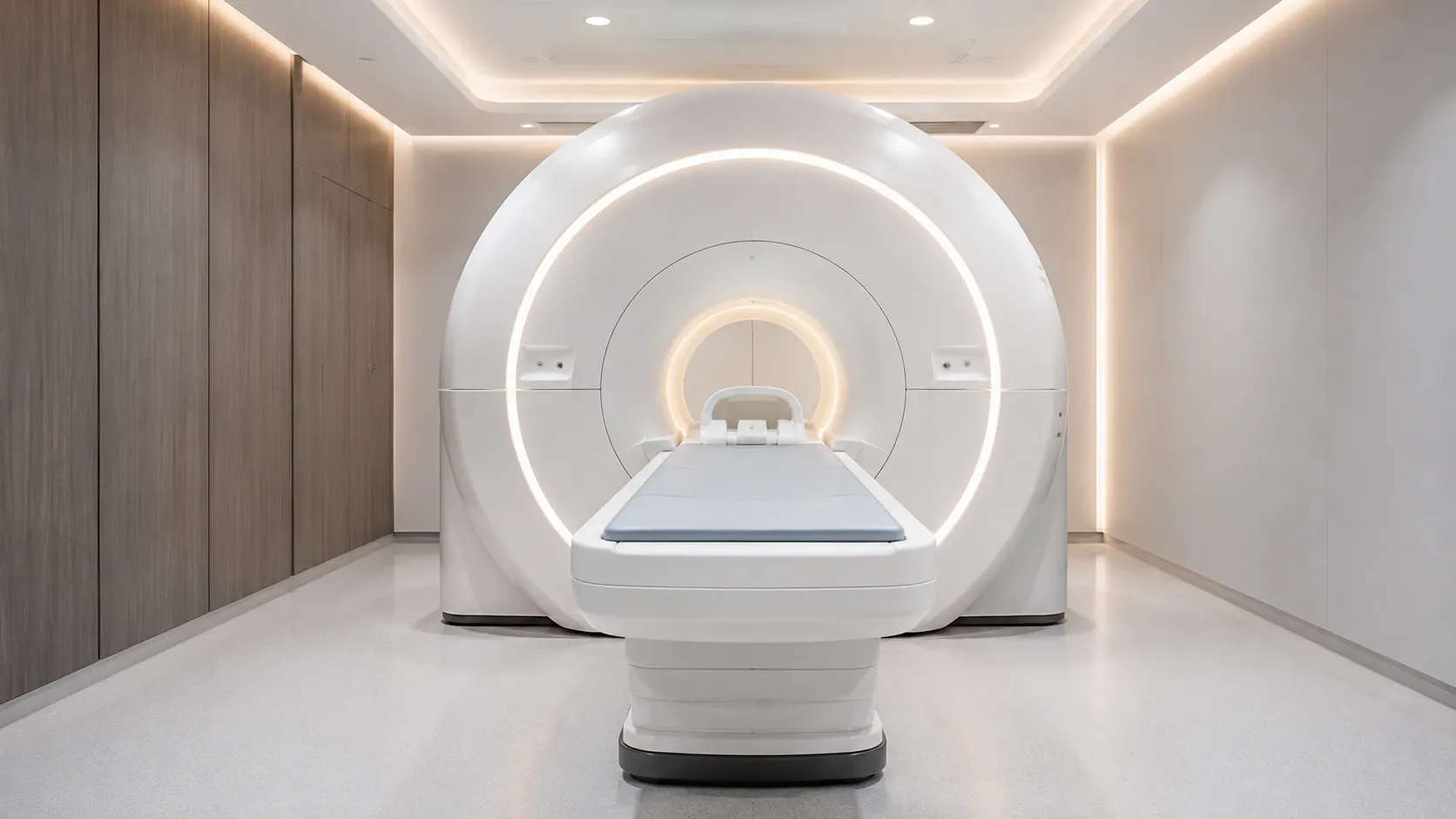
Diagnostic imaging equipment has become increasingly sophisticated.
Modern imaging systems may include:
-
Artificial intelligence support.
-
Digital image processing.
-
Cloud-based image storage.
-
Remote image access.
-
Workflow automation.
These technologies help improve efficiency throughout diagnostic departments.
Hospital Automation Is Expanding
Automation extends beyond individual medical devices.
Hospitals increasingly implement:
Automated Laboratory Systems – Streamlining sample processing.
Digital Asset Management – Tracking equipment location and maintenance.
Inventory Management Systems – Improving supply control.
Automated Appointment Systems – Enhancing administrative efficiency.
Automation reduces repetitive manual tasks while supporting operational consistency.
Healthcare suppliers interested in expanding their technology portfolio can explore: business suppliers.
Remote Monitoring and Telehealth Integration
Smart medical equipment supports healthcare beyond traditional hospital settings.
Growing applications include:
-
Remote patient monitoring.
-
Home healthcare integration.
-
Virtual consultations.
-
Connected wearable devices.
-
Cloud-based patient data access.
These technologies improve healthcare accessibility while supporting continuity of care.
Benefits for Hospital Management
Hospital administrators benefit from greater operational visibility through smart equipment.
Advantages include:
Improved Asset Tracking – Monitoring equipment location and utilisation.
Preventive Maintenance Scheduling – Reducing unexpected downtime.
Data-Driven Decision Making – Supporting procurement and resource planning.
Energy Efficiency Monitoring – Optimising operational costs.
Digital management tools help healthcare facilities improve overall efficiency.
Challenges of Smart Medical Equipment Adoption
Despite its advantages, hospitals should consider several implementation challenges.
Common considerations include:
-
Initial investment costs.
-
Cybersecurity planning.
-
Staff training.
-
Integration with existing systems.
-
Data management.
-
Ongoing software updates.
Careful planning helps organisations successfully adopt new technologies.
Healthcare organisations interested in strategic partnerships can explore: business partners.
Future Trends in Smart Hospital Technology
Several innovations are expected to shape the future of hospital equipment.
Artificial Intelligence Expansion – More advanced clinical decision support.
Internet of Medical Things (IoMT) – Greater connectivity between devices.
Predictive Analytics – Supporting proactive healthcare management.
Robotics Integration – Expanding automation capabilities.
Cloud-Based Hospital Ecosystems – Improving collaboration across departments.
Digital Twin Technology – Supporting equipment management and facility planning.
As hospitals continue modernising, smart medical equipment will play an increasingly important role in improving efficiency, operational resilience, and healthcare delivery.
Businesses looking to increase their visibility within the healthcare sector can discover opportunities through business advertise.
For sourcing assistance, procurement guidance, and product enquiries, support is available through the Contact Team.
Conclusion
Smart medical equipment is transforming hospitals by combining advanced technologies with modern healthcare workflows. Connected devices, artificial intelligence, automation, cloud-based systems, and remote monitoring solutions are helping healthcare organisations improve efficiency, optimise equipment management, and enhance operational performance.
As digital transformation continues across the healthcare sector, hospitals that invest in intelligent medical technologies will be better positioned to adapt to evolving healthcare needs while supporting safer, more efficient, and data-driven healthcare environments.
Disclaimer
Medigear.uk is a medical equipment supplier and distributor. We do not provide medical, legal, or regulatory advice. This article is for general educational and informational purposes only. The features and capabilities of smart medical equipment vary by manufacturer and product. Healthcare organisations should evaluate their operational needs and consult qualified professionals before making procurement decisions.