Medical equipment purchasing decisions can influence operational efficiency, patient workflow, maintenance costs, and long-term budgeting for years. Whether a healthcare facility is upgrading diagnostic systems, opening a new department, or replacing ageing equipment, asking the right questions before procurement helps avoid costly mistakes.
Many procurement problems arise when organisations focus solely on price while overlooking maintenance support, compatibility, training needs, and supplier reliability. Careful evaluation before purchasing helps healthcare buyers make smarter long-term investments.
Healthcare procurement teams searching for verified sourcing opportunities often explore the Medigear Buyer marketplace network to connect with trusted suppliers and equipment partners.
Understanding the Real Purpose Behind the Purchase
Before comparing models or requesting quotations, procurement teams should first define why the equipment is needed.
Questions worth discussing internally include:
-
Will the equipment improve workflow efficiency?
-
Is the purchase replacing outdated technology?
-
Will patient volume increase in the coming years?
-
Does the department require higher accuracy or faster processing?
-
Is the equipment compatible with future expansion plans?
Aligning Equipment With Operational Goals – Equipment that performs well in one facility may not suit another organisation with different patient loads, staffing structures, or clinical workflows.
Healthcare facilities reviewing procurement planning may also benefit from Medigear—UK's educational resources, such as the ICU Equipment Procurement Guide and Essential Laboratory Equipment for DiagnosticCentress.
Questions About Equipment Performance
Technical performance should always be reviewed beyond marketing brochures or sales presentations.
Important Evaluation Areas
-
What is the expected operational lifespan?
-
How frequently does the system require calibration?
-
What is the average downtime history?
-
Can the equipment support future software upgrades?
-
Is the interface user-friendly for clinical staff?
Supporting Daily Workflow Efficiency – Equipment that appears advanced on paper may create operational delays if staff training requirements are excessive or interfaces are overly complicated.
Questions About Maintenance and Service Support
One of the most overlooked procurement mistakes is failing to evaluate post-purchase service properly.
Key Maintenance Questions
-
How quickly can service engineers respond?
-
Are spare parts locally available?
-
Does the supplier offer preventive maintenance programs?
-
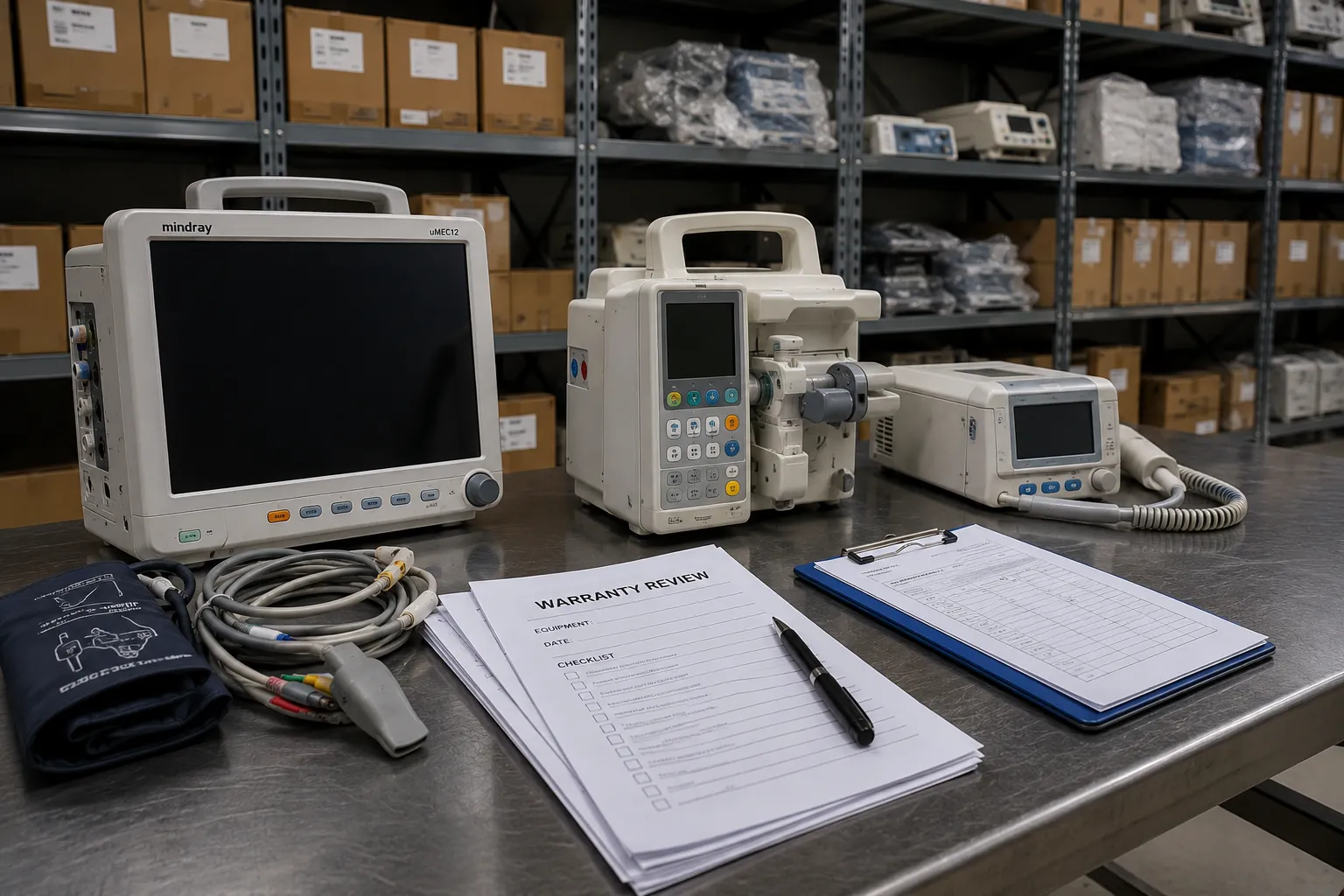
What costs are excluded from the warranty?
-
Is remote technical support available?
Reducing Unexpected Operational Interruptions – Fast technical support becomes critical when equipment downtime affects patient scheduling or diagnostic turnaround times.
Healthcare administrators reviewing equipment servicing strategies often also explore Common ICU Equipment Maintenance Mistakes to better understand long-term operational risks.
Organisations seeking reliable equipment partners can also connect through the Medigear supplier network to gain broader visibility into sourcing.
Questions About Total Ownership Costs
The purchase price is only one part of long-term equipment spending.
Hidden Costs Procurement Teams Should Evaluate
-
Annual servicing expenses
-
Consumable replacement costs
-
Calibration requirements
-
Software licensing fees
-
Energy consumption
-
Staff training expenses
Looking Beyond the Initial Quote – Some systems may appear affordable at first, but become expensive over time due to recurring maintenance or accessory requirements.
Healthcare procurement teams increasingly prioritise lifecycle budgeting over short-term savings alone.
Questions About Training and Staff Readiness
Even advanced medical systems may fail operationally if staff are not properly trained.
Areas to Clarify Before Purchase
-
Does the supplier provide on-site training?
-
Will refresher sessions be available later?
-
Is multilingual training support offered?
-
Are user manuals easy to understand?
-
How long does onboarding usually take?
Improving Equipment Adoption Rates – Proper training reduces operational errors and helps departments use equipment more efficiently from the beginning.
Questions About Compatibility and Integration
Modern healthcare facilities depend heavily on connected systems and workflow integration.
Procurement Teams Should Ask
-
Can the equipment integrate with existing software?
-
Does it support digital record systems?
-
Will the current infrastructure support installation requirements?
-
Are networking upgrades needed?
-
Is data transfer secure and reliable?
Preventing Future Infrastructure Problems – Equipment compatibility issues can create workflow disruptions, unexpected upgrade expenses, and technical delays after installation.
Questions About Supplier Reliability
The supplier relationship can become just as important as the equipment itself.
Important Supplier Evaluation Questions
-
How long has the supplier operated in healthcare procurement?
-
Can they provide ongoing technical support?
-
Do they maintain spare parts inventory?
-
Are installation teams experienced?
-
What is their equipment delivery timeline?
Building Long-Term Procurement Confidence – Reliable suppliers help healthcare organisations reduce procurement risks and improve operational continuity.
Medical businesses looking to strengthen industry partnerships may also explore the Medigear.uk healthcare collaboration program for strategic networking opportunities.
Questions About Compliance and Safety Standards
Procurement teams should always verify that equipment meets applicable regulatory and operational standards.
Areas That Require Verification
-
Safety certifications
-
Electrical compliance standards
-
Infection control compatibility
-
Radiation protection requirements
-
Documentation availability
Protecting Long-Term Operational Compliance – Regulatory issues discovered after installation can delay deployment and increase operational costs.
Questions Related to Scalability
Healthcare demand often changes faster than expected.
Future-Focused Procurement Considerations
-
Can the equipment handle increased patient volumes?
-
Are future software expansions available?
-
Can additional modules be added later?
-
Will the system remain compatible with future technologies?
Planning Beyond Immediate Needs – Procurement strategies should support long-term facility growth rather than only solving short-term operational gaps.
Healthcare facilities exploring future-ready procurement planning may also find value in Medigear.uk educational content on Future Trends in Critical Care Equipment.
Industry Trends Influencing Equipment Buying Decisions
Healthcare procurement strategies continue shifting toward operational efficiency, predictive maintenance, and digital integration.
Procurement Trends Receiving More Attention
-
Lifecycle cost analysis
-
Data-driven purchasing
-
Preventive servicing contracts
-
Smart equipment monitoring
-
Procurement transparency
Moving Toward Smarter Procurement Decisions – Modern healthcare buyers increasingly rely on operational data and maintenance history rather than relying solely on vendor presentations. Organisations seeking to increase their visibility in the healthcare industry can also explore MediuUK's medical advertising opportunities for supplier promotion and procurement outreach.
When Procurement Teams Should Slow Down
Rushed purchasing decisions often create long-term operational problems.
Warning Signs During Procurement
-
Incomplete warranty details
-
Unclear service timelines
-
Missing training commitments
-
Limited spare parts availability
-
Aggressive sales pressure
-
Poor technical documentation
Protecting Procurement Quality – Briefly delaying a purchase for proper evaluation is often less costly than resolving long-term operational complications later.
Healthcare organisations that need direct procurement guidance can contact the Medigear.uk team via the official contact page.
Disclaimer
Medigear.uk is a medical equipment supplier and distributor. We do not provide medical advice, diagnosis, or treatment recommendations. All information is for educational and product awareness purposes only. Qualified medical professionals should always make healthcare decisions.