Orthopaedic care focuses on the diagnosis, treatment, rehabilitation, and long-term management of conditions affecting bones, joints, muscles, ligaments, tendons, and the musculoskeletal system. Modern orthopaedic centres, hospitals, and speciality clinics rely on a wide range of medical equipment to support patient assessment, surgical procedures, rehabilitation programs, and follow-up care.
Advances in healthcare technology have transformed orthopaedic services by integrating digital imaging, minimally invasive surgical systems, rehabilitation technologies, patient monitoring solutions, and smart information management platforms. Rather than relying on individual devices, many healthcare organisations develop integrated orthopaedic care environments that improve workflow efficiency and support multidisciplinary collaboration.
As demand for orthopaedic services continues to grow due to ageing populations, sports injuries, trauma care, and musculoskeletal disorders, healthcare providers are increasingly investing in scalable equipment strategies to support long-term operational planning—this is Medigear. A UK educational guide explores the essential medical equipment used in orthopaedic care and highlights key procurement and technology trends.
Building an Effective Orthopaedic Care Environment
Orthopaedic services rely on several interconnected categories of equipment.
Supporting Patient Assessment – Diagnostic technologies contribute to structured clinical evaluations.
Improving Surgical Workflows – Integrated equipment strengthens operational efficiency.
Enhancing Rehabilitation Services – Modern technologies support recovery programs.
Preparing for Future Healthcare Demand – Flexible infrastructure accommodates service expansion.
Healthcare organisations evaluating procurement opportunities can explore Medigear.uk's healthcare buyer community through Medigear.uk's buyer services.
Diagnostic Imaging Equipment
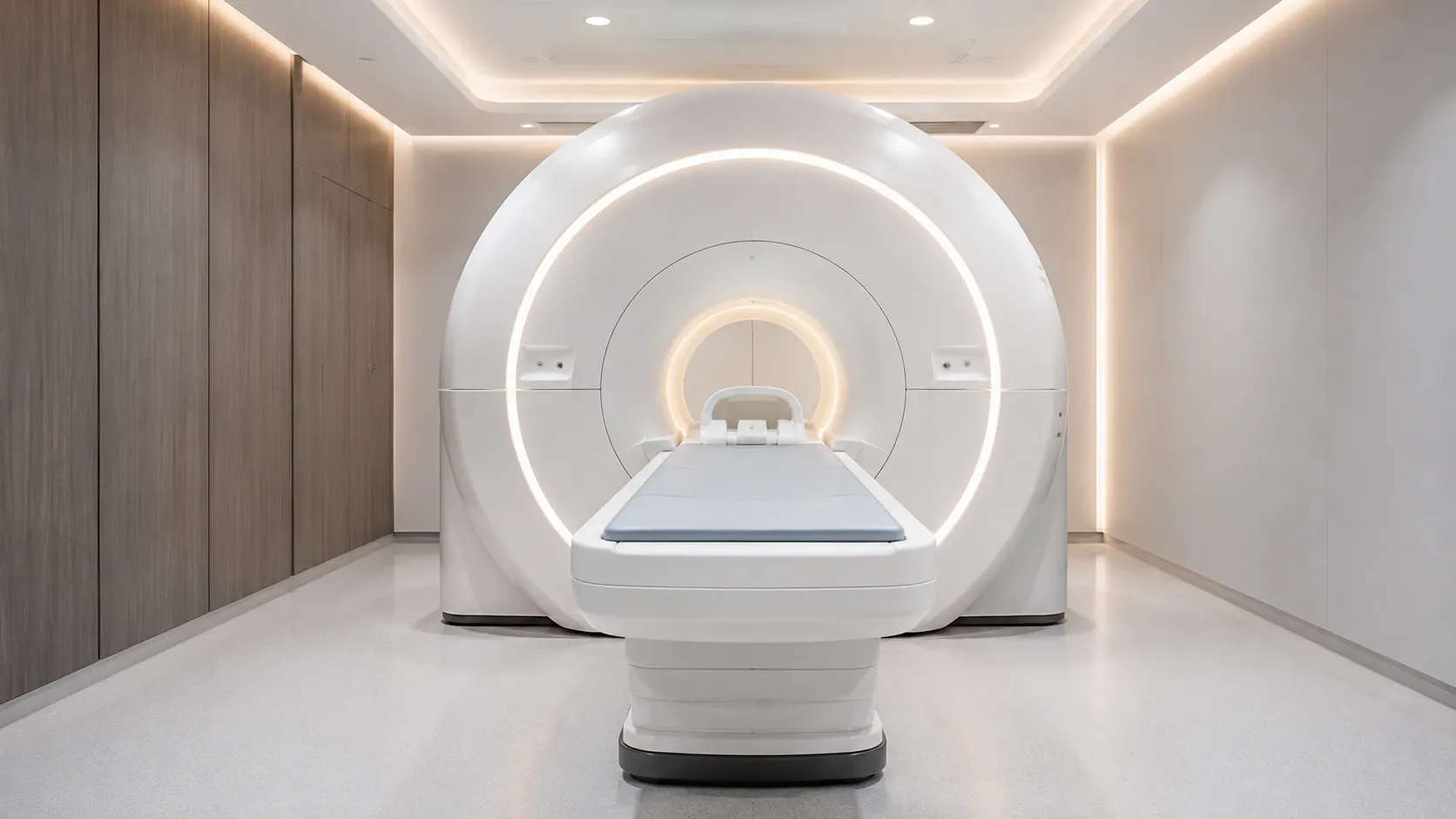
Imaging technologies are commonly integrated into orthopaedic care.
Digital Imaging Systems- Modern imaging supports musculoskeletal evaluations.
Supporting Comprehensive Assessments – Digital technologies streamlined patient workflows.
Improving Information Accessibility – Connected systems strengthen healthcare communication.
Bone Assessment Technologies- Specialised imaging complements orthopaedic services.
Supporting Equipment Integration – Digital platforms improve workflow efficiency.
Strengthening Clinical Planning – Information systems support operational coordination.
Healthcare manufacturers and suppliers interested in expanding into healthcare markets can explore Medigear.uk's business supplier network.
Orthopaedic Surgical Equipment
Surgical infrastructure supports orthopaedic procedures.
Improving Workflow Coordination – Integrated equipment strengthens operating environments.
Supporting Digital Information Management – Connected systems simplify communication.
Preparing Flexible Surgical Services – Modern technologies accommodate evolving healthcare needs.
Enhancing Operational Efficiency – Equipment integration supports multidisciplinary collaboration.
Readers interested in healthcare technology planning may also benefit from Medigear.uk's educational content covering equipment requirements for oncology centres.
Rehabilitation Equipment
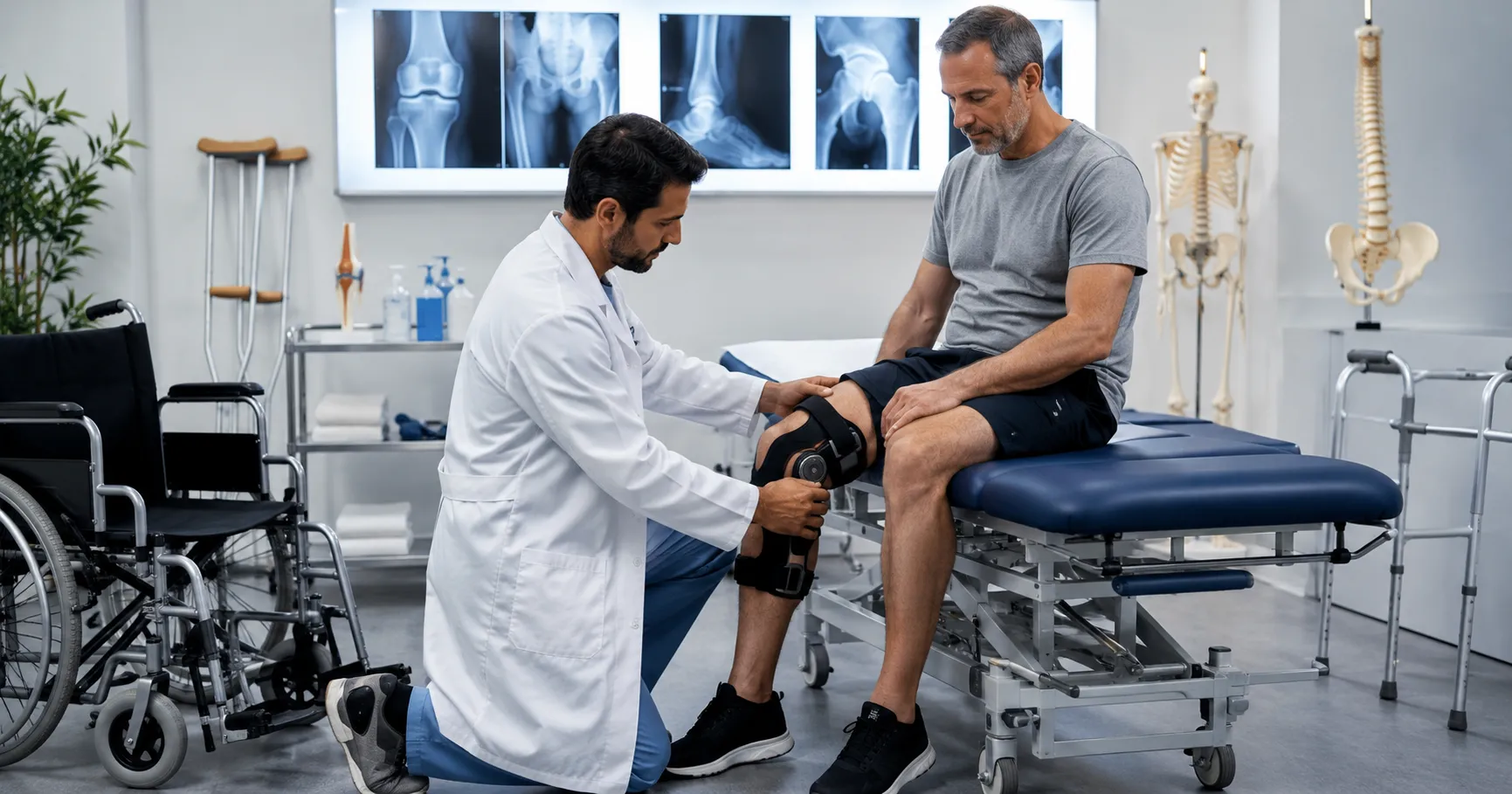
Recovery technologies play an important role in orthopaedic care.
Supporting Functional Recovery – Rehabilitation systems strengthen patient management pathways.
Improving Mobility Programs – Equipment supports organised rehabilitation services.
Expanding Outpatient Care – Flexible technologies support multidisciplinary healthcare environments.
Enhancing Long-Term Care Planning – Integrated systems strengthen operational continuity.
Patient Monitoring Systems
Orthopaedic care increasingly incorporates digital monitoring technologies.
Supporting Information Accessibility – Connected systems simplify patient management.
Improving Operational Coordination – Digital platforms strengthen communication.
Enhancing Workflow Efficiency – Smart technologies improve healthcare operations.
Preparing Long-Term Follow-Up – Monitoring systems support ongoing patient pathways.
Healthcare organisations requiring procurement guidance can contact Medigear.uk;s contact.
Digital Information Management
Technology continues transforming orthopaedic care.
Electronic Documentation- Digital records improve healthcare operations.
Supporting Better Information Management –Organised systems strengthen communication.
Smart Asset Management- Digital technologies improve equipment visibility.
Strengthening Equipment Planning – Connected systems support operational efficiency.
Predictive Analytics- Data-driven planning continues evolving.
Supporting Future Healthcare Growth – Analytics strengthen operational preparedness.
Practical Procurement Considerations
Healthcare organisations should consider long-term operational goals.
Matching Equipment to Service Demand – Capacity planning improves efficiency.
Evaluating Total Ownership Costs – Procurement should consider installation, maintenance, software, accessories, and staff training.
Supporting Department Integration – Connected technologies improve workflows.
Preparing Future Expansion – Scalable systems strengthen long-term adaptability.
Emerging Trends in Orthopaedic Equipment
Orthopaedic technology continues to advance.
Artificial Intelligence Applications – Smart systems support operational planning and information management.
Connected Healthcare Platforms – Integration strengthens communication across departments.
Portable Rehabilitation Technologies – Flexible equipment expands healthcare services.
Smart Equipment Management – Digital systems improve asset visibility and utilisation.
Healthcare organisations interested in collaborative opportunities can explore Medigear.uk's business partners.
Businesses seeking greater visibility across healthcare markets can learn about Medigear.uk's business advertising.
Conclusion
Medical equipment plays a fundamental role in orthopaedic care by supporting diagnostic imaging, surgical services, rehabilitation programs, patient monitoring, and digital healthcare management. Integrated equipment strategies help healthcare organisations improve operational efficiency while supporting comprehensive musculoskeletal care.
As orthopaedic services continue to evolve, investments in connected technologies, rehabilitation innovations, smart asset management, and scalable infrastructure will help healthcare organisations adapt to changing patient needs and future developments in healthcare.
Buyer Insights
Selecting medical equipment for orthopaedic care requires balancing clinical services, patient demand, operational efficiency, and long-term growth objectives. Healthcare organisationss increasingly focus on integrated procurement strategies that support comprehensive musculoskeletal care.
Aligning Equipment with Clinical Services – Orthopaedic centres that provide diagnostics, surgery, rehabilitation, trauma care, and follow-up services benefit from coordinated equipment planning.
Evaluating Total Ownership Costs – Procurement decisions should consider installation, maintenance, accessories, software integration, staff training, consumables, and future technology upgrades.
Supporting Multidisciplinary Workflows – Equipment compatibility between imaging, surgical, rehabilitation, and outpatient departments improves operational efficiency.
Preparing for Future Expansion – Scalable technology investments help healthcare organisations adapt to growing demands for orthopaedic services.
Healthcare buyers and procurement professionals can explore Medigear.uk's healthcare buyer community at Medigear.uk's buyers.
Maintenance & Operational Insights
Reliable equipment performance supports efficient orthopaedic services.
Maintaining Equipment Readiness – Routine inspections help minimise operational interruptions.
Supporting Consumable Management – Organised inventory planning improves workflow efficiency.
Managing Equipment Documentation – Digital asset records strengthen long-term operational planning.
Preparing Preventive Service Schedules – Regular maintenance contributes to equipment reliability.
Building Staff Competency – Ongoing education helps maximise equipment utilisation.
Healthcare organisations requiring procurement guidance and technical assistance can contact Medigear UK's Contact Team.
Industry Trends
Artificial Intelligence in Orthopaedic Care: AI technologies continue to support healthcare operations.
Improving Data Analysis – Intelligent systems simplify operational planning and workflow management.
Connected Orthopaedic Ecosystems- Digital integration continues expanding.
Strengthening Communication – Connected platforms improve cross-departmental collaboration.
Smart Asset Management- Digital technologies continue to improve equipment oversight.
Supporting Better Equipment Visibility – Smart systems simplify inventory and asset planning.
Portable Rehabilitation Technologies- Flexible rehabilitation equipment continues to expand healthcare capabilities.
Supporting Community-Based Care – Portable systems improve operational flexibility.
Disclaimer
Medigear.uk is a medical equipment supplier and distributor. We do not provide medical advice, diagnosis, or treatment recommendations. All information is for educational and product awareness purposes only. Qualified medical professionals should always make healthcare decisions.