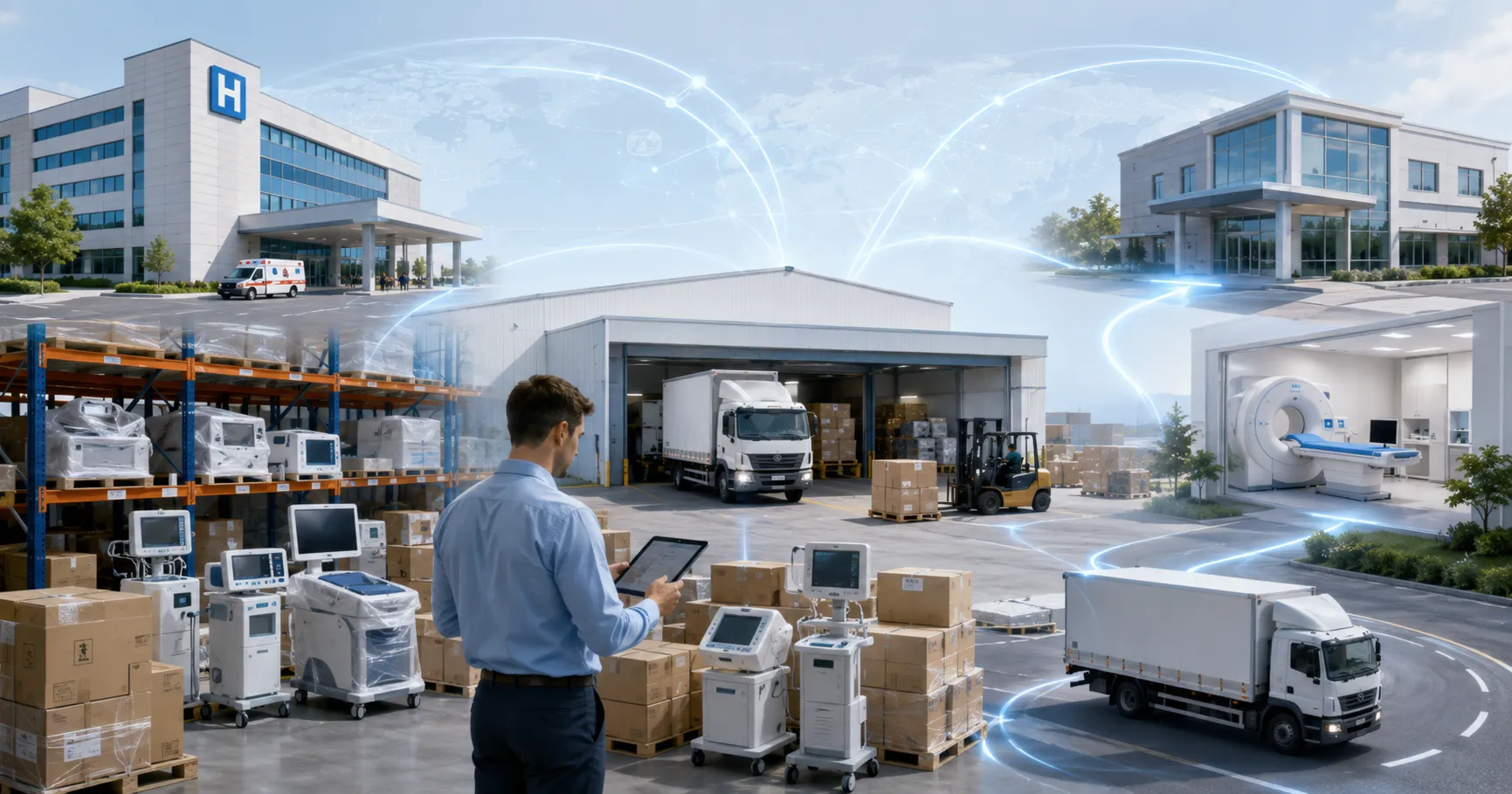
Medical equipment reaches hospitals, clinics, laboratories, diagnostic centres, and healthcare providers through various distribution models. Each model is designed to connect manufacturers with buyers while ensuring products are delivered efficiently, supported with technical expertise, and available when needed.
As healthcare markets continue to expand globally, manufacturers increasingly use multiple distribution channels to improve market coverage, strengthen customer relationships, and streamline international logistics. Understanding these distribution models helps healthcare organisations choose reliable suppliers and allows manufacturers to build effective market strategies.
This guide explains the most common medical equipment distribution models and their advantages.
What Is a Medical Equipment Distribution Model?
A medical equipment distribution model is the method used to move medical devices from manufacturers to end users.
The distribution chain may involve:
-
Manufacturers.
-
Authorised distributors.
-
Dealers.
-
Importers.
-
Exporters.
-
Online marketplaces.
-
Healthcare procurement companies.
-
Hospitals and healthcare facilities.
The most suitable model depends on the product type, market size, customer requirements, and geographic coverage.
Direct Sales Model
In the direct sales model, manufacturers sell medical equipment directly to healthcare organisations without using independent distributors.
This model is commonly used for:
-
Large hospital projects.
-
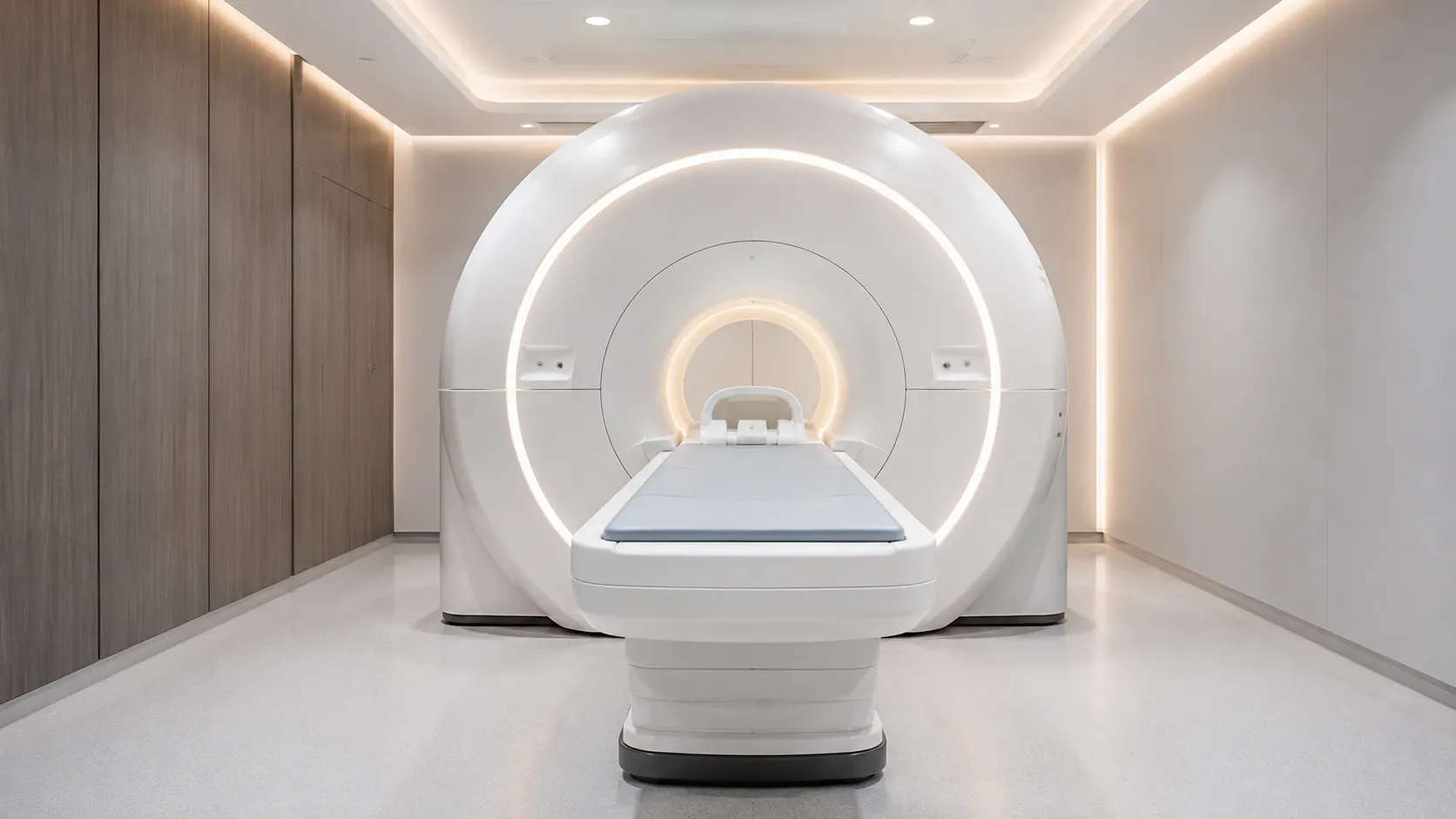
High-value imaging equipment.
-
Complex surgical systems.
-
Enterprise healthcare contracts.
Advantages
-
Direct communication with the manufacturer.
-
Greater product knowledge.
-
Faster technical support.
-
Better control over customer relationships.
Considerations
-
Manufacturers require dedicated sales teams.
-
International market expansion may require significant investment.
-
Local support may be limited in some regions.
Healthcare organisations looking for trusted sourcing options can explore: buyer services.
Authorised Distributor Model
The authorised distributor model is one of the most widely used distribution approaches in the healthcare industry.
Manufacturers appoint regional distributors to sell, market, and support their products within specific territories.
Responsibilities typically include:
-
Product sales.
-
Inventory management.
-
Customer support.
-
Technical assistance.
-
Marketing activities.
-
After-sales service.
Advantages
-
Strong local market knowledge.
-
Faster delivery.
-
Regional customer support.
-
Established logistics networks.
This model allows manufacturers to expand internationally without establishing offices in every country.
Dealer Network Model
Dealers purchase equipment from manufacturers or distributors and resell it to healthcare providers.
Dealer networks often focus on:
-
Clinics.
-
Small hospitals.
-
Medical practices.
-
Local healthcare providers.
Benefits
-
Broad geographic coverage.
-
Faster local availability.
-
Established customer relationships.
-
Simplified purchasing.
Dealers often specialise in particular product categories or healthcare sectors.
Importer and Exporter Model
The international medical equipment trade frequently relies on importers and exporters.
These organisations manage:
-
International sourcing.
-
Customs clearance.
-
Shipping coordination.
-
Documentation.
-
Regulatory requirements.
-
Regional distribution.
Importers help healthcare organisations access equipment manufactured in other countries.
Healthcare suppliers seeking international market opportunities can explore: business suppliers.
Medical Equipment Marketplace Model
Digital B2B marketplaces have become an increasingly popular distribution channel.
Marketplaces connect:
-
Manufacturers.
-
Suppliers.
-
Distributors.
-
Hospitals.
-
Procurement teams.
-
Healthcare buyers.
Advantages include:
-
Broader product selection.
-
Easier supplier comparison.
-
Improved procurement efficiency.
-
Greater international market access.
Online marketplaces simplify the equipment sourcing process while expanding supplier visibility.
Value-Added Distributor Model
Some distributors offer services beyond product delivery.
These value-added services may include:
-
Equipment installation.
-
Preventive maintenance.
-
Technical training.
-
Spare parts management.
-
Equipment servicing.
-
Procurement consultation.
Value-added distributors help healthcare organisations maximise equipment performance throughout their lifecycle.
Regional Distribution Centres
Large manufacturers often establish regional distribution hubs.
These facilities support:
-
Inventory storage.
-
Faster order fulfilment.
-
Local product availability.
-
Shipment consolidation.
-
Efficient regional logistics.
Regional warehouses help reduce delivery times while improving supply chain flexibility.
Multi-Channel Distribution
Many manufacturers combine several distribution models simultaneously.
A company may use:
-
Direct sales for major hospitals.
-
Authorised distributors for regional markets.
-
Online marketplaces for wider visibility.
-
Dealers for local customer support.
This flexible approach allows organisations to serve different customer segments more effectively.
Healthcare organisations interested in strategic partnerships can explore: business partners.
Choosing the Right Distribution Model
Several factors influence the selection of a distribution strategy.
Important considerations include:
-
Product complexity.
-
Geographic coverage.
-
Customer support requirements.
-
Regulatory compliance.
-
Logistics infrastructure.
-
Inventory management.
-
Market size.
-
Long-term growth objectives.
The right distribution model depends on both business strategy and customer expectations.
Technology Is Transforming Distribution
Digital technologies continue to improve healthcare distribution.
Modern innovations include:
-
Cloud-based inventory management.
-
Artificial intelligence demand forecasting.
-
Real-time shipment tracking.
-
Warehouse automation.
-
Digital procurement platforms.
-
Customer relationship management systems.
These technologies improve operational efficiency while increasing supply chain visibility.
Future Trends in Medical Equipment Distribution
Medical equipment distribution continues evolving alongside healthcare technology.
Emerging trends include:
-
Digital B2B healthcare marketplaces.
-
Artificial intelligence supply chain optimisation.
-
Internet of Medical Things (IoMT).
-
Predictive inventory management.
-
Sustainable logistics.
-
Automated distribution centres.
-
Cloud-connected supply chain platforms.
These innovations are expected to make healthcare distribution faster, more efficient, and more responsive to global demand.
Businesses looking to increase visibility within the healthcare sector can discover opportunities through business advertising
For sourcing assistance, procurement guidance, and product enquiries, support is available through the contact team.
Conclusion
Medical equipment distribution models play a crucial role in ensuring healthcare providers have timely access to reliable medical technologies. Whether through direct sales, authorised distributors, dealer networks, importers, exporters, or digital marketplaces, each model offers unique advantages depending on market requirements and business objectives.
By understanding these distribution approaches, healthcare organisations can make more informed procurement decisions, while manufacturers and suppliers can develop stronger strategies for expanding into international healthcare markets.
Disclaimer
Medigear.uk is a medical equipment supplier and distributor. We do not provide legal, regulatory, logistics, or business consulting services. This article is for general educational and informational purposes only. Distribution models, regulatory requirements, and commercial arrangements vary by country, manufacturer, and product category. Healthcare organisations and businesses should consult qualified professionals before establishing or modifying medical equipment distribution strategies.