
Healthcare systems worldwide are under increasing pressure to improve patient outcomes, expand access to care, and adopt advanced medical technologies. As populations grow and healthcare demands become more complex, infrastructure investment has emerged as one of the most important drivers of healthcare growth. Modern hospitals, diagnostic centers, specialty clinics, and healthcare networks depend on strong infrastructure foundations to support efficient operations and deliver high-quality patient care.
Healthcare infrastructure extends far beyond hospital buildings. It includes medical equipment, utility systems, digital technologies, diagnostic facilities, operating theatres, medical gas networks, intensive care units, laboratories, telehealth platforms, and healthcare information systems. Strategic investment in these areas helps healthcare providers increase service capacity, improve operational efficiency, and prepare for future healthcare challenges.
Governments, private healthcare organizations, investors, and healthcare planners increasingly recognize that infrastructure development is essential for sustainable healthcare growth. Facilities that invest in modern infrastructure often experience improved patient satisfaction, enhanced clinical capabilities, and stronger long-term financial performance. This article follows the healthcare infrastructure planning principles outlined throughout the Medigear.uk educational framework.
Healthcare organizations evaluating facility expansion often begin by exploring procurement and planning strategies through Medigear.uk's healthcare buyer services solutions.
Understanding Healthcare Infrastructure
Healthcare infrastructure includes all physical and technological assets that support healthcare delivery.
Examples include:
-
Hospitals and clinics
-
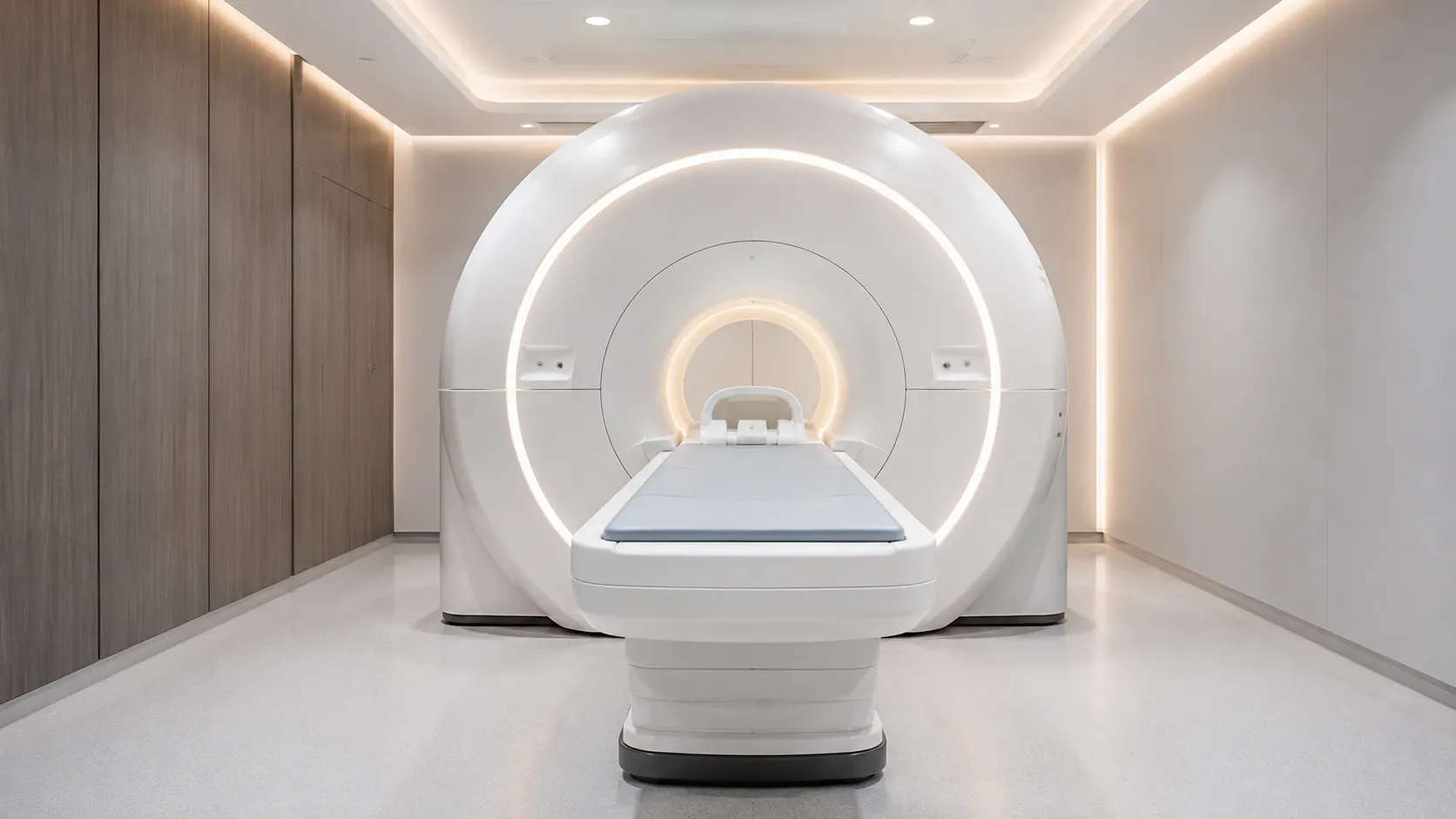
Diagnostic imaging departments
-
Intensive care units
-
Operating theatres
-
Medical gas systems
-
Central oxygen supply systems
-
Medical vacuum systems
-
Laboratories
-
Digital healthcare platforms
-
Utility infrastructure
These assets create the foundation that enables healthcare professionals to diagnose, treat, and monitor patients effectively.
Why Infrastructure Investment Matters
Infrastructure investment directly influences healthcare quality, accessibility, and efficiency.
Improving Patient Access- Modern healthcare facilities can accommodate more patients and expand service offerings.
Supporting Growing Populations – Additional healthcare infrastructure helps meet rising demand for medical services.
Expanding Geographic Coverage – New facilities improve access in underserved regions.
Enhancing Clinical Capabilities- Advanced infrastructure supports the adoption of new medical technologies.
Improving Diagnostic Accuracy – Modern imaging and laboratory equipment enable faster and more reliable diagnoses.
Supporting Specialized Treatments – Well-equipped facilities can offer advanced clinical services.
Increasing Operational Efficiency- Healthcare organizations benefit from streamlined workflows and reduced downtime.
Reducing Bottlenecks – Modern infrastructure supports smoother patient movement and clinical operations.
Improving Resource Utilization – Efficient facilities help optimize staffing and equipment usage.
Medical Equipment as a Growth Driver
Medical equipment is among the largest healthcare infrastructure investments.
Important categories include:
-
Diagnostic imaging systems
-
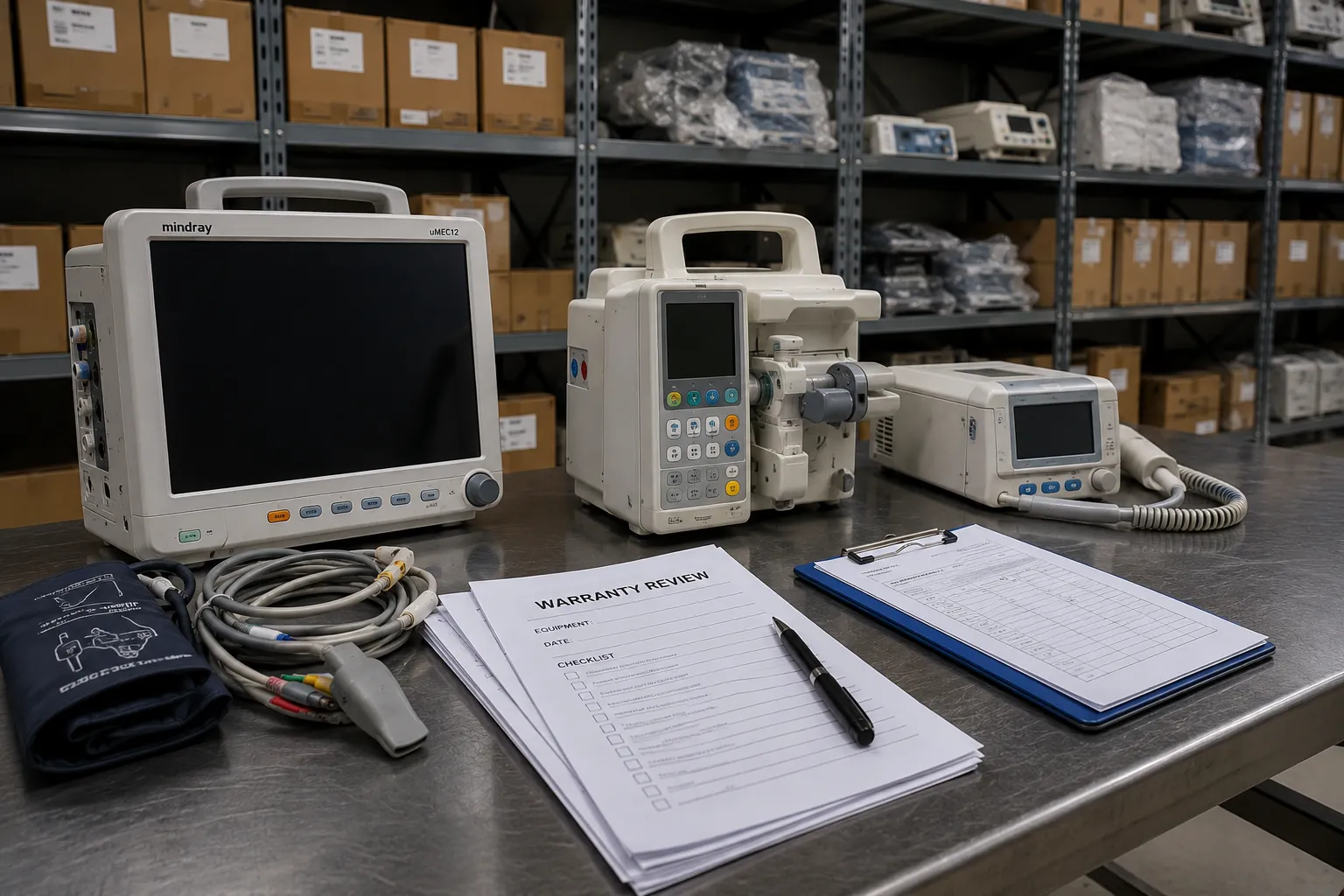
Patient monitoring equipment
-
Surgical technologies
-
Laboratory analyzers
-
Intensive care equipment
-
Rehabilitation technologies
Supporting Better Clinical Outcomes – Advanced technologies enhance diagnostic and treatment capabilities.
Increasing Service Capacity – Modern equipment allows facilities to serve more patients efficiently.
Healthcare planners may also benefit from Medigear.uk's guide on
Digital Healthcare Infrastructure
Technology is transforming how healthcare organizations operate.
Examples include:
-
Electronic medical records
-
Telemedicine platforms
-
Digital imaging systems
-
Remote patient monitoring
-
Healthcare analytics software
Improving Information Access – Digital systems support faster clinical decision-making.
Enhancing Care Coordination – Connected platforms improve communication across departments.
Hospital Utility Infrastructure
Utility systems play a critical role in healthcare growth.
Key systems include:
-
Medical gas networks
-
Central oxygen supply systems
-
Medical vacuum systems
-
HVAC systems
-
Backup power infrastructure
-
Water treatment systems
Supporting Continuous Operations – Reliable utilities help maintain uninterrupted patient care.
Enabling Advanced Technologies – Clinical equipment depends on a stable utility infrastructure.
Healthcare organizations may also review Medigear.The UK's educational resource on
Infrastructure Investment and Healthcare Expansion
Growing healthcare demand often requires facility expansion.
New Hospital Construction- Modern hospitals require integrated infrastructure planning from the earliest stages.
Supporting Long-Term Growth – Scalable facilities can adapt to future healthcare demands.
Facility Modernization- Many healthcare organizations choose to upgrade existing facilities.
Improving Operational Performance – Infrastructure upgrades help maintain competitiveness.
Specialized Healthcare Centers- Healthcare providers increasingly invest in specialty facilities.
Examples include:
-
Cancer centers
-
Cardiac hospitals
-
Rehabilitation facilities
-
Outpatient surgical centers
Economic Benefits of Healthcare Infrastructure Investment
Infrastructure investment contributes to both healthcare and economic development.
Creating Employment Opportunities – Construction, engineering, and healthcare sectors benefit from infrastructure projects.
Attracting Investment – Modern healthcare facilities often encourage additional private sector participation.
Supporting Community Development – Improved healthcare access contributes to stronger communities.
Challenges in Healthcare Infrastructure Development
Despite its benefits, infrastructure investment requires careful planning.
Capital Requirements- Healthcare infrastructure projects often involve significant financial commitments.
Technology Obsolescence- Rapid innovation can shorten equipment lifecycles.
Maintenance Demands- Infrastructure investments require ongoing support and management.
Workforce Training- New technologies often require additional staff education and technical expertise.
Healthcare organizations frequently address these challenges through structured procurement and lifecycle management strategies and medical equipment business suppliers.
The Future of Healthcare Infrastructure
Healthcare infrastructure continues evolving to support changing patient expectations and technological advancements.
Smart Hospitals- Connected systems are becoming central to healthcare operations.
Improving Operational Visibility – Real-time monitoring supports better decision-making.
Sustainable Healthcare Facilities- Environmental considerations are influencing infrastructure planning.
Reducing Resource Consumption – Energy-efficient facilities support long-term sustainability goals.
Data-Driven Healthcare- Digital infrastructure is enabling more informed operational planning.
Supporting Predictive Management – Analytics help optimize resource allocation and maintenance planning.
Healthcare organizations interested in collaborative healthcare development may also explore Medigear.uk business partners opportunities and procurement support services.
Conclusion
Infrastructure investment remains one of the most powerful drivers of healthcare growth. Modern hospitals, digital technologies, utility systems, diagnostic facilities, and advanced medical equipment all contribute to improved patient care and operational efficiency. As healthcare demand continues increasing, organizations that prioritize strategic infrastructure development will be better positioned to deliver high-quality services, support innovation, and achieve sustainable growth.
Healthcare leaders should view infrastructure not simply as a construction expense but as a long-term investment that supports patient outcomes, operational performance, and future advances in healthcare.
Buyer Insights for Healthcare Infrastructure Investment
Infrastructure investment decisions influence healthcare operations for decades. Healthcare leaders should evaluate projects based on clinical demand, population growth, operational efficiency, future expansion requirements, and long-term sustainability goals.
Prioritizing High-Impact Investments – Critical care units, diagnostic imaging departments, operating theatres, digital healthcare systems, and utility infrastructure often provide the greatest operational value.
Balancing Immediate Needs and Future Growth – Infrastructure planning should support current patient volumes while allowing for future expansion.
Evaluating Technology Compatibility – New infrastructure should integrate with existing healthcare systems and support future technological advancements.
Considering Total Lifecycle Costs – Investment decisions should include acquisition, maintenance, staffing, upgrades, energy consumption, and replacement planning rather than focusing solely on initial project costs.
Healthcare organizations evaluating capital expenditure strategies may also benefit from Medigear.uk's educational resources on
Maintenance and Operational Insights
Healthcare infrastructure requires continuous maintenance to deliver reliable performance.
Implementing Preventive Maintenance Programs – Scheduled inspections help reduce unexpected failures and extend the lifespan of infrastructure.
Monitoring Asset Performance – Digital monitoring systems improve visibility into equipment utilization and operational efficiency.
Supporting Staff Training – Healthcare professionals and technical teams should receive ongoing education on new systems and technologies.
Managing Infrastructure Documentation – Accurate maintenance records improve planning and regulatory compliance.
Planning Equipment Lifecycles – Structured replacement planning helps healthcare facilities avoid costly emergency upgrades.
Organizations that prioritize maintenance often achieve higher equipment availability and lower long-term operating costs.
Industry Trends Driving Healthcare Infrastructure Growth
Healthcare infrastructure continues evolving in response to technological innovation and changing patient expectations.
Smart Hospitals- Connected healthcare technologies are becoming standard across modern facilities.
Improving Operational Intelligence – Real-time monitoring supports faster decision-making and resource optimization.
Digital Healthcare Transformation- Healthcare providers continue investing in digital infrastructure.
Enhancing Clinical Connectivity – Integrated systems improve information sharing and care coordination.
Sustainable Healthcare Development- Environmental responsibility is increasingly influencing healthcare investment decisions.
Reducing Energy Consumption – Modern facilities prioritize efficient infrastructure and resource management.
Expansion of Specialized Care Centers- Healthcare providers continue developing focused treatment facilities.
Supporting Advanced Clinical Services – Specialty centers improve access to targeted healthcare solutions.
Healthcare organizations seeking increased industry visibility may also explore Medigear.uk business advertise opportunities as part of broader growth strategies and connect through our Contact Team.
Disclaimer
Medigear.uk is a medical equipment supplier and distributor. We do not provide medical advice, diagnosis, or treatment recommendations. All information is for educational and product awareness purposes only. Healthcare decisions should always be made by qualified medical professionals.