Southeast Asia has emerged as one of the fastest-growing healthcare markets in the world. Rising healthcare investments, expanding medical infrastructure, increasing urbanisation, and growing awareness of preventive healthcare are driving significant demand for diagnostic equipment across the region.
Healthcare providers are placing greater emphasis on early detection, efficient diagnosis, and improved patient management. As a result, diagnostic technologies are becoming a central part of healthcare modernisation strategies throughout Southeast Asia. From imaging systems and laboratory analysers to point-of-care testing devices, demand continues to grow across multiple healthcare sectors.
Healthcare Infrastructure Expansion Is Driving Equipment Demand
Many Southeast Asian countries are investing heavily in healthcare infrastructure to improve accessibility and service quality.
New Healthcare Facilities – The construction of healthcare centres and specialised medical facilities continues to increase equipment requirements.
Facility Modernisation Projects – Existing healthcare environments are upgrading older technologies to improve efficiency.
Regional Healthcare Development – Expanding healthcare access beyond major cities is creating new procurement opportunities.
These developments are contributing to sustained demand for modern diagnostic solutions.
Early Detection Is Becoming a Healthcare Priority
Healthcare providers increasingly recognise the importance of early diagnosis in supporting effective patient management.
Faster Clinical Decision-Making – Diagnostic systems help provide timely information.
Improved Workflow Efficiency – Modern equipment can streamline examination processes.
Expanded Screening Programs – Greater access to diagnostic technologies supports broader healthcare initiatives.
This shift toward preventive healthcare is strengthening demand for advanced diagnostic equipment.
Imaging Equipment Continues to See Strong Growth
Diagnostic imaging remains one of the most active segments within the healthcare equipment market.
Common technologies include:
-
Digital X-ray systems.
-
Ultrasound equipment.
-
Computed tomography systems.
-
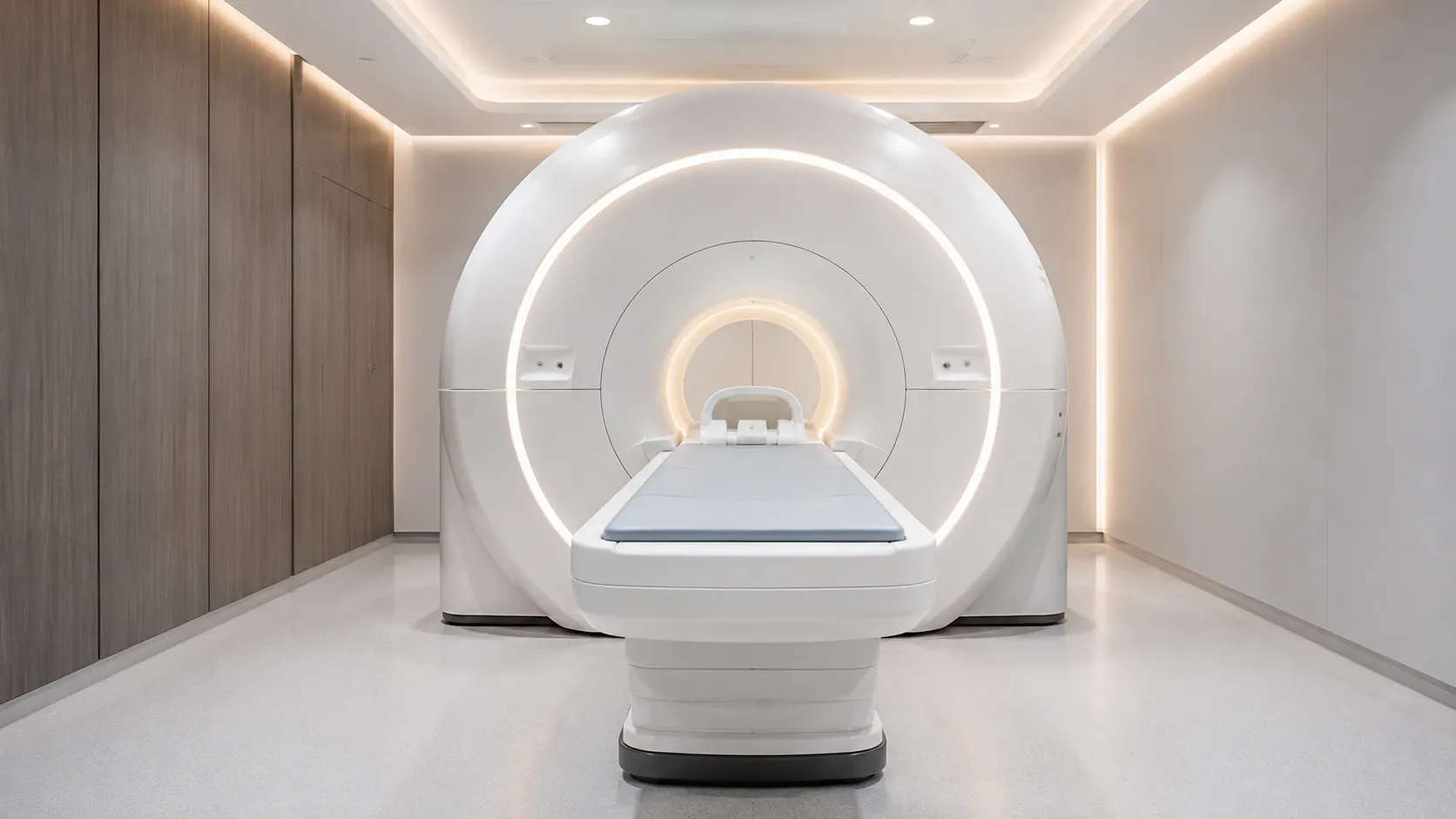
Magnetic resonance imaging systems.
-
Mobile imaging platforms.
Enhanced Image Quality – Modern systems provide clearer diagnostic information.
Greater Operational Flexibility – Portable and mobile equipment support various care environments.
Healthcare organisations exploring sourcing opportunities can discover solutions through buyer services.
Laboratory Diagnostics Are Expanding Rapidly
Laboratory testing plays a critical role in healthcare delivery throughout Southeast Asia.
Growing demand is evident across several categories:
Clinical Chemistry Systems – Supporting routine laboratory testing.
Haematology Analysers – Assisting blood analysis workflows.
Immunoassay Equipment – Supporting specialised testing requirements.
Molecular Diagnostic Systems – Expanding advanced testing capabilities.
Laboratory modernisation projects continue to create procurement opportunities across the region.
Point-of-Care Testing Is Gaining Momentum
Healthcare providers increasingly value diagnostic solutions that can deliver results closer to the patient.
Portable Testing Devices – Improve accessibility in diverse settings.
Rapid Results – Support timely decision-making.
Compact Designs – Simplify deployment and transportation.
Point-of-care technologies are becoming an important component of healthcare delivery strategies.
Digital Healthcare Is Influencing Diagnostic Equipment Purchases
Technology integration is reshaping procurement priorities.
Emerging trends include:
Cloud-Based Data Management – Supporting information accessibility.
Artificial Intelligence Applications – Enhancing image analysis and workflow support.
Wireless Connectivity – Simplifying information transfer.
Digital Record Integration – Improving operational efficiency.
Healthcare organisations are increasingly considering digital compatibility when selecting equipment.
Healthcare suppliers interested in expanding their presence in growing healthcare markets can explore: business suppliers.
Portable Diagnostic Equipment Is Becoming More Important
The demand for mobile and portable solutions continues to rise.
Portable Ultrasound Systems – Supporting flexible imaging services.
Mobile X-Ray Equipment – Improving accessibility.
Compact Laboratory Devices – Facilitating decentralised testing.
Handheld Diagnostic Tools – Expanding point-of-care capabilities.
Portability supports healthcare delivery across a wide range of environments.
Procurement Teams Are Focusing on Long-Term Value
Healthcare buyers are evaluating equipment based on more than just technical specifications.
Important considerations include:
Equipment Reliability – Consistent performance supports operational continuity.
Maintenance Support – Long-term service availability is critical.
Training Requirements – Staff readiness influences implementation success.
Scalability – Equipment should support future expansion.
Total Cost of Ownership – Procurement decisions increasingly consider lifecycle expenses.
Careful planning helps maximise investment value.
Sustainability Is Becoming Part of Procurement Strategy
Environmental considerations are influencing equipment purchasing decisions.
Current priorities include:
Energy-Efficient Systems – Supporting operational efficiency.
Durable Construction – Extending equipment lifespan.
Reduced Resource Consumption – Improving sustainability outcomes.
Responsible Equipment Management – Supporting long-term asset utilisation.
Sustainability goals are increasingly aligned with healthcare operational objectives.
Healthcare organisations interested in industry collaboration opportunities can learn more through business partners.
Future Opportunities in Southeast Asia
Several trends are expected to influence the next phase of market growth.
Artificial Intelligence Integration – Supporting diagnostic workflows.
Remote Healthcare Technologies – Expanding healthcare accessibility.
Advanced Imaging Solutions – Improving diagnostic capabilities.
Smart Laboratory Equipment – Enhancing operational efficiency.
Connected Healthcare Ecosystems – Supporting information sharing across healthcare networks.
These developments are expected to further strengthen demand for diagnostic equipment throughout Southeast Asia.
Businesses looking to increase visibility within the healthcare industry can discover opportunities through business advertise.
For sourcing assistance, procurement guidance, and equipment enquiries, support is available through: Contact Team
Conclusion
The growing demand for diagnostic equipment in Southeast Asia reflects broader healthcare transformation across the region. Investments in healthcare infrastructure, digital technologies, laboratory modernisation, and diagnostic imaging continue to create strong opportunities for equipment suppliers, distributors, and healthcare buyers.
As healthcare systems focus on efficiency, accessibility, and early diagnosis, diagnostic technologies will remain central to healthcare development strategies. Organisations that understand these evolving trends will be better positioned to make informed procurement decisions and adapt to future market requirements.
Disclaimer:
Medigear.uk is a medical equipment supplier and distributor. We do not provide medical advice, diagnosis, or treatment recommendations. All information is for educational and product awareness purposes only. Qualified medical professionals should always make healthcare decisions.