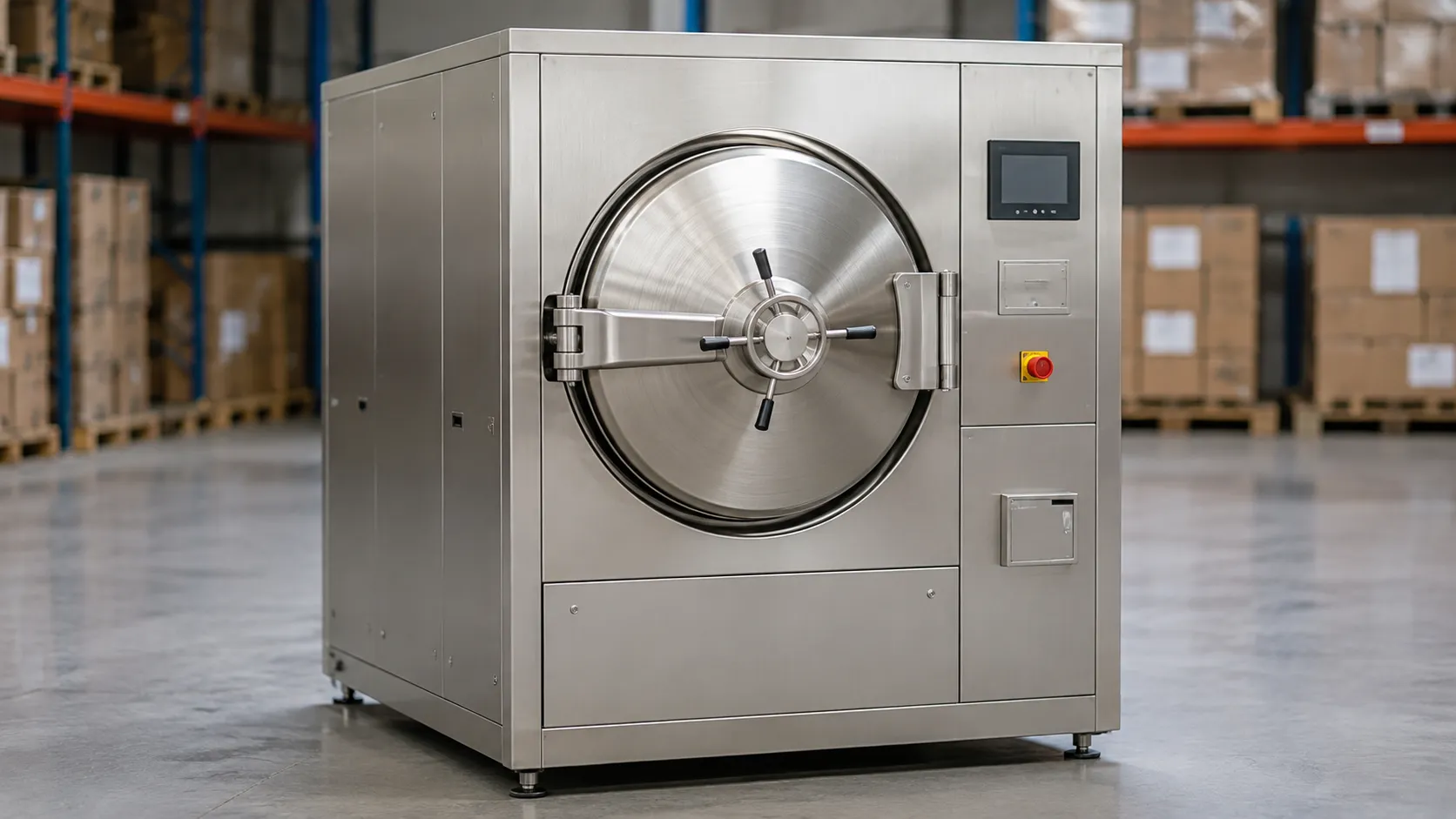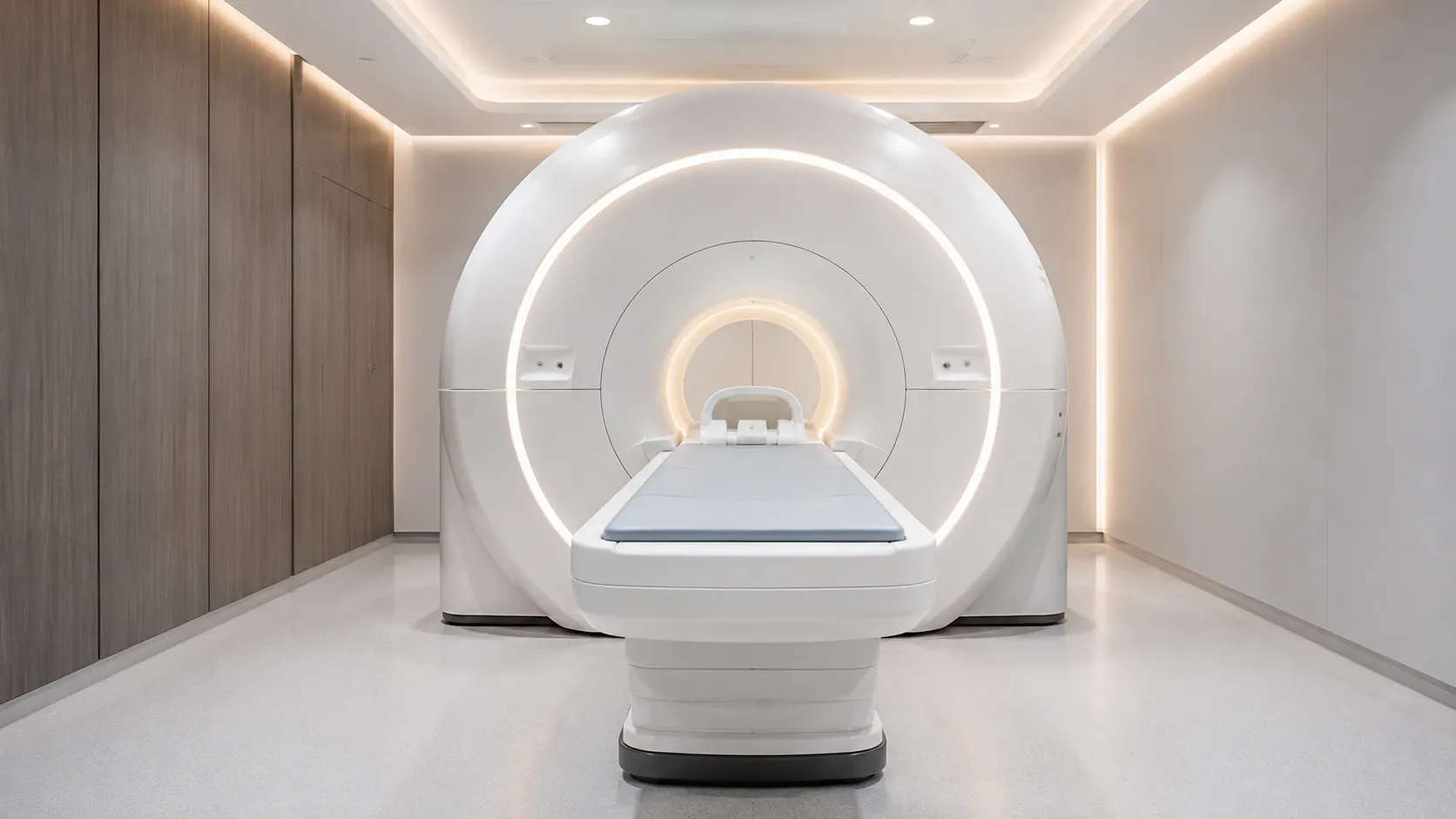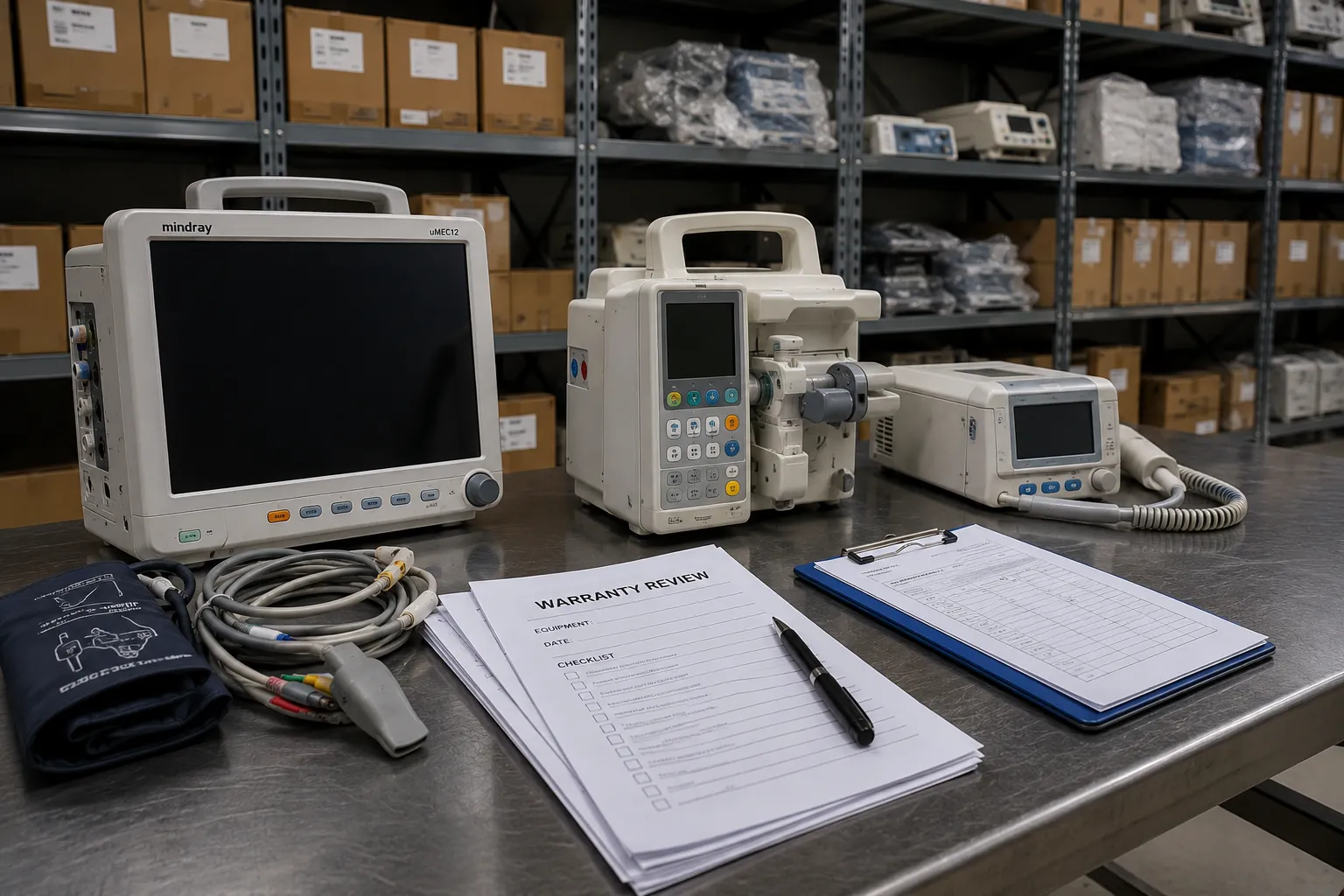
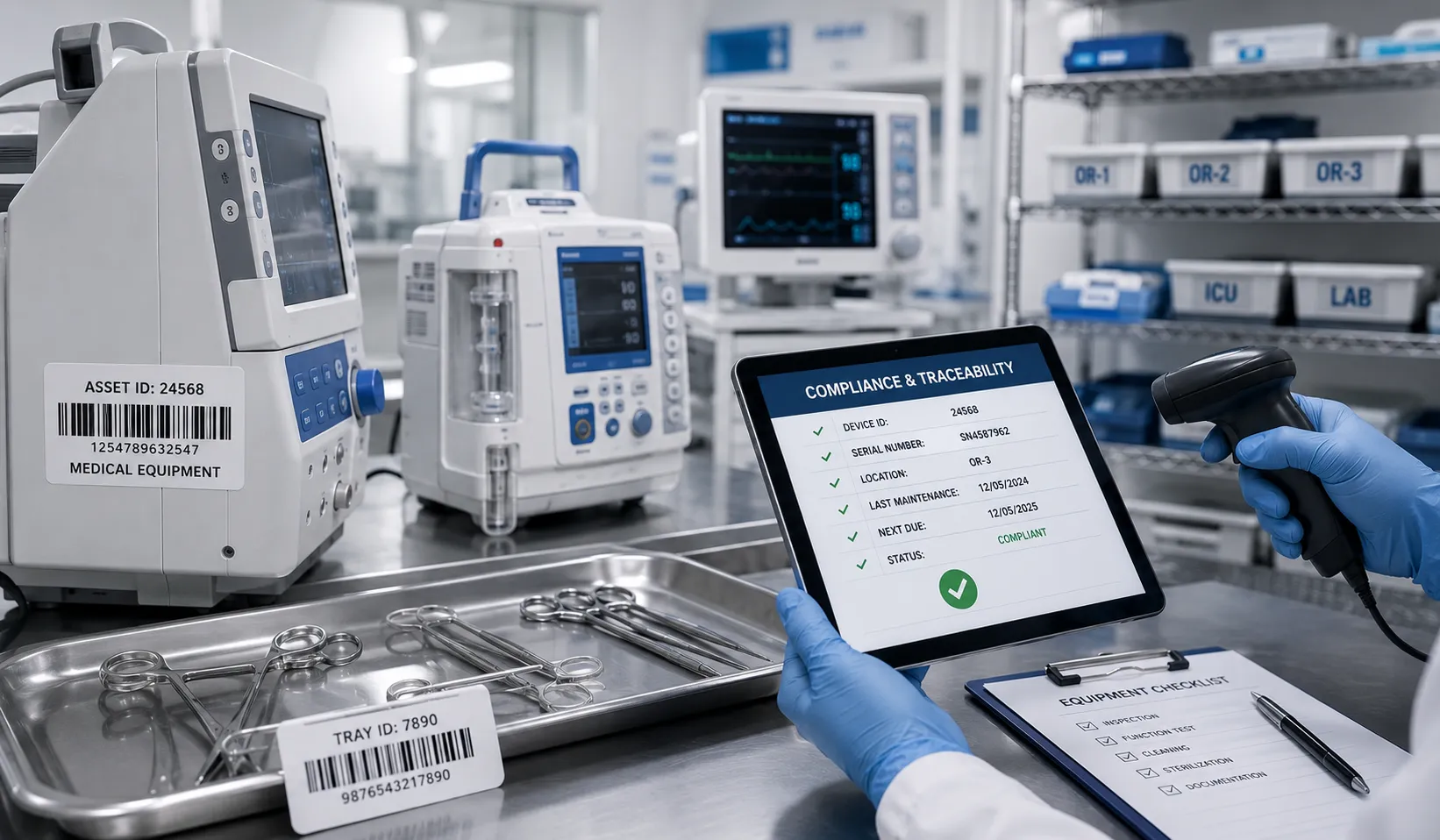
Medical equipment moves through a complex journey from manufacturing facilities to hospitals, clinics, laboratories, distributors, and healthcare providers. Throughout this lifecycle, healthcare organisations must be able to accurately identify, monitor, and manage each piece of equipment. Equipment traceability and compliance play a vital role in supporting quality management, inventory control, regulatory requirements, maintenance planning, and patient safety.
Traceability allows organisations to track medical equipment throughout its lifecycle, while compliance ensures products and processes meet applicable regulatory and quality requirements. Together, these practices improve operational efficiency, simplify audits, and strengthen healthcare supply chain management.
This guide explains the importance of equipment traceability and compliance and outlines the best practices healthcare organisations should follow.
What Is Equipment Traceability?
Equipment traceability is the ability to identify and monitor medical equipment throughout its entire lifecycle.
Traceability typically includes:
-
Manufacturing records.
-
Serial numbers.
-
Model identification.
-
Batch or lot numbers, where applicable.
-
Shipping records.
-
Warehouse movements.
-
Installation details.
-
Maintenance history.
-
Asset location.
-
End-of-life records.
Maintaining complete traceability helps organisations manage equipment more effectively while supporting regulatory expectations.
What Is Equipment Compliance?
Equipment compliance refers to meeting applicable regulatory, quality, and operational requirements throughout the product lifecycle.
Compliance may involve:
-
Product documentation.
-
Quality management systems.
-
Equipment labeling.
-
Maintenance procedures.
-
Technical records.
-
Regulatory requirements.
-
Product identification.
-
Distribution documentation.
Compliance responsibilities may differ depending on the country, product category, and intended use.
Why Traceability Matters
Effective traceability provides several operational benefits.
These include:
Improved Asset Management – Organizations know where equipment is located and how it is being used.
Better Inventory Control – Equipment movements can be monitored accurately across departments and facilities.
Simplified Maintenance Planning – Service history supports preventive maintenance scheduling.
Efficient Equipment Identification – Serial numbers and asset records reduce confusion when managing multiple devices.
Improved Regulatory Readiness – Well-organised records simplify inspections and internal audits.
Healthcare organisations sourcing medical equipment can explore procurement solutions through buyer services.
Equipment Identification
Every medical device should have clear identification.
Common identifiers include:
-
Product name.
-
Model number.
-
Serial number.
-
Manufacturer information.
-
Asset identification number.
-
Barcode.
-
RFID tag, where applicable.
Accurate identification supports inventory management and long-term asset tracking.
Asset Management Systems
Digital asset management systems help healthcare organisations maintain equipment records.
These systems may include:
-
Equipment registration.
-
Asset location tracking.
-
Service schedules.
-
Warranty information.
-
Inspection records.
-
Equipment status.
-
Lifecycle reporting.
Digital systems improve visibility across healthcare facilities while reducing manual recordkeeping.
Barcode and RFID Technology
Healthcare organisations increasingly use barcode and RFID technologies to improve traceability.
Benefits include:
-
Faster equipment identification.
-
Reduced manual data entry.
-
Improved inventory accuracy.
-
Real-time location tracking.
-
Efficient stock management.
These technologies simplify the movement of equipment across hospitals and warehouses.
Documentation Supports Traceability
Accurate documentation is essential for maintaining complete equipment histories.
Important records include:
-
Purchase documentation.
-
Shipping records.
-
Installation reports.
-
User manuals.
-
Warranty documents.
-
Maintenance logs.
-
Calibration records.
-
Inspection reports.
Proper documentation helps maintain traceability throughout the equipment lifecycle.
Healthcare suppliers expanding their distribution operations can explore: business suppliers.
Preventive Maintenance Records
Maintenance documentation is an important part of equipment traceability.
Typical records include:
-
Preventive maintenance dates.
-
Inspection reports.
-
Calibration activities.
-
Repairs completed.
-
Parts replaced.
-
Service provider information.
Maintenance history helps organisations make informed decisions regarding servicing and equipment replacement.
Inventory Tracking
Inventory tracking helps healthcare organisations maintain accurate equipment records.
Tracking activities include:
-
Equipment receipt.
-
Warehouse storage.
-
Department transfers.
-
Loan equipment.
-
Asset relocation.
-
Disposal records.
Accurate inventory management reduces equipment loss while improving operational efficiency.
Compliance Documentation
Healthcare organisations should maintain organised compliance records.
These may include:
-
Technical documentation.
-
Product specifications.
-
Equipment manuals.
-
Quality records.
-
Import documentation.
-
Distribution records.
-
Regulatory documentation, where applicable.
Well-maintained records support inspections and internal quality processes.
Staff Training
Employees responsible for medical equipment should understand traceability procedures.
Training may cover:
-
Asset identification.
-
Documentation practices.
-
Inventory systems.
-
Equipment handling.
-
Record management.
-
Reporting procedures.
Consistent training improves compliance while reducing administrative errors.
Healthcare organisations interested in strategic partnerships can explore: business partners.
Internal Audits
Regular audits help verify the accuracy of equipment records.
Audit activities may include:
-
Asset verification.
-
Documentation review.
-
Inventory reconciliation.
-
Maintenance record checks.
-
Equipment identification.
-
Compliance reviews.
Routine audits help identify discrepancies before they become operational issues.
Technology Supporting Traceability
Modern healthcare organisations increasingly adopt digital technologies.
Examples include:
-
Cloud-based asset management.
-
RFID tracking systems.
-
Barcode scanning.
-
Mobile inventory applications.
-
Artificial intelligence analytics.
-
Internet of Medical Things (IoMT).
These technologies improve equipment visibility while supporting operational efficiency.
Future Trends
Equipment traceability continues evolving through digital transformation.
Emerging developments include:
-
Artificial intelligence asset analytics.
-
Blockchain-based traceability.
-
Automated inventory systems.
-
Cloud-connected healthcare platforms.
-
Predictive maintenance.
-
Smart equipment monitoring.
-
Digital compliance management.
These innovations are expected to strengthen equipment management while improving healthcare supply chain transparency.
Businesses seeking greater visibility within the healthcare industry can discover opportunities through business aadvertising
For sourcing assistance, procurement guidance, and product enquiries, support is available through the Contact Team
Conclusion
Equipment traceability and compliance are essential components of effective healthcare asset management. Accurate identification, organised documentation, preventive maintenance records, digital inventory systems, and structured compliance processes help healthcare organisations improve operational efficiency while supporting quality management and regulatory readiness.
By investing in modern asset management technologies and maintaining complete equipment records throughout the product lifecycle, healthcare organisations can strengthen supply chain visibility, improve maintenance planning, and support reliable healthcare operations.
Disclaimer
Medigear.uk is a medical equipment supplier and distributor. We do not provide legal, regulatory, certification, or compliance consulting services. This article is for general educational and informational purposes only. Traceability requirements, compliance obligations, and documentation standards vary by country, product type, manufacturer, and applicable regulations. Healthcare organisations should consult qualified regulatory professionals, manufacturers, and relevant authorities when establishing equipment traceability and compliance procedures.