Surgical equipment plays a vital role in modern operating rooms, supporting patient positioning, monitoring, anaesthesia delivery, imaging, sterilization, and surgical procedures. To maintain performance, reliability, and operational readiness, healthcare facilities must implement structured maintenance programs for all surgical devices.
Proper maintenance not only helps reduce unexpected equipment failures but also supports workflow efficiency, equipment longevity, and regulatory compliance. Hospitals, ambulatory surgical centres, and speciality surgical facilities depend on preventive maintenance strategies to ensure critical equipment remains available when needed.
This guide explains common surgical equipment maintenance practices, their importance, and how healthcare organizations can develop effective maintenance programs.
Why Surgical Equipment Maintenance Is Important
Operating rooms depend on multiple interconnected systems working together seamlessly.
Objectives of Maintenance Programs
Effective maintenance helps support:
-
Equipment reliability
-
Operational readiness
-
Workflow continuity
-
Patient safety
-
Cost control
-
Equipment lifespan
Reducing Unexpected Equipment Downtime – Preventive servicing helps identify issues before equipment failure occurs.
Supporting Consistent Operating Room Performance – Reliable equipment contributes to smoother surgical workflows.
Healthcare facilities evaluating infrastructure management often review sourcing support resources available through Buyers Services.
Preventive Maintenance Programs
Preventive maintenance is one of the most common and effective maintenance approaches used in healthcare facilities.
What Preventive Maintenance Includes
Typical activities include:
-
Scheduled inspections
-
Functional testing
-
Calibration verification
-
Cleaning procedures
-
Software updates
-
Safety testing
Supporting Long-Term Equipment Reliability – Routine servicing helps preserve operational performance.
Reducing Emergency Repair Requirements – Early detection of issues minimizes unexpected breakdowns.
Hospitals modernizing their equipment management strategies may also find value in Medigear.uk’s educational guide on preventive maintenance for laboratory devices.
Visual Inspection Procedures
Regular visual inspections help identify signs of wear before performance issues develop.
Common Inspection Areas
-
Cables and connectors
-
Display screens
-
Moving components
-
Mounting systems
-
Protective covers
-
Control panels
Supporting Early Problem Detection – Visible damage often indicates potential future failures.
Improving Maintenance Planning – Inspections help prioritize service activities.
Cleaning and Disinfection
Operating room equipment is exposed to demanding healthcare environments and requires regular cleaning.
Equipment Commonly Cleaned
-
Surgical tables
-
Patient monitors
-
Surgical lights
-
Anesthesia workstations
-
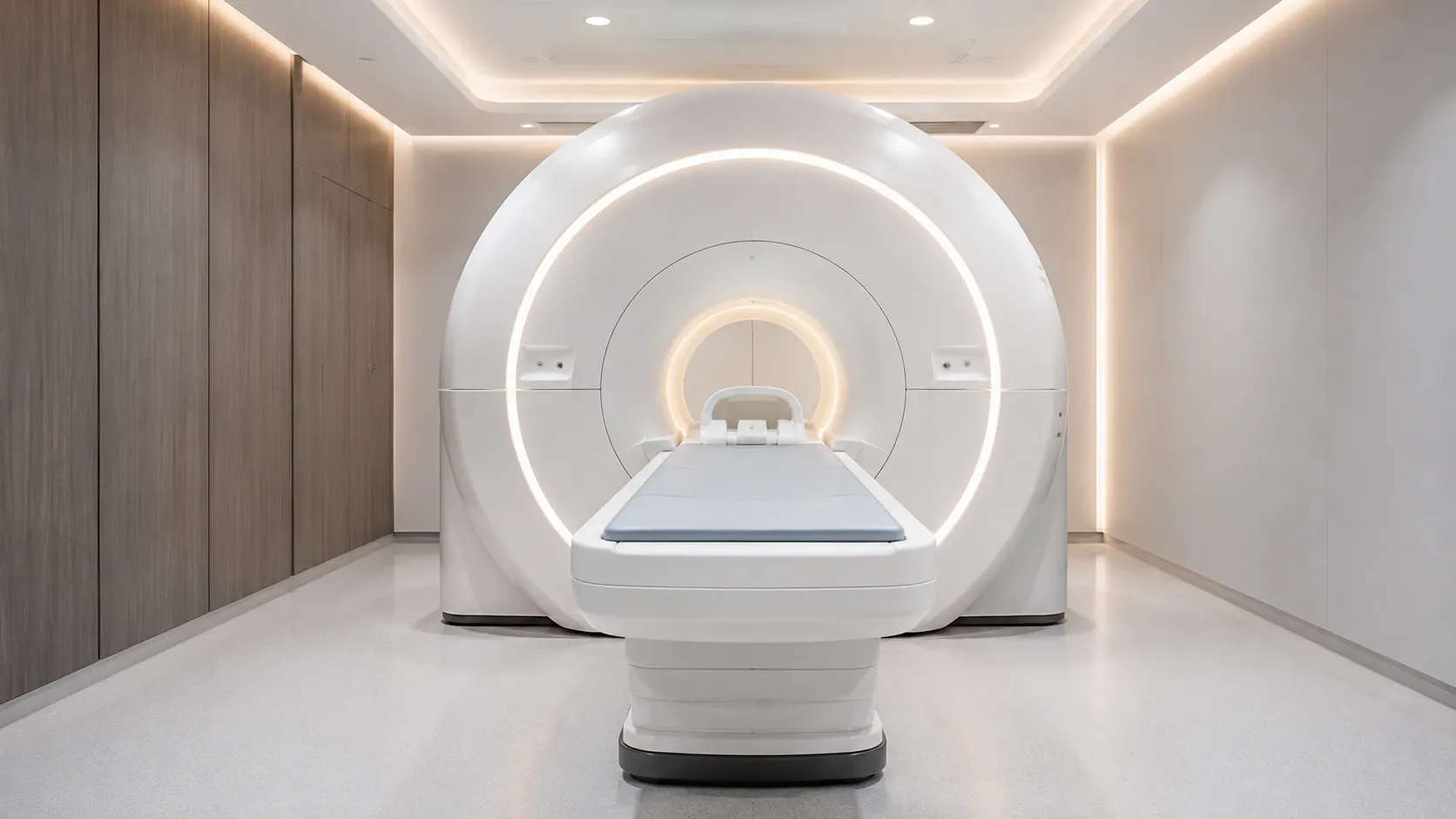
Imaging systems
-
Infusion pumps
Maintaining Equipment Appearance and Functionality – Proper cleaning helps preserve device performance.
Supporting Infection Prevention Protocols – Regular disinfection helps maintain hygiene standards in healthcare.
Healthcare suppliers supporting the development of surgical infrastructure may also explore collaboration opportunities through business Suppliers.
Electrical Safety Testing
Many surgical devices rely on electrical systems for operation.
Common Electrical Safety Checks
-
Ground continuity testing
-
Leakage current testing
-
Power cord inspection
-
Battery verification
-
Outlet compatibility checks
Supporting Safe Equipment Operation – Electrical testing helps identify potential safety risks.
Reducing Unexpected Equipment Failure – Routine testing improves operational reliability.
Calibration Verification
Certain surgical devices require regular calibration checks to maintain performance consistency.
Equipment Commonly Requiring Calibration
-
Patient monitors
-
Anesthesia machines
-
Infusion pumps
-
Surgical imaging systems
-
Electrosurgical units
Supporting Equipment Accuracy – Calibration helps maintain stable device performance.
Improving Operational Consistency – Regular verification reduces performance variability.
Healthcare organizations exploring healthcare technology partnerships may also review opportunities available through business Partners.
Mechanical System Maintenance
Many operating room devices contain moving parts that require inspection and servicing.
Common Mechanical Components
-
Surgical table mechanisms
-
Light suspension arms
-
Mobile equipment wheels
-
Positioning systems
-
Locking devices
Reducing Wear-Related Failures – Mechanical inspections help identify component degradation.
Supporting Smooth Equipment Operation – Proper maintenance preserves functionality and usability.
Battery and Backup Power Maintenance
Battery-operated devices require ongoing performance monitoring.
Common Battery Maintenance Tasks
-
Charge testing
-
Runtime verification
-
Replacement scheduling
-
Backup power checks
Equipment Frequently Using Batteries
-
Defibrillators
-
Infusion pumps
-
Portable monitors
-
Mobile imaging systems
Supporting Emergency Preparedness – Reliable battery performance ensures equipment availability during power disruptions.
Reducing Unexpected Operational Interruptions – Regular testing helps prevent battery-related failures.
Facilities reviewing broader surgical planning often compare workflow considerations alongside operating room equipment checklists and emergency preparedness strategies.
Software and Firmware Updates
Modern surgical equipment increasingly relies on digital systems and software-based functionality.
Common Update Activities
-
Firmware updates
-
Security patches
-
System optimization
-
Compatibility improvements
Improving System Stability – Updated software helps maintain operational performance.
Supporting Cybersecurity Requirements – Security updates help protect connected healthcare systems.
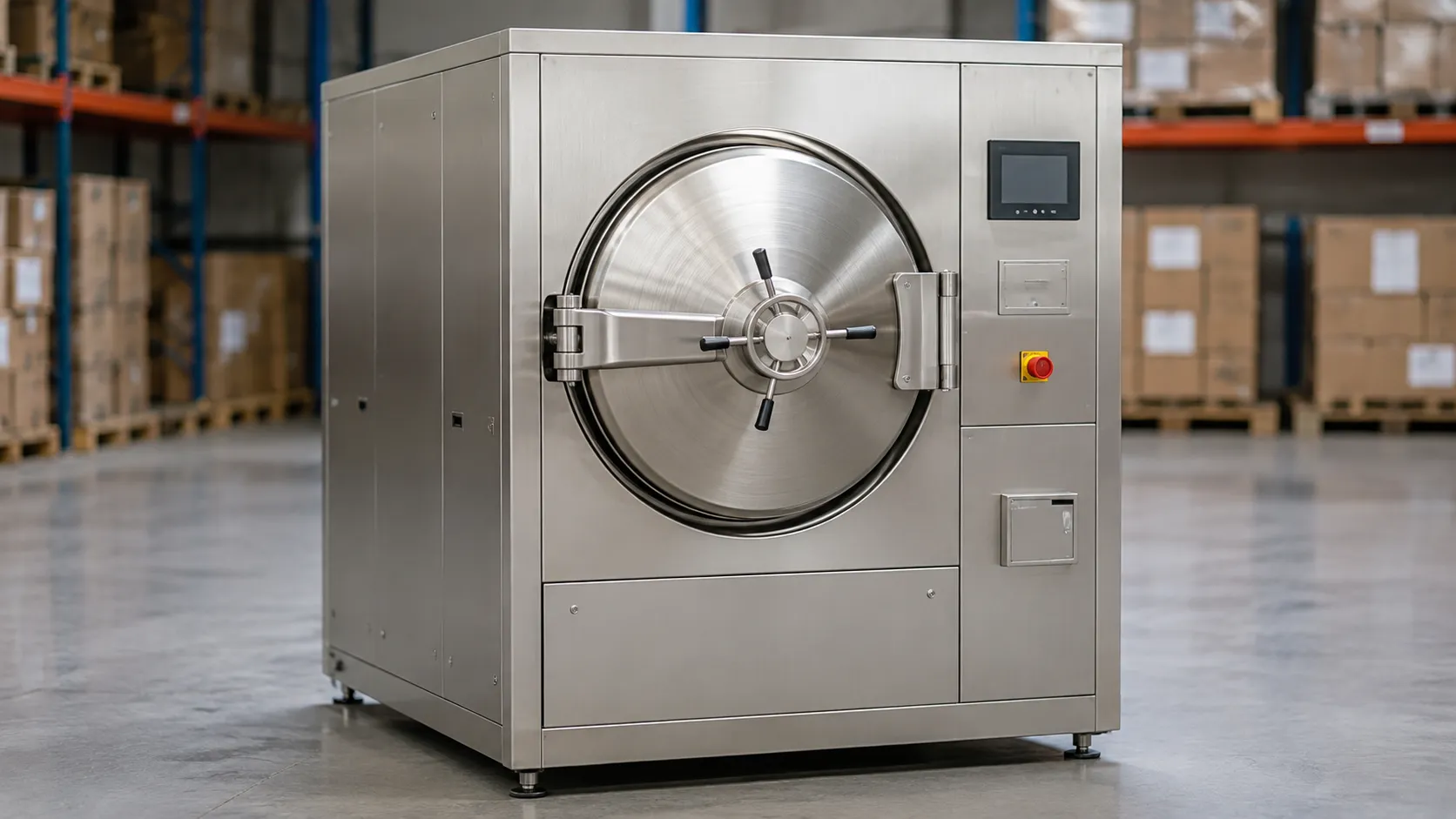
Sterilisation Equipment Maintenance
Sterilisation systems require specialised maintenance due to their critical role in instrument processing.
Common Maintenance Procedures
-
Seal inspections
-
Temperature verification
-
Pressure testing
-
Cycle validation
-
Water quality checks
Supporting Consistent Sterilisation Performance – Routine servicing helps maintain processing reliability.
Reducing Workflow Disruptions – Proper maintenance helps ensure instrument availability.
Healthcare companies interested in improving visibility within the healthcare equipment industry may also explore promotional opportunities through business Advertise.
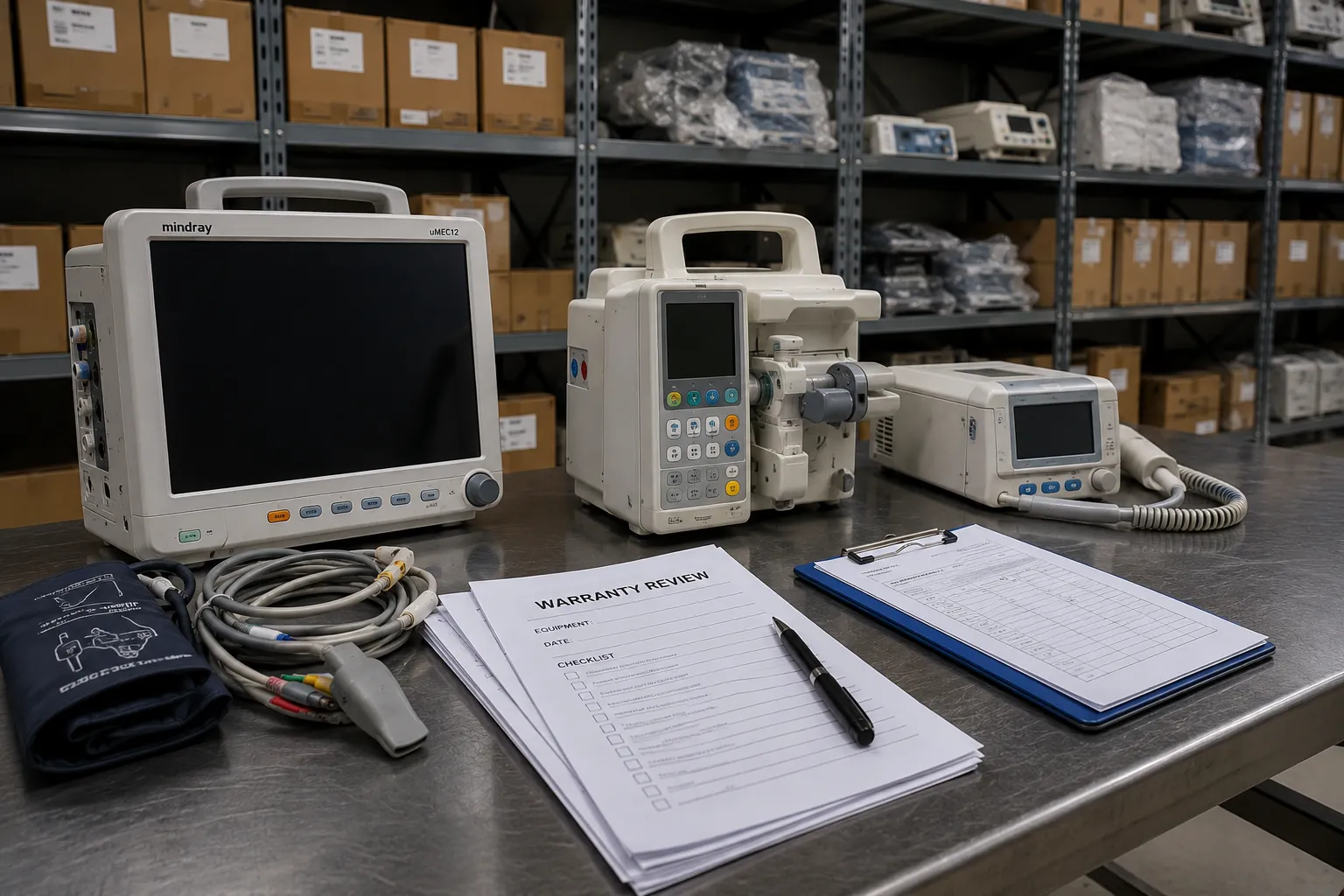
Documentation and Service Records
Maintenance documentation is an essential part of equipment management.
Common Records Maintained
-
Service reports
-
Calibration certificates
-
Inspection logs
-
Repair histories
-
Maintenance schedules
Improving Equipment Traceability – Documentation supports better lifecycle management.
Supporting Regulatory Compliance – Accurate records help demonstrate maintenance activities.
Staff Training and User Awareness
Equipment maintenance extends beyond technical servicing.
Important Training Topics
-
Daily inspection procedures
-
Proper equipment handling
-
Basic troubleshooting
-
Cleaning protocols
-
Error reporting processes
Supporting Better Equipment Care – Trained users often identify issues earlier.
Reducing User-Related Equipment Damage – Proper handling improves equipment longevity.
Predictive Maintenance Technologies
Healthcare facilities increasingly use technology-driven maintenance strategies.
Emerging Predictive Maintenance Features
-
Remote monitoring
-
Automated service alerts
-
Performance analytics
-
Sensor-based diagnostics
-
Equipment health monitoring
Supporting Earlier Problem Detection – Predictive systems help identify issues before failure occurs.
Improving Maintenance Efficiency – Data-driven servicing improves resource planning.
Facilities modernizing surgical infrastructure often compare predictive maintenance strategies alongside smart operating room technologies and connected equipment systems.
Best Practices for Surgical Equipment Maintenance
Healthcare facilities can improve equipment reliability by following structured maintenance programs.
Recommended Practices
-
Maintain preventive maintenance schedules
-
Perform regular inspections
-
Track calibration records
-
Conduct electrical safety testing
-
Train equipment users
-
Maintain service documentation
-
Monitor equipment performance trends
Supporting Long-Term Equipment Reliability – Consistent maintenance practices help preserve operational readiness.
Reducing Total Cost of Ownership – Preventive care often lowers long-term repair expenses.
Healthcare facilities seeking surgical equipment management support or procurement guidance can connect with the Contact Team for additional information.
Disclaimer
Medigear.uk is a medical equipment supplier and distributor. We do not provide medical advice, diagnosis, or treatment recommendations. All information is for educational and product awareness purposes only. Qualified medical professionals should always make healthcare decisions.