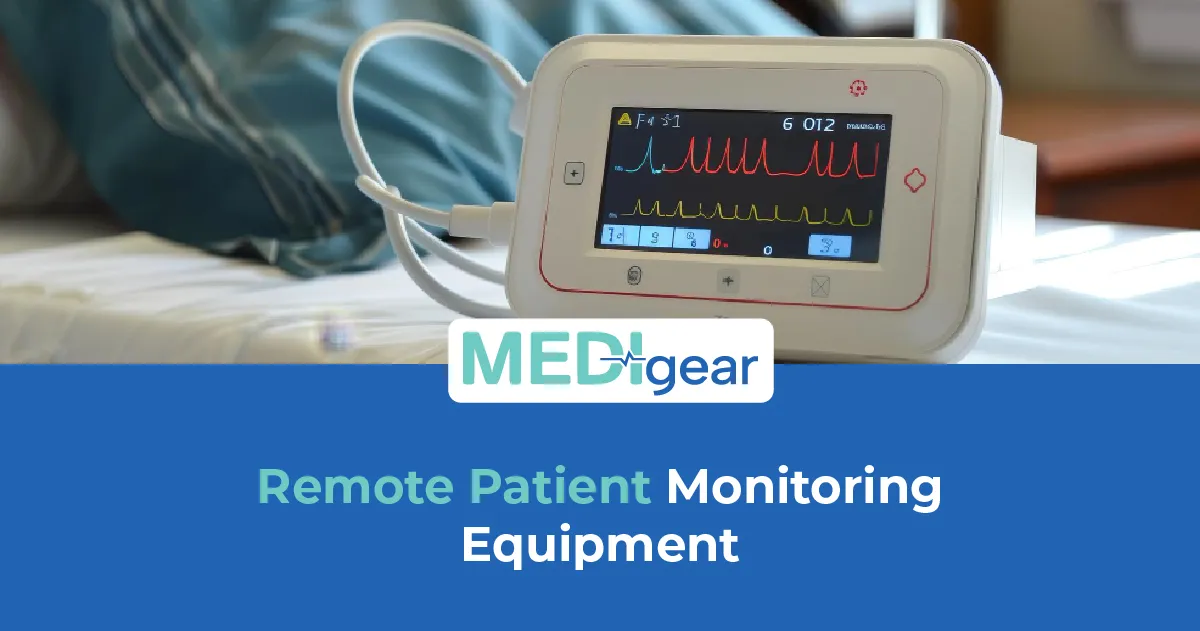
Healthcare delivery is expanding beyond traditional clinical settings, and remote patient monitoring (RPM) equipment is playing an increasingly important role in this transformation. By collecting and transmitting health information from multiple locations, these devices help healthcare professionals monitor patients' conditions while reducing the need for frequent in-person visits.
From home healthcare programs to long-term care facilities and outpatient services, remote patient monitoring equipment supports flexible healthcare management. Understanding the available technologies and procurement considerations can help organisations select solutions that fit their operational needs.
Understanding Remote Patient Monitoring Equipment
Remote patient monitoring equipment consists of devices that measure physiological data and transmit it to healthcare professionals or care teams via digital systems.
Commonly monitored parameters may include:
-
Blood pressure.
-
Heart rate.
-
Oxygen saturation.
-
Body temperature.
-
Blood glucose levels.
-
Body weight.
-
Respiratory rate.
These devices help simplify data collection while supporting ongoing patient observation.
Common Types of Remote Patient Monitoring Equipment
Different healthcare requirements call for different monitoring solutions.
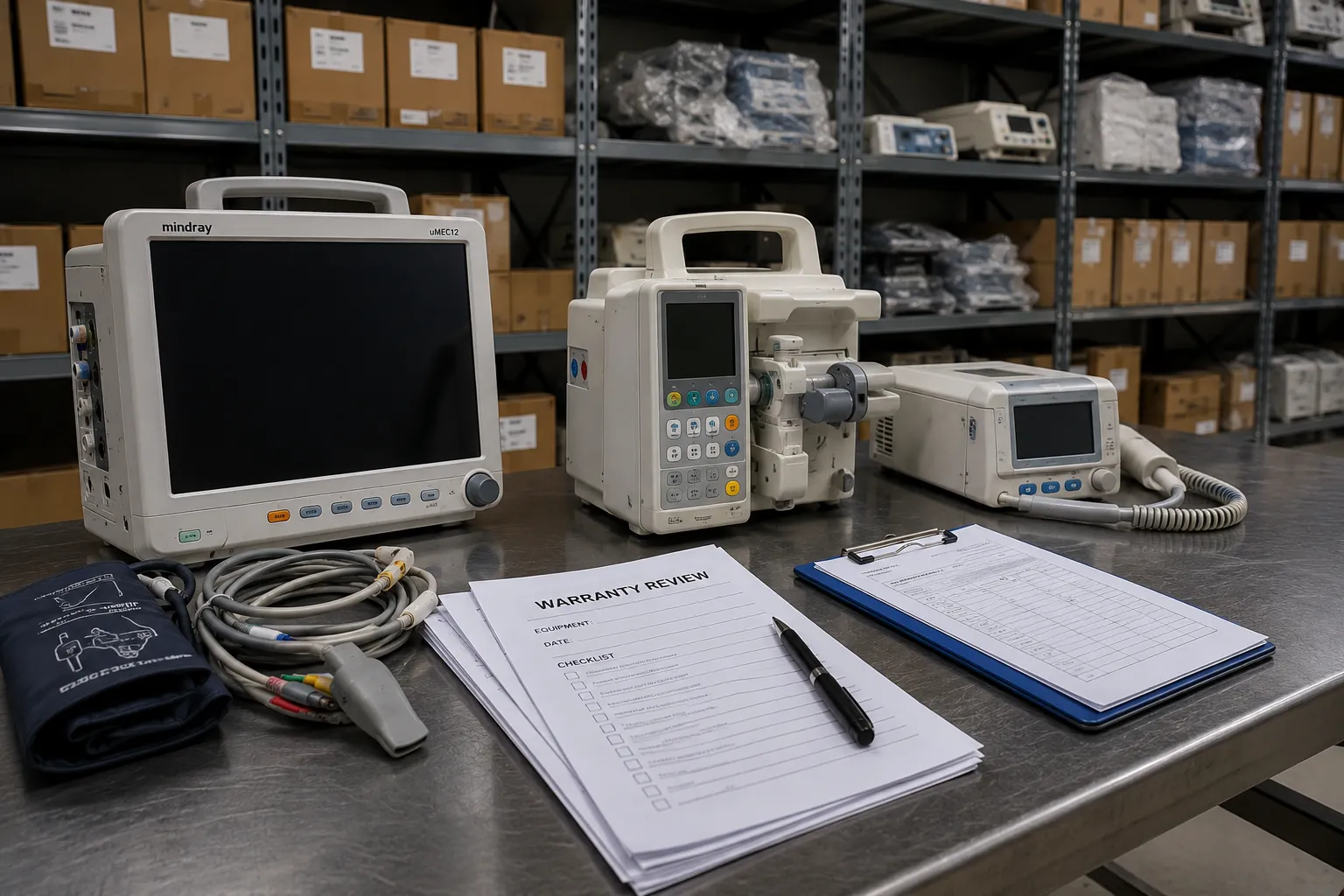
Portable Vital Signs Monitors - These compact systems can track multiple physiological measurements.
Supporting Flexible Monitoring – Easy to transport and deploy.
Providing Multiple Measurements – Several parameters may be displayed simultaneously.
Improving Workflow Efficiency – Simplifies routine observations.
Digital Blood Pressure Monitors - Digital blood pressure devices allow regular measurements with simple operation.
Quick Readings – Support routine assessments.
Compact Design – Suitable for a variety of environments.
Digital Displays – Improve readability.
Pulse Oximeters - Measure oxygen saturation and pulse rate non-invasively.
Their portable size and straightforward operation make them widely used monitoring devices.
Blood Glucose Monitoring Systems - Blood glucose monitors help collect blood sugar measurements for ongoing health management.
Modern systems often provide digital data storage and easy-to-read displays.
Smart Weight Monitoring Devices - Weight monitoring equipment can support routine health assessments by recording body weight changes over time.
Healthcare organisations exploring equipment sourcing opportunities can learn more through the buyer services.
Features That Buyers Should Consider
Selecting remote patient monitoring equipment involves evaluating practical operational factors.
Wireless Connectivity – Supports digital information transfer.
Battery Performance – Portable devices benefit from extended operating times.
User-Friendly Interfaces – Simple displays improve usability.
Data Storage Capacity – Helps organise patient information.
Compact Construction – Portable designs simplify transportation.
Alarm Functions – Notifications can support monitoring activities.
Advantages of Remote Patient Monitoring Equipment
Remote monitoring technology provides several operational benefits.
Increasing Healthcare Accessibility – Monitoring can occur in various settings.
Supporting Flexible Care Models – Equipment adapts to changing healthcare environments.
Reducing Equipment Movement – Portable systems simplify deployment.
Enhancing Information Management – Digital records improve data organisation.
Equipment Maintenance and Care
Routine maintenance supports reliable performance and long-term equipment value.
Battery Checks – Rechargeable systems require regular inspection.
Sensor Maintenance – Components should remain clean and functional.
Display Cleaning – Clear screens improve operation.
Software Updates – Digital systems may require periodic updates.
Routine Testing – Functional checks help identify issues early.
Preventive maintenance can reduce unexpected downtime.
Healthcare suppliers interested in expanding distribution opportunities can discover more through business suppliers.
Procurement Considerations
Healthcare buyers often evaluate several factors before purchasing remote monitoring equipment.
Consider:
-
Intended healthcare setting.
-
Required monitoring functions.
-
Ease of operation.
-
Battery life.
-
Connectivity options.
-
Data management capabilities.
-
Maintenance requirements.
-
Future scalability.
Careful planning can improve long-term operational efficiency.
Industry Trends
Remote patient monitoring continues to evolve alongside healthcare technology.
Emerging developments include:
Cloud-Based Data Management – Simplifies information storage.
Artificial Intelligence Integration – Supports data analysis.
Wireless Device Connectivity – Enhances communication.
Compact Equipment Designs – Improve portability.
Extended Battery Technology – Supports longer operating periods.
Healthcare organisations interested in collaborative opportunities can explore: business partners.
Businesses wishing to increase their healthcare industry presence can learn more through: business Advertise
For product enquiries and procurement assistance, support is available through the contact team.
Preparing for the Future of Healthcare
Remote patient monitoring equipment continues to support changing healthcare delivery models by enabling flexible observation and efficient information management. As healthcare services expand beyond traditional facilities, portable and connected monitoring devices are becoming valuable tools for operational planning and patient support.
Selecting suitable equipment requires balancing functionality, portability, maintenance, and future technological adaptability to meet evolving healthcare needs.
Disclaimer: Medigear.uk is a medical equipment supplier and distributor. We do not provide medical advice, diagnosis, or treatment recommendations. All information is for educational and product awareness purposes only. Qualified medical professionals should always make healthcare decisions.