Behind every functioning hospital lies a core of medical equipment that must be present. These are the items a ward, a theatre or a resuscitation call cannot do without. While individually familiar, together they form the backbone of safe care across a whole site.
Thinking of this equipment as a set, rather than a shopping list, helps a hospital see where it is well covered and where a gap would leave a service exposed. A missing monitor or a broken suction unit is immediately apparent, so this core is deliberately planned rather than assembled piece by piece.
The 50 medical equipment items listed below are those a general hospital needs to have on hand. They are grouped by the job they do into five of ten areas, which is a useful way to check that a service is properly equipped across the board. Grouping them this way also makes it easy to see, at a glance, whether a service is well covered or quietly exposed in one area.
How the fifty are grouped
The equipment falls into five areas: monitoring and diagnostics, life support and critical care, beds, mobility and furniture, theatre and procedure, and sterilisation and ward support. Each area tends to be reviewed together, since a gap in one rarely stands alone.
Monitoring and diagnostics
Assessing and monitoring patients is a part of every aspect of a hospital, so this equipment is in near-constant use. Reliable, well-maintained monitoring underpins safe decisions everywhere. Because monitoring runs throughout the whole hospital, this group is standardised across wards wherever possible, which keeps staff confident with every device.
-
Patient monitors — continuous bedside display of vital signs.
-
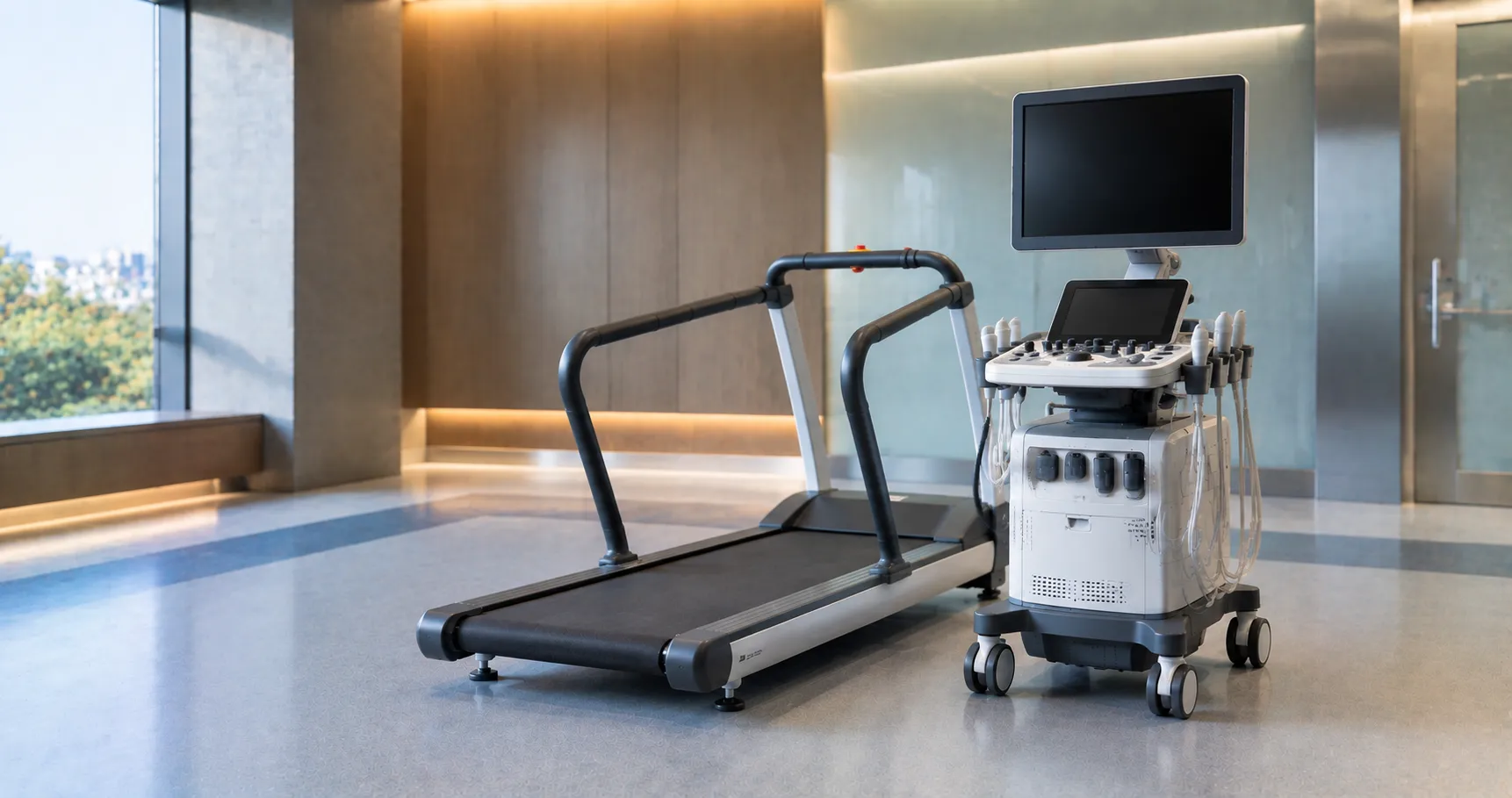
ECG machines — tracing the heart's rhythm on paper or screen.
-
Pulse oximeters — clipping onto a finger to read oxygen levels.
-
Blood pressure monitors — automated cuffs for routine observations.
-
Digital thermometers — fast, single-use-tip temperature checks.
-
Stethoscopes — listening to heart, lung and bowel sounds.
-
Otoscopes — lighting and magnifying the ear canal.
-
Ophthalmoscopes — viewing the retina and back of the eye.
-
Weighing scales — chair, platform and baby scales for accurate weights.
-
Blood glucose meters — a drop of blood gives a sugar reading.
Life support and critical care
When a patient is acutely unwell, this equipment supports and sustains them. It is where reliability matters most, so it is maintained and checked with particular care. Downtime here is never acceptable, so backup provision and rapid servicing are planned around this group from the outset.
-
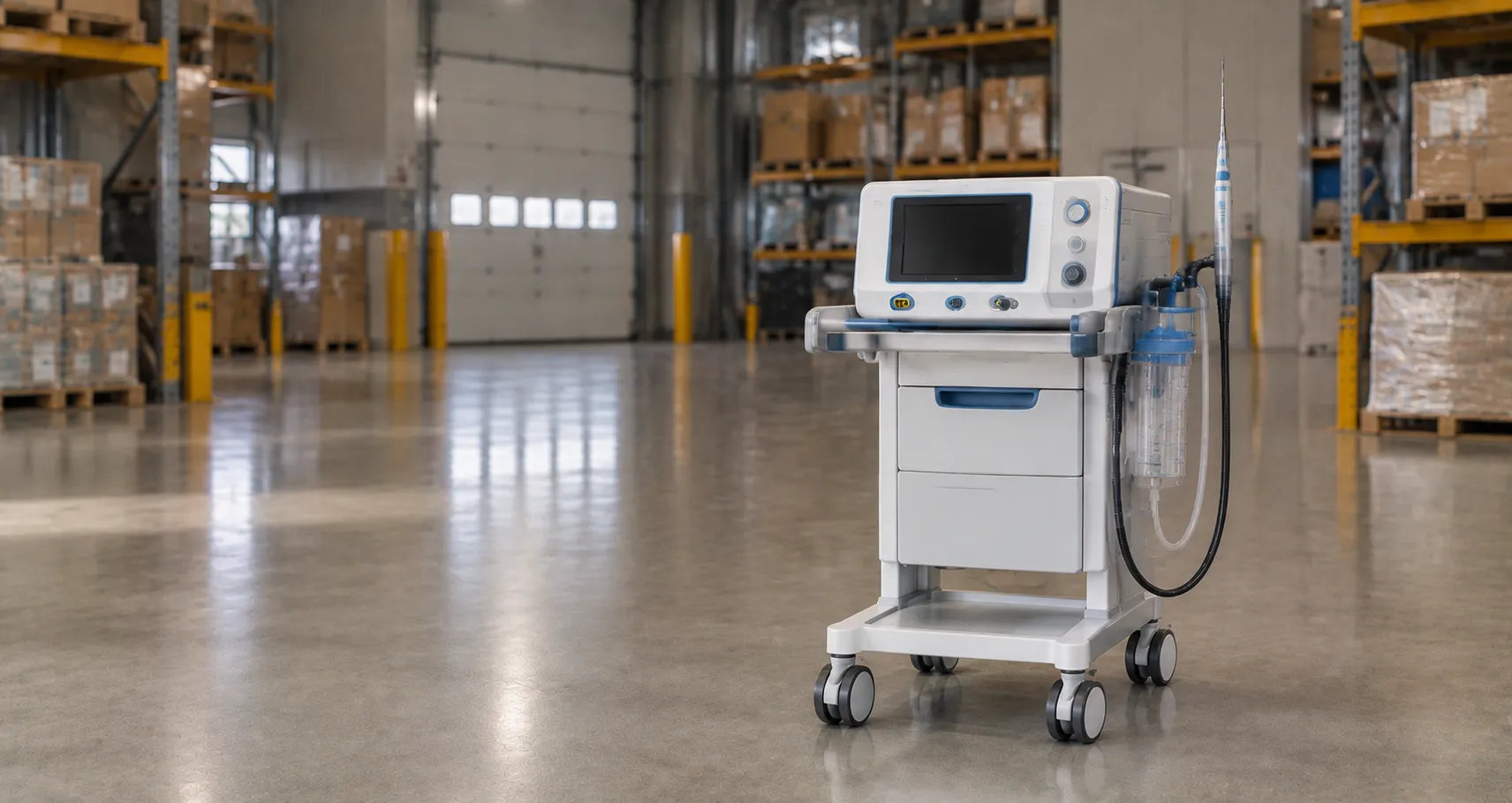
Ventilators — mechanically supporting or replacing breathing.
-
Defibrillators — delivering a shock to restore heart rhythm.
-
Infusion pumps — driving fluids and drugs at a set rate.
-
Syringe drivers — delivering small, precise drug volumes.
-
Suction units — vacuum that clears fluid from airways.
-
Oxygen concentrators — producing oxygen from room air.
-
Nebulisers — turning liquid medicine into a fine mist.
-
Anaesthesia machines — delivering and controlling anaesthetic gases.
-
Patient warmers — keeping patients warm through long procedures.
-
Resuscitation trolleys — carrying emergency drugs and airway kit.
Beds, mobility and furniture
Patients need somewhere safe to rest and a way to move around the hospital. This area covers the beds, furniture and mobility equipment a ward relies on. Comfort and safe handling both matter, so this group is chosen with the needs of both patients and staff clearly in mind.
-
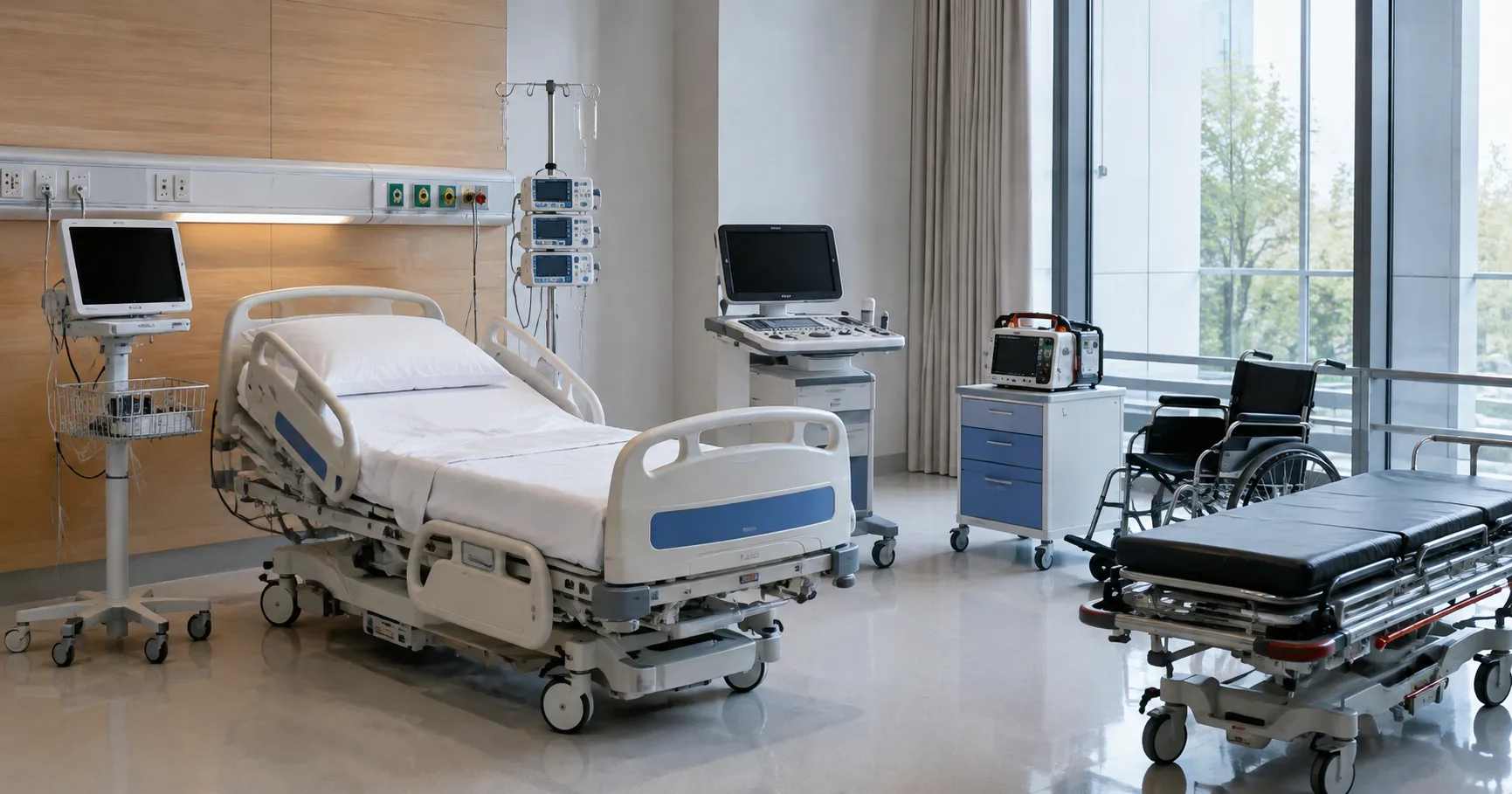
Hospital beds — height-adjustable, profiling beds for inpatients.
-
Pressure mattresses — redistributing weight to protect the skin.
-
Wheelchairs — pushed or self-propelled seating on wheels.
-
Patient trolleys — moving patients between departments.
-
Bedside cabinets — a lockable home for a patient's things.
-
Overbed tables — a table that swings across the bed for meals.
-
Examination couches — padded couches for examining patients.
-
Patient hoists — mechanically lifting patients who cannot bear weight.
-
Commodes — a movable toilet chair for the bedside.
-
IV stands — wheeled poles that hang drips above the patient.
Theatre and procedure
Operating and carrying out procedures relies on dedicated, dependable equipment. This area equips the theatre and procedure rooms. Much of this equipment is fixed or shared, so it is planned with the theatre team and estates together rather than in isolation.
-
Operating tables — positioning and holding patients for surgery.
-
Surgical lights — bright, shadow-free light over the field.
-
Electrosurgical units — cutting tissue and sealing vessels with current.
-
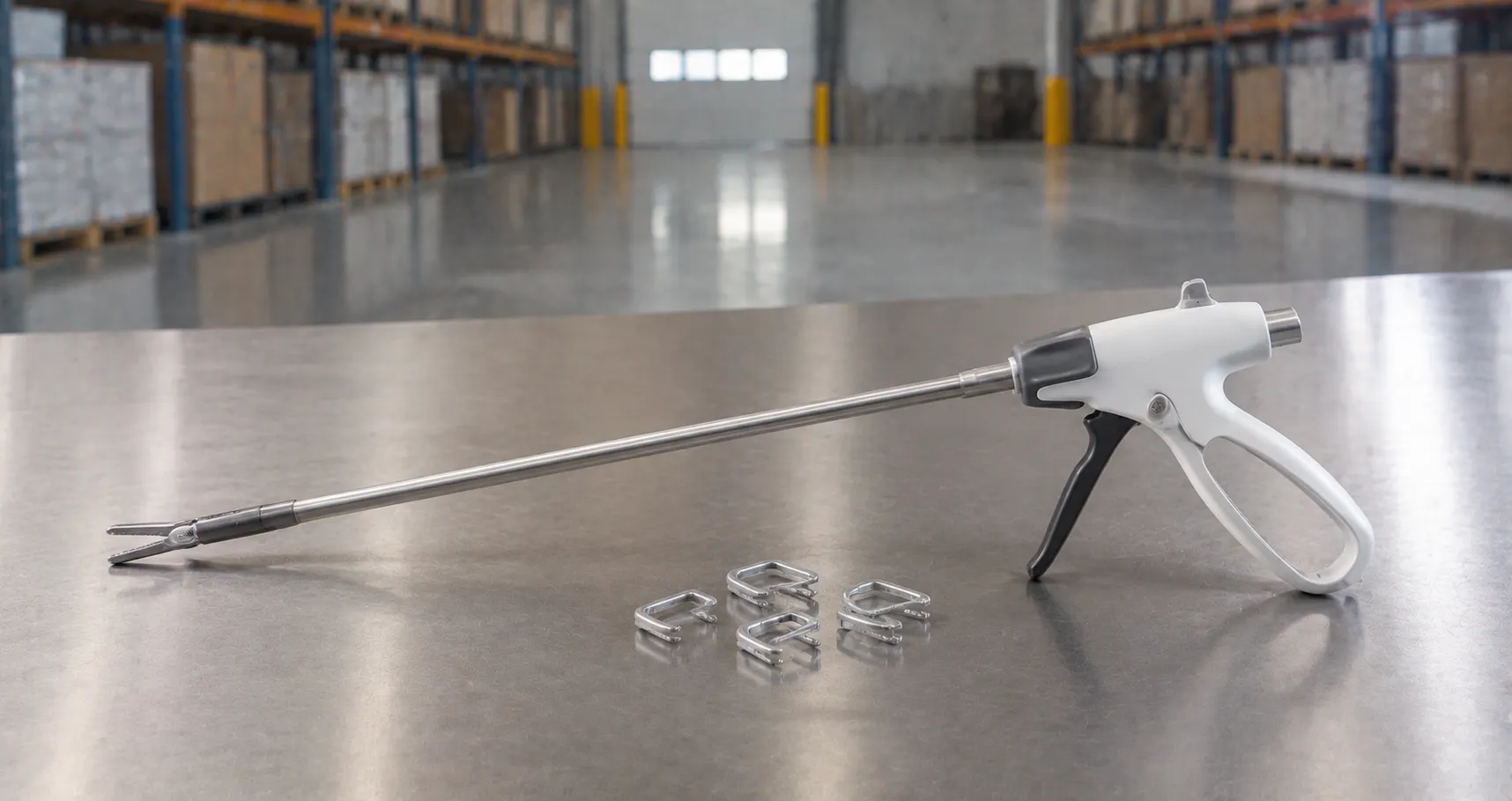
Surgical instrument sets — the graded tools for each procedure.
-
Theatre trolleys — wheeled surfaces that keep tools to hand.
-
Sterile drapes — barrier sheets that ring off the operating site.
-
Diathermy units — coagulating tissue to limit bleeding.
-
Positioning aids — pads and supports that hold patients safely.
-
Surgical suction — removing blood and fluid from the field.
-
Instrument trays — presenting sterile instruments in order.
Sterilisation and ward support
Behind clinical care sits the equipment that keeps a hospital clean, stocked and safe. This area is easy to overlook yet essential to everything else. A shortfall in this group is felt right across the ward, so it is stocked and maintained with as much care as the clinical equipment.
-
Autoclaves — sterilising instruments under pressurised steam.
-
Instrument washers — washer-disinfectors that pre-clean tools.
-
Medical refrigerators — storing medicines and samples at set temperatures.
-
Dressing trolleys — a mobile surface for changing wounds.
-
Medicine cabinets — secured cupboards that govern who can access drugs.
-
Clinical waste bins — colour-coded bins for sharps and soiled waste.
-
Linen trolleys — carts that separate fresh sheets from soiled.
-
Handwashing stations — sinks and gel placed where hands get dirty.
-
Wall oxygen outlets — piped oxygen delivered at the bedside.
-
Wall suction outlets — piped suction delivered at the bedside.
Where to start
No hospital buys all fifty at once, so it helps to work outwards from the most critical: the monitoring and life-support equipment that keeps acutely unwell patients safe, then the beds and furniture that make a ward usable, then theatre and support. Ordering the list this way means a service is never left without the equipment its sickest patients depend on. Many healthcare buyers plan this kind of core purchase through Medigear.uk, building it up in a sensible order.
Points to confirm before buying
-
Criticality. Prioritise life-support and monitoring first.
-
Standardisation. Align models across the hospital where sensible.
-
Compatibility. Confirm equipment works with existing systems.
-
Servicing. Plan maintenance and support from the start.
-
Training. Ensure staff are trained on each item.
Planning the purchase
The core medical equipment a hospital owns is best planned as a whole, so monitoring, life support, beds, theatre and support all fit together and work with the systems already in place. Standardising models where sensible eases training, servicing and stock, and it keeps clinical practice consistent from ward to ward. When it comes to sourcing that core, it helps to browse medical equipment suppliers on Medigear.uk across the specialities a hospital covers.
Reliability and support matter as much as the equipment itself, since a device that cannot be serviced quickly is a device a service cannot depend on. Matching the equipment to the hospital's actual activities and reviewing it as services change keeps the core current and complete. It also helps to phase purchases sensibly, so a new or expanding service builds its core in a sensible order rather than all at once.
Standardising across the site
Where a hospital runs many similar wards, choosing the same models across them makes everyday life much simpler. Shared equipment means shared training, shared spare parts and a consistent experience for patients moving between areas, so standardisation is worth planning deliberately rather than letting each ward equip itself in its own way.
Making the core resilient
Because this equipment supports clinical care, it is helpful to consider what happens when a device is unavailable. A little spare capacity, a clear servicing route and sensible backup for the most critical items mean a single breakdown does not leave a service exposed, which matters far more here than with any optional extra.
Training and familiarity
Equipment is only as safe as the staff using it, so training belongs in the plan from the start, not as an afterthought. Where several wards share the same models, staff moving between them stay confident and quick, which is a quiet but real argument for keeping the core consistent across a site.
Servicing and safety
This equipment supports clinical care, so planned maintenance, safety testing, and staff training are all essential to keep it dependable, with life-support devices checked on schedule. The organisation should also receive the MHRA's device safety alerts and recalls, so any field safety notice reaches the clinical and engineering teams promptly.
The essentials in short
A hospital works because its core medical equipment is there and working, and grouping the fifty items by their job, prioritising the most critical, and planning servicing and standardisation turns a daunting list into a manageable, dependable core. Chosen this way, the medical equipment quietly underpins care across the whole hospital. Owned and maintained as a coherent set rather than a pile of separate purchases, it lets clinical teams get on with caring for patients. A service equipping from scratch can also talk the plan through with the Medigear.uk team.
This overview offers general procurement guidance for healthcare organisations, not clinical advice; manufacturer instructions and local hospital policy always take precedence.