
Walk into any medical equipment contract negotiation with your walk-away number already fixed, because the sales team opposite you decided theirs long before the meeting. The strongest position in a medical equipment contract negotiation is rarely the lowest opening bid; it is knowing your total budget, your genuine alternatives and the two or three concessions you are willing to trade. Decide what a good deal looks like across the whole life of the asset, then hold that line.
Leverage comes from competition and information. A supplier who knows you have shortlisted two rival systems, and who can see you understand their pricing structure, negotiates very differently from one facing a single-source buyer with a deadline. This guide is compiled from published NHS commercial practice and MHRA device guidance, and is written for UK procurement and biomedical teams who own these deals.
Lead with total cost of ownership, not the sticker price
The purchase price is the number suppliers want you to anchor on, because it hides where they actually make their margin. Push the conversation onto the five-year cost: consumables, service, software licences, training refreshers and the price of spare parts. Ask for a fully costed schedule across the expected life of the equipment, and negotiate the recurring lines as hard as the capital figure. A discount on the machine that is clawed back through inflated cartridge prices is not a saving, and a good buyer models that before signing.
Payment terms that protect your cash flow
Payment structure is a lever most buyers forget to pull. Stage payments against delivery, installation, commissioning and clinical acceptance rather than paying in full on despatch, so the supplier carries risk until the device works on your ward. Negotiate retention against snagging, agreed invoice terms, and whether financing or a managed-service model spreads the cost without hidden interest. Withholding a final tranche until acceptance testing passes is entirely reasonable and keeps the supplier engaged through go-live.
Consumables and the lock-in you must break open
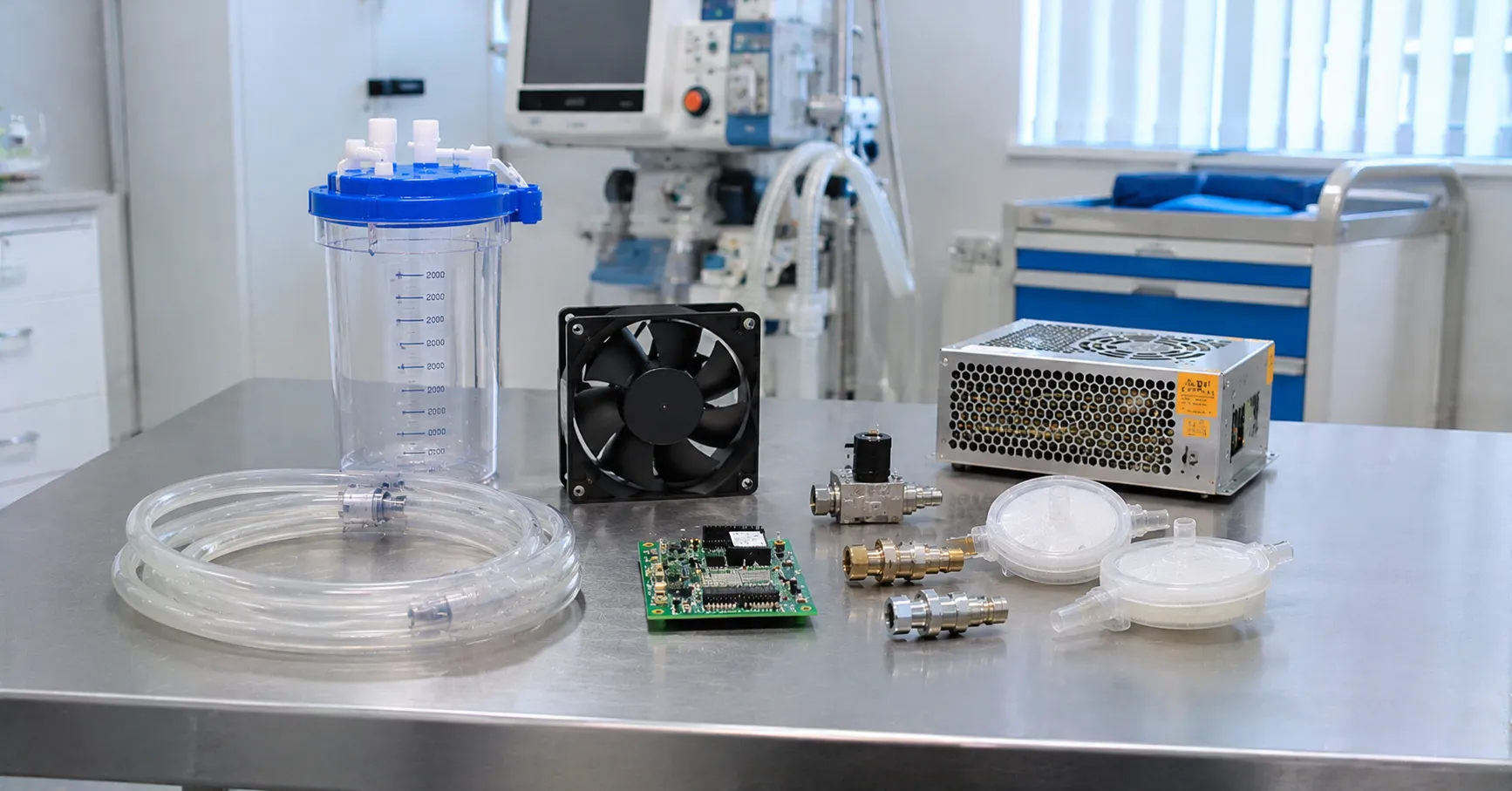
Closed consumable systems are where many contracts quietly become expensive. If the device only accepts the manufacturer's proprietary cartridges, reagents or single-use accessories, you have handed them pricing power for the equipment's whole life. Negotiate consumable pricing up front with a capped annual increase, ask whether third-party or compatible consumables are permitted without voiding cover, and get the answer in writing. Where lock-in is unavoidable, trade it for a lower capital price or a longer price freeze.
Fold training, installation and commissioning into the price
Installation, applications training and commissioning are routinely presented as extras once the headline deal is agreed. Bring them into the negotiation from the start: how many training days, for how many staff, refresher sessions when teams turn over, and who pays for de-installation of the old unit. Confirm that commissioning and acceptance testing are the supplier's responsibility and are complete before the warranty clock starts, not after.
Build service commitments into the deal
You will assess the full service and warranty terms separately, but the negotiation is where you set the ceiling. Agree the first years of cover as part of the capital deal, fix the price of the service contract that follows, and cap year-on-year uplifts. Locking future maintenance pricing at the point of purchase, while the supplier still wants the sale, is far cheaper than negotiating it once the equipment is installed and you have no alternative.
Exit clauses, price reviews and the small print
The clauses that decide who holds the power later are the ones buyers skim. Insist on clear termination rights, a defined process if the supplier fails to meet service obligations, and protection if a product is discontinued mid-contract. Pin down price-review mechanisms so uplifts are indexed and capped, not open-ended. Confirm ownership of data, software and configuration, and what happens to your records if you switch supplier. These terms rarely appear on the quote yet swing the true value of the deal.
Competitive tender, framework or sole supplier: which route gives leverage
How you buy shapes how well you can negotiate. A full competitive tender gives the most price leverage but takes time and effort, and suits high-value or fleet purchases. A national or regional framework speeds procurement and gives compliant terms, though headline prices are set and your room to move is narrower, so focus on service and consumables instead. A genuine sole-source purchase leaves least leverage, so build in benchmarking clauses and future price protection to compensate. Comparing offers across several vetted vendors is where a marketplace earns its keep, and buyers can line up competing suppliers through MediGear on like-for-like terms.
Understand the supplier's costs before you push
You negotiate better when you understand where the other side actually makes money. On most capital equipment the margin sits less in the machine and more in the years of consumables, service and software that follow, which is why suppliers will often discount the box to protect the recurring revenue. Use that knowledge: if you cannot move the headline price, press instead on consumable rates, service uplifts or free training days, because those are the lines the sales team is quietly defending. Ask for the pricing to be broken out rather than bundled, so you can see and challenge each element separately.
Bring the right people to the table
A medical equipment contract negotiation is rarely won by procurement alone. Bring the clinical users who will judge whether the specification is right, the biomedical engineers who understand service and spares, and finance colleagues who own the funding route. A united team stops the supplier playing one function against another, and it means technical and commercial questions are answered in the room rather than deferred. Agree your positions and your walk-away point internally before the meeting, so the supplier never sees daylight between your own people.
Get every commitment in writing
Verbal reassurances have no value once the deal is signed and the salesperson has moved on. Anything that matters, the capped consumable increases, the training days, the fixed post-warranty service price, the delivery and commissioning dates, must appear in the contract itself. If a supplier is willing to promise something in the room but reluctant to write it down, treat that as a warning rather than a detail. A well-drafted contract is simply the record of what you actually agreed, and it is the only thing that protects you when circumstances change.
Before you sign a supplier contract
Run this checklist before a signature goes anywhere near the page:
-
A five-year total-cost schedule covering consumables, service, licences and parts.
-
Stage payments tied to delivery, commissioning and clinical acceptance.
-
Consumable pricing capped, with third-party compatibility confirmed in writing.
-
Training days, refreshers and old-unit de-installation named in the deal.
-
Post-warranty service pricing fixed with capped annual uplifts.
-
Termination rights and a remedy route if service levels are missed.
-
Indexed, capped price-review mechanism rather than open-ended increases.
-
Data, software and configuration ownership clear on exit.
Common mistakes that cost trusts money
The recurring errors are predictable. Buyers anchor on the capital price and ignore the recurring lines where suppliers recover their discount. They negotiate service only after installation, when leverage is gone. They accept proprietary consumables without capping the price, and they let the warranty start at despatch rather than acceptance. Perhaps the most expensive mistake is negotiating alone against a rehearsed sales team without benchmarking prices; guidance on running fair, compliant procurement is published on GOV.UK public-sector buying pages, and it is worth reading before you open talks.
Negotiating from strength
A strong medical equipment contract negotiation is won in preparation: know your numbers, keep a credible alternative alive, and refuse to separate the capital price from the cost of running the device for years. MediGear works with UK facilities to shortlist verified suppliers and compare full-life pricing rather than headline quotes; if you are scoping a purchase, reach the team through the MediGear enquiry desk and go into talks better armed.
Disclaimer
This article is for informational purposes only. It is published by MediGear (medigear.uk) for general information and procurement guidance, and is not clinical, diagnostic, treatment, technical, engineering, legal or regulatory advice, nor a product endorsement, guarantee or substitute for professional assessment. MediGear does not provide medical consultations. Buyers should consult their clinical, biomedical, estates and regulatory contacts, and the manufacturer's documentation, and independently verify all specifications, certifications, compatibility and suitability before purchase. Specifications, certifications and availability are correct at the time of publication and may change without notice. MediGear is a medical-equipment distributor and does not sell medicines or pharmaceutical products.