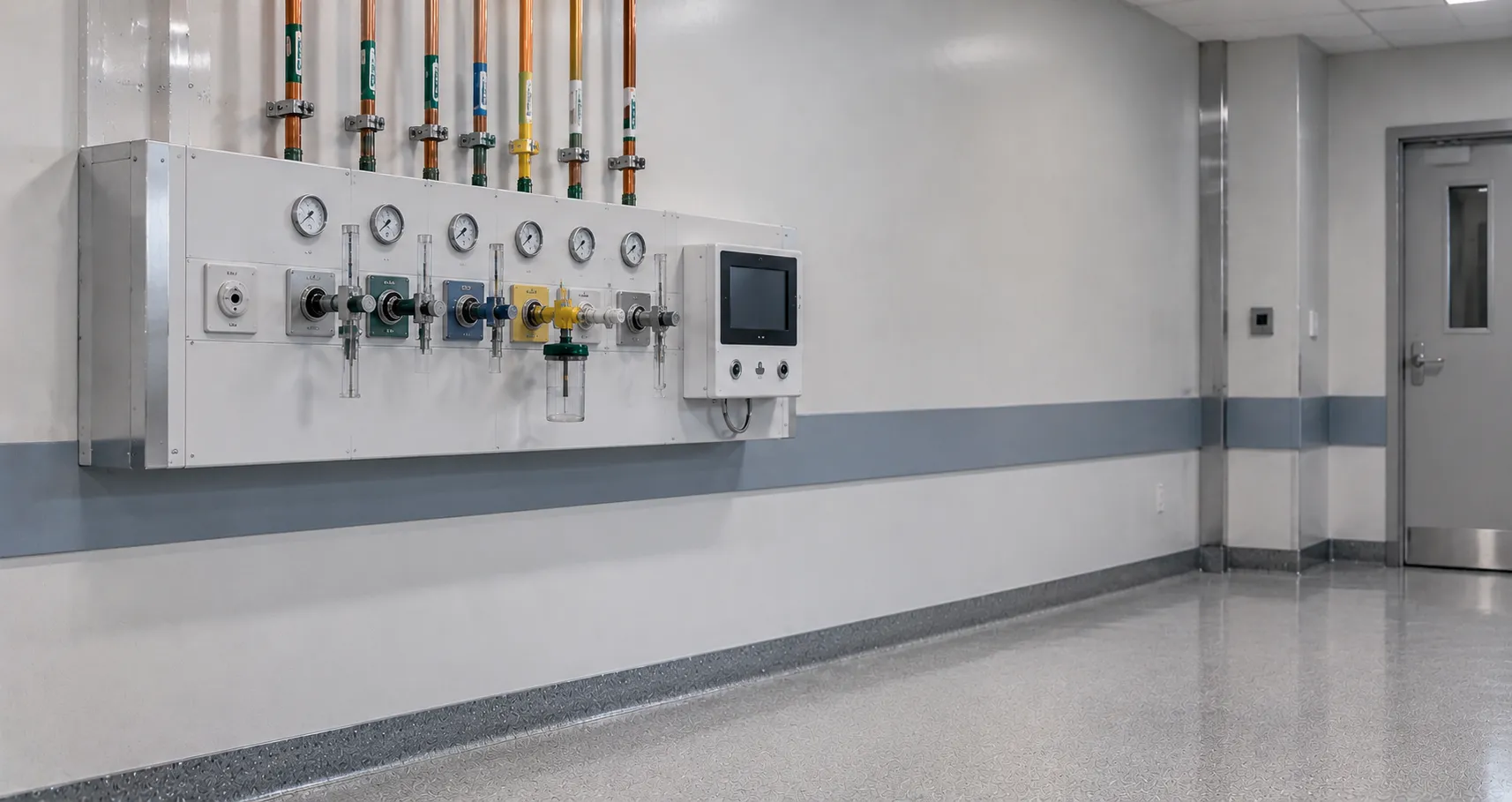

A transfusion service depends on handling blood and its components safely from the moment they arrive to the moment they reach a patient. The blood bank equipment involved keeps components under the right conditions, tests them for compatibility, and supports safe delivery, all within a tightly governed process.
Safety and traceability run through everything here. Every component must be stored correctly, matched to the right patient, and accounted for at each step, so the equipment is chosen not just to do its job but to support the records and controls that make transfusion safe. Handled with that care at every step, blood becomes a safe, well-governed resource rather than simply a stored product.
The twenty-five blood bank equipment items below cover the core of a transfusion service. They are grouped by their role, which each service runs to the standards and governance that transfusion requires. Grouping them this way helps a service see the whole chain, since a weakness at any point affects the safety of the rest.
Following the chain
The items fall into five groups: storage, processing and separation, testing and compatibility, transfusion delivery, and monitoring and support. Together they cover receiving, preparing, matching and delivering blood safely, and seen as a whole they show the chain a component passes through.
Storage
Blood components must be kept at closely controlled conditions, so specialist, monitored storage sits at the heart of a blood bank. Each component has its own storage needs, which this group provides. A lapse in storage can render a component unusable, so this group is watched more closely than almost any other.
-
Blood bank refrigerators — controlled storage of blood.
-
Platelet incubators — storing platelets under the right conditions.
-
Plasma freezers — frozen storage of plasma.
-
Platelet agitators — keeping platelets in motion.
-
Storage monitoring — tracking storage conditions.
Processing and separation
Preparing and handling components relies on this group, which supports the steps between receipt and issue. Careful processing keeps components in good condition. Careful, standardised handling here keeps components in the best possible condition for the patients who need them.
-
Centrifuges — separating and preparing components.
-
Plasma separators — supporting component preparation.
-
Sample mixers — keeping samples properly mixed.
-
Tube sealers — sealing lines safely.
-
Sample processing equipment — supporting handling.
Testing and compatibility
Matching blood to the right patient is central to transfusion safety, and this group supports it. Reliable testing underpins every safe transfusion. A single testing error can have serious consequences, so this group is run with particular rigour and double-checking.
-
Blood grouping analysers — determining blood group.
-
Crossmatch equipment — checking compatibility.
-
Antibody screening — detecting antibodies.
-
Serology equipment — supporting compatibility testing.
-
Cell washers — preparing samples for testing.
Transfusion delivery
Delivering blood safely to the patient relies on this group at the bedside. The equipment supports controlled, safe administration. Getting the delivery right at the bedside is the final safeguard in a long chain of careful steps.
-
Blood warmers — warming blood for transfusion.
-
Transfusion sets — delivering blood safely.
-
Rapid infusers — supporting rapid transfusion where needed.
-
Pressure infusors — supporting delivery.
-
Blood filters — filtering during transfusion.
Monitoring and support
Keeping the whole process safe and traceable rounds out a transfusion service. This group underpins conditions, transport and records. Quiet as it is, this group is what proves the whole process was carried out safely and can be traced afterwards.
-
Temperature monitoring — tracking conditions closely.
-
Transport boxes — moving blood under controlled conditions.
-
Traceability systems — linking components to patients.
-
Alarms — alerting to storage problems.
-
Documentation support — supporting records.
Planning a safe service
A transfusion service is defined by safety and traceability, so storage monitoring, alarms and record-keeping are as central as the storage and testing equipment itself. Because components are sensitive to conditions, reliable, monitored storage with dependable alarms is fundamental rather than optional.
Storage, testing and delivery equipment can be found through the suppliers listed on Medigear.uk.
Testing and compatibility equipment sits within a governed process, so it is planned with the laboratory and transfusion team so quality and standards are met throughout. Matching capacity to the service's activity keeps components available without waste, since blood is a precious and limited resource.
It also helps to plan for resilience, since a failure in storage or monitoring can put components at risk. Backup arrangements and clear alarms mean a problem is caught and acted on quickly rather than discovered too late.
It also helps to plan training and competence alongside the equipment, since transfusion safety depends as much on people as on machines. Clear roles, regular training and confident use of the equipment keep the whole service running to standard.
Points to lock down
-
Storage. Confirm monitored storage with dependable alarms.
-
Traceability. Establish records linking components to patients.
-
Governance. Plan testing with the laboratory and transfusion team.
-
Capacity. Match storage to the service's activity.
-
Resilience. Plan backup and alarms for storage failures.
Safety and monitoring
Blood bank equipment stores and handles a precious, sensitive resource, so storage monitoring, alarm testing, calibration and maintenance are fundamental. The transfusion team also benefits from the MHRA's Yellow Card guidance, which sets out how to report any adverse incident involving the equipment.
When something fails
Because blood is precious and sensitive, the question is not only how the equipment works but what happens when it does not. Backup storage, clear alarms and a plan for a fridge or freezer failure mean a problem is caught and managed in minutes rather than discovered, too late, on the next round.
In summary
A transfusion service keeps blood safe from receipt to the bedside. Grouping the twenty-five blood bank equipment items by their role, building in monitoring and traceability, and planning for resilience turn the list into a safe, dependable service. Chosen this way, the blood bank equipment protects both the components and the patients who receive them. Run to standard at every step, a transfusion service earns the trust that patients and clinicians place in it, day in and day out.
Services building or upgrading a blood bank may also work with a Medigear.uk partner.
This article provides general procurement guidance for healthcare organisations. It is not clinical or transfusion practice advice, and it does not replace manufacturer instructions, transfusion standards or professional judgement.