How to standardise patient monitor specs across ICU beds
Standardising the patient monitor specification across every bed in an intensive care unit is one of the most valuable things a unit can do for safety, training and workflow. When every patient monitor behaves the same way, staff move between beds without hesitation, and the unit runs more safely and smoothly. Many buyers on Medigear.uk compare ICU patient monitors when planning their purchases.
A patient monitor varies enormously in its parameters, modules, alarms and connectivity, and an ICU that has accumulated different models over time faces daily friction. Standardising the specification brings that variety under control and turns a mixed fleet into a coherent one.
This guide sets out how to standardise patient monitor specifications across ICU beds, from agreeing core parameters to alarms, connectivity and future flexibility, so a unit can build consistency without losing the ability to meet different patients' needs.
Why standardising the patient monitor matters
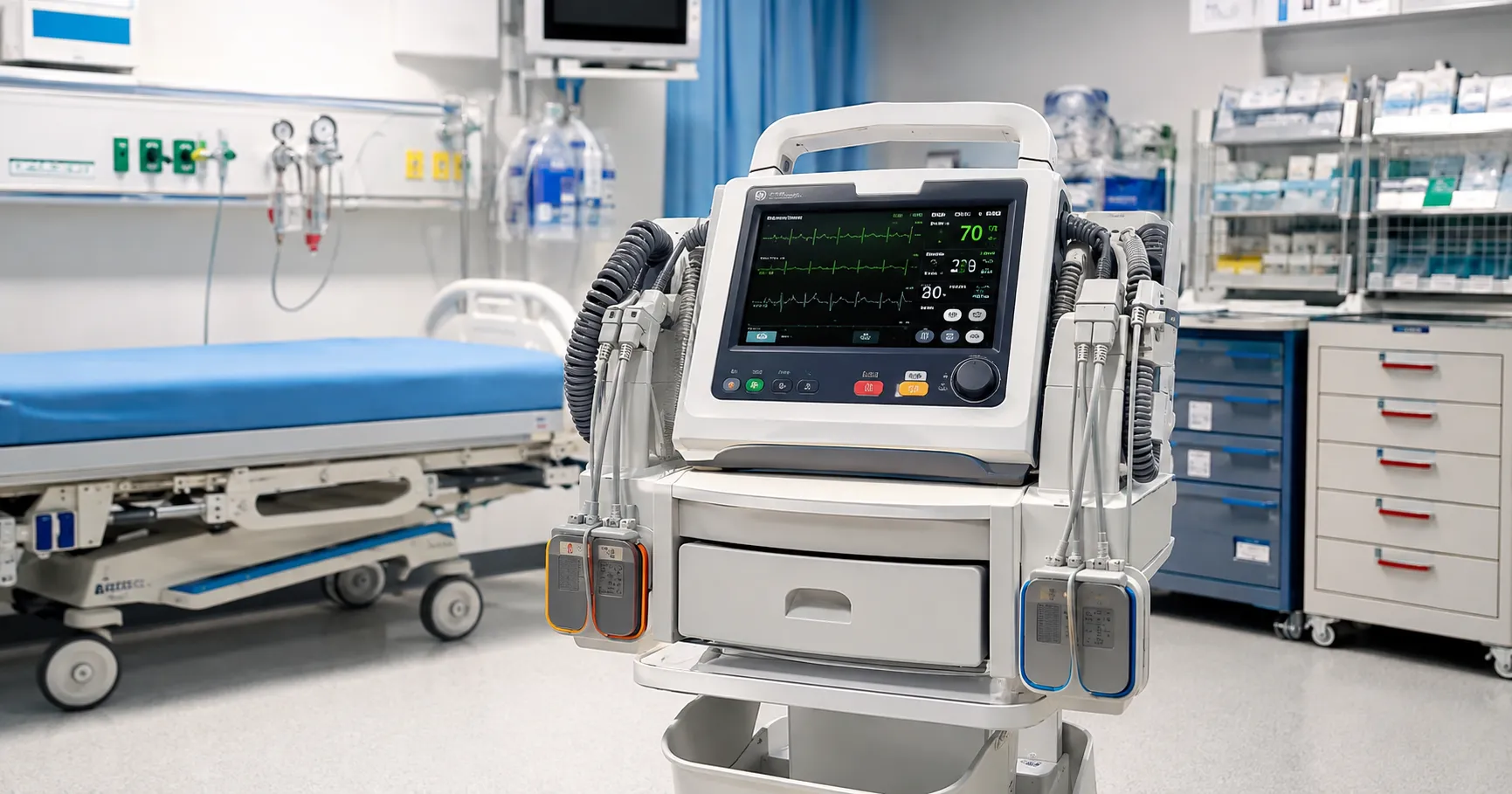
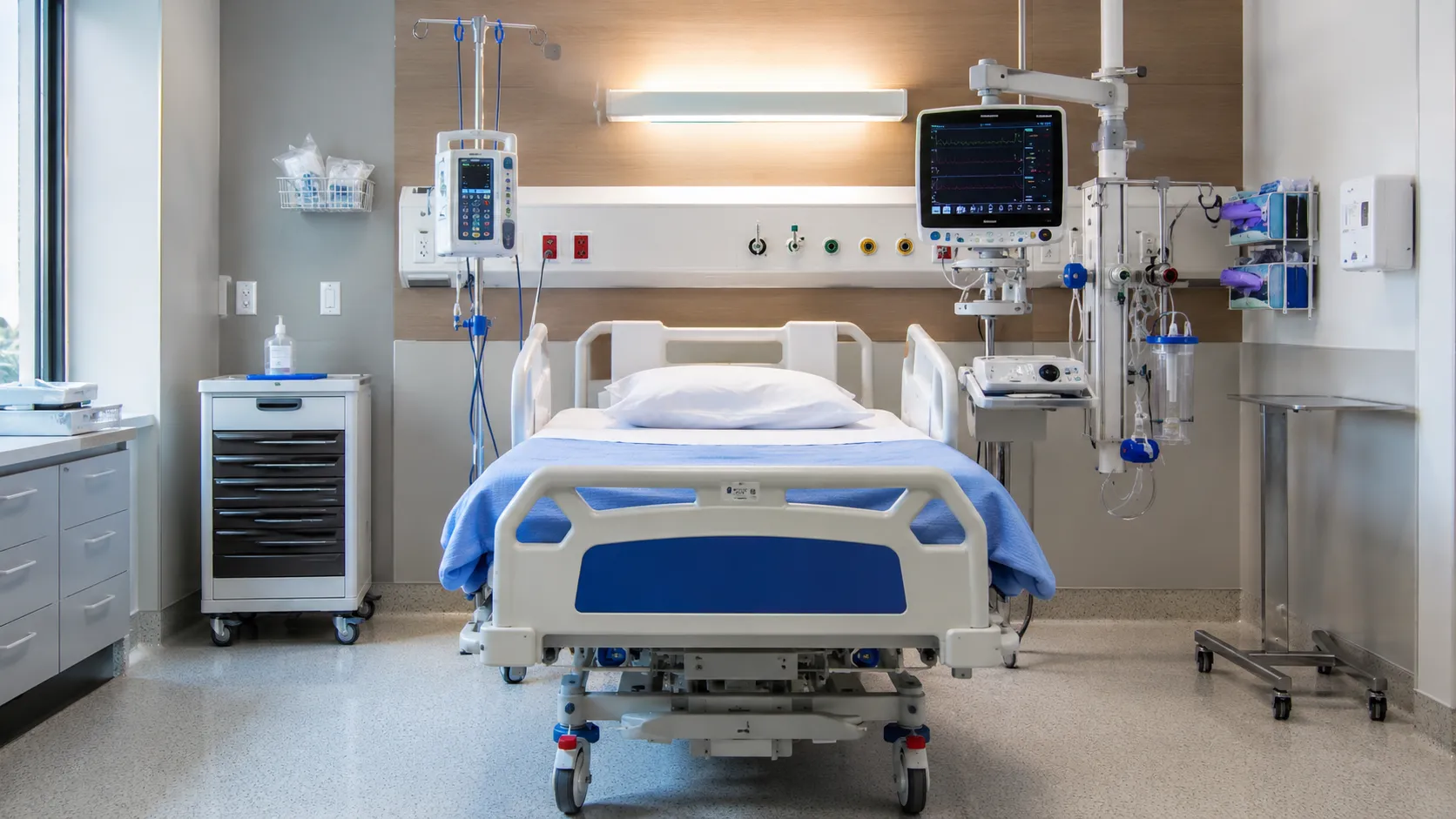
In intensive care, staff move constantly between beds and must be able to read and respond to any patient monitor instantly, without pausing to work out an unfamiliar layout. A standardised specification means every monitor displays the same parameters in the same way, with the same alarms and controls, which reduces errors, speeds response times, and shortens training. It also simplifies servicing, spares and connectivity across the whole unit.
What to standardise across ICU patient monitors
Core parameters
Begin by agreeing on the core parameters that every ICU patient monitor must display, such as heart rhythm, blood pressure, oxygen saturation, respiration, and temperature, to ensure a consistent baseline across beds. Standardising the core set means staff always know what each monitor shows. Agreeing this common ground is the foundation of standardisation. Manufacturers can also supply your ICU patient monitors on Medigear.uk as a partner.
Modular expansion
Decide how monitors expand for sicker patients, since intensive care requires additional measures such as invasive pressure, cardiac output, and gas monitoring in some beds. A shared modular platform lets every bed be upgraded consistently rather than replaced. Planning expansion keeps the fleet uniform even as patients differ.
Alarm management
Standardise how alarms are set, escalated, and displayed, as inconsistent alarms pose both a safety risk and a source of fatigue. Agreeing default limits, tones and escalation across the unit makes alarms meaningful and manageable. Consistent alarm management is central to a safe monitored environment.
Display and layout
Agree on a common display layout so that the same parameter appears in the same place on every monitor, allowing staff to read any bed at a glance. Consistency of layout reduces the mental effort of moving between patients. A shared layout is a quiet but powerful safety measure.
Connectivity and integration
Standardise how monitors connect to the central station and to clinical records, so that data flows consistently from every bed. Uniform connectivity simplifies both oversight and documentation. Integration that works the same way everywhere reduces error and effort.
Central monitoring
Consider how monitors feed into a central station, since intensive care relies on being able to monitor every bed from one place. A specification that supports consistent central monitoring strengthens oversight of the whole unit. Central visibility is part of what standardisation delivers.
Consumables and accessories
Standardise the cables, sensors, and consumables the monitors use, because a common set simplifies stock management, reduces waste, and ensures any accessory fits any bed. Interchangeable consumables ease daily work and procurement alike. Uniform accessories are an underrated benefit of standardisation.
Future flexibility
Weigh how easily the standard can evolve, since a specification chosen today must accommodate new needs tomorrow. A platform that can be updated and expanded keeps the standard current without forcing wholesale replacement. Building in flexibility protects the value of standardising.
The safety case for consistency
The strongest argument for standardising patient monitor specifications is patient safety, because familiarity reduces errors in precisely the high-pressure moments when they are most dangerous. When a monitor alarms, staff must respond instantly, and they do so more reliably when all monitors behave identically. Consistency turns the monitor from something to interpret into something instantly understood.
Balancing standardisation with clinical need
Standardising does not mean forcing every bed to be identical in capability, but rather building every bed on the same platform so it can be configured to the patient in front of it. The aim is a common foundation that expands consistently, not a rigid uniformity that ignores different needs. Good standardisation is flexible within a shared framework.
Training and standardisation together
A standardised fleet makes training far simpler, because staff learn one monitor rather than several, and new staff reach competence faster. This training benefit compounds over time as the unit's whole team shares a common understanding. Standardisation and effective training reinforce one another.
Planning the transition
Moving to a standard rarely happens overnight, so a unit plans a transition that phases in the new specification while keeping every bed safely monitored throughout the process. Thinking through the sequence, the training and the interim mix avoids disruption. A well-planned transition delivers the benefits of standardisation without risk.
A checklist before you choose
-
Core parameters. Agree the common set every monitor must show
-
Modules. Plan consistent expansion for higher-dependency beds
-
Alarms. Standardise limits, tones and escalation
-
Layout. Fix a common display layout across all beds
-
Connectivity. Ensure uniform links to central station and records
-
Transition. Plan a safe, phased move to the standard
Planning ICU monitor standardisation
A unit planning to standardise its patient monitors starts by agreeing on the core parameters, alarms, layout, and connectivity that every bed must share, then chooses a platform that can scale consistently for higher-dependency patients. Because intensive care cannot pause, the plan phases the change in while keeping every bed safely monitored throughout.
It also helps to agree how the standard will be maintained as needs evolve, so that new modules and updates fit the same framework rather than fragmenting it. A standard that is planned to last keeps an ICU consistent for years rather than drifting back into a mixed fleet.
Building consistency across the unit
Standardising patient monitor specifications across ICU beds builds the consistency that intensive care depends on, allowing staff to read and respond to any bed instantly, simplifying training and easing servicing and stock management. A unit that agrees on its core parameters, alarms, layout, and connectivity, and plans a careful transition, turns a mixed fleet into a coherent, safer whole.
Documenting the agreed standard
Once a unit agrees its monitor standard, writing it down clearly, covering parameters, alarms, layout, connectivity and accessories, turns an intention into a reference everyone can follow. A documented standard guides future purchases, prevents drift back to a mixed fleet and helps new staff and suppliers alike. Keeping the standard current as needs evolve preserves its value over time. A written standard is what makes standardisation last rather than fade.
Managing a mixed fleet during change
Few units can replace every monitor at once, so most pass through a period with a mix of old and new, which must be managed carefully to stay safe. Clear labelling, focused training on the differences and a plan to retire older units reduce the risk this mixed period carries. Being honest about the transition, rather than pretending the fleet is already uniform, keeps patients safe while the standard is rolled out. Managing the mix well is part of standardising well.
Central station and oversight
A standardised fleet shows its value at the central station, where consistent monitors feed a single, coherent view of the whole unit. When every bed reports in the same way, oversight is clearer and remote review more reliable, strengthening the safety net around every patient. Designing the standard with the central station in mind ensures the whole unit is watched consistently. Consistent bedside monitoring becomes consistent oversight across the unit.
Working with suppliers on a standard
Agreeing a standard is easier with a supplier who understands the unit's aims and can provide a consistent, expandable platform over time. A supplier relationship built around the standard supports future purchases, spares and updates that fit the framework rather than fragmenting it. Discussing the standard openly with suppliers helps keep the fleet coherent for years. A good supplier partnership sustains a standard the unit has worked to build.
Reviewing the standard over time
A monitor standard is not set once and forgotten; a unit reviews it periodically to ensure it still meets clinical needs and to take advantage of worthwhile developments, updating it in a controlled way rather than letting individual purchases pull the fleet apart. Scheduling a regular review keeps the standard current and defensible, and involving the clinical team in that review keeps it grounded in real practice. A standard that is deliberately reviewed and maintained remains useful for years, whereas one that is never revisited slowly loses relevance as care and technology move on around it. Buyers often source ICU patient monitors from suppliers on Medigear.uk for their service.
Servicing and safety
Patient monitors are safety-critical in intensive care, so calibration, servicing and consistent checks are essential across the whole fleet. Staff should also know how to report a problem with a medical device to the MHRA if any monitor is found faulty.
Standardising ICU monitors in short
Standardising patient monitor specifications across ICU beds makes intensive care safer and simpler. Agreeing on core parameters, alarms, layout, and connectivity; choosing a platform that scales consistently; and planning a careful transition to turn a mixed fleet into a coherent one. Standardised this way, patient monitors let staff respond to any bed with confidence.
This guide offers general procurement guidance on standardising patient monitors and is not clinical advice; local policy and manufacturer instructions always take precedence.