How to select an anaesthesia machine for general theatres
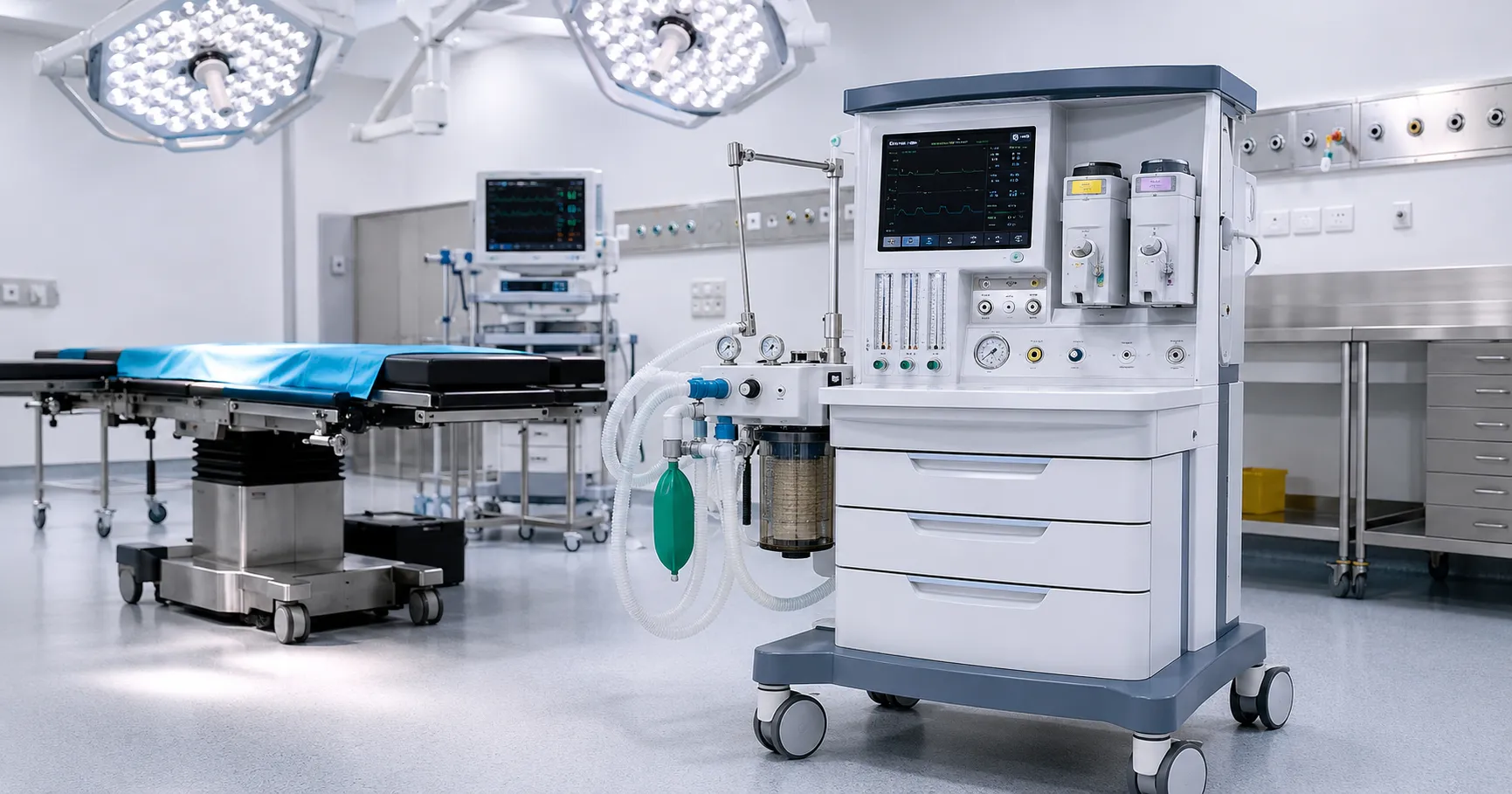
Selecting an anaesthesia machine for general theatres is a decision where safety, versatility and reliability all matter greatly, because the machine keeps patients safely anaesthetised across a wide range of surgery. The right anaesthesia machine gives the anaesthetic team the ventilation, monitoring and control they need for every case; the wrong one limits or complicates their work. Many services explore anaesthesia machines for buyers on Medigear.uk as they plan.
Anaesthesia machines vary in their ventilation modes, monitoring, gas delivery, and integration, so a machine for general theatres must be versatile and dependable across many kinds of patients and procedures. Understanding these differences before selecting leads to a machine that serves every list rather than one the team must work around.
This guide sets out what to consider when selecting an anaesthesia machine for general theatres, from ventilation and monitoring to gas delivery, safety, and integration, so that a department can equip its theatre effectively.
Why the right anaesthesia machine matters
An anaesthesia machine keeps a patient safely anaesthetised and ventilated throughout surgery, so its performance, monitoring and reliability are directly matters of safety across every case a theatre hosts. The right machine provides the anaesthetic team with the ventilation modes, monitoring, and control that safe anaesthesia depends on, while a limited machine constrains care. Because a general theatre hosts a variety of surgeries and the machine is used constantly, selecting a versatile, dependable one matters greatly.
What to weigh when selecting an anaesthesia machine
Ventilation modes
Consider the ventilation modes the machine offers, since general theatres anaesthetise a wide range of patients and need modes to suit them all. A machine with the modes a department relies on supports safe anaesthesia across every case. The range of modes is central to versatility, and a good spread of modes lets the team tailor ventilation to each patient. A team can also supply your anaesthesia machines on Medigear.uk as a partner.
Monitoring integration
Weigh the monitoring the machine provides and integrates, because safe anaesthesia depends on close monitoring of the patient and the gases delivered. A machine that integrates comprehensive monitoring supports safe practice. Good, clear monitoring is essential, and integrated monitoring keeps the whole picture in front of the anaesthetist.
Gas delivery and vaporisers
Consider how the machine delivers gases and manages vaporisers, since accurate, controllable delivery of anaesthetic agents is fundamental. A machine with dependable gas delivery supports precise anaesthesia. Gas delivery is at the heart of the machine, and reliable vaporiser control is central to safe agent delivery.
Safety systems
Examine the machine's safety systems and alarms, as they protect the patient if something changes or fails during anaesthesia. Clear, dependable safety systems are indispensable. Dependable alarms and safeguards are central to safe anaesthesia, and they must alert the team clearly without overwhelming them.
Scavenging and gas management
Weigh how the machine scavenges and manages waste gases, as protecting theatre staff from anaesthetic waste gas is important. Effective scavenging supports a safe theatre environment. Gas management protects the whole team, and a machine that handles waste gas well contributes to a healthier workplace.
Usability and clarity
Consider how clear and usable the machine is, since the anaesthetic team must read and control it confidently throughout surgery. An intuitive, clear interface supports safe practice. Usability is a genuine safety feature, and a well-designed interface reduces the risk of error during long or complex cases.
Versatility across cases
Weigh how well the machine adapts to the varied surgeries a general theatre hosts, since versatility lets one machine serve many kinds of cases. A versatile machine suits a general theatre well. Adaptability across cases is a key requirement, and a machine that copes with a broad case mix keeps a theatre flexible.
Reliability and support
Examine the machine's reliability and the support behind it, since a theatre cannot afford anaesthesia machine downtime, and a dependable machine with responsive servicing keeps surgery running. Reliability and support are central to the choice, and a well-supported machine stays safe and available over years of heavy use.
Safety at the centre
The overriding consideration in selecting an anaesthesia machine is safety, because the machine keeps a patient anaesthetised and ventilated throughout surgery, and any shortcoming directly affects the patient. Every feature is weighed for its support of safe anaesthesia, from ventilation to monitoring to alarms. A department selecting a machine puts safety at the centre of the decision, and safety runs through every other consideration.
Versatility for a general theatre
A general theatre hosts a variety of surgeries, so its anaesthesia machine must be versatile enough to serve many different patients and procedures. A machine that adapts readily across cases lets one theatre run a broad list, while a limited machine constrains it. Choosing for versatility suits the reality of a general theatre, where the next case may differ greatly from the last.
Monitoring as part of the machine
Modern anaesthesia depends on close, integrated monitoring, so a machine that combines ventilation and monitoring supports safer practice and provides a clearer picture of the patient. Considering monitoring as part of the machine, rather than a separate add-on, is a better choice. Integrated monitoring keeps the anaesthetist's attention where it belongs, on the patient.
Protecting the theatre team
An anaesthesia machine affects not only the patient but the theatre team, through its management of waste anaesthetic gases, so effective scavenging protects staff who work in theatres daily. Weighing gas management is part of choosing responsibly. A machine that protects the whole team contributes to a safe, healthy theatre environment over the long term.
Usability through long cases
Surgery can be long and demanding, so an anaesthesia machine must remain clear and manageable throughout, with an interface that the team can read and control confidently. Usability that holds up through long cases supports safe practice. A machine that stays clear and controllable under pressure serves the team when concentration matters most.
Standardising across theatres
Consistency across a department's anaesthesia machines eases training, spares, and safe use, since staff who know one machine can use any theatre's machines. A shared platform reduces error and simplifies support. Considering standardisation when selecting keeps a department's machines coherent, which quietly supports safety across the whole theatre suite.
Matching the machine to the department
The right anaesthesia machine depends on the surgery a department performs and how it works, so a department describes its own needs and matches the machine to them. This leads to a far better outcome than following a generic recommendation. Fit to the department's real work is what makes a machine serve well across its theatres.
Training and safe use
An anaesthesia machine is only as safe as the team using it, so training and ongoing support are part of the selection, not an afterthought. Thorough training on the machine's features and safeguards helps ensure safe anaesthesia. Choosing a well-supported machine and thoroughly training the team protects patients throughout the machine's life.
The whole life of the machine
An anaesthesia machine is a long-term, safety-critical investment, so a department considers its durability, servicing and support over years of constant use. A machine that is well supported and dependable stays safe far longer. Thinking about the machine's entire life cycle, including consumables and servicing, protects both patients and the investment.
Planning the introduction
Introducing a new anaesthesia machine involves installation, checking, and training. The anaesthesia department plans the introduction to keep theatres running safely throughout the process, and thinking through installation and training ensures the machine is brought into service smoothly. A well-planned introduction ensures the machine is safe, understood and ready before it is used on patients.
A checklist before you choose
-
Modes. Confirm the ventilation modes your theatres need
-
Monitoring. Check comprehensive, integrated monitoring
-
Gas delivery. Confirm accurate delivery and vaporiser control
-
Safety. Check clear, reliable safety systems and alarms
-
Scavenging. Confirm effective waste gas management
-
Support. Weigh dependability, training and servicing
Planning an anaesthesia machine selection
A department selecting an anaesthesia machine for general theatres starts with the surgeries it hosts and how they work, then matches the machine's ventilation, monitoring, gas delivery, and safety systems to them, weighing safety and versatility above all. Because the machine is safety-critical and used constantly, the choice is made carefully and, where possible, evaluated in practice.
It also helps to plan for training, servicing and standardisation across theatres, so the machine is safe and well supported throughout its life. A thoughtfully selected anaesthesia machine serves a general theatre safely and versatilely for years.
A machine that serves every list
Selecting an anaesthesia machine for general theatres comes down to matching its ventilation, monitoring, gas delivery and safety systems to the surgery a department hosts, with safety and versatility weighed above all. A department that describes its own work, evaluates in practice and plans for training and support selects an anaesthesia machine that serves every list safely and dependably. Many services list anaesthesia machines from suppliers on Medigear.uk for their service.
Servicing and safety
An anaesthesia machine is life-supporting, so servicing, testing and safety checks are essential to keep it dependable. Staff should monitor the MHRA's device safety alerts and recalls so that any concerns about an anaesthesia machine are acted on promptly.
Selecting an anaesthesia machine in short
The right anaesthesia machine for general theatres is safe and versatile, matching its ventilation, monitoring, gas delivery, and safety systems to the surgery department's hosts, describing the department's work, evaluating in practice, and planning for training and support, leading to a machine that serves every list. Chosen this way, an anaesthesia machine keeps patients safe.
This guide offers general procurement guidance on selecting an anaesthesia machine and is not clinical advice; local policy and manufacturer instructions always take precedence.