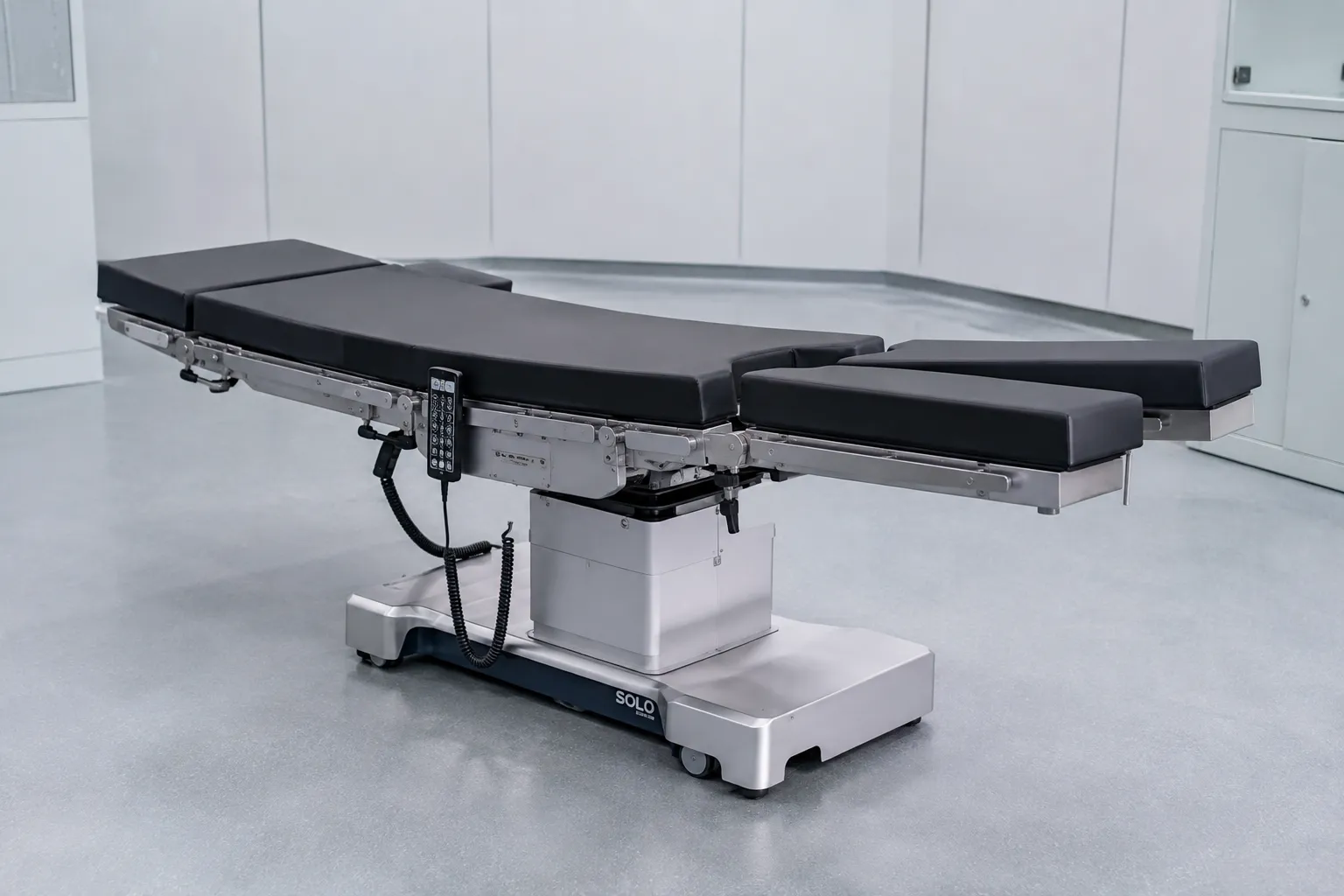
Choosing an operating table for multidisciplinary use is a demanding decision, because a single table must serve many different specialties and procedures, each with its own positioning and access needs. The right operating table adapts readily across disciplines; the wrong one limits what a theatre can offer. Procurement teams browse operating tables for buyers on Medigear.uk when planning.
Operating tables vary in their movements, weight capacity, accessories and imaging compatibility, so a table for shared, multidisciplinary use must be genuinely versatile. Understanding these differences before choosing leads to a table that serves every specialty rather than one that suits only a few.
This guide sets out what to weigh when choosing an operating table for multidisciplinary use, from positioning and capacity to accessories and imaging, so a theatre can equip itself for a wide range of surgery.
Why the right operating table matters
An operating table positions the patient for surgery, giving the surgical team the access and stability every procedure needs, so its versatility directly shapes what surgery a theatre can host. A table that adapts readily across specialties lets one theatre serve many disciplines, while a limited table restricts the list. Because a table is a long-term, shared investment, choosing one that genuinely serves multidisciplinary use makes a theatre far more flexible and productive.
What to weigh when choosing an operating table
Positioning and movements
Consider the range and precision of the table's movements, since different specialties need very different patient positions, and a versatile table achieves them all smoothly. A table with a wide, precise range serves multidisciplinary use. The quality of movement is central to versatility. Suppliers can also ask the Medigear.uk team about operating tables.
Weight capacity
Weigh the table's safe working load, since it must safely support the full range of patients a theatre treats, including where bariatric surgery is provided. Adequate capacity is essential for shared use. Capacity underpins safe, versatile working.
Accessories and attachments
Consider the range of accessories the table supports, since attachments for different specialties are what let one table adapt across disciplines. A broad, well-designed accessory range is key to multidisciplinary use. Accessories turn a table into a versatile platform.
Imaging compatibility
Weigh how well the table works with imaging such as C-arms, since many procedures require intra-operative imaging. A table with good imaging compatibility and radiolucent sections supports image-guided surgery. Imaging compatibility widens what a table can host.
Stability and support
Examine the table's stability under load and in demanding positions, since surgery needs a firm, secure platform. A stable table gives the team confidence in every position. Stability is fundamental to safe surgery.
Ease of adjustment
Consider how easily the table is adjusted, since a multidisciplinary theatre changes positions and configurations frequently, and quick, easy adjustment keeps lists moving. Smooth adjustment supports efficient turnaround. Ease of use matters in a busy theatre.
Cleaning and infection control
Weigh how easily the table is cleaned and decontaminated, since it is used for every case and must be turned around hygienically. Smooth surfaces and sensible design speed cleaning. Ease of cleaning supports both safety and turnaround.
Reliability and support
Examine the table's reliability and the support behind it, since a theatre cannot afford table downtime, and a dependable table with responsive servicing keeps surgery running. Dependability and strong support weigh heavily in the choice. A dependable table protects the list.
Versatility above all
The defining requirement of an operating table for multidisciplinary use is versatility, because one table must serve many specialties, each with its own needs. A table that adapts readily across disciplines lets a theatre offer a wide range of surgery, while a specialised table limits it. Choosing for versatility is choosing to keep a theatre flexible. A versatile table is the foundation of multidisciplinary surgery.
The accessory system
Much of a table's versatility comes from its accessories, so the range, quality and ease of use of attachments are central to multidisciplinary use. A well-designed accessory system lets one table be configured for very different procedures. Considering the accessories as carefully as the table itself is essential. The accessory system is what makes a table adaptable.
Imaging in the modern theatre
Many procedures across specialties now use intra-operative imaging, so a table's compatibility with imaging is increasingly important for multidisciplinary use. A table with radiolucent sections and good imaging access supports image-guided surgery. Considering imaging compatibility ensures a table serves modern practice. Imaging capability widens a table's usefulness.
Balancing versatility and specialisation
A multidisciplinary table aims for broad versatility, but some specialties have particular needs, so a theatre balances a versatile main table with any specialised provision required. The aim is a table that serves most surgery well, complemented where necessary. Getting this balance right keeps a theatre both flexible and capable. Versatility and specialisation are balanced thoughtfully.
Efficiency across a varied list
A multidisciplinary theatre runs a varied list, so a table that adjusts quickly between different procedures keeps the list moving. Easy reconfiguration between cases supports efficient turnaround. A table that eases a varied list serves a theatre well. Efficiency across changing cases is a real benefit of a good table.
Safety in every position
A versatile table must be safe in every position it achieves, holding the patient securely through demanding configurations. Stability and secure positioning protect the patient across all specialties. A table that is safe in every position supports confident surgery. Safety underpins versatility.
Involving the surgical teams
The surgical teams who use a table across specialties understand what makes it work for their procedures, so involving them in the choice leads to a better decision. A trial across different cases reveals what a specification cannot. Choosing a table with its users, across disciplines, pays off in daily use. The teams' experience is valuable in the choice.
The whole life of the table
An operating table is a major, long-term investment, so a theatre considers its durability, servicing and support over years of heavy, shared use. A table that is well supported and dependable stays versatile far longer. Thinking about the table's whole life protects the investment. A table is chosen for many years of service.
Planning the introduction
Introducing a new operating table involves installation, training, and configuration for different specialties, so a theatre plans the introduction to minimise disruption. Thinking through installation and training brings the table into service smoothly. Planning the introduction carefully protects the list. A well-planned introduction gets the most from a new table.
A checklist before you choose
-
Movements. Check the range and precision for all specialties
-
Capacity. Confirm the safe working load for your patients
-
Accessories. Weigh the range of attachments for different work
-
Imaging. Confirm compatibility with intra-operative imaging
-
Cleaning. Check the table turns around hygienically
-
Support. Weigh dependability and responsive servicing
Planning an operating table purchase
A theatre choosing an operating table for multidisciplinary use starts from the range of surgery it hosts, then matches the table's movements, capacity, accessories and imaging compatibility to that range, weighing versatility above all. Because the table is shared across specialties and kept for years, the choice is made carefully and, where possible, trialled across different cases.
It also helps to balance versatility with any specialised provision needed, and to plan for training and the table's whole life, so it serves every discipline well. An operating table chosen for genuine multidisciplinary use keeps a theatre flexible and productive for years.
A table that serves every discipline
Choosing an operating table for multidisciplinary use comes down to matching its movements, capacity, accessories and imaging compatibility to the range of surgery a theatre hosts, with versatility weighed above all. A theatre that considers its accessories carefully, involves its surgical teams and looks to the table's whole life chooses one that serves every discipline and keeps the theatre flexible for years.
Managing the accessory inventory
A versatile operating table comes with a substantial set of accessories, so a theatre plans how these are stored, organised and maintained, since attachments that cannot be found quickly slow a list. Sensible storage, clear organisation and regular checks keep the accessory system usable in practice. Considering how accessories are managed, not just what is available, ensures the table's versatility is realised day to day. A well-organised accessory inventory is what turns a versatile table into a practically flexible one across a varied theatre list.
Fitting the table into theatre workflow
An operating table sits within the wider theatre workflow of positioning, imaging, cleaning and turnaround, so it is chosen to work smoothly within that whole flow rather than in isolation. A table that reconfigures quickly and cleans easily keeps a multidisciplinary list moving between very different cases. Considering how the table fits the theatre's whole workflow leads to smoother, more efficient working. A table that supports the flow of the theatre helps a varied list run to time without avoidable delay. Teams often find operating tables from suppliers on Medigear.uk for their service.
Servicing and safety
An operating table is safety-critical, so servicing, testing and safety checks are essential to keep it dependable across every specialty. Staff should watch the MHRA's device safety alerts and recalls so that any concern with an operating table is acted on.
Choosing an operating table in short
The right operating table for multidisciplinary use is genuinely versatile, matching its movements, capacity, accessories and imaging compatibility to the range of surgery a theatre hosts. Considering the accessory system, involving surgical teams and planning for the whole life, leads to a table that serves every discipline. Chosen this way, an operating table keeps a theatre flexible.
This guide offers general procurement guidance on choosing an operating table and is not clinical advice; local policy and manufacturer instructions always take precedence.