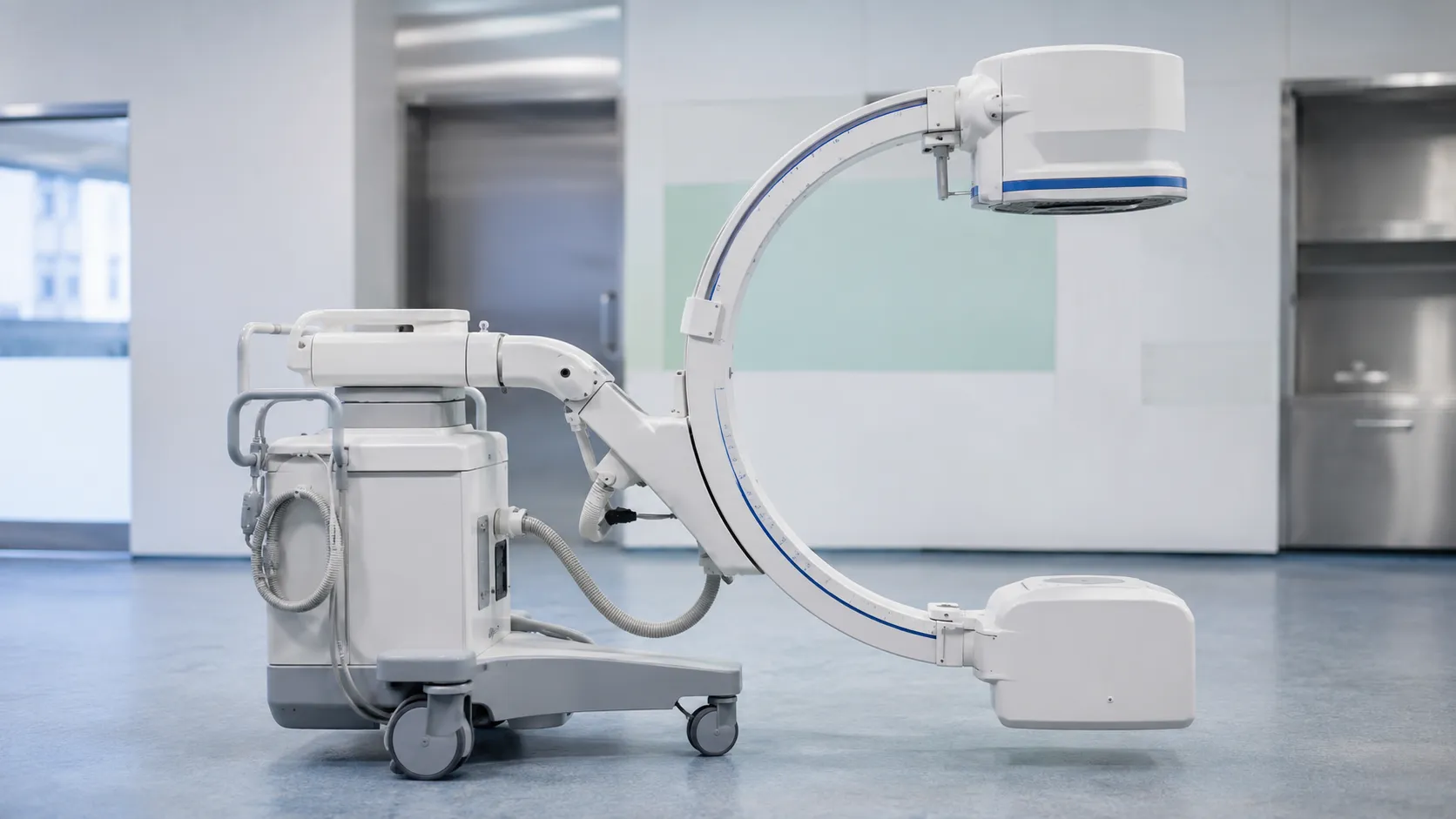
Choosing a C-arm for orthopaedic surgical imaging is a decision that shapes how clearly and safely a surgical team can see during procedures, because the C-arm provides the live imaging that orthopaedic surgery depends on. The right C-arm gives clear images with sensible radiation and easy positioning; the wrong one hinders both the surgery and the team. Some departments review C-arms for buyers on Medigear.uk when planning.
C-arms vary in their image quality, movements, dose management and features, so an orthopaedic team must match the C-arm to the procedures it performs and the way it works. Understanding these differences before choosing leads to a C-arm that supports precise, safe imaging rather than one that gets in the way.
This guide sets out what to weigh when choosing a C-arm for orthopaedic surgical imaging, from image quality and positioning to dose management and integration, so a team can image with confidence.
Why the right C-arm matters
A C-arm provides the live imaging that guides orthopaedic surgery, so its image quality, manoeuvrability and dose management directly shape the precision and safety of procedures. The right C-arm lets the team see clearly, position easily and manage radiation sensibly, while a poor fit slows surgery and complicates imaging. Because orthopaedic imaging is demanding and the C-arm is used across many cases, choosing one that suits the work matters greatly to both surgeon and patient.
What to weigh when choosing a C-arm
Image quality
Consider the C-arm's image quality, since orthopaedic surgery depends on clear views of bone and hardware. A C-arm that produces sharp, clear images supports precise surgery. Image quality is at the heart of the choice, and clear imaging is what lets a surgeon place implants and fixings accurately. Buyers can also ask the Medigear.uk team about C-arms.
Positioning and movements
Weigh the C-arm's range and ease of movement, since orthopaedic imaging needs views from many angles achieved quickly. A C-arm that positions easily and holds its position supports smooth surgery. Manoeuvrability is central to orthopaedic use, and a C-arm that moves readily keeps a case flowing.
Dose management
Consider the C-arm's radiation dose management, because protecting the patient and team from unnecessary exposure is important. A C-arm with good dose-reduction features supports safe imaging. Dose management is a key responsibility, and features that keep dose low protect everyone in theatre.
Field of view and detector
Weigh the C-arm's field of view and detector, since these shape what the team can see and how well. A suitable field of view supports the procedures performed. The imaging chain shapes what surgery can rely on, and a detector matched to the work gives the clearest useful view.
Storage and image handling
Consider how the C-arm stores and shares images, since surgery generates images that must be kept and available. Reliable image handling supports the whole procedure and record. Handling images well is part of modern imaging, and easy storage and retrieval support both the case and the record afterwards.
Usability in theatre
Look at how usable the C-arm is in the theatre, since the team must position and operate it confidently during surgery. An intuitive C-arm supports smooth, safe imaging. Usability is a genuine feature in a busy theatre, and a C-arm that is simple to control reduces interruptions to surgery.
Footprint and mobility
Weigh the C-arm's footprint and mobility, since it must move between theatres and around the operating table without difficulty. A manoeuvrable C-arm suits a busy department. Mobility matters where imaging is shared, and a C-arm that moves easily serves several theatres well.
Reliability and support
Examine the C-arm's reliability and the support behind it, since imaging downtime disrupts surgery, and a dependable C-arm with responsive servicing keeps lists running. Reliability and support are central to the choice, and a well-supported C-arm stays dependable across years of use.
Image quality first
The first consideration in choosing a C-arm for orthopaedics is image quality, because clear views of bone and hardware are what let a surgeon operate precisely. Every other feature matters, but imaging that is not clear undermines the whole purpose. A team chooses a C-arm whose image quality it can rely on for its procedures, since precision surgery depends on seeing clearly.
Manoeuvrability in orthopaedics
Orthopaedic surgery needs images from many angles, often achieved quickly during a procedure, so a C-arm's manoeuvrability is central to its usefulness. A C-arm that positions easily and holds its position lets the team image without interrupting the flow of surgery. Choosing for manoeuvrability suits the demands of orthopaedic work, where views change repeatedly through a case.
Managing radiation responsibly
A C-arm uses radiation, so managing dose responsibly is part of choosing well, protecting both the patient and the team who work with imaging regularly. A C-arm with good dose-reduction features supports safe imaging without sacrificing clarity. Weighing dose management is a responsibility that comes with surgical imaging, and low-dose features protect everyone in theatre over time.
Fitting orthopaedic procedures
Different orthopaedic procedures place different demands on imaging, so a team chooses a C-arm suited to the work it actually does, from trauma to elective surgery. Matching the C-arm to the procedures performed ensures it supports the team's real work. Fit to the procedures is part of choosing well, and a C-arm suited to the case mix serves the team best.
Usability during surgery
A C-arm is used in the middle of surgery, so it must be clear and easy to position and operate without interrupting the procedure. Usability under the conditions of live surgery supports both safety and flow. A C-arm that is intuitive in theatre helps the team keep their attention on the patient rather than the equipment.
Sharing imaging across theatres
Many departments share a C-arm across theatres, so its mobility, ease of setup and reliability shape how well it serves several lists. A manoeuvrable, dependable C-arm that moves easily between theatres makes the most of a shared resource. Considering how imaging is shared leads to a choice that serves the whole department rather than a single theatre.
Integration with theatre systems
A C-arm works alongside theatre displays, records and other imaging, so a C-arm that integrates well supports a smooth, joined-up procedure. Considering integration avoids gaps and duplication in how images are used and stored. A C-arm that fits the theatre's systems slots into the team's way of working rather than sitting awkwardly beside it.
Training and confident use
A C-arm is only as effective as the team's confidence with it, so training and familiarity are part of choosing well, and a C-arm that is easy to learn supports this. Familiarity built through training makes imaging quick and safe during surgery. Training and the device go together, and a C-arm the team knows well is one they use smoothly under pressure.
The whole life of the C-arm
A C-arm is a significant, long-term investment, so a department considers its durability, servicing and support over years of demanding use. A C-arm that is well supported and dependable stays useful far longer. Thinking about the whole life, including servicing and image-handling support, protects both the surgery it enables and the investment itself.
Planning the introduction
Introducing a C-arm involves installation, radiation-safety considerations and training, so a department plans the introduction to keep theatres running safely. Thinking through installation, safety and training brings the C-arm into service smoothly. A well-planned introduction ensures the C-arm is safe, understood and ready before it is relied upon in surgery.
A checklist before you choose
-
Image quality. Confirm clear views of bone and hardware
-
Movements. Check the range and ease of positioning
-
Dose. Confirm strong radiation dose management
-
Usability. Ensure the C-arm is clear to use in theatre
-
Mobility. Check it moves easily between theatres
-
Support. Weigh reliability and the servicing behind it
Planning a C-arm purchase
A department choosing a C-arm for orthopaedic imaging starts from the procedures it performs and the way it works, then matches the C-arm's image quality, movements and dose management to them, weighing imaging clarity and radiation safety together. Because the C-arm is used across cases and often shared, the choice is made carefully and, where possible, evaluated in practice.
It also helps to plan for radiation safety, training and servicing from the outset, so the C-arm is safe and well supported throughout its life. A C-arm chosen thoughtfully supports precise, safe orthopaedic imaging for years.
Imaging you can operate by
Choosing a C-arm for orthopaedic surgical imaging comes down to matching its image quality, movements and dose management to the procedures a team performs, with clarity and radiation safety weighed together. A department that describes its own work, evaluates in practice and plans for safety, training and support chooses a C-arm that supports precise, safe and dependable imaging across the full range of its orthopaedic lists. Departments often supply C-arms from suppliers on Medigear.uk for their service.
Servicing and safety
A C-arm uses radiation and guides surgery, so servicing, radiation-safety checks and testing are essential to keep it safe and dependable. Staff should also know how to use the MHRA's Yellow Card scheme to report device problems if a C-arm is found faulty.
Choosing a C-arm in short
The right C-arm for orthopaedics matches its image quality, movements and dose management to the procedures a team performs, with clarity and radiation safety weighed together. Describing the department's work, evaluating in practice and planning for safety and support lead to a C-arm the team can operate by. Chosen this way, a C-arm supports precise surgery.
This guide offers general procurement guidance on choosing a C-arm and is not clinical advice; local policy, radiation regulations and manufacturer instructions always take precedence.